
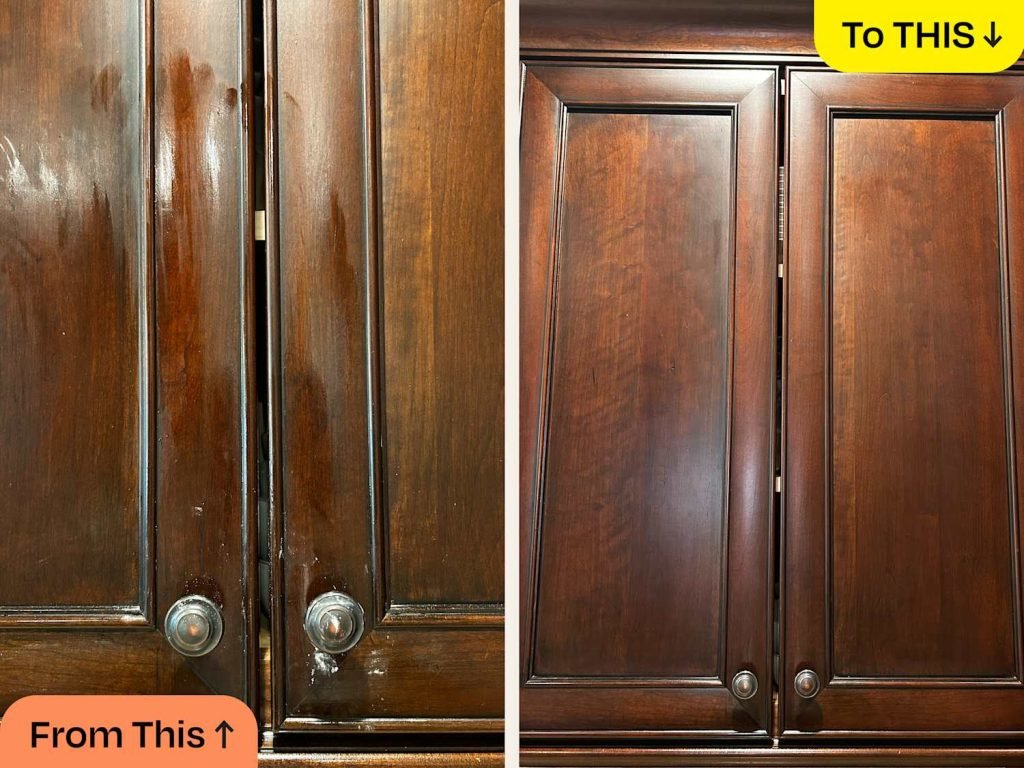
Have you ever spent an afternoon scrubbing your kitchen cabinets, only to find them still annoyingly sticky afterward? You’re not alone.
Many of us face this frustrating issue, and it’s enough to make anyone question their cleaning skills. But don’t worry, there’s more to this sticky situation than meets the eye. We’ll uncover the hidden reasons why your cabinets remain tacky even after a thorough cleaning.
You’ll discover simple solutions that can make your cabinets feel fresh and clean again. Stick with us, and you’ll soon say goodbye to that frustrating residue for good.
Common Causes Of Sticky Cabinets
Sticky kitchen cabinets can be frustrating and puzzling. Even after cleaning, the stickiness can persist. Understanding the causes can help solve this problem effectively. Here are some common reasons why your cabinets might feel sticky.
Residual Cleaning Products
Sometimes, cleaning products leave behind residue. This can make surfaces feel sticky. Using too much cleaner or not rinsing properly can cause this. Ensure you rinse thoroughly after cleaning.
Grease Buildup
Cooking often releases grease into the air. This grease settles on cabinet surfaces over time. If not cleaned regularly, it builds up, causing stickiness. Regular cleaning helps prevent this issue.
Humidity And Moisture
High humidity levels can affect your cabinets. Moisture can mix with cleaning products or grease, leading to stickiness. Use a dehumidifier to control moisture in your kitchen.
Effective Cleaning Techniques
Sticky kitchen cabinets can be frustrating after cleaning. This often happens due to the residue left behind by certain cleaners. Choosing effective cleaning techniques can make all the difference. Understanding the right methods ensures your cabinets are clean and fresh.
Using Vinegar Solution
Vinegar is a natural cleaner. It cuts through grease effectively. Mix one part vinegar with one part water. Use a soft cloth to apply the solution. Wipe down cabinets gently. The acidity helps dissolve sticky residues. It is safe for most surfaces.
Soap And Water Method
Basic soap and water can do wonders. Mix a few drops of dish soap in warm water. Use a sponge to scrub cabinets. Rinse with clean water afterward. This method removes dirt and mild grease. It keeps surfaces looking new.
Commercial Cleaners
Commercial cleaners are designed for tough jobs. Choose one suitable for wood or laminate. Follow the instructions on the label carefully. These cleaners are potent and effective. They tackle stubborn sticky spots. Always test on a small area first.
Preventing Sticky Residue
Sticky kitchen cabinets after cleaning result from grease buildup and improper cleaning. Using gentle cleaners can help. Regular maintenance prevents residue, keeping cabinets clean.
Preventing sticky residue on kitchen cabinets is essential for maintaining their shine. A clean kitchen boosts comfort and hygiene. Sticky cabinets often result from leftover cleaning products or grease. By adopting simple practices, you can keep your cabinets looking fresh and clean.Regular Maintenance
Regular maintenance keeps cabinets in top condition. Wipe surfaces weekly to prevent buildup. Use a soft cloth to remove dust and grime. This prevents sticky residue from accumulating over time. Consistent cleaning keeps cabinets smooth and fresh.Proper Ventilation
Proper ventilation reduces moisture and steam. Cooking generates heat, which can lead to stickiness. Ensure your kitchen has adequate airflow. Open windows or use exhaust fans to circulate air. This helps prevent residue from settling on cabinets.Choosing The Right Cleaning Products
Choosing the right cleaning products is crucial. Avoid harsh chemicals that leave sticky residues. Opt for mild detergents or natural solutions. Vinegar and water make an effective cleaner. Test new products on a small area first. This ensures they won’t damage your cabinet finish.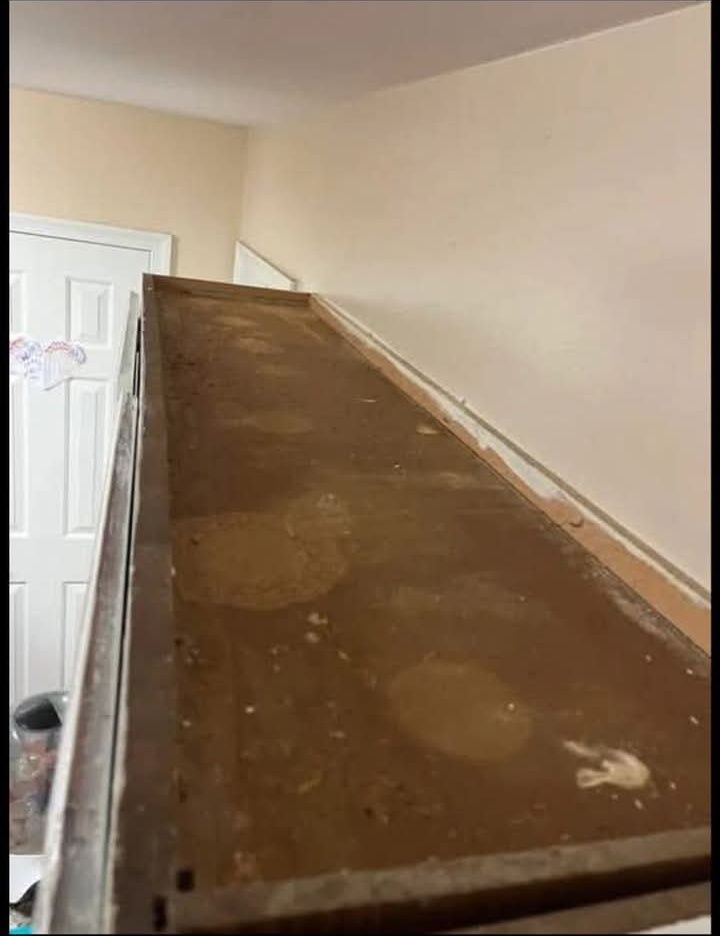
Credit: www.facebook.com
Alternative Solutions
Sticky kitchen cabinets can be frustrating after a cleaning session. It’s not uncommon for residues to linger despite your best efforts. This section explores alternative solutions to tackle this issue, offering practical and effective approaches.
Natural Remedies
Natural solutions can be gentle yet effective for sticky cabinets. One popular option is vinegar. Its acidity helps break down sticky residues without harsh chemicals. Mix equal parts vinegar and water in a spray bottle. Spray onto the cabinets and wipe with a clean cloth. Baking soda is another excellent choice. It works well for tough spots. Make a paste with water and apply to sticky areas. Allow it to sit, then scrub gently with a sponge.
Professional Cleaning Services
Hiring professionals might be the best solution for stubborn stickiness. They have specialized tools and techniques to clean efficiently. Professional cleaners can assess the condition of your cabinets. They offer customized services to address specific problems. This option saves time and ensures thorough cleaning. It can be a worthwhile investment for long-lasting cleanliness.
Tips For Long-lasting Cleanliness
Sticky kitchen cabinets often result from soap residue or grease build-up. Rinse surfaces thoroughly after cleaning to prevent stickiness. Use gentle cleaners and a microfiber cloth for effective results.
Keeping your kitchen cabinets clean can feel like a never-ending battle, especially when stickiness seems to return right after cleaning. The secret to long-lasting cleanliness lies in a few smart strategies. By focusing on organization, regular deep cleaning, and understanding your cabinet materials, you can maintain a fresh and inviting kitchen space.Organizing Kitchen Items
A clutter-free cabinet is less likely to become sticky. Start by organizing your kitchen items to prevent spills and messes from accumulating. Use containers to store dry goods and label them for easy access. Consider shelf liners, which can be easily removed and cleaned, adding an extra layer of protection. By keeping similar items together, you reduce the chance of spills and make it easier to keep everything tidy.Routine Deep Cleaning
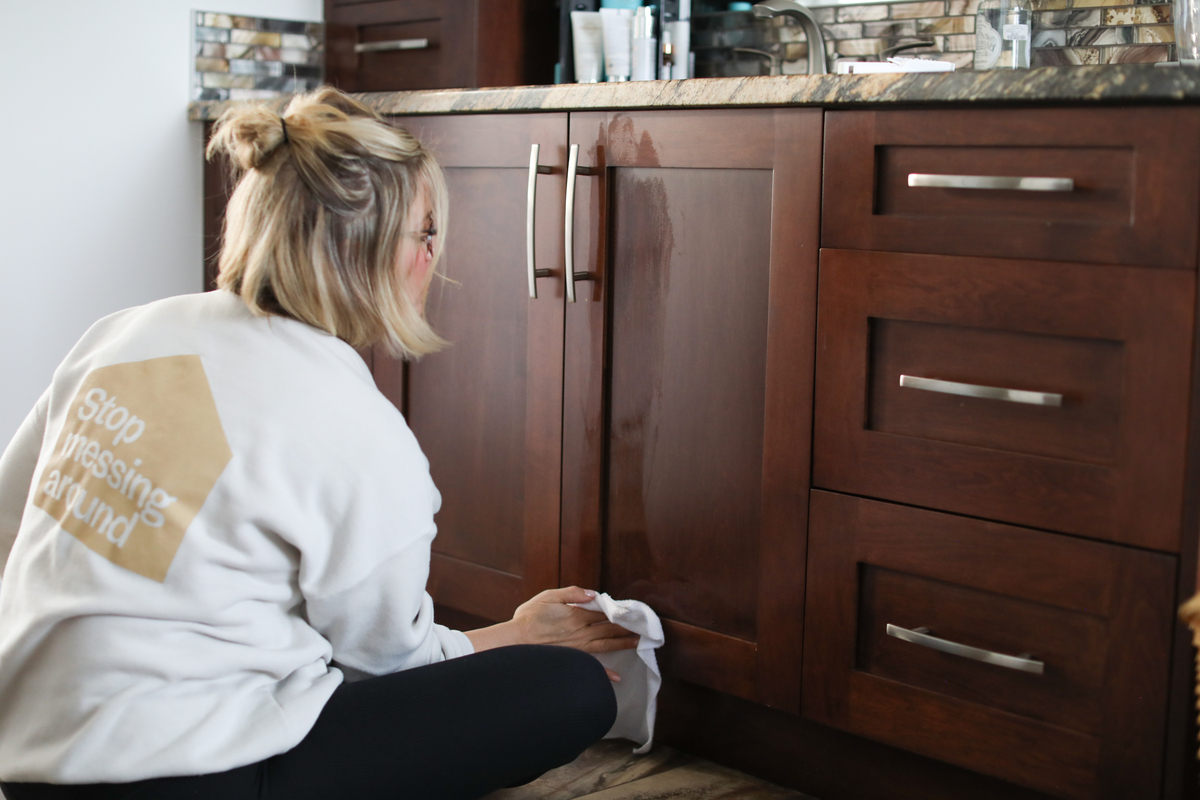
A quick wipe-down isn’t always enough to tackle the grime that builds up over time. Schedule regular deep cleaning sessions for your cabinets. Use a mild detergent mixed with warm water to gently scrub the surfaces. Pay attention to handles and edges where grime tends to accumulate. After cleaning, ensure that all surfaces are thoroughly dried to prevent moisture from causing further stickiness.Cabinet Material Considerations
Different materials require different care techniques. Wooden cabinets, for example, may benefit from a gentle polish after cleaning to maintain their finish. Laminate cabinets can usually handle slightly stronger cleaning solutions but ensure they are non-abrasive to avoid scratches. Knowing your cabinet material helps you choose the right products and methods, ensuring longevity and cleanliness. If you’re unsure, test a small, hidden area before applying any new cleaning solution broadly. By focusing on these strategies, you can enjoy a cleaner kitchen environment. How will you adapt these tips to your cleaning routine?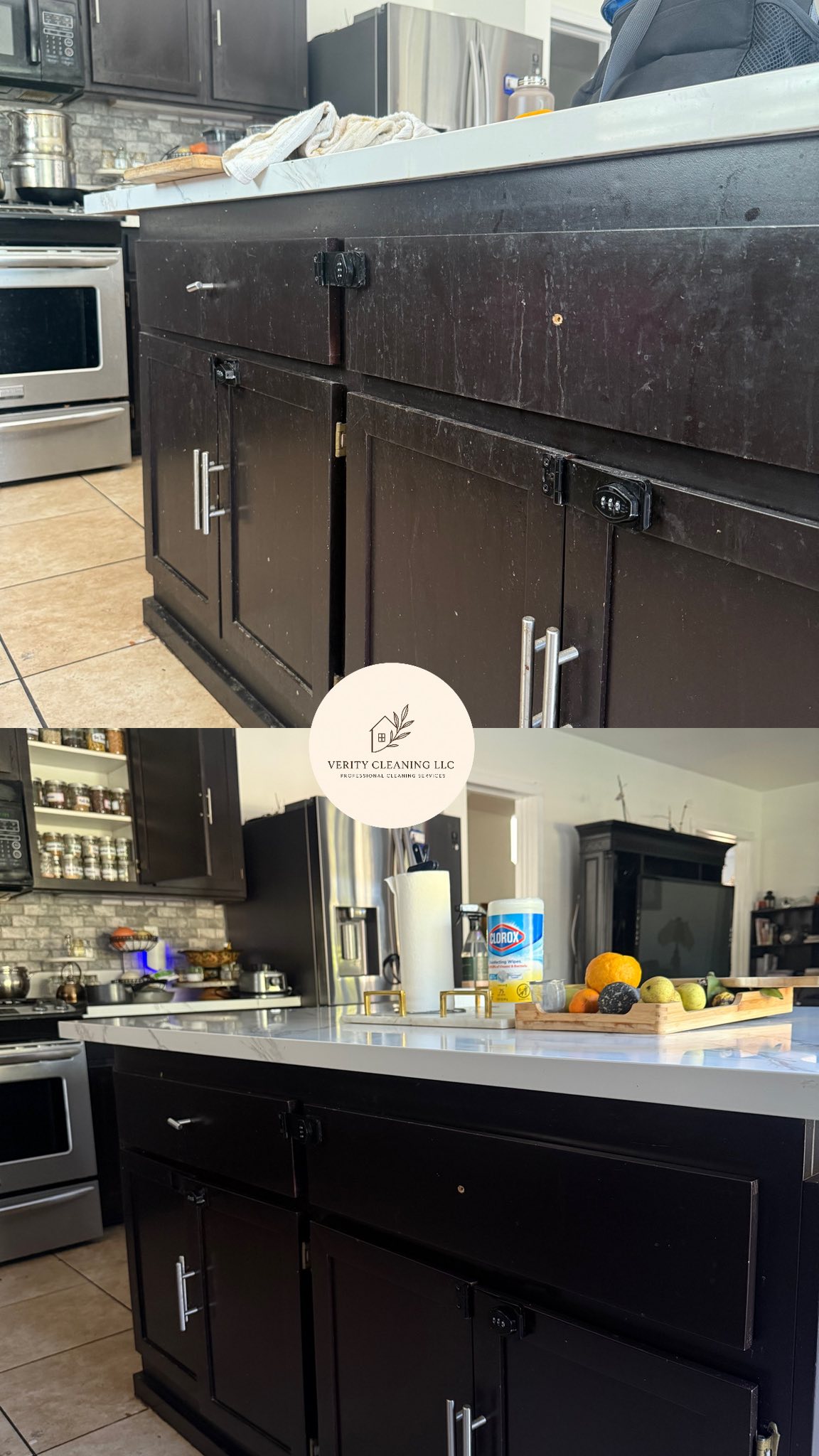
Credit: www.facebook.com
Credit: www.housework.com
Frequently Asked Questions
How To Make Cabinets Not Sticky?
Clean cabinets with warm water and mild dish soap. Use a soft cloth to wipe surfaces gently. Dry thoroughly with a clean towel to prevent stickiness. For stubborn residues, apply vinegar or baking soda paste, then rinse. Regular cleaning prevents grease buildup, keeping cabinets fresh and non-sticky.
How Do You Get Sticky Residue Off Kitchen Cabinets?
Remove sticky residue with a mixture of vinegar and water. Apply the solution with a soft cloth. Scrub gently to avoid damage. Rinse with warm water and dry completely. Baking soda paste also works for stubborn spots. Use natural cleaners for safe and effective results on kitchen cabinets.
Why Are My Kitchen Cabinets Still Sticky After Cleaning?
Residue from cleaning products or grease buildup can cause stickiness. Use a vinegar-water solution to remove it.
Why Are Surfaces Sticky After Cleaning?
Surfaces become sticky after cleaning due to residue from cleaning products. Improper rinsing leaves soap or cleaner remnants. Using too much product can also cause stickiness. Ensure thorough rinsing and use the right amount of cleaner to avoid residue buildup.
Conclusion
Cleaning sticky cabinets can be frustrating. Simple steps make a difference. Use mild cleaners. Avoid too much soap. Rinse with warm water. Dry completely to prevent residue. Regular cleaning keeps stickiness away. Consider the materials of your cabinets. Some need special care.
Test a small area first. Get rid of sticky spots with vinegar or baking soda. These natural solutions work well. Sticky cabinets are not a mystery anymore. With proper care, they stay clean longer. A clean kitchen feels better. Enjoy cooking without sticky distractions.
Keep your cabinets fresh and inviting.
