
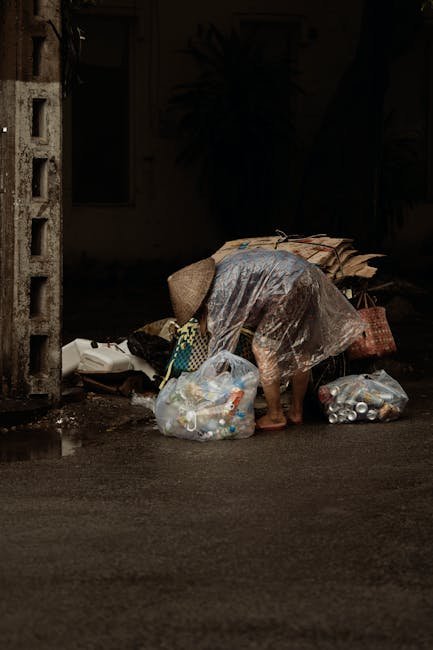
Have you ever stood in the aisle of a store, staring at the price tag on a trash can, and wondered why it costs so much? You’re not alone.
Many of us have been baffled by the seemingly high prices for something as basic as a trash can. But here’s the thing: there’s more to it than meets the eye. Understanding why trash cans are priced the way they are can save you money and help you make smarter choices for your home.
We’re diving into the factors that make trash cans more expensive than you might expect. Stick around to discover how materials, design, and even brand influence the cost—and how you can make the best choice for your wallet and your lifestyle.
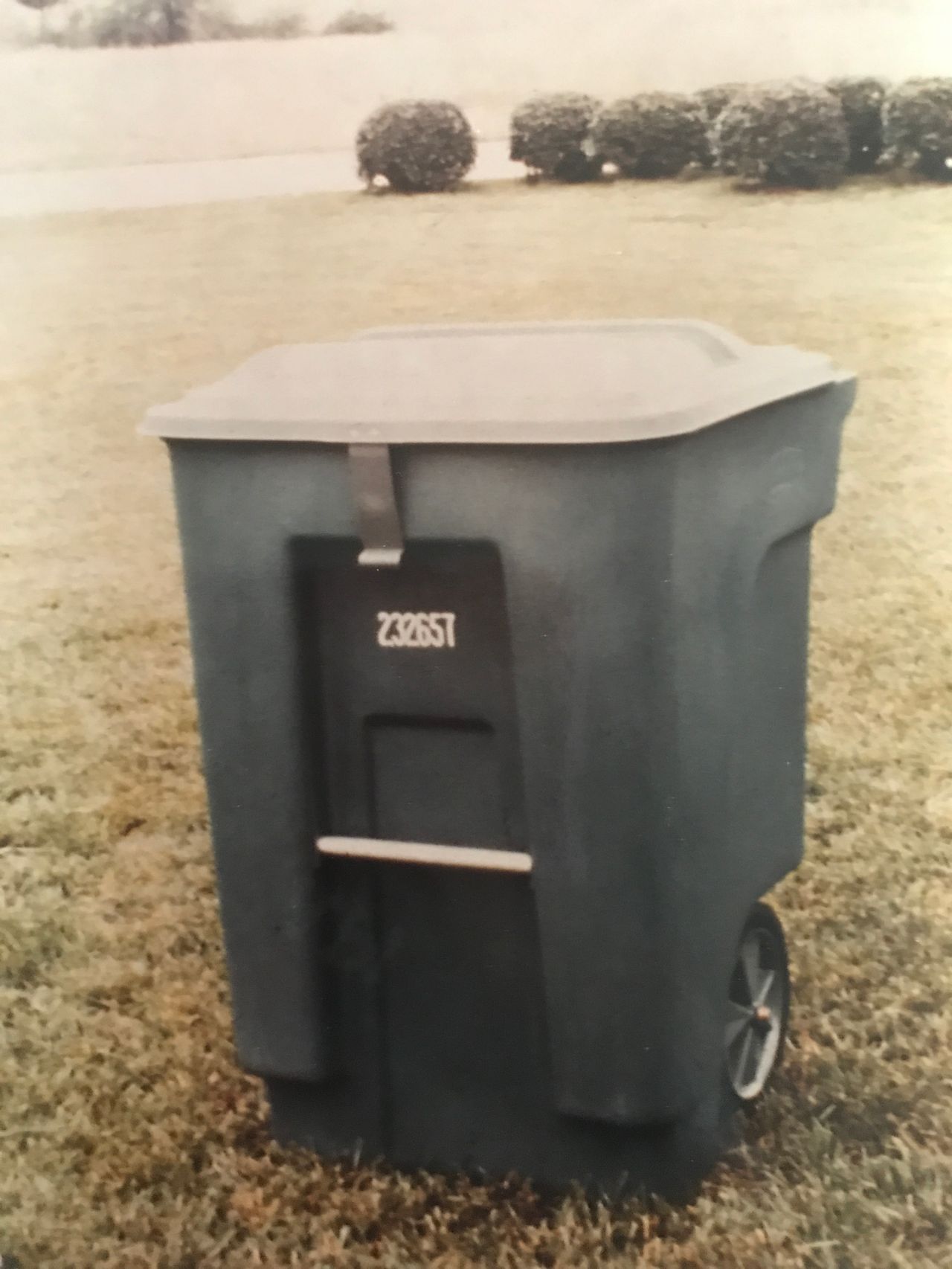
Credit: www.waste360.com
Material Quality
Material quality greatly influences the cost of trash cans. High-quality materials offer strength and longevity. This means the trash can withstands daily wear and tear. Inferior materials might break or crack easily. So, investing in quality can save money over time. Let’s explore what makes some materials more valuable.
Durability Factors
Durability is a key factor in trash can pricing. Strong materials like stainless steel last longer. They resist dents and corrosion. Plastic bins can vary in durability. High-density polyethylene is more robust. It handles impacts better than lower-grade plastics. These materials ensure the trash can serves you for years.
Eco-friendly Materials
Eco-friendly materials are gaining popularity in trash can production. Recycled plastics and metals are common. They reduce environmental impact. These materials often cost more to process. But, they align with sustainable practices. Consumers willing to pay more support eco-conscious manufacturing. This choice benefits the planet and encourages green innovation.
Design And Innovation
The rising cost of trash cans can leave many puzzled. At first glance, they may seem like simple containers, but delve a little deeper and you’ll uncover a world of design and innovation. Trash cans are no longer just about holding waste; they integrate advanced features and aesthetic considerations that elevate their functionality and appeal.
Advanced Features
Today’s trash cans come equipped with features that enhance convenience and efficiency. Motion-sensor lids allow you to dispose of waste without touching the can, minimizing the spread of germs. Some models even have compartments for recycling, making it easier to sort your waste. Imagine the ease of having a trash can that automatically seals bags, saving you time and hassle. These innovations, while practical, contribute to the higher price.
Aesthetic Considerations
Trash cans have evolved into design elements that complement your home’s interior. Sleek stainless steel finishes, minimalist designs, and vibrant colors make them a part of your décor. They can blend seamlessly into your kitchen or stand out as a statement piece. How often do you find yourself choosing a trash can based on its look rather than just its function? This focus on aesthetics adds to the cost, as manufacturers invest in creating visually appealing products.
Manufacturing Processes
High-quality materials and intricate designs often make trash cans expensive. Manufacturing processes involve specialized techniques and durable components. These factors contribute to the higher cost of production and, ultimately, the retail price.
The manufacturing processes behind trash cans play a significant role in their pricing. Many people might wonder why a simple household item can be so costly. The answer lies in the intricate details of production that often go unnoticed. From the choice of materials to the labor involved, each step impacts the final cost.Production Techniques
Trash cans aren’t just stamped out in one go; they undergo several production stages. Depending on the material—be it plastic, metal, or another composite—different techniques are employed. Injection molding is a common method for plastic cans, requiring precise machinery and molds. Metal cans, on the other hand, may involve stamping and welding, demanding specialized equipment and skills. Each technique aims to create a durable, functional product that can withstand daily wear and tear. Quality control checks further add to the production time and cost. Have you ever considered how much effort goes into ensuring your trash can doesn’t crack or rust easily?Labor Costs
Labor costs are another crucial factor contributing to the price of trash cans. Skilled workers are essential for operating machinery, conducting quality checks, and assembling the final product. These workers need fair compensation, which adds to manufacturing costs. If production takes place in a region with higher wages, this further escalates the final price. Moreover, companies often invest in training their employees to improve efficiency and maintain quality standards. This investment in labor ensures a reliable product, but it also reflects in what you pay at checkout. Next time you toss something into your trash can, consider the hands and minds that crafted it. Are you paying for just the materials, or is it the craftsmanship that truly matters?
Credit: www.tiktok.com
Distribution And Logistics
Trash cans seem like a straightforward purchase. Yet, their price often surprises buyers. A key reason behind this is distribution and logistics. These processes involve several complex stages, each contributing to the final cost.
Transportation Expenses
Transporting trash cans incurs substantial costs. Large and bulky items need special handling. They require more space and careful packing. This increases shipping charges. Fuel costs also play a role. Rising fuel prices mean higher expenses. Companies pass these costs to consumers.
Retail Markup
Retailers add markup to cover various expenses. Store overheads, salaries, and utilities contribute to this. Markup ensures profit margins remain healthy. Retailers also consider supply chain costs. All these factors inflate prices further.
Brand Influence
Brand influence plays a significant role in determining the price of trash cans. Many consumers associate higher costs with better quality. Popular brands capitalize on this perception. They often set premium prices for their products. This is why trash cans from well-known brands are expensive.
Brand Reputation
Brand reputation is a key factor in pricing. Established brands have built trust over time. Customers are willing to pay more for reliable products. A strong brand image conveys quality and durability. This influences consumer choice and justifies higher prices.
Marketing Strategies
Brands use clever marketing strategies to boost sales. They highlight unique features and benefits of their trash cans. Advertising campaigns often emphasize design and functionality. This creates a sense of need among customers. Special offers and endorsements also attract buyers. These tactics increase demand and allow brands to set higher prices.
Consumer Demand
High-quality materials and design can drive up trash can prices. Demand for durable, stylish options adds to the cost. Production and shipping expenses also impact the final price tag.
Consumer demand plays a significant role in the pricing of trash cans. As consumer preferences evolve, so does the need for more sophisticated and diverse trash can options. You might wonder why something as simple as a trash can could be impacted by consumer demand, but the truth is, our lifestyles and habits heavily influence market trends.Lifestyle Trends
In today’s world, lifestyle trends dictate much of what we buy. There’s an increasing desire for products that not only serve a function but also add aesthetic value. People are investing in sleek, modern trash cans that match their home decor. With the rise of eco-conscious living, consumers are also looking for trash cans that support sustainable practices. This has led to a demand for bins with separate compartments for recycling and composting. The shift towards smart homes has further driven the demand for high-tech trash cans with features like motion sensors and odor control.Market Competition
The market for trash cans is more competitive than you might think. Numerous brands are vying for consumer attention, leading to innovations in design and functionality. With each brand trying to outdo the other, prices can rise as companies strive to offer the latest features. Competition also means more marketing and advertising efforts, which can drive up costs. You end up paying for not just the product, but also the brand’s reputation and its perceived value. Have you ever noticed how a simple brand name can influence your buying decision? These factors create a complex market where consumer preferences, lifestyle trends, and brand competition all contribute to the price you pay for a trash can. Consider this next time you find yourself debating the cost of a seemingly simple household item.Environmental Impact
High-quality materials and durable construction often make trash cans costly. These factors ensure longevity and withstand environmental wear. Investing in reliable waste containers can reduce replacement frequency and minimize environmental impact.
Trash cans play a crucial role in our daily lives. Their cost often surprises consumers. One key factor is their environmental impact. Eco-friendly materials and manufacturing processes can drive up prices. The push for sustainable practices in trash cans has become more prominent.Sustainability Efforts
Manufacturers strive to use sustainable materials. Recycled plastics and metals often feature in production. These materials reduce environmental harm. Yet, they increase manufacturing costs. Using eco-friendly materials requires specialized processes. These processes ensure minimal waste and pollution. The goal is to create long-lasting products. This reduces landfill contributions. Sustainability efforts also involve ethical labor practices. Fair wages and safe working conditions are prioritized. These factors further influence pricing.Waste Management Costs
Waste management is complex and costly. Trash cans are a crucial component in this system. They must endure various conditions. This demands high-quality materials and design. Quality affects durability and longevity. Longer-lasting trash cans reduce replacement frequency. This lessens waste and saves resources. High initial costs can lead to long-term savings. Efficient waste management requires investment. Trash cans are part of this essential infrastructure.
Credit: www.tiktok.com
Frequently Asked Questions
Why Do Garbage Cans Cost So Much?
Garbage cans cost a lot due to durable materials, manufacturing processes, and added features like odor control. Quality construction ensures longevity, which can justify the price. Additionally, design and brand reputation can also impact the cost. Investing in a durable garbage can saves money over time.
How Much For A New Garbage Bin?
New garbage bins typically range from $20 to $100, depending on size and material. Check local stores or online retailers for specific prices. Prices may vary based on features like durability, wheels, or lids. Always compare options to find the best deal for your needs.
Why Do The Japanese Not Have Trash Cans?
Japanese cities have fewer trash cans due to a strong emphasis on personal responsibility. Residents carry their waste home for disposal. This practice reduces littering and encourages recycling. Japan values cleanliness and environmental responsibility, promoting a culture of taking care of one’s own trash.
Do Family Dollar Sell Trash Cans?
Yes, Family Dollar sells trash cans. You can find various sizes and styles in their stores. Check availability online or visit your local Family Dollar for options. Prices are budget-friendly, catering to diverse needs and preferences.
Conclusion
Trash cans can be costly due to quality materials. Durability matters, especially in busy areas. Design also impacts price. Some bins offer odor control, which costs more. Advanced features like motion sensors increase prices. Consider buying based on your needs.
Choose wisely to avoid unnecessary expenses. Comparing brands helps find the best deal. Watch for sales or discounts. Saving money is possible with the right choice. Quality trash cans are an investment in cleanliness. Now you know why prices vary.
Make informed decisions when buying trash cans.
