
Have you noticed a bad smell coming from under your kitchen sink? That unpleasant odor can be frustrating and embarrassing, especially when guests are around.
You might wonder, “Why does it stink under my kitchen sink? ” The truth is, several common issues could be causing that foul smell. You’ll discover easy-to-understand reasons behind the stench and simple steps you can take to fix it fast.
Keep reading to reclaim freshness in your kitchen and say goodbye to that annoying smell for good.
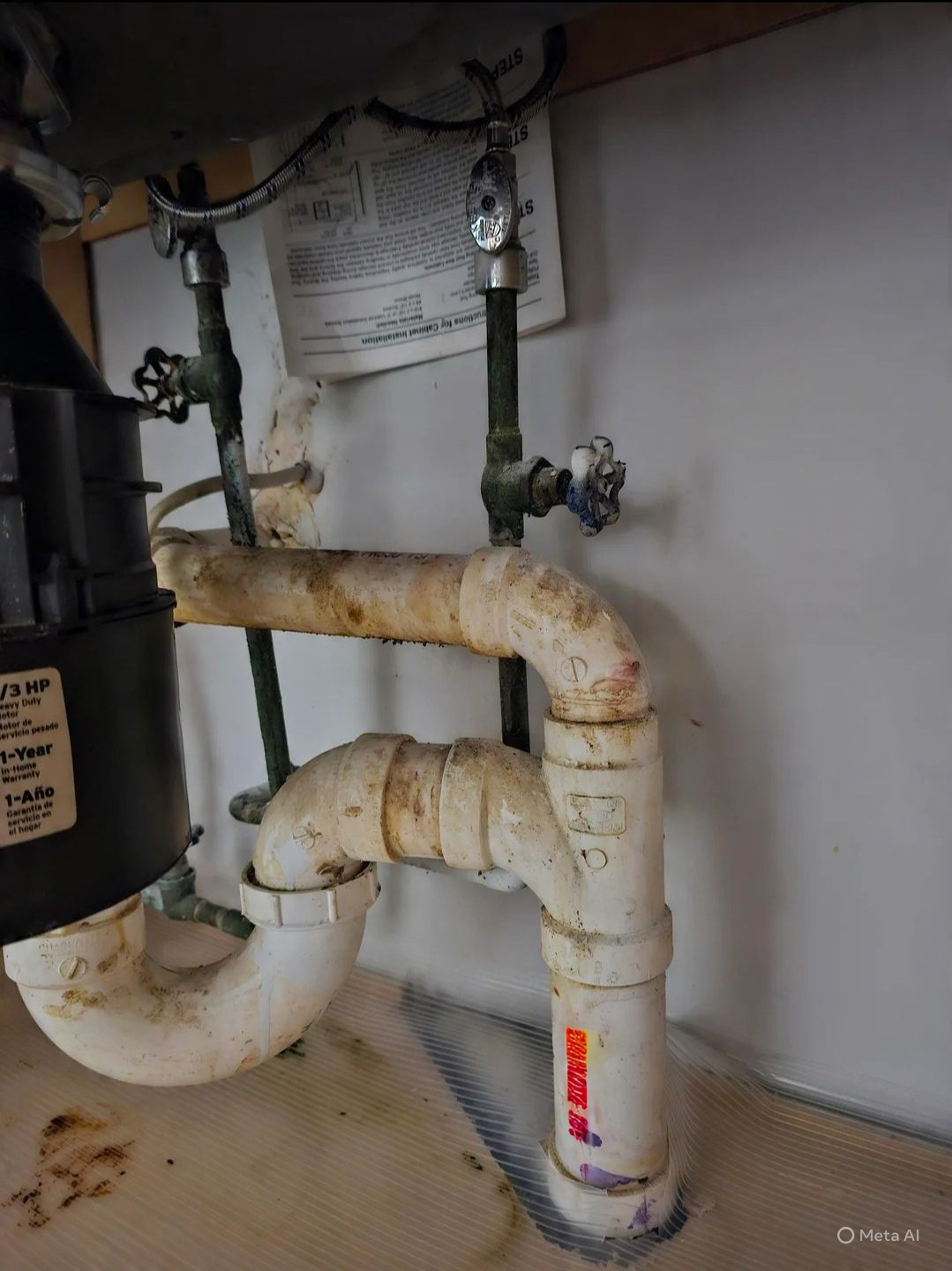
Credit: www.facebook.com
Common Causes Of Kitchen Sink Odors
Bad smells under the kitchen sink are common and annoying. They often come from simple problems that anyone can fix. Knowing the cause helps you stop the odor fast. Here are the usual reasons for those smells.
Trapped Food Debris
Small food pieces often get stuck in the sink drain. Over time, they rot and cause bad smells. Leftover scraps in the trap or pipes create a perfect place for bacteria. Cleaning out the debris regularly keeps the area fresh.
Mold And Mildew Growth
Dark, damp spaces under the sink are perfect for mold and mildew. These fungi produce a musty, unpleasant odor. Water leaks or spills make the problem worse. Wiping surfaces dry and improving ventilation helps stop growth.
Clogged Drain Pipes
Drain pipes can clog with grease, soap, and food waste. Stagnant water and buildup create smelly gases. This causes a foul odor to come from the sink. Clearing the pipes often removes the smell quickly.
Leaky Garbage Disposal
A leaking garbage disposal can cause water to pool under the sink. This creates a damp environment that smells bad. Waste trapped inside the disposal also rots and smells foul. Fixing leaks and cleaning the disposal prevents odors.
Sewer Gas Backflow
Sewer gases sometimes flow back into the kitchen through the drain. This happens if the drain trap is dry or broken. The smell is strong and unpleasant, like rotten eggs. Keeping the trap filled with water blocks sewer gases.
Identifying The Source Of The Smell
Identifying the source of a foul smell under your kitchen sink can save you time and unnecessary repairs. The odor often signals trapped food, leaks, or clogged pipes. Pinpointing the exact cause helps you address the problem quickly and prevents it from coming back.
Inspecting The P-trap
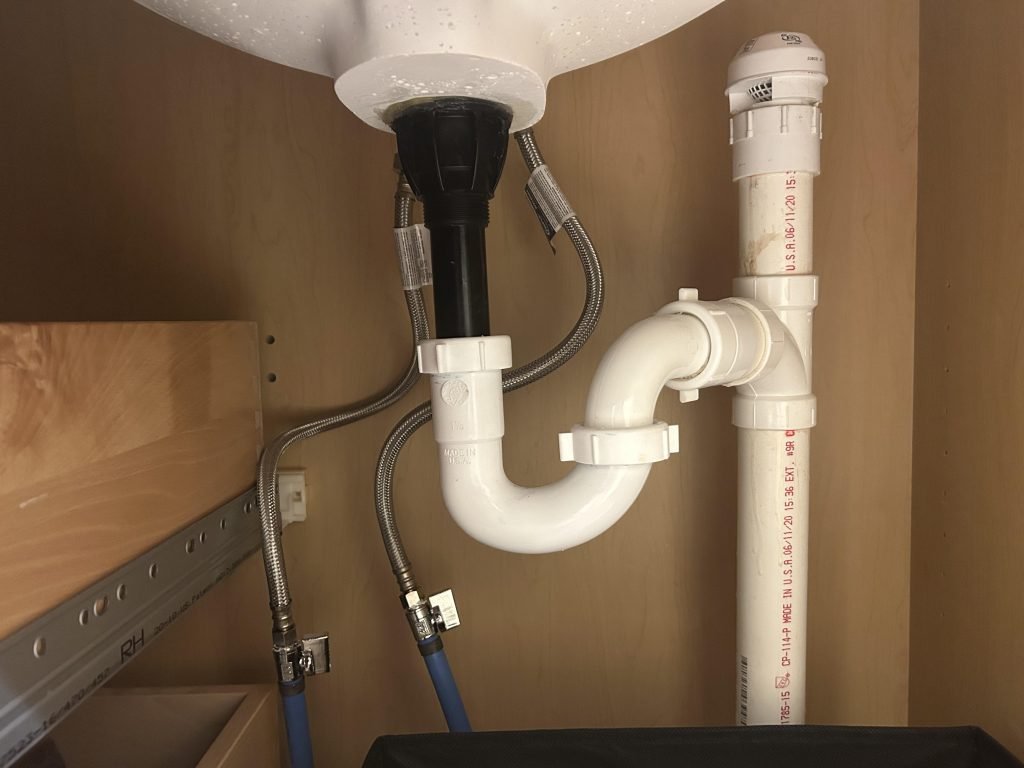
The P-trap is the curved pipe beneath your sink designed to hold water and block sewer gases from coming inside. Over time, debris like food particles and grease can build up in the trap, causing a bad smell.
Try removing the P-trap and checking for any sludge or blockages. Sometimes, a simple rinse with hot water and a brush clears the smell. Have you ever been surprised by what you find stuck in this hidden spot?
Checking The Garbage Disposal
Your garbage disposal can be a major culprit if it’s not cleaned regularly. Leftover food often gets stuck inside, starts to rot, and creates a stinky environment.
Run the disposal with cold water and add lemon peels or baking soda to freshen it up. If the smell lingers, inspect the underside of the disposal unit for leaks or trapped food. Does your disposal smell worse after heavy cooking sessions?
Examining The Drain Pipe
Drain pipes can harbor mold, mildew, or even pests if moisture and debris accumulate. These issues often cause persistent odors that linger no matter how much you clean the sink.
Check the drain pipe for any signs of buildup or corrosion. Flushing the drain with a mixture of vinegar and baking soda can help break down grime. Are you surprised how often blocked drains cause smells that seem to come from nowhere?
Looking For Leaks And Moisture
Leaks under your sink create a damp environment perfect for mold and mildew, both of which produce unpleasant odors. Even a small drip can cause a big problem over time.
Use a flashlight to look for water stains, puddles, or mold patches. Touch the pipes and cabinet surfaces to detect moisture. Catching leaks early can prevent both smell and water damage. Have you checked for leaks recently, or only when the smell forced you to?
Effective Cleaning Methods
Dealing with a bad smell under your kitchen sink can be frustrating, but effective cleaning can quickly change that. The key is to target common sources of odors like trapped food, grease buildup, and stagnant water. Here are practical ways to refresh the area and keep your kitchen smelling clean.
Using Baking Soda And Vinegar
Baking soda and vinegar work wonders as a natural cleaning duo. Sprinkle baking soda generously under the sink, especially in corners and crevices where grime hides. Then, pour white vinegar over it and watch the fizzing reaction break down dirt and neutralize odors.
Let the mixture sit for 15-20 minutes before wiping it away with a damp cloth. This simple combination not only cleans but also deodorizes without harsh chemicals. Have you tried this trick before? It’s surprising how fresh your sink area can feel afterward.
Deep Cleaning The Garbage Disposal
Your garbage disposal is often the main culprit behind unpleasant smells. Start by running cold water and turning on the disposal to flush out food particles. Next, add a handful of ice cubes and a few lemon or orange peels, then run the disposal again to scrub the blades and leave a fresh scent.
For a deeper clean, pour half a cup of baking soda into the disposal followed by one cup of vinegar. Let it fizz for 10 minutes, then rinse with hot water. This routine stops odor-causing buildup and keeps your disposal running smoothly.
Removing And Cleaning The P-trap
The P-trap under your sink holds water to prevent sewer gases from rising, but it can also trap debris and cause smells. Carefully place a bucket underneath, then unscrew the P-trap. Empty out any gunk and wash it thoroughly with warm soapy water.
Inspect the trap for cracks or damage that might cause leaks or odors. Reinstall it securely to ensure proper function. Cleaning the P-trap might seem tedious, but it’s essential for eliminating the root cause of persistent smells.
Disinfecting The Area Under The Sink
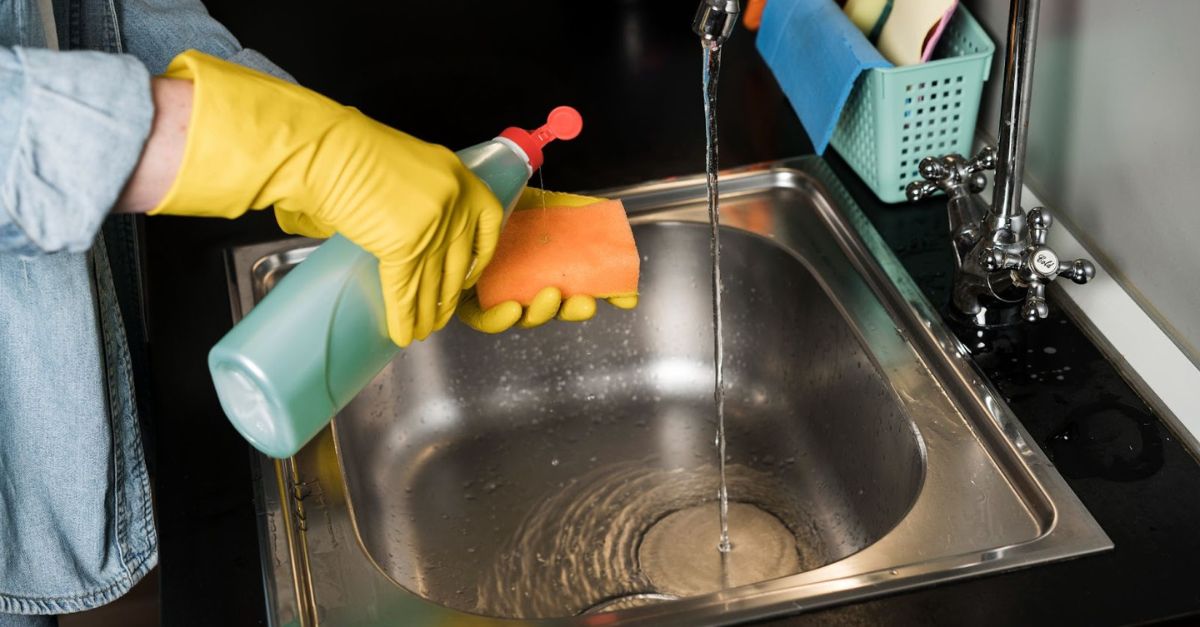
After removing grime and debris, disinfecting the area kills lingering bacteria and mold. Use a household disinfectant spray or a bleach solution diluted according to the label’s instructions. Wipe all surfaces, including cabinet walls and pipes.
Allow the area to dry completely to prevent mold growth. Regularly disinfecting can stop smells before they start and create a healthier environment in your kitchen. How often do you check under your sink for cleanliness?
Credit: www.vevor.com
Preventing Future Odors
Preventing future odors under your kitchen sink is all about adopting smart habits and simple fixes. A foul smell is often a sign that something is off, but you can stop it before it starts. Taking a proactive approach saves you from constant scrubbing and the embarrassment of unexpected kitchen smells.
Proper Waste Disposal Habits
You might be surprised how much waste habits impact odors. Avoid dumping grease, coffee grounds, or fibrous food scraps down the drain—they tend to clog pipes and create a breeding ground for bacteria.
Instead, scrape leftovers into the trash or compost bin. Think about what you’re putting down the drain every day. Could changing just one habit reduce the smell?
Regular Maintenance Tips
Regular cleaning keeps odors at bay. Wipe down the cabinet floor and walls occasionally to catch spills and crumbs before they rot.
Flush the drain with hot water weekly and consider using a natural cleaner like baking soda and vinegar to break down buildup. Small maintenance actions can prevent big stink problems.
Installing Drain Filters
Drain filters are a simple tool that can make a huge difference. They catch food particles before they enter the pipes, reducing blockages and odors.
Choose a filter that fits your sink drain snugly and clean it regularly. Do you know how often your drain filter should be cleaned? Try setting a reminder to keep it fresh.
Ensuring Proper Ventilation
Airflow under your sink might seem unimportant, but it’s key to preventing damp, musty smells. If the cabinet is sealed tightly, moisture gets trapped and odors develop.
Leave the cabinet doors open occasionally or install a small vent to keep air moving. Have you checked how well-ventilated your sink area is lately?
When To Call A Professional
Knowing when to call a professional can save time and prevent damage. Some kitchen sink odors need expert attention beyond basic cleaning. Professionals have tools and skills to find hidden problems fast. Ignoring serious issues can lead to costly repairs or health risks. Watch for warning signs that signal a plumber’s help is needed.
Persistent Odors Despite Cleaning
Bad smells that stay after thorough cleaning suggest a deeper problem. Bacteria or mold may hide in pipes or traps. Simple household fixes might not reach these areas. Professionals use special equipment to clean and sanitize effectively. Persistent odors often mean the source is not obvious or easy to fix.
Signs Of Sewer Line Issues
Foul smells can come from sewer line problems under the house. Look for slow drains, gurgling sounds, or sewage backup. Sewer gases are dangerous and cause strong odors near the sink. A plumber can inspect and repair sewer lines safely. Early action prevents more serious damage to your home.
Major Plumbing Repairs Needed
Leaks, broken pipes, or damaged seals cause bad odors and water damage. Fixing these problems requires plumbing tools and experience. Attempting major repairs yourself can worsen the issue. A professional plumber ensures repairs are done correctly and lasting. Detecting major repairs early protects your home and health.

Credit: www.reddit.com
Frequently Asked Questions
Why Does My Kitchen Sink Smell Bad?
A bad smell under your kitchen sink often comes from trapped food debris. Moisture and bacteria buildup in the drain or pipes cause odors. Regular cleaning and ensuring proper drainage can prevent these smells.
How To Fix A Stinky Kitchen Sink Smell?
Start by cleaning the sink drain and garbage disposal. Use baking soda and vinegar to deodorize. Check for leaks or mold under the sink. Regular maintenance stops odor buildup and keeps the area fresh.
Can A Clogged Drain Cause Bad Smells?
Yes, clogged drains trap food particles and moisture. This creates a perfect environment for bacteria and mold to grow. Clearing the clog and cleaning the drain removes odors effectively.
Is Mold The Reason For Sink Odors?
Mold thrives in moist, dark areas like under kitchen sinks. It produces a musty smell and can cause health issues. Inspect and clean mold promptly to eliminate the bad odor.
Conclusion
Bad smells under the kitchen sink often come from leaks or old food scraps. Clean the area regularly to stop odors. Check pipes and garbage disposals for clogs or damage. Using baking soda or vinegar can help freshen the space.
Keep the sink dry and avoid letting food waste sit too long. Small steps keep your kitchen smelling clean and fresh. Take action today to enjoy a better-smelling home.
