
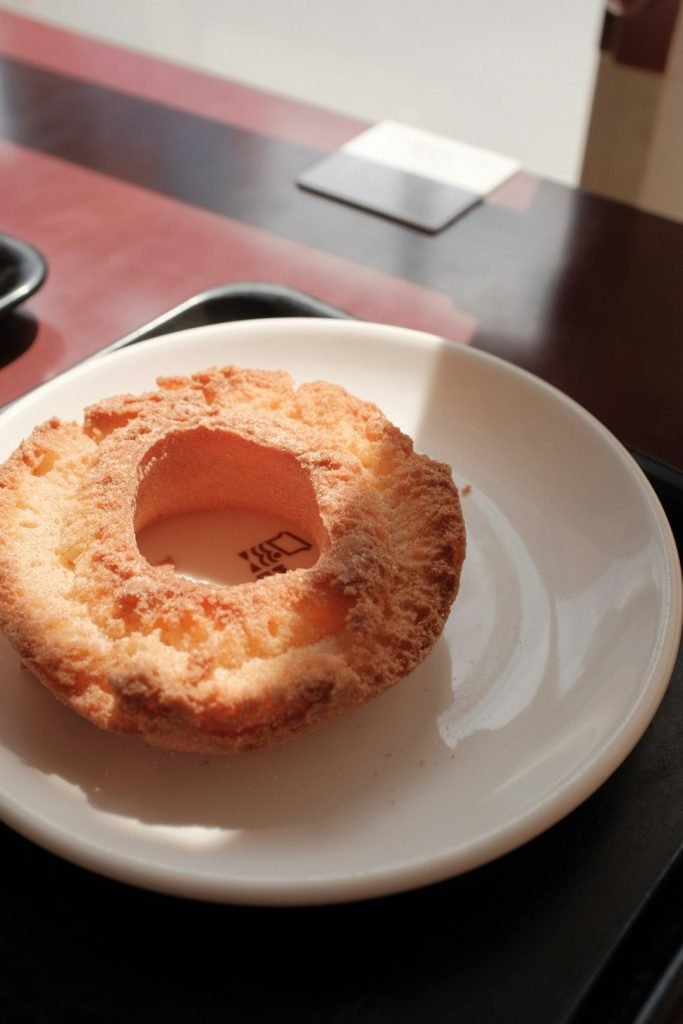
Are you puzzled by why your freshly fried doughnuts turn out hard and unappetizing? You’re not alone.
Many home bakers face this frustrating issue, dreaming of soft, fluffy doughnuts only to be met with disappointment. But don’t worry—understanding the reasons behind this common problem can lead you to the perfect solution. Imagine the satisfaction of biting into a warm, tender doughnut, just like the ones from your favorite bakery.
Wouldn’t that be amazing? We’ll uncover the secrets to achieving that delightful texture, ensuring every doughnut you fry is irresistible. Stick around to discover the simple tweaks that can transform your homemade treats from tough to terrific. Your doughnuts deserve to shine, and we’re here to help you make that happen.
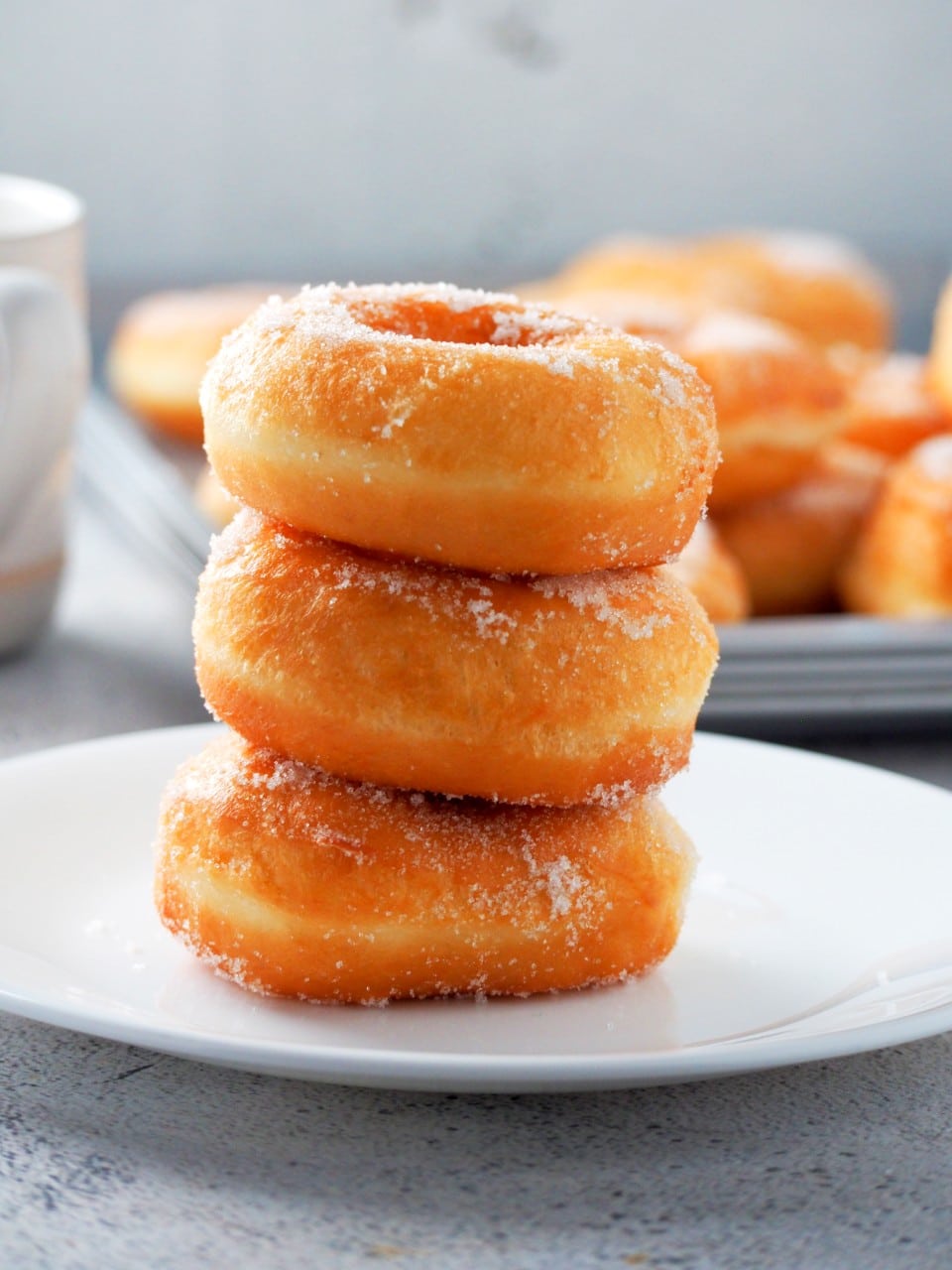
Credit: www.womanscribbles.net
Common Causes Of Hard Doughnuts
Is your doughnut hard after frying? It can be frustrating. Understanding the common causes can help you perfect your doughnut recipe. Several factors contribute to doughnuts turning hard. Let’s explore them.
Incorrect Dough Consistency
Wrong dough consistency affects texture. Too much flour makes doughnuts dense and hard. Not enough liquid can cause similar issues. The dough must be soft and elastic for perfect doughnuts.
Overmixing The Dough
Mixing too much develops gluten excessively. This makes doughnuts tough and chewy. Mix until ingredients are just combined. Avoid kneading vigorously, as it can lead to hard doughnuts.
Inadequate Proofing
Proofing allows dough to rise. Insufficient proofing results in dense doughnuts. A good rise ensures light and fluffy texture. Let the dough rise until it doubles in size.
High Frying Temperature
High temperature can turn doughnuts hard. It cooks the outside too fast, leaving the inside undercooked. Maintain an even temperature around 375°F. This helps achieve a golden and soft doughnut.
Ensuring Proper Dough Consistency
Nothing is more disappointing than biting into a hard doughnut. Often, the problem lies in the dough’s consistency. Getting it right is crucial for soft, fluffy doughnuts. Let’s explore how to ensure your dough achieves the perfect texture.
Balancing Wet And Dry Ingredients
Start with the right balance of wet and dry ingredients. Too much flour makes doughnuts dense. Excess liquid can cause them to be greasy. Measure ingredients accurately for the best results. Use a kitchen scale for precision. Mix until the dough is smooth but not sticky.
Choosing The Right Flour
Flour choice impacts doughnut texture. All-purpose flour is a common choice. It provides a good balance for most recipes. Bread flour offers more structure but can be too chewy. Cake flour creates a lighter texture. Choose based on your desired outcome.
Adjusting For Humidity
Humidity affects flour absorption. On humid days, dough may need less liquid. Conversely, dry conditions might require more. Feel the dough with your hands. It should be soft and pliable. Adjust ingredients as needed to maintain consistency.
Techniques To Avoid Overmixing
Making doughnuts can be a delightful experience, but hard doughnuts after frying can be disappointing. One key reason for tough doughnuts is overmixing the dough. Overmixing can develop too much gluten, making the dough dense and chewy. Let’s explore techniques to avoid overmixing.
Mixing Until Just Combined
Mixing the dough until just combined helps prevent gluten formation. Stir the ingredients gently. Use a spatula or spoon to fold the mixture. Stop mixing when the flour disappears. This keeps the dough soft and airy.
Using The Right Tools
Choosing the right tools makes a big difference. Use a spatula instead of a whisk. A spatula is gentle on dough. It folds ingredients without overworking. Electric mixers can be too strong. Manual mixing gives you more control.
Recognizing The Signs Of Overmixing
Recognizing signs of overmixing is crucial. Overmixed dough is sticky and stretchy. It feels tough and elastic. The dough may not rise well. Hard doughnuts are often the result. Stop mixing if the dough feels dense.

Credit: www.anasbakingchronicles.com
The Importance Of Proper Proofing
Have you ever bitten into a doughnut expecting a soft, fluffy texture only to be met with disappointment? If your doughnuts are hard after frying, the culprit could be improper proofing. Proofing is that crucial stage where your dough transforms from dense to airy. It’s the secret behind that perfect doughnut texture. Without it, your doughnuts might resemble hockey pucks rather than delicious treats.
Creating An Ideal Proofing Environment
Temperature is key to successful proofing. Dough thrives in warm environments, but not too hot. A little trick I learned was placing dough near a slightly warm oven or covering it with a damp towel. These methods can create the ideal cozy atmosphere for your dough to rise.
Humidity also plays a role. Dry air can hinder dough expansion. Consider using a bowl of warm water or a humidifier to keep the air moist. Have you ever tried proofing your dough in the bathroom after a hot shower? The steam creates a perfect proofing sanctuary!
Timing The Proofing Stage
Proofing isn’t just about creating the right environment; it’s also about timing. Leaving dough to rise for too long can lead to overproofing, resulting in a flat doughnut. On the other hand, underproofed dough can be dense and heavy.
Set a timer or keep an eye on the dough’s volume. A general rule is to let it double in size. But what happens if you’re interrupted? Note the dough’s progress and adjust accordingly. It’s not just about waiting; it’s about watching.
Recognizing When Dough Is Ready
How do you know when your dough is ready to fry? Look for signs like a slight jiggle when you shake the tray. Another method is the finger poke test: gently press the dough, and if it springs back slowly, it’s ready.
Understanding these indicators can transform your doughnut-making experience. Pay close attention to the dough’s texture and elasticity. Have you ever noticed how your dough feels different on different days? That’s your cue!
Next time you fry doughnuts, consider how proofing impacts the final product. What adjustments can you make to perfect your process? Whether it’s tweaking your environment or timing, small changes can make a big difference in your doughnut’s texture. Happy frying!
Managing Frying Temperature
Frying doughnuts at the wrong temperature often makes them hard. High heat cooks the outside too quickly, leaving the inside raw. Adjusting the frying temperature ensures doughnuts are soft and fluffy.
Managing frying temperature is crucial for achieving the perfect doughnut texture. If you’ve ever bitten into a hard doughnut, you know the disappointment. The culprit often lies in how the doughnuts are fried. Proper temperature control can transform your doughnuts from dense and hard to light and fluffy. Let’s dive into some practical tips for managing frying temperature.Choosing The Right Oil
Choosing the right oil can make all the difference. Not all oils are created equal. You want an oil with a high smoke point to withstand the heat without burning. Vegetable, canola, and sunflower oils are great options. They offer neutral flavors, ensuring the doughnut’s taste isn’t compromised. Check the label and pick an oil that suits your frying needs.Using A Thermometer
Using a thermometer can be your secret weapon. Eyeballing the oil temperature often leads to mishaps. Invest in a good kitchen thermometer. It helps you maintain the perfect frying temperature, usually around 350°F (175°C). This ensures the doughnuts cook evenly, preventing the outer layer from hardening while the inside remains uncooked. It’s a small tool, but it makes a big difference.Adjusting Heat Levels
Adjusting heat levels requires attention and practice. Start by heating the oil to your desired temperature. Once you begin frying, you might notice the temperature drops. Don’t panic—just adjust the heat accordingly. Keep an eye on the thermometer and tweak the stove settings. This constant vigilance ensures consistent results. Have you ever wondered why some doughnuts are golden brown and others are pale? It’s all about heat management. Managing frying temperature is an art, but it’s one that you can master with practice. Next time you’re frying doughnuts, remember these tips to avoid the dreaded hard doughnut scenario.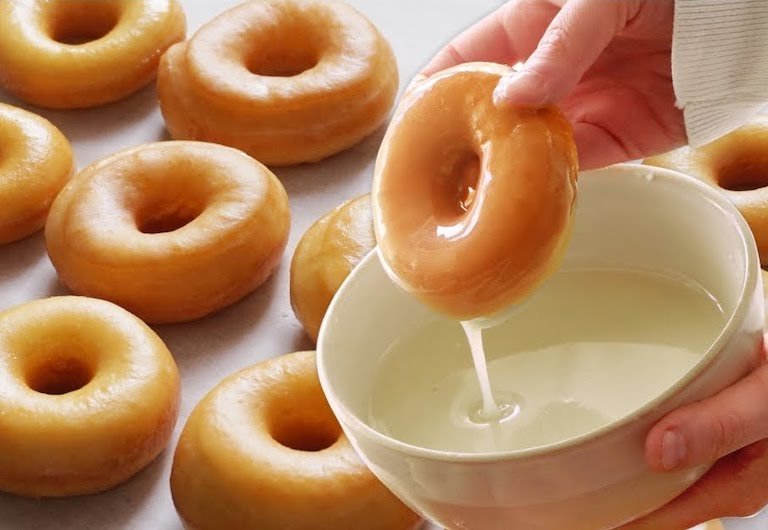
Credit: www.emmafontanella.com
Expert Tips For Perfect Doughnuts
Creating the perfect doughnut is an art. Many struggle with doughnuts turning hard after frying. The secret lies in mastering a few essential techniques. With expert tips, you can ensure soft and fluffy doughnuts every time. Let’s explore some key strategies.
Testing Doughnuts Before Large Batches
Always test a small batch first. This helps identify potential issues early. Adjust the dough or frying method based on the test. It saves you from ruining a large batch.
Cooling And Storing Techniques
Proper cooling ensures doughnuts stay soft. Place them on a wire rack immediately after frying. This prevents sogginess from trapped steam. Store them in an airtight container once cooled. This keeps them fresh for longer.
Experimenting With Different Recipes
Doughnut recipes vary widely. Some might work better in your kitchen. Try recipes with different ingredients and methods. Note the ones that yield the best results. This experimentation is key to finding your perfect doughnut recipe.
Frequently Asked Questions
Why Are My Doughnuts Hard After Frying?
Hard doughnuts often result from over-kneading the dough, which develops too much gluten. This makes them tough. Using too much flour can also cause this issue. Ensure that the dough is not too dry and avoid overworking it to keep your doughnuts soft and fluffy.
How Does Oil Temperature Affect Doughnuts?
Oil temperature is crucial when frying doughnuts. If the oil is too hot, the doughnuts cook too quickly on the outside, leaving them hard. Conversely, if the oil is too cold, they absorb excess oil, becoming greasy and dense. Maintain oil temperature between 350°F and 375°F for best results.
Can Dough Resting Time Impact Texture?
Yes, resting time significantly impacts doughnut texture. Allowing the dough to rest gives the gluten time to relax, resulting in a softer texture. Skipping or shortening this resting period can lead to denser, harder doughnuts. Ensure your dough rests for at least an hour for optimal results.
Does Yeast Quantity Affect Doughnut Softness?
The amount of yeast directly affects doughnut softness. Using too little yeast can lead to insufficient rise, resulting in dense, hard doughnuts. Conversely, too much yeast can cause the dough to overproof, affecting texture. Follow recipe guidelines for yeast quantities to achieve perfect softness.
Conclusion
Understanding why doughnuts turn hard helps improve your baking skills. Fresh ingredients matter. Always measure accurately. Monitor oil temperature closely. Too hot? Doughnuts cook too fast. Too cold? They absorb more oil. Both lead to hard doughnuts. Kneading well is crucial.
Over-kneading makes dough tough. Let doughnuts cool properly. Rushing this step affects texture. Practice and patience are key. Experiment with techniques until you find what works. Enjoy the process. With time, your doughnuts will turn out soft and delicious. Keep trying.
Your perfect doughnut is just a recipe tweak away!
