
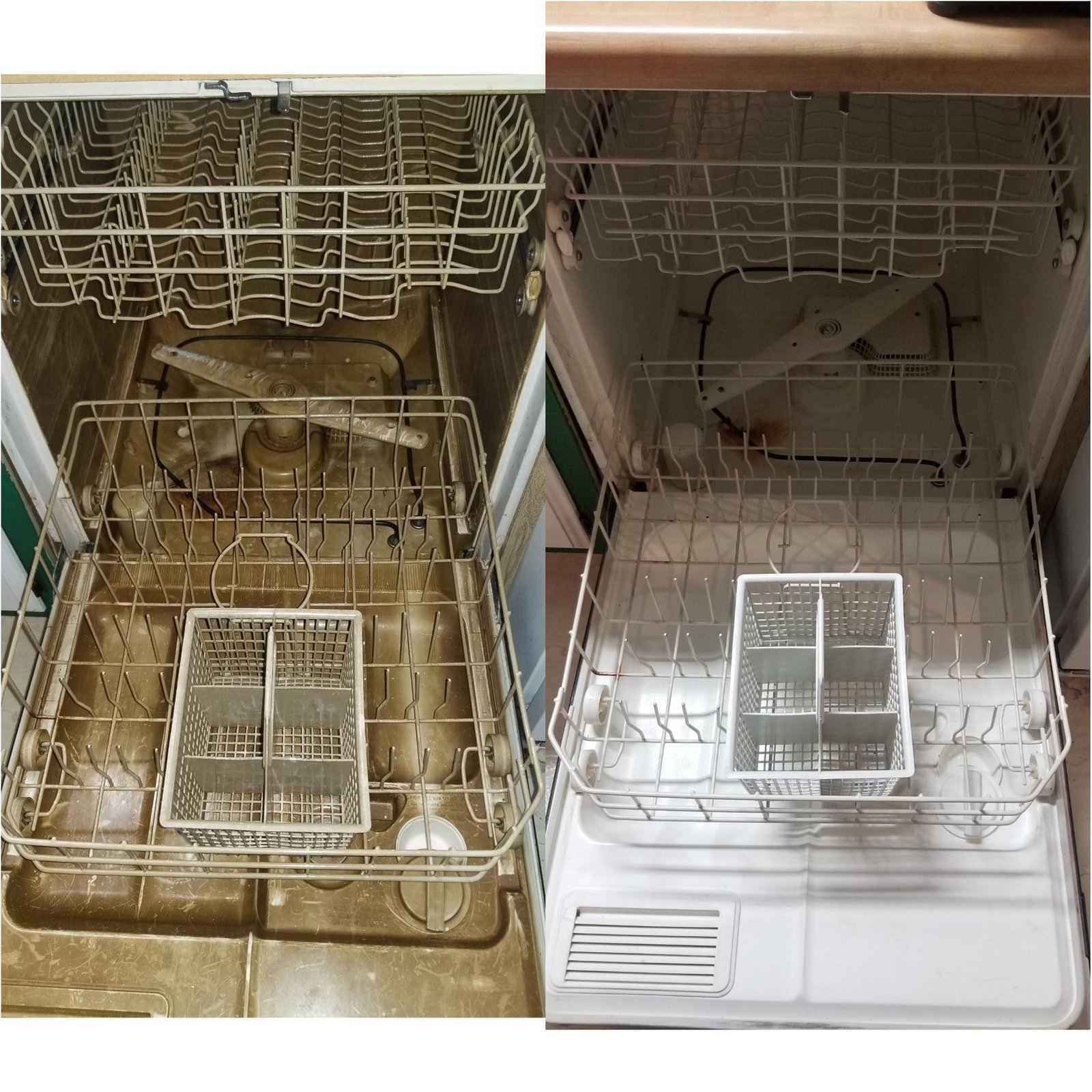
Are you tired of pulling cloudy glasses and spotty dishes out of your dishwasher? If so, hard water buildup might be the culprit.
This common issue not only affects the cleanliness of your dishes but also hampers the efficiency of your dishwasher. Imagine opening your dishwasher to find sparkling clean dishes every time – it’s possible! By learning how to effectively tackle hard water deposits, you can save time, reduce frustration, and even extend the lifespan of your appliance.
In this guide, we’re diving into straightforward, foolproof methods to help you clean that stubborn buildup and restore your dishwasher’s optimal performance. Ready to transform your dishwashing experience? Let’s get started!

Credit: www.mom4real.com
Signs Of Hard Water Build-up
White spots on dishes or a cloudy film on glassware signal hard water build-up in your dishwasher. Stubborn mineral deposits can clog spray arms, reducing cleaning efficiency. Regular cleaning helps maintain your dishwasher’s performance and prolong its lifespan.
When your dishes come out of the dishwasher looking cloudy or with a chalky residue, it might not just be your detergent’s fault. Hard water build-up could be the culprit. This pesky problem not only affects the appearance of your dishes but can also reduce your dishwasher’s efficiency. Learning to recognize the signs of hard water build-up is the first step in tackling it.1. Cloudy Glassware
Have you noticed your glassware emerging from the dishwasher looking cloudy instead of sparkling? This is a common sign of hard water build-up. Calcium and magnesium deposits cling to your glasses, leaving them with a cloudy film that’s hard to ignore.2. White Residue On Dishes
Finding a white, chalky residue on your plates and cutlery is another indication of hard water issues. This residue isn’t just unsightly; it can make your dishes feel gritty to touch. Consider switching to a detergent specifically formulated for hard water if you see this.3. Soap Scum Inside The Dishwasher
Open your dishwasher and inspect the interior. If you see soap scum or mineral deposits on the walls or the door, that’s a red flag. This build-up can be stubborn and may lead to more serious plumbing issues if left unchecked.4. Reduced Water Pressure
Notice any changes in how your dishwasher runs? Reduced water pressure can be a hidden sign of mineral build-up in the pipes or spray arms. This can impact how well your dishwasher cleans, leaving you with less-than-satisfactory results.5. Increased Energy Bills
Are you scratching your head over rising energy bills? Hard water build-up can make your dishwasher work harder, using more energy to heat water and clean effectively. Checking your energy usage might reveal this sneaky issue.6. Frequent Dishwasher Repairs
If your dishwasher seems to be breaking down more often, hard water could be to blame. Mineral deposits can damage the heating element and other components, leading to costly repairs. Regular maintenance and using water softeners could save you from these headaches. Identifying these signs early can save you time and money. Have you noticed any of these symptoms in your dishwasher? Maybe it’s time to give it some much-needed attention. A little effort can go a long way in preserving your appliance and ensuring your dishes come out spotless every time.Essential Cleaning Supplies
Cleaning hard water build-up in your dishwasher can seem daunting. But with the right supplies, it’s manageable. Gather these essentials to tackle the mineral deposits effectively. Equip yourself with the following tools and materials to ensure a clean and efficient dishwasher.
White Vinegar
White vinegar is a natural cleaner. It dissolves minerals left by hard water. It’s safe for your dishwasher and your dishes. Use it regularly to prevent build-up.
Baking Soda
Baking soda is another key cleaning agent. It helps scrub away grime and stains. It also neutralizes odors, leaving your dishwasher fresh. Combine it with vinegar for a powerful cleaning duo.
Lemon Juice
Lemon juice works wonders on stubborn stains. Its acidity breaks down mineral deposits. It also leaves a pleasant, fresh scent. Use it as an alternative to vinegar or alongside it.
Soft Brush
A soft brush is crucial for scrubbing. It reaches into nooks and crannies. Ensure it’s gentle to avoid scratching surfaces. A toothbrush can serve this purpose well.
Microfiber Cloth
A microfiber cloth helps wipe away loosened debris. It’s lint-free and absorbs well. Use it to polish and dry surfaces. It leaves your dishwasher spotless and gleaming.
Gloves
Gloves protect your hands during cleaning. They keep your skin safe from harsh substances. Choose a pair that fits snugly. This ensures you maintain a good grip.
Step-by-step Cleaning Guide
Remove hard water build-up in your dishwasher with this simple guide. Vinegar and baking soda work wonders in clearing stubborn residue. Regular cleaning ensures sparkling dishes and a longer-lasting appliance.
Cleaning hard water build-up in your dishwasher might feel like a daunting task, but with a clear step-by-step guide, you’ll find it surprisingly straightforward. Hard water deposits can lead to inefficient dishwashing and even damage your appliance over time. Let’s dive into the cleaning process to restore your dishwasher to its optimal performance.Preparing The Dishwasher
Start by removing all dishes and utensils from the dishwasher. This gives you full access to the interior surfaces and ensures no item gets damaged during cleaning. Inspect the dishwasher racks and spray arms. If there are visible mineral deposits, you’ll know exactly where to target your cleaning efforts. Next, remove any detachable parts, like the utensil holder or racks. This makes cleaning those areas easier and allows you to reach hidden spots.Using Vinegar And Baking Soda
Gather vinegar and baking soda, your trusty cleaning companions. Vinegar is excellent for dissolving mineral deposits, while baking soda tackles odors. Pour a cup of vinegar into a dishwasher-safe bowl and place it on the top rack. Vinegar’s acidity will work its magic on the hard water stains. Then, sprinkle half a cup of baking soda across the bottom of the dishwasher. Baking soda will freshen up the interior as it cleans.Scrubbing Stubborn Spots
Sometimes, mineral deposits need a bit of elbow grease. Use a soft brush or old toothbrush for scrubbing stubborn spots. Focus on the spray arms and utensil holders, as these areas tend to accumulate the most deposits. For tougher spots, try adding a bit of vinegar directly to the brush. You’ll notice the build-up loosening as you scrub.Running A Cleaning Cycle
Once you’ve scrubbed all visible stains, it’s time for a cleaning cycle. Choose the hottest cycle on your dishwasher to maximize the cleaning effect. Let the vinegar and baking soda mix circulate through the machine. This step ensures that even hidden deposits are addressed. After the cycle finishes, inspect the dishwasher again. You’ll likely see a significant improvement, and your dishwasher will be ready to tackle any load with renewed efficiency.Are you surprised by how easy it is to tackle hard water build-up? Try this method, and your dishwasher will thank you with sparkling clean dishes every time.

Credit: www.mom4real.com
Preventing Future Build-up
Hard water can leave stubborn deposits in your dishwasher. These deposits can affect its performance. Taking steps to prevent build-up can save you trouble. Regular care and smart choices can keep your dishwasher running smoothly.
Regular Maintenance Tips
Run an empty cycle with vinegar monthly. Vinegar breaks down mineral deposits. Check filters and remove debris weekly. Clean spray arms to keep water flowing freely. Regular checks can prevent issues from escalating.
Using Water Softener
Install a water softener to reduce mineral content. Softened water prevents hard deposits from forming. It’s a long-term solution for reducing build-up. Consult a professional for installation advice.
Choosing The Right Detergent
Select detergents designed for hard water. These detergents can break down minerals effectively. Avoid using more detergent than necessary. Excess detergent can lead to residue build-up. Read labels to ensure compatibility with your dishwasher.
When To Seek Professional Help
Seeking professional help becomes necessary when DIY methods fail to remove hard water build-up in your dishwasher. Persistent mineral deposits may require expert cleaning solutions to restore optimal performance and prevent damage.
Cleaning hard water build-up in your dishwasher can be a straightforward task. However, sometimes the problem might be larger than expected. Knowing when to seek professional help can save you time and prevent further damage. It’s crucial to recognize the signs that indicate a more serious issue that needs expert intervention.Signs That You Need Professional Assistance
If your dishwasher isn’t cleaning as it should, despite regular maintenance, it could be time to call a professional. Persistent residue or spots on your dishes may signal a bigger problem. Unusual noises during operation can also indicate that there’s something wrong internally. A professional can quickly diagnose and fix the issue.When Diy Solutions Don’t Work
You’ve tried all the DIY tricks, like vinegar rinses and scrubbing with baking soda, but the build-up won’t budge. This might mean the hard water has caused damage beyond what home remedies can fix. Consider how long you’ve been battling this problem. If it’s been months with no improvement, professional help could be your best option.Assessing The Cost Vs. Benefit
Think about the cost of continued DIY attempts versus hiring a professional. Is it worth your time and effort to keep trying on your own? Sometimes, investing in expert help can save you money in the long run by preventing further damage and extending the life of your dishwasher.What Can Professionals Offer?
Professionals have tools and expertise that you might not. They can thoroughly clean and repair your dishwasher, addressing issues you might not even be aware of. They can also offer advice on preventing hard water build-up in the future, helping you keep your appliance in top shape.Questions To Consider
Are you spending more time cleaning your dishwasher than using it? Is the build-up affecting your dishwasher’s performance or your dishes’ cleanliness? Would professional intervention offer peace of mind and better results?Personal Experience Insight
Once, my dishwasher was constantly leaving a white film on my dishes. Despite trying every home remedy, the problem persisted. I finally called in a professional, who discovered mineral deposits had clogged the spray arms. After a thorough cleaning, my dishwasher worked perfectly again. Recognizing when to seek professional help can make all the difference in maintaining your dishwasher’s efficiency. Don’t hesitate to reach out for expert assistance when needed. Your time and peace of mind are worth it!
Credit: rehabitathome.com
Frequently Asked Questions
How To Break Down Hard Water Buildup In Dishwasher?
Use vinegar to break down hard water buildup in your dishwasher. Pour a cup of vinegar into a dishwasher-safe bowl, place it on the top rack, and run a hot water cycle. This method effectively removes mineral deposits and maintains dishwasher efficiency.
Regular cleaning prevents future buildup.
How Do You Get Rid Of Thick Limescale In The Dishwasher?
Clean limescale in your dishwasher by using white vinegar. Pour one cup into the bottom and run a hot cycle. For stubborn buildup, sprinkle baking soda and scrub gently. Regular maintenance prevents further deposits.
What Is The Best Dishwasher Cleaner For Hard Water Build Up?
Finish® Dishwasher Cleaner is highly recommended for hard water build-up. It effectively removes limescale and grease. Use monthly for optimal results. Keep your dishwasher performing efficiently with this trusted cleaner.
Can Hard Water Ruin Your Dishwasher?
Hard water can damage your dishwasher by causing mineral buildup. It can reduce efficiency and lifespan. Use a water softener or dishwasher cleaner to prevent this. Regular maintenance helps avoid costly repairs. Protect your dishwasher for optimal performance and longevity.
Conclusion
Cleaning hard water build-up in your dishwasher is essential. Regular maintenance keeps your dishwasher efficient. Simple steps can prevent costly repairs. Use vinegar or baking soda to tackle mineral deposits. These household items are effective and safe. Run empty cycles with vinegar occasionally.
This helps dissolve stubborn residue. Check the filter and spray arms frequently. They need proper cleaning too. Regular upkeep avoids build-up and enhances performance. Keep your dishwasher running smoothly with these easy tips. Enjoy clean dishes and a reliable appliance every day.
