
Have you ever glanced at the ingredient list on your store-bought dishwasher soap and wondered what exactly you’re putting on your dishes? Or maybe you’ve run out of soap at the worst possible time, with a pile of dirty dishes staring you down.
Good news—making homemade dishwasher soap is simpler than you might think. Not only can it be more cost-effective, but it also allows you to control what goes into cleaning your dishes. Imagine the satisfaction of using a product that you crafted yourself, knowing it’s both safe and effective.
By the end of this article, you’ll be equipped with a straightforward recipe and tips to ensure your dishes come out sparkling clean every time. Ready to transform your dishwashing routine with a personal touch? Let’s dive in!
Benefits Of Homemade Dishwasher Soap
Creating homemade dishwasher soap offers multiple advantages. It is cost-effective and reduces chemical exposure in your kitchen. Mixing common ingredients like baking soda, salt, and vinegar, you can craft a simple, effective cleaner.
Making your own dishwasher soap can be a game-changer for your kitchen routine. It allows you to take control of what goes into your cleaning products. You can avoid harsh chemicals while saving money. Plus, there’s a certain satisfaction in knowing you made something yourself. Are you ready to embrace the benefits of homemade dishwasher soap?Cost-effective Solution
One of the biggest advantages of creating your own dishwasher soap is the cost savings. Store-bought detergents can be pricey, especially if you opt for eco-friendly brands. By using simple ingredients like baking soda and vinegar, you significantly reduce your expenses. Imagine putting that extra cash towards something you truly enjoy!Eco-friendly Choice
Homemade dishwasher soap is a win for the environment. Commercial detergents often contain phosphates and other harmful chemicals. These can end up in our water systems, harming aquatic life. By choosing homemade, you cut down on pollution. Isn’t it wonderful to clean your dishes and protect the planet at the same time?Customizable Formula
Another perk of homemade soap is the ability to customize. You can adjust the formula to suit your needs. Add essential oils for a pleasant fragrance or skip them if you prefer scent-free. If you have hard water, tweak the recipe for better results. How empowering is it to tailor your cleaning products just the way you want?Skin-friendly Option
Commercial soaps can sometimes irritate your skin. If you have sensitive skin, homemade dishwasher soap might be the solution. Using natural ingredients reduces the risk of allergic reactions. Think about how comforting it is to wash dishes without worrying about your skin breaking out.Reliability And Effectiveness
You might wonder if homemade soap really works. The answer is yes! With the right combination of ingredients, it can clean as effectively as store-bought options. Many people find their dishes come out sparkling clean. Isn’t it reassuring to know you don’t have to compromise on quality when you go homemade? Embrace the DIY spirit and start making your own dishwasher soap. It’s rewarding in more ways than one! Have you tried it yet?Essential Ingredients
Making your own dishwasher soap can save money and reduce waste. Understanding the essential ingredients is key. These natural components clean dishes effectively. They are safe for the environment. Let’s explore what makes homemade dishwasher soap work.
Natural Cleaning Agents
Natural cleaning agents play a crucial role. Baking soda is popular. It removes stains and odors. Citric acid helps break down grease. Essential oils add fragrance. Lemon or orange oils are common choices.
Vinegar is another powerful cleaner. It cuts through grime and residue. These ingredients ensure your dishes are clean and fresh.
Eco-friendly Options
Eco-friendly options make homemade soap appealing. Castile soap is gentle and biodegradable. It’s made from plant oils. Borax is another choice. It enhances cleaning power. Borax is also environmentally safe.
Sodium carbonate, or washing soda, is effective. It softens water and improves cleaning. These ingredients are not harmful to the earth. They provide a guilt-free cleaning solution.
Tools Needed
Essential items for making homemade dishwasher soap include baking soda, washing soda, and salt. A container for mixing and storage is also necessary. These basic tools help create an effective cleaning solution.
Making homemade dishwasher soap is a fun and rewarding task, but it requires the right tools to ensure success. As you dive into this DIY project, you’ll need a few essential items to get started. These tools will make the process smooth and efficient, allowing you to create a soap that works wonders for your dishes.Measuring Utensils
Accurate measurements are crucial when making your own dishwasher soap. You don’t want to end up with a concoction that’s too weak or too harsh on your dishes. A set of measuring cups and spoons will help you get the proportions just right. If you’re like me, you’ve probably experienced the frustration of using the wrong amounts and ending up with a less effective product. Consistent use of proper measuring utensils ensures that your homemade soap is both effective and safe for your dishwasher.Mixing Equipment
Once you’ve gathered your ingredients, it’s time to mix them. For this, you’ll need a mixing bowl and a sturdy spoon or spatula. A glass or stainless steel bowl works best, as it won’t react with the ingredients. I remember using a plastic bowl once, and it retained a faint scent of the essential oils I used, which wasn’t ideal for my next baking session. Mixing thoroughly is key to achieving the right texture. A smooth blend ensures even distribution of the cleaning agents, providing a consistent clean for every load. Having the right tools at hand not only simplifies the process but also enhances the quality of your homemade dishwasher soap. Are you ready to transform your dishwashing routine with these simple tools? The satisfaction of using your creation is just a few steps away.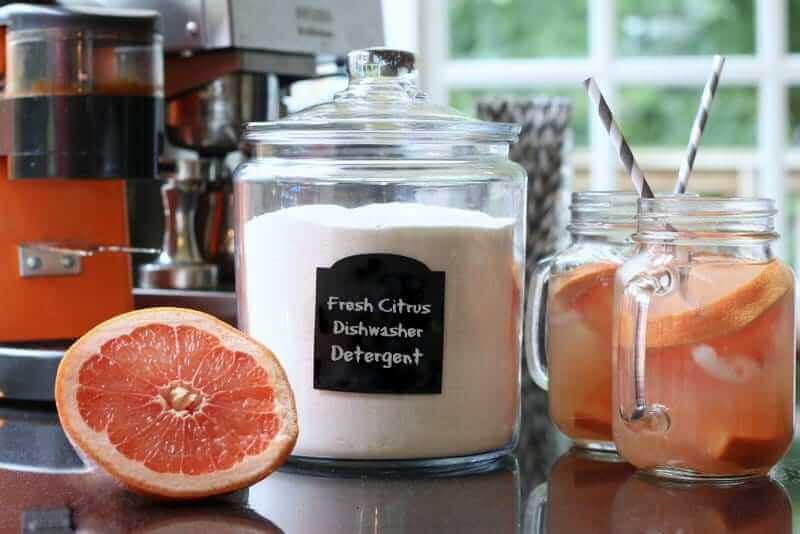
Credit: mommypotamus.com
Basic Dishwasher Soap Recipe
Creating your own dishwasher soap at home can be simple and cost-effective. A basic recipe uses ingredients that you might already have in your kitchen. This homemade solution can clean dishes effectively, leaving them sparkling. Say goodbye to harsh chemicals and hello to a natural, eco-friendly alternative.
Step-by-step Instructions
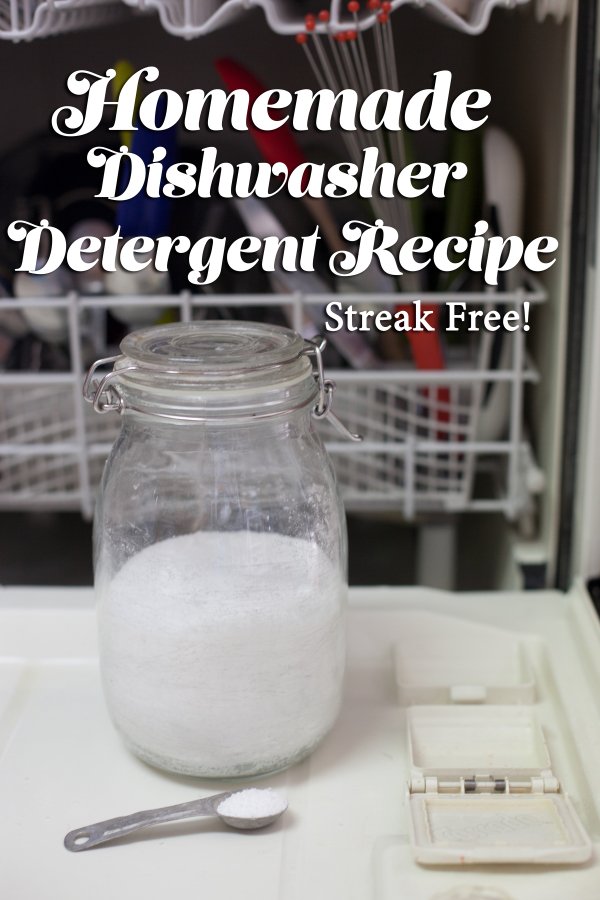
Start by gathering the necessary ingredients. You will need one cup of washing soda, one cup of baking soda, and half a cup of salt. Mix these dry ingredients in a large bowl. Add half a cup of citric acid to the mixture. Blend until it is well combined. For a pleasant scent, consider adding 10 drops of lemon essential oil. Stir thoroughly to integrate the oil evenly.
Store the mixture in an airtight container. Use one tablespoon per dishwasher load. This amount works well for most dishwashers, ensuring efficient cleaning. Adjust the quantity as needed based on your dishwasher’s performance.
Common Mistakes To Avoid
Don’t use too much soap in one cycle. It can lead to residue. Avoid using table salt in your recipe. It lacks the cleaning power of coarser salts. Ensure the mixture stays dry. Moisture can cause clumping, reducing effectiveness. Don’t forget to label your container. It prevents accidental misuse.
Alternative Recipes
Create homemade dishwasher soap with simple ingredients like baking soda, salt, and white vinegar. Mix them in equal parts to form a paste. Store in an airtight container for easy use.
Making your own dishwasher soap at home can be both fun and rewarding. It’s a chance to get creative and save some money while ensuring you know exactly what’s going into the products you use. You might be surprised at how simple it can be to whip up a batch that works just as well as the store-bought varieties. So, why not try some alternative recipes? They can add a fresh twist to your cleaning routine and may even become your favorite go-to solution.Citrus-infused Soap
Citrus fruits, with their natural acidity, can be a powerhouse in cleaning. Have you ever noticed how a fresh lemon scent can brighten your mood? Imagine that zesty aroma filling your kitchen while tackling dirty dishes. To make citrus-infused dishwasher soap, start with the zest of a lemon or orange. Combine it with baking soda, washing soda, and salt. Mix these ingredients until you achieve a fine powder. This blend not only smells fantastic but also helps cut through grease. The citrus oils work wonders in breaking down stubborn residue. You might find yourself looking forward to cleaning just to enjoy the fresh scent!Vinegar-based Formula
Vinegar is a versatile household staple. Its acidic nature makes it a formidable cleaner. You probably have a bottle sitting in your pantry right now. Why not put it to good use? To create a vinegar-based dishwasher soap, combine equal parts of vinegar and water. Add a few drops of your favorite essential oil for fragrance, if desired. This simple mixture can be poured directly into your dishwasher’s detergent compartment. The vinegar helps to dissolve grime and leaves your dishes sparkling. It’s an effective and eco-friendly option that might surprise you with its cleaning prowess. Does your current dishwasher soap leave spots behind? Try this recipe and see the difference for yourself. How do you feel about experimenting with homemade solutions? The joy of crafting something effective with your own hands can be incredibly satisfying. So, which recipe will you try first?
Credit: binkiesandbriefcases.com
Storage Tips
Making homemade dishwasher soap can save you money. It’s also a great way to avoid harsh chemicals. But, proper storage is crucial for maintaining its effectiveness. Knowing how to store your homemade soap ensures it stays fresh and works efficiently.
Proper Containers
Always use airtight containers for your homemade dishwasher soap. Glass jars with tight lids work well. Plastic containers can also be used if they seal tightly. Avoid using metal containers. They can react with the ingredients.
Label your containers. Include the date you made the soap. This helps in tracking freshness and usage.
Shelf Life Considerations
Homemade dishwasher soap has a limited shelf life. It typically lasts about three months. After this period, it might lose effectiveness.
Store your soap in a cool, dry place. Avoid areas with high humidity or temperature fluctuations. These conditions can affect the soap’s performance.
Check the soap before each use. If it smells off or has changed color, make a new batch.
Troubleshooting Common Issues
Creating homemade dishwasher soap is straightforward. Combine washing soda, borax, and citric acid for effective cleaning. Troubleshooting involves adjusting quantities if dishes appear cloudy or feel filmy after washing.
Making your own dishwasher soap can be a rewarding experience, but sometimes it doesn’t work as planned. You might encounter issues like residue on your dishes or lackluster cleaning performance. Don’t worry, though—most problems are easy to fix with a few adjustments. Let’s troubleshoot some common issues so you can get the most out of your homemade concoction.Residue Problems
If you find a white film or spots on your dishes, it might be residue from minerals in your water. Homemade dishwasher soap sometimes struggles with hard water. Consider adding a bit of vinegar to the rinse cycle. It acts as a natural rinse aid and helps dissolve any lingering soap or mineral deposits. Another cause could be too much soap. More isn’t always better in this case. Try reducing the amount you use per load. Sometimes, less soap provides a cleaner finish.Performance Enhancements
Noticed that your dishes aren’t as clean as you’d like? You might need to tweak your recipe. Adding a small amount of citric acid or lemon juice can boost cleaning power. They help break down food particles and grease effectively. Check your dishwasher’s temperature settings. Homemade soap might need slightly warmer water to activate fully. Ensure your machine is set to at least 120°F (49°C) for optimal results. Have you ever wondered if your dishwasher’s spray arms are doing their job? Blockages can impede performance. Inspect them for clogs and clean them out if necessary. This simple maintenance step can dramatically improve cleaning results. Are you ready to make your homemade dishwasher soap work like a charm? Implement these troubleshooting tips, and you’ll soon enjoy spotless, gleaming dishes every time.Cost Comparison
When it comes to cleaning your dishes, cost is often a significant factor in deciding between homemade and store-bought dishwasher soap. Understanding the financial impact can help you make a more informed choice. Let’s dive into the cost comparison between homemade and store-bought dishwasher soap.
Homemade Vs. Store-bought
Homemade dishwasher soap can save you money. A quick look at your pantry reveals inexpensive ingredients like baking soda and lemon juice. These are often cheaper than commercial products.
On the other hand, store-bought options vary widely in price. Premium brands charge a lot for specialized formulas. These costs add up over time.
Ever found yourself surprised by the price of your favorite brand at the checkout? Homemade soap can ease that sticker shock. It’s not just about saving money; it’s about making smart choices.
Long-term Savings
Consider your monthly budget. Do you notice how much is spent on cleaning supplies? Homemade soap offers long-term savings that can ease your financial burden.
Calculate the yearly cost of store-bought soap. Then compare it to the cost of ingredients for homemade soap. The difference can be significant.
Are you ready to make a change that will benefit your wallet? Investing a bit of time in making your own soap could lead to substantial savings.
Embracing homemade solutions not only impacts your wallet but also your lifestyle. Are you prepared to take control of your household expenses? Making homemade dishwasher soap might just be the perfect start.
Safety Precautions
Creating homemade dishwasher soap requires careful handling of ingredients. Use gloves to protect skin from irritation. Avoid direct inhalation of powdered substances to prevent respiratory discomfort.
Creating homemade dishwasher soap can be a rewarding and economical choice, but it’s essential to prioritize safety. While most ingredients are common household items, they still require careful handling. Understanding and implementing safety precautions will ensure your DIY project is both successful and risk-free. Here are some vital tips to keep you and your home safe while making dishwasher soap.Handling Ingredients Safely
When dealing with ingredients like baking soda, citric acid, or essential oils, safety is key. Always wear gloves to protect your skin from irritation. Citric acid, for instance, can cause minor skin irritation if handled excessively. Work in a well-ventilated area to prevent inhalation of powders. Mixing powders can release fine particles into the air, which can irritate your respiratory system. Store your ingredients and finished product in a safe place, out of reach of children and pets. You don’t want an accidental spill or ingestion happening on your watch.Environmental Considerations
Consider the impact of your ingredients on the environment. While homemade soap is generally eco-friendly, some components can still pose issues. Opt for biodegradable ingredients whenever possible. This choice helps reduce your carbon footprint and protects aquatic life. Reuse old containers to store your homemade soap. This not only saves money but also reduces plastic waste. Have you thought about how your small choices can make a big environmental impact? By following these safety precautions, you can enjoy the benefits of homemade dishwasher soap without any worries. Have you ever had a close call with DIY projects? Share your tips and tricks in the comments!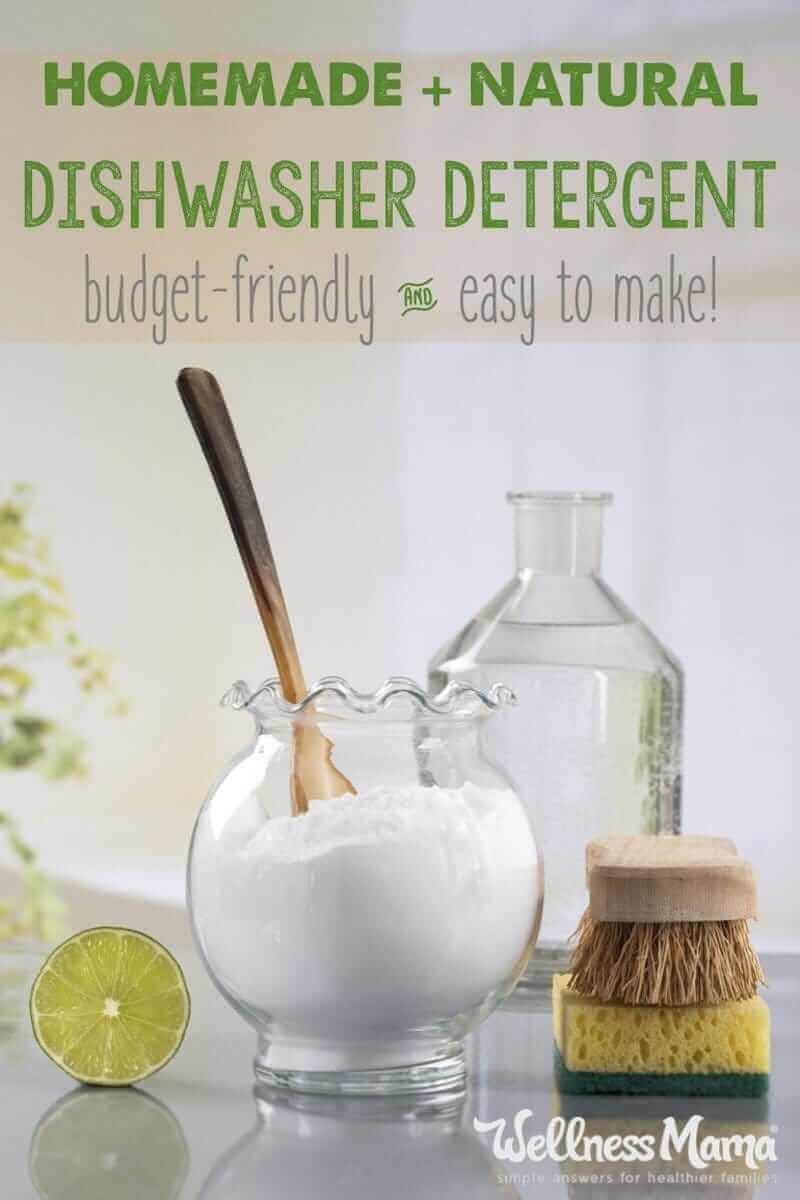
Credit: wellnessmama.com
Frequently Asked Questions
Can You Make Your Own Dishwasher Soap?
Yes, you can make your own dishwasher soap using natural ingredients. Mix washing soda, citric acid, and salt for an effective homemade solution. Customize the scent with essential oils for a pleasant aroma. This DIY method is eco-friendly, cost-effective, and simple to prepare.
What Are The Three Ingredient Homemade Dishwasher Detergent?
Homemade dishwasher detergent uses three simple ingredients: baking soda, borax, and salt. Mix equal parts for effective cleaning.
What Is A Good Substitute For Dishwasher Soap?
Baking soda and vinegar make an effective dishwasher soap substitute. Mix equal parts for clean dishes.
What Is The Best Diy Dishwashing Liquid?
The best DIY dishwashing liquid combines water, castile soap, and essential oils like lemon or tea tree. This mixture effectively cleans dishes while being gentle on hands. Add vinegar or baking soda for extra grease-fighting power. Customize with your favorite scents for a personalized touch.
Conclusion
Homemade dishwasher soap is easy and budget-friendly. You can make it using simple ingredients. Baking soda, washing soda, and salt work well. Essential oils add fragrance, making it smell nice. Mix and store in a dry place. Always test a small batch first.
Adjust the recipe if needed. Homemade soap reduces chemicals in your home. It’s better for the environment too. Try making your own and see the difference. Enjoy clean dishes without spending much. It’s rewarding to create something useful. Give it a try and embrace natural cleaning.
Happy washing!
