
You're standing in front of your kitchen rangehood, and it's not pretty. Grease streaks, cloudy spots, maybe a few crusty drips from that last deep-fry session. You grab a sponge and some dish soap, scrub away, and it looks even worse.
Now you've got smears and a weird rainbow sheen.
Learning how to clean stainless steel rangehood surfaces properly saves you time and frustration. The chromium oxide layer that makes stainless steel "stainless" is incredibly thin. Scratch it or leave residue on it, and the whole finish dulls.
Most cleaning mistakes happen because people grab the wrong tool or the wrong cleaner. Let's fix that right now.

Quick Answer
Clean with the grain only. Use a microfiber cloth. For light dust, use warm water and a drop of dish soap.
For grease, use 50/50 white vinegar and water. For baked-on crud, use a baking soda paste. Rinse everything.
Dry immediately. Never use abrasive pads, bleach, or ammonia.
The Problem: Your Rangehood Looks Worse After Cleaning
You're not imagining it. That cloudy, streaky mess after scrubbing is a real chemical reaction. Typical household cleaners and abrasive sponges damage the protective layer on stainless steel.
Once that layer is compromised, the surface becomes more porous. It traps dirt and grease faster than before.
The biggest culprit is the green scouring pad. Those pads are harder than the steel's protective finish. They leave microscopic scratches.
Those scratches fill with grease and water, causing that ugly rainbow effect. Paper towels with lotions or rough textures do the same thing.
Another common mistake is using bleach or ammonia. These chemicals react with the steel and cause pitting. Once pitted, the surface is permanently damaged.
You can't buff out a chemical burn.
The good news is that fixing a dirty rangehood doesn't require expensive products. It requires the right technique. And you already have most of the tools at home.
The One Thing That Changes Everything: The Grain Direction
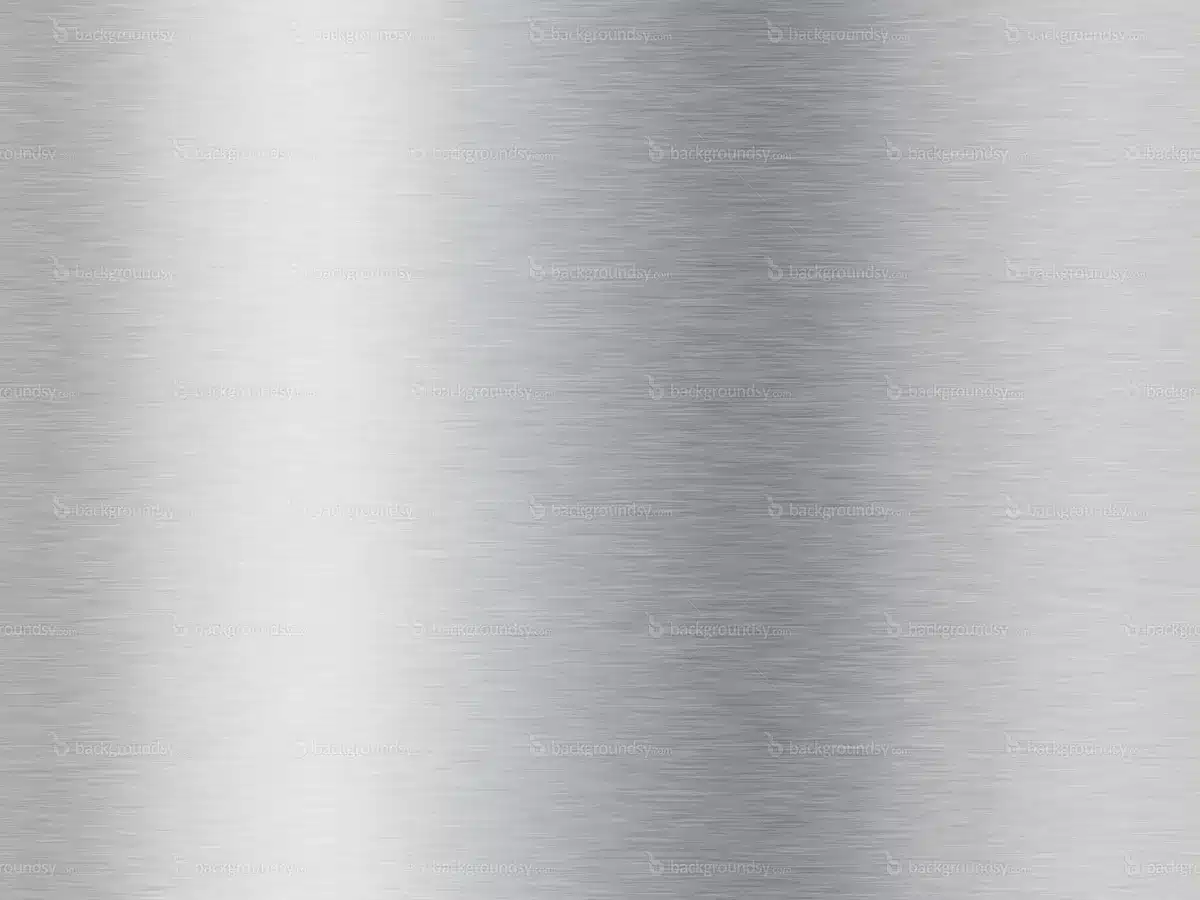
Look at your rangehood under a bright light. See those thin, parallel lines running across the surface? That's the grain.
Brushed stainless steel is deliberately scratched during manufacturing to create that matte finish. Those scratches run in one direction.
Here's the rule: always wipe with the grain.
When you wipe across the grain, you force dirt and moisture into those tiny grooves. They get stuck. That's what causes streaking.
When you wipe with the grain, you sweep debris out of the grooves. The surface stays clean and uniform.
It feels awkward at first. Most of us naturally scrub in circles. Break that habit.
Wipe in straight lines, following the direction of the grain. It makes a bigger difference than any cleaner you could buy.
How Grease and Buildup Actually Work on Stainless Steel
Stainless steel is an alloy of iron, chromium, and nickel. The chromium reacts with oxygen to form chromium oxide. That invisible layer is what resists rust and stains.
It's also very sensitive.
Heat changes how grease behaves. When you cook, oils hit the hood surface and polymerize. They form a thin, plastic-like film.
This is why wiping with water alone doesn't always work. The grease has chemically bonded to the surface.
Hard water makes things worse. When water droplets dry on stainless steel, they leave behind calcium and magnesium deposits. Those look like white spots.
If you live in an area with hard water, you'll see this often.
Different buildups require different solutions:
- Fresh grease dissolves with mild detergents or vinegar.
- Polymerized grease needs a degreaser or an alkaline cleaner.
- Hard water spots need an acid. Vinegar works well.
- Baked-on carbon needs a mild abrasive paste.
One cleaner cannot fix all of these. That's where the decision tree comes in.
The Decision Tree: What Type of Buildup Are You Dealing With?
Before you grab a spray bottle, look closely at your hood. Touching it helps. Is it dusty?
Sticky? Crusty? Each condition calls for a different method.
Light Dust or Daily Grime
Warm water and a drop of dish soap on a microfiber cloth. Wipe with the grain. Dry immediately with a separate dry microfiber cloth.
This is your go-to for weekly maintenance.
Grease Streaks and Sticky Spots
White vinegar and water mixed 50/50 in a spray bottle. Spray onto the cloth, not the hood. Wipe with the grain.
Rinse with a damp cloth. Dry immediately. Vinegar is a mild acid that cuts through grease without damaging the chromium oxide layer.
Baked-On, Crusted-On Grease
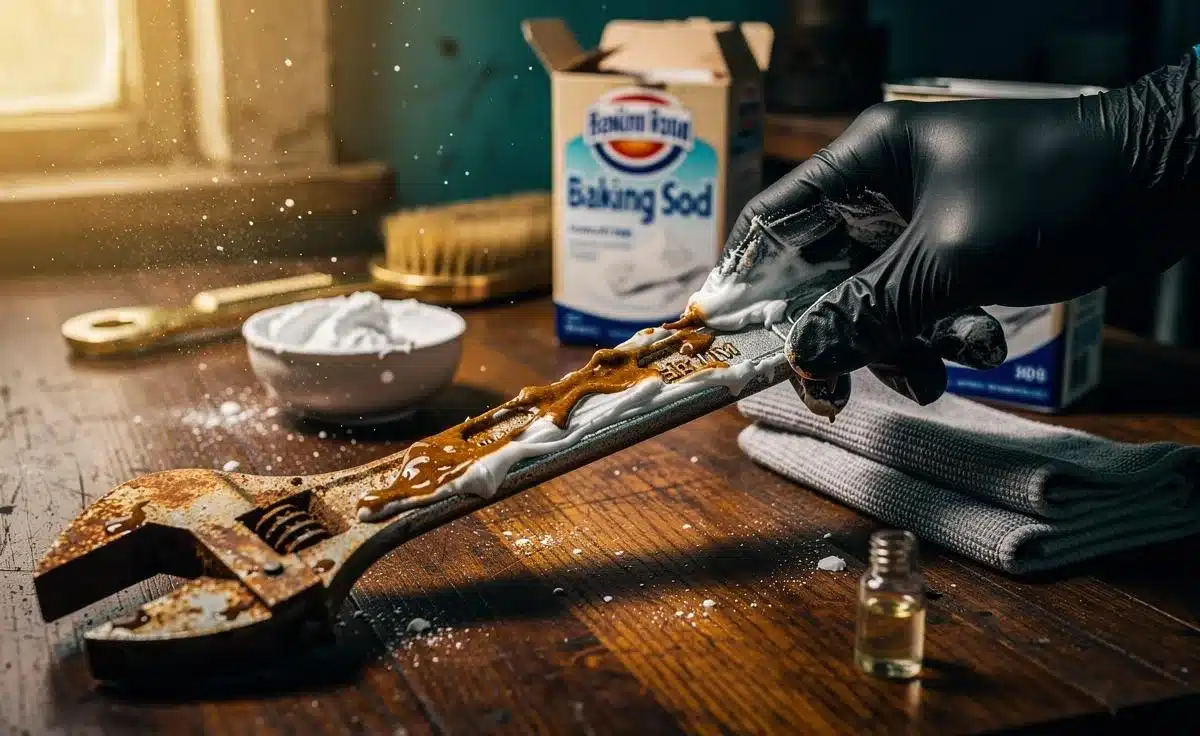
Baking soda paste. Mix three parts baking soda with one part water. Apply the paste to the crusty areas.
Let it sit for five minutes. Gently scrub with a soft sponge. Rinse thoroughly.
Dry immediately. The soaking time is crucial. It rehydrates the crust, making it easier to remove.
Water Spots and Cloudy Film
White vinegar on a microfiber cloth. Wipe the affected area with the grain. Follow immediately with a dry cloth.
If the film is very stubborn, let the vinegar sit for thirty seconds before wiping.
Fingerprints and Smudges
A tiny drop of mineral oil on a microfiber cloth. Rub it into the surface with the grain. Buff with a clean dry cloth.
Mineral oil fills the microscopic grooves. This creates a smooth surface that resists smudging. Use very little.
Too much leaves a greasy film that attracts dust.
The 12 Cleaning Scenarios Cheat Sheet
| Scenario | Best Method | Why It Works |
|---|---|---|
| Light dust after cooking | Warm water + dish soap | Lifts dirt without chemicals |
| Grease splatter from frying | 50/50 vinegar + water | Cuts through polymerized oil |
| Crusty drips (baked on) | Baking soda paste | Mild abrasion lifts carbon |
| Water spots | White vinegar | Acid dissolves mineral deposits |
| Fingerprints | Mineral oil (tiny drop) | Fills grooves, repels smudges |
| Streaks after cleaning | Buff with dry microfiber (with grain) | Removes leftover residue |
| Light scratches | Stainless steel scratch remover | Fine abrasive polishes out marks |
| Rust spots (rare) | 0000 steel wool + mineral oil | Very fine grit removes rust |
| Pre-sale deep clean | Commercial stainless steel cleaner | Consistent, streak-free shine |
| Weekly maintenance | Microfiber cloth + water | Prevents buildup from hardening |
| After deep frying | Degreasing spray + rinse | Removes heavy sticky layer |
| Cleaning the filters | Dishwasher or hot soapy water | Separate process for mesh filters |
Cleaning Methods Compared: Which Works Best for Your Situation
Dish Soap and Water
Best for light dust, daily grime, and quick wipe-downs. Dish soap is a surfactant. It breaks the surface tension of water, allowing it to lift oils and dirt.
It's the gentlest option. The downside is that it struggles with polymerized grease. If the residue feels sticky or crusty, soap and water alone won't cut it.
White Vinegar and Water
Best for grease streaks, water spots, and cloudy film. Vinegar is acetic acid at about 5% concentration. That acidity dissolves both oil-based residues and mineral deposits.
It's the most versatile single cleaner for stainless steel. The smell is strong but temporary. Always rinse with a damp cloth afterward.
Leftover acid can dull the finish over time.
Baking Soda Paste
Best for baked-on, crusted grease that won't budge. Baking soda is a mild alkali. It's soft enough to not scratch stainless steel but hard enough to lift carbonized food oils.
The paste consistency lets it cling to vertical surfaces. Let it sit for at least five minutes. Rinse thoroughly.
Any leftover baking soda residue looks like white powder when dry.
Commercial Stainless Steel Cleaner
Best for pre-sale deep cleans and consistent showroom shine. These products contain a blend of solvents, mild abrasives, and sometimes a light oil. They're formulated to leave a uniform, streak-free finish.
The trade-off is cost and residue. A bottle runs $5 to $15. Use sparingly and buff thoroughly.
Mineral Oil
Best for fingerprints and maintaining a protective barrier. Mineral oil is a colorless, odorless oil that won't go rancid. A tiny amount fills the microscopic grooves in the brushed finish.
This creates a smooth surface that smudges less. It's not a cleaner. It's a finishing step.
Clean the surface first, then apply a drop to a cloth and buff it in.
The Step-by-Step Process for Each Buildup Type
Light Cleaning Routine
- Gather two microfiber cloths, warm water, one drop of dish soap.
- Wet one cloth with the soapy water. Wring it out so it's damp, not dripping.
- Wipe with the grain in straight, overlapping strokes.
- Rinse the cloth under clean water. Wring it out.
- Wipe again to remove any soap residue.
- Dry immediately with the second dry microfiber cloth. Buff with the grain.
Total time: About three minutes.
Heavy Grease Removal
- Mix 50/50 white vinegar and water in a spray bottle.
- Spray onto a microfiber cloth. Never spray directly onto the hood.
- Wipe with the grain. Let the solution sit on stubborn spots for 30 seconds.
- Rinse with a clean damp cloth. Residual vinegar dulls the finish.
- Dry and buff with a dry microfiber cloth.
Stubborn Baked-On Crud
- Mix three parts baking soda with one part water to form a thick paste.
- Apply the paste to the crusty areas using a soft sponge.
- Let it sit for five minutes. Set a timer.
- Scrub gently with the soft sponge. Finish with straight strokes following the grain.
- Rinse thoroughly with a damp cloth. Wipe until no white residue remains.
- Dry and buff with a dry microfiber cloth.
Water Spot Fix
- Dampen a microfiber cloth with undiluted white vinegar.
- Wipe the affected area with the grain.
- Let it sit for 15 to 30 seconds on stubborn spots.
- Wipe with a clean damp cloth to remove the acid.
- Dry immediately with a dry microfiber cloth.
Mistakes That Ruin the Finish (And How to Avoid Them)
Using abrasive scrub pads. Green scouring pads, steel wool (anything coarser than 0000 grade), and scrubby sponges leave visible scratches. Those scratches trap dirt and grease. Use only soft sponges or microfiber cloths.
Wiping against the grain. This is the number one cause of streaky stainless steel. The grain is visible under light. Look for it before you start.
Using bleach or ammonia. These chemicals react with the chromium oxide layer. They cause pitting and discoloration. Stick to mild dish soap, vinegar, or a dedicated stainless steel cleaner.
Leaving water to air dry. Hard water minerals concentrate as water evaporates. The result is white spots that are harder to remove than the original grime. Always dry the surface immediately with a clean cloth.
Spraying cleaner directly onto the hood. Liquid drips into the fan motor or onto the filters. This can cause electrical damage. Spray onto your cloth first.
Skipping the rinse step. Any cleaner left on the surface will attract dust and dull the finish. Vinegar, baking soda, and even dish soap need to be rinsed off.
What About the Filters? Cleaning Them Separately
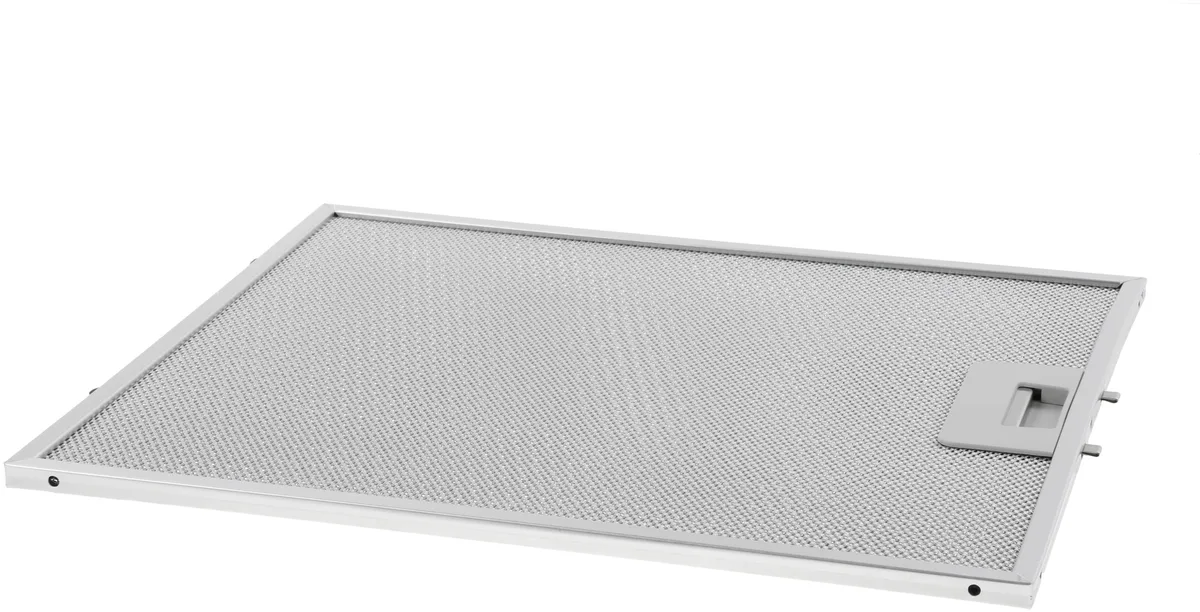
The surface of your rangehood is only half the job. The grease filters underneath capture the bulk of airborne oil. When they're clogged, your hood works harder and smells stale.
Most rangehoods have removable mesh or baffle filters. They're usually stainless steel or aluminum. Check your manual for the specific removal method.
In most cases, they slide out or unclip.
To clean mesh filters:
- Remove the filters according to the manufacturer instructions.
- Soak them in hot water with a degreasing dish soap. Add a tablespoon of baking soda for extra lifting power.
- Let them soak for 15 to 30 minutes. For heavy buildup, use a commercial degreaser.
- Scrub gently with a soft brush or sponge. A toothbrush works well for corners.
- Rinse thoroughly with hot water. Soap residue in the filter can burn and smell when you cook.
- Dry completely before reinstalling. A wet filter promotes rust and bacteria growth.
Some filters are dishwasher safe. Check the manual. If they are, run them on the top rack with a hot cycle.
Avoid using rinse aid. It can leave a film that burns off during cooking.
Clean filters every one to three months depending on how often you cook. Heavy fryers should do it monthly. Light cooks can stretch to quarterly.
Expert Tips for Keeping It Clean Longer
Wipe down after every cooking session. A thirty-second wipe with a dry microfiber cloth removes fresh grease before it polymerizes. This single habit eliminates 90% of deep cleaning needs.
Use a fan timer. Run the rangehood fan for five to ten minutes after you finish cooking. This pulls residual grease vapor out of the kitchen before it settles on the hood surface.
Apply a thin protective layer. After cleaning, buff a tiny amount of mineral oil into the surface. This fills the microscopic grooves and makes future smudges easier to wipe off. It also gives the hood a uniform, satin sheen.
Avoid aerosol sprays near the hood. Cooking sprays, air fresheners, and other aerosols leave a sticky residue on stainless steel. That residue attracts dust and grease. If you use sprays, cover the hood or wipe it down afterward.
Keep the area around the stove clean. Grease splatters from the cooktop end up on the hood. Wiping down the cooktop after each use reduces the amount of oil that reaches the hood. The same logic applies to cleaning stovetop surfaces.
Check the filters monthly. A quick visual inspection tells you if the filters need cleaning. Hold them up to the light. If you can't see through the mesh, it's time for a soak.
Safety and Warnings: What Not to Do
Never spray liquid directly into the fan motor or vents. Water and electricity are a dangerous combination. Liquid can short-circuit the motor or cause a fire. Always spray cleaner onto your cloth first.
Avoid bleach, ammonia, and oven cleaners. These chemicals react with stainless steel. They cause pitting, discoloration, and permanent damage. They also release fumes that are unsafe in an enclosed kitchen.
Unplug the rangehood before cleaning around the motor area. This is a simple step that prevents electrical shock. If you're only cleaning the exterior surface, you can skip this. But any cleaning near the filters or fan should start with the power disconnected.
Never use abrasive pads on the exterior. Scratches from green scrub pads or steel wool trap grease and bacteria. They also make the surface harder to clean in the future. Use only soft sponges and microfiber cloths.
Check your manufacturer's manual for specific restrictions. Some finishes, especially black stainless steel, have unique cleaning requirements. Following the manual keeps your warranty valid. The National Fire Protection Association (NFPA) notes that grease buildup in kitchen exhaust systems is a significant fire hazard, which is why regular cleaning matters.
Frequently Asked Questions
Can I use Windex or glass cleaner on my stainless steel rangehood?
Glass cleaners often contain ammonia, which damages the chromium oxide layer. Over time, ammonia causes pitting and dullness. Stick to white vinegar, mild dish soap, or a dedicated stainless steel cleaner.
How often should I clean my rangehood filters?
Clean mesh filters every one to three months. Heavy cooks who fry or sauté daily should clean them monthly. Light cooks can stretch to quarterly.
A clogged filter reduces airflow and makes the fan work harder.
What is the best homemade stainless steel cleaner?
A 50/50 mix of white vinegar and water works for most situations. For baked-on grease, use a baking soda paste. For daily maintenance, warm water with a drop of dish soap is sufficient.
All three are safer than commercial chemical cleaners.
Can I clean a stainless steel rangehood with bleach?
No. Bleach reacts with the chromium in stainless steel. It causes pitting, discoloration, and rust spots.
The damage is permanent. Never use bleach on any stainless steel kitchen surface.
Why does my rangehood look streaky after cleaning?
Streaks usually come from two things: wiping against the grain or leaving cleaner residue. Always wipe with the grain. Always rinse and dry the surface after using any cleaner.
A dry microfiber buffing pass removes any remaining film.
Quick Reference: Your Go-To Decision Guide
Is the surface dusty or lightly soiled? Grab a damp microfiber cloth with a drop of dish soap. Wipe with the grain. Dry immediately.
Is the surface sticky with grease? Use 50/50 white vinegar and water. Spray onto the cloth. Wipe with the grain.
Rinse and dry.
Is there crusted, baked-on grease? Make a baking soda paste. Let it sit for five minutes. Scrub gently with a soft sponge.
Rinse and dry.
Are there water spots or cloudy film? Wipe with undiluted white vinegar. Let it sit for 30 seconds. Rinse and dry.
Are the filters clogged? Remove them. Soak in hot soapy water for 15 to 30 minutes. Scrub, rinse, dry, and reinstall.
Four scenarios. Four methods. Keep this guide handy.
Your rangehood will stay clean, shiny, and performing at its best.
