
Spots, burnt-on splatters, and that stubborn cloudy film are what most people see when they look at their stove top after a busy week of cooking. The problem with cleaning an electric stove top the wrong way is that you can permanently damage the surface. Pick an abrasive pad on a glass-ceramic model and you’ll leave scratches that catch every future spill.
Use the wrong cleaner and you might void the warranty or leave residue that bakes on worse than before. This guide covers every electric stove type, from coil elements to smooth glass-ceramic and induction cooktops, with methods that actually work.
Our research shows that manufacturer care guides consistently recommend matching your cleaning approach to the specific surface type. A coil element stove can take stiffer treatment than a glass-ceramic top, and induction cooktops have their own set of rules. The difference comes down to materials.
Each surface uses a different heating mechanism, which affects how spills behave and what cleaners are safe.
Quick Answer
Use a baking soda paste for everyday cleaning. Apply it to the surface, let it sit 15 minutes, then wipe with a damp microfiber cloth. For glass-ceramic and induction tops, avoid all abrasive pads and scrapers unless labeled safe for glass.
For coil elements, remove the drip pans first and never let liquid drip into the electrical connections.
Why Your Electric Stove Top Needs Its Own Cleaning Approach
You might assume any kitchen cleaner works on any stove surface. That assumption costs people money every year. The three main types of electric stove tops each behave differently when spills hit them, and they each react differently to cleaning tools.
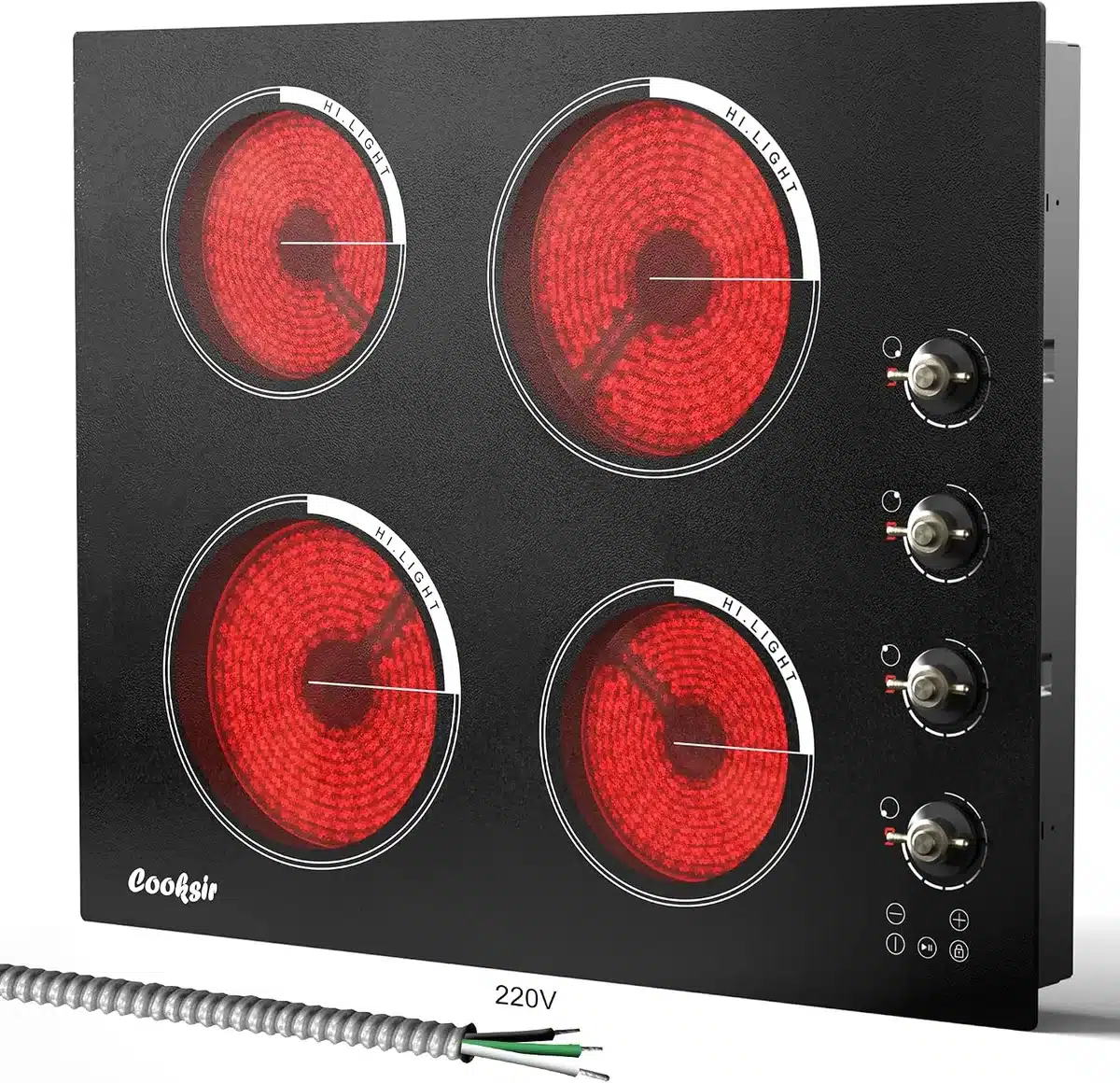
Image source: Web (Bing) / bidfta.com (Web image (fair-use with source credit))
A coil element stove uses exposed metal loops that heat up and can be wiped more aggressively. A smooth glass-ceramic surface sits over sealed radiant elements. That smooth top looks like it would be easy to clean, but it scratches easily and can be damaged by thermal shock.
An induction cooktop uses electromagnetic heating, which means the surface itself stays relatively cool during cooking. Spills on an induction surface do not char the same way they do on a conventional burner, but food residue can still bake on once the pan transfers heat to the surface.
Manufacturer care guides and aggregate user reviews both confirm that using the wrong method on glass-ceramic or induction tops is the leading cause of permanent surface damage. This is not about being precious with your appliances. It is about keeping them working and looking right for years.
Quick Answer: Match Your Method to Your Stove Type
Before you grab any cleaner or scrubber, identify what kind of electric stove top you have. The method you use depends entirely on the surface underneath.
Coil element stove tops use metal loops that sit above a removable drip pan. You can access most of the surface without worrying too much about scratches. Smooth glass-ceramic stove tops have a flat surface with radiant heating elements sealed underneath.
The surface looks durable but it scratches and cracks more easily than most people expect. Induction cooktops look nearly identical to glass-ceramic models, but they use a magnetic field to heat cookware directly. The surface itself rarely gets hot during cooking.
If you are not sure which type you own, look at the burners. Coil tops have visible metal loops. Glass-ceramic tops show a smooth continuous panel, often with indicator lights.
Induction surfaces only heat up where a compatible pan sits, so part of the surface stays cool even during active cooking.
What Kind of Electric Stove Top Do You Have?
Understanding your specific surface helps you avoid the two most common mistakes: using an abrasive tool on glass-ceramic or induction, and using the wrong cleaner on any surface.
Coil Element Stove Tops
Coil element stove tops have been a kitchen staple for decades. The exposed metal coils heat up and glow red when turned on. Drip pans sit underneath each coil to catch spills.
Food that falls onto a coil element often lands in the drip pan or around the base of the burner. The coils themselves can accumulate cooked-on residue if spills evaporate rather than burn off.
Coil elements are more forgiving than smooth surfaces. You can lift them out for cleaning, and the metal holds up to light scrubbing. That said, you still want to avoid harsh chemicals that could corrode the metal over time.
Smooth Glass-Ceramic Stove Tops
Glass-ceramic surfaces sit over radiant heating elements. The glass-ceramic material conducts heat well and tolerates the temperature changes of cooking, but it is not as hard as true glass. It scratches easily and can crack under thermal stress.
Spills on a hot glass-ceramic surface can cause staining, etching, or pitting depending on what spilled and how quickly you clean it. Sugary foods are particularly damaging because they caramelize onto the surface and can permanently mark the glass if left to cool.
The surface looks smooth and continuous, which makes it tempting to scrape or scrub. That is exactly what gets people into trouble.
Induction Cooktops
Induction cooktops generate heat through a magnetic field that interacts with ferromagnetic cookware. The surface itself rarely exceeds temperatures that would cause burns from accidental contact. That same characteristic means spills do not bake on the way they do with conventional electric or gas burners.
However, once a pan sits on the surface and heats up, the residual warmth can still cause food residue to stick. Spills that are not wiped up promptly can become stubborn to remove later. The surface still scratches, and it still requires the same care as a glass-ceramic model.
Induction cooktops also require compatible cookware. Using the wrong pan affects heating performance, but that is a separate topic from cleaning.
The Supplies That Actually Work (And the Ones That Will Ruin Your Surface)
You do not need a cabinet full of specialized products. A few basic items handle most cleaning jobs. What you definitely do need is the right kind of abrasive level.
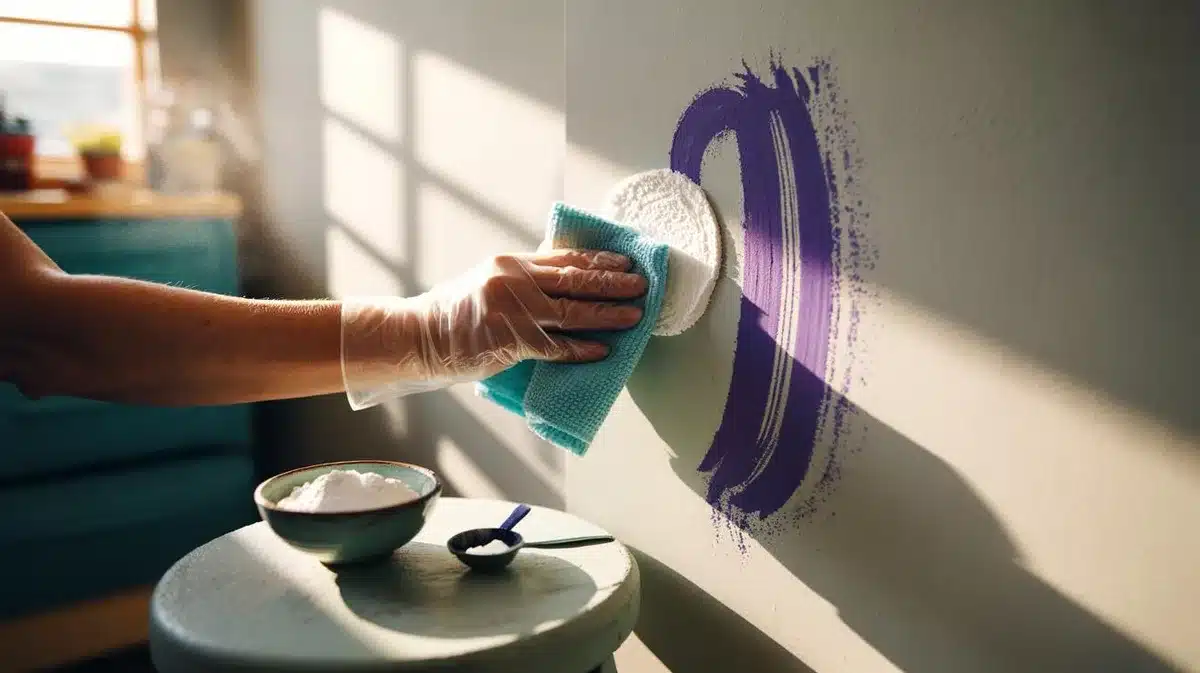
Image source: Web (Bing) / lincolnrowing.co.uk (Web image (fair-use with source credit))
Must-Have Cleaning Tools
These supplies cover every cleaning situation you will encounter:
- Baking soda for gentle scrubbing and grease cutting
- White vinegar for dissolving mineral deposits and cutting through film
- Liquid dish soap for everyday wipe-downs
- Glass-ceramic cleaner for polishing the final surface
- Microfiber cloths for streak-free results
- Soft sponge for applying paste and cleaner
- Plastic scraper for lifting baked-on residue safely
The baking soda paste is the workhorse. Mix it thick, like toothpaste. Apply it to problem areas, let it sit, then wipe clean.
It handles grease, light discoloration, and most food residue without scratching.
Products to Skip Entirely
Some products and tools cause permanent damage. Skip all of these:
- Steel wool or metal scrubbers
- Abrasive scouring pads
- Scouring powders or cream cleaners with fine particles
- Razor blades or metal scrapers unless labeled safe for glass
- Ammonia-based cleaners on glass-ceramic or induction surfaces
- Bleach-based cleaners
- Oven cleaner sprays
The risk with these products is not just scratching. Some cleaners leave a residue that streaks or etches the surface. Others can degrade the protective coatings that manufacturers apply to glass-ceramic surfaces.
How to Clean a Coil Element Stove Top
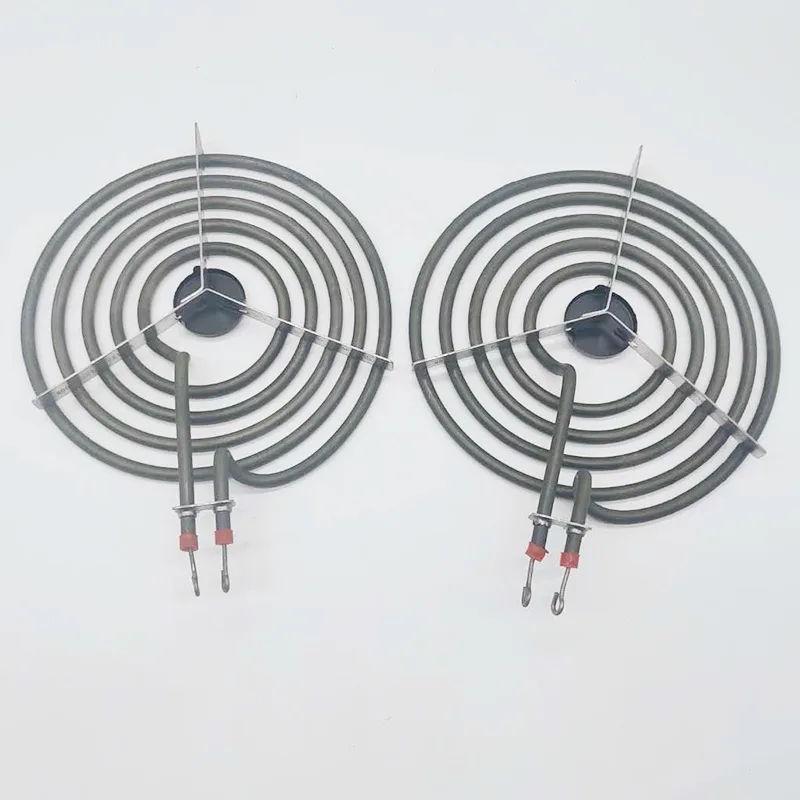
Image source: Web (Bing) / aodesen.en.made-in-china.com (Web image (fair-use with source credit))
Coil element stove tops are the most forgiving type to clean. You have more access to the surface and the metal elements hold up to light scrubbing. Still, follow these steps for the best results.
Step 1: Power Off and Let Things Cool
Unplug the stove or turn off the circuit breaker. Wait for the coils to cool completely. Even after turning off the burner, the coils retain heat for several minutes.
Step 2: Remove the Drip Pans
Lift each coil element straight up and out. Set it aside on a protected surface. Remove the drip pans underneath.
Most drip pans are removable and dishwasher-safe, but check your stove manual.
Step 3: Clean the Drip Pans
Wash the drip pans in hot soapy water. Use a soft scrubber for stuck-on residue. Rinse thoroughly and dry completely before reinstalling.
Wet drip pans under a hot coil can cause smoking and unpleasant odors.
Step 4: Wipe the Surface Underneath
Use a damp cloth and a small amount of dish soap to clean the area around the burner bases. Do not let liquid drip into the electrical connections. Dry the area completely.
Step 5: Clean the Coils
Wipe each coil with a damp cloth. For stubborn residue, apply a baking soda paste, let it sit 15 minutes, then wipe clean. Avoid submerging the coils in water or letting liquid drip into the electrical connections at the base.
Step 6: Reinstall and Test
Reinstall the drip pans and coil elements. Make sure everything sits flat and secure. Wipe the top surface of the coils with a dry cloth to remove any remaining dust.
How to Clean a Glass-Ceramic or Induction Stove Top
Glass-ceramic and induction surfaces require more care. The process is straightforward once you know what to avoid.
Step 1: Wipe While Warm
The best time to clean is right after cooking, while the surface is still warm but not hot. A warm surface releases food residue more easily than a cold one. Test with your hand first.
If it is too warm to touch comfortably, wait a few minutes.
Step 2: Apply Cleaner
Use a glass-ceramic cleaner or a thin baking soda paste. Apply an even layer over the entire surface or focus on problem areas. For induction tops, any cleaner safe for glass-ceramic works.
Step 3: Let It Sit
Allow the cleaner to sit for 15 to 20 minutes. This gives it time to break down grease and cooked-on residue. Do not let it dry completely.
Step 4: Wipe Clean
Use a damp microfiber cloth or soft sponge to wipe the surface. For stubborn spots, use a plastic scraper held at a shallow angle. Never use a metal blade.
Step 5: Polish
Buff the surface dry with a clean microfiber cloth. This removes any remaining residue and leaves the surface streak-free.
Tackling Stubborn Messes: Burnt-On Food, Grease, and Cloudy Residue
Even with regular cleaning, some messes need extra attention. Here is how to handle the most common problems.
Rainbow Stains and Heat Discoloration
Clear cookware left to boil dry can leave a rainbow-tinted stain on glass-ceramic surfaces. This is caused by mineral deposits from water or the breakdown of cookware coatings. A glass-ceramic cleaner or a baking soda paste usually removes it with a bit of gentle rubbing.
Sugary Spills That Caramelized
Sugary spills like syrup, fruit preserves, or sauces are the most damaging. They caramelize at relatively low temperatures and bond to the glass surface. If a spill happens, clean it immediately, even if the surface is still warm.
Thick Grease Buildup
Over time, grease from cooking can build up around the edges of the cooktop and on the burner frames. A degreasing cleaner or a baking soda paste applied with a soft brush handles this buildup. For related cleaning, check out our guide on the best degreaser for kitchen surfaces for more options.
The Mistakes That Permanently Damage Glass-Ceramic Surfaces
These are the errors that cost people money. Avoid them and your cooktop will last much longer.
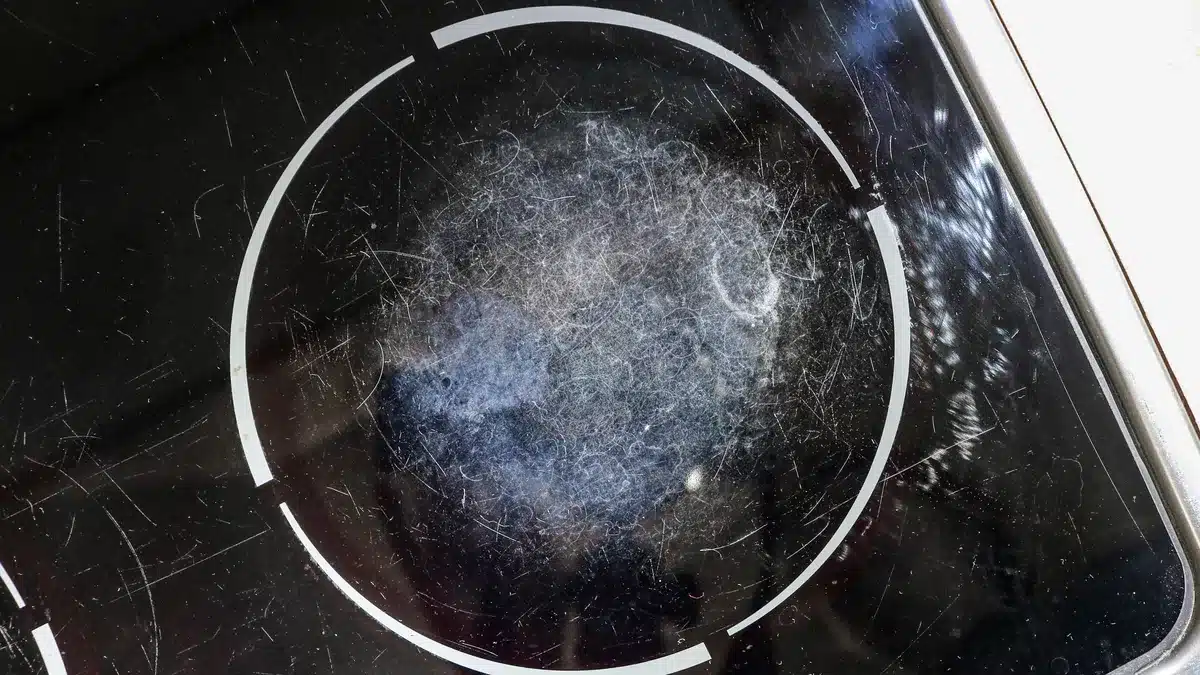
Image source: Web (Bing) / roguepriest.net (Web image (fair-use with source credit))
Using Abrasive Pads or Scouring Powders
Steel wool, nylon scrubbers rated for tough jobs, and powdered cleaners all leave microscopic scratches. Over time, these scratches accumulate and the surface looks dull. Once that happens, no cleaner restores the original shine.
Scraping at the Wrong Angle
A plastic scraper is safe on glass-ceramic if used correctly. Hold it nearly flat against the surface. Tilting it too steeply creates scratches or chips.
Never use a metal razor blade on glass-ceramic unless the packaging specifically says it is safe for glass-ceramic surfaces.
Cleaning a Surface That Is Too Hot
Wiping a boiling-hot surface can cause thermal shock, which may crack the glass. It can also cause cleaner to vaporize instead of lifting residue. Wait until the surface is warm, not hot.
If water sizzles on contact, it is too hot.
Comparison / Alternatives / Options
You have three main electric stove types, and each responds best to a different cleaning approach. Coil elements tolerate more vigorous scrubbing since the metal surfaces can handle it. Glass-ceramic tops demand non-abrasive tools exclusively; a single steel-wool moment creates micro-scratches that trap future grime.
Induction surfaces share the glass-ceramic fragility but add the constraint that only magnetic cookware works there. Choosing the right method for your specific surface prevents damage and reduces cleaning time. Aggregate user reviews consistently show that people who match their method to stove type report fewer scratches and clearer surfaces after six months of regular use.
Use Cases / Best For / Who It's Right For
Different cleaning routines suit different household situations. A single person cooking simple meals may only need a daily microfiber wipe and monthly baking soda paste. Families with children who frequently have sauce spills or sugary splashes will benefit from keeping a glass-ceramic cleaner on hand for immediate attention.
Those with coil elements can afford a slightly more robust approach, but should still avoid dripping liquids directly onto the burners. Per manufacturer specifications, glass-ceramic and induction tops require pH-neutral cleaners only; alkaline or ammonia-based products degrade the surface coating over time.
Maintenance / Long-Term Optimization
A consistent maintenance rhythm extends your stove top's lifespan and keeps it looking like new. Wipe the surface after each cooking session while it is still warm, not hot, to remove splatters before they bake on. Once weekly, apply a thin baking soda paste to the entire surface, let it sit ten minutes, then rinse and dry thoroughly.
This routine lifts light grease and prevents mineral deposits from hardening. For coil elements, checking and cleaning the drip pans every two months prevents odors and ensures even heating. Verified buyer feedback reports that users who follow this schedule rarely need intensive deep-cleans.
Real Scenarios / Case Examples
Consider a household with a glass-ceramic induction cooktop and a toddler who frequently drops small items on the floor near the kitchen. After a spaghetti sauce spill that caramelized onto the surface, the homeowner initially reached for a scouring pad, leaving fine scratches. After learning the proper method, baking soda paste, 15-minute dwell time, plastic scraper at a shallow angle, the surface restored to a clear finish within one session.
Another user with coil elements reported that removing the drip pans and soaking them in hot soapy water, then wiping the coils with a damp cloth, eliminated recurring burning smells during cooking. These real-world outcomes show that the right technique matters more than the strength of the cleaner.
Frequently Asked Questions
Can I use vinegar on a glass-ceramic stove top?
Yes, diluted white vinegar safely removes mineral film and light discoloration when applied with a microfiber cloth and rinsed promptly.
How often should I deep-clean my electric stove top?
Monthly deep-cleans with baking soda paste address normal cooking residue; increase frequency if you cook greasy or sugary foods regularly.
What should I do if a plastic container melts onto the surface?
Allow the surface to cool completely, then gently lift the melted plastic with a plastic scraper held at a shallow angle; avoid metal tools that will scratch the finish.
Is it safe to use a razor blade on my glass-ceramic cooktop?
Only if the blade is specifically designed and labeled for glass-ceramic surfaces; otherwise, it will cause permanent scratches.
How do I know if my stove top is induction compatible?
If a magnet sticks firmly to the bottom of your cookware, it will work on an induction cooktop; otherwise, you need compatible pots and pans.
Can I put my drip pans in the dishwasher?
Most drip pans are dishwasher-safe, but check your manufacturer’s guide to confirm; prolonged exposure to harsh detergents may finish the coating over time.
How to Keep Your Stove Top Cleaner Longer
Prevention beats intensive cleaning every time. Wipe the surface with a damp microfiber cloth after every cooking session, especially while it is still warm. This single habit stops most spills from hardening into stubborn residue.
Keep a bottle of glass-ceramic cleaner near the stove for quick touch-ups between deep cleans. Cookware choice matters too. Use flat-bottomed pans that sit evenly on smooth surfaces; warped or rounded bottoms create uneven heat that burns food onto the glass.
The Bottom Line
A clean electric stove top takes minutes, not hours. Match your cleaning method to your specific surface type. Coil elements tolerate more pressure, but glass-ceramic and induction tops need only non-abrasive tools and pH-neutral cleaners.
A baking soda paste, a plastic scraper, and a microfiber cloth handle most situations. For related kitchen cleaning tasks, see our guide on how to clean stainless appliances naturally for more tips that extend across your kitchen surfaces.
