
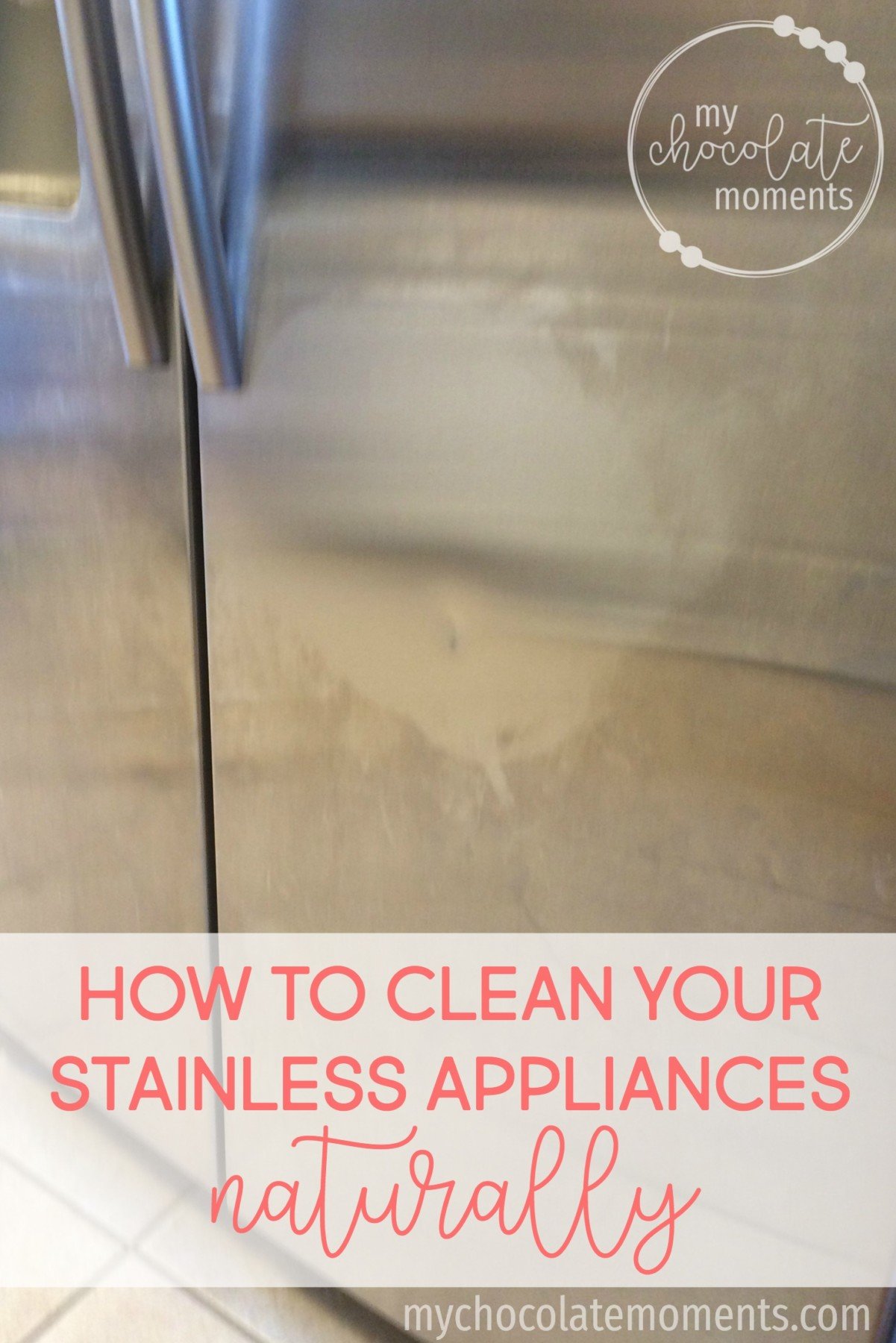
Maintaining the pristine look of your stainless steel appliances can feel like a constant battle against fingerprints, smudges, and streaks. These once gleaming surfaces often become dull over time, diminishing the overall aesthetic of your kitchen. Fortunately, achieving a spotless, sparkling finish doesn't require harsh chemicals or expensive specialized cleaners. By leveraging common household ingredients, you can effectively restore the brilliance of your stainless steel while ensuring a healthier home environment. This guide provides practical, eco-friendly methods to clean and maintain your appliances, saving you money and contributing to a more sustainable lifestyle.
The Power of Natural Cleaning Essentials
Embracing natural cleaning solutions for your stainless steel appliances offers a dual benefit: exceptional cleaning power and environmental consciousness. Unlike conventional chemical cleaners that can introduce toxins into your home and the environment, natural ingredients perform remarkably well, often outperforming their synthetic counterparts without the negative side effects. This approach aligns with a growing awareness of health and sustainability, making it a smart choice for modern households.
Understanding Natural Ingredient Capabilities
The beauty of natural cleaning lies in the versatility of everyday items. White vinegar, a staple in many kitchens, acts as a remarkable degreaser and disinfectant. Its acidity can cut through grime and mineral deposits effectively. Baking soda, another common pantry item, is a gentle yet effective abrasive, perfect for tackling tougher stains without scratching the delicate stainless steel surface. For a final polish and protective sheen, a small amount of olive oil can work wonders. These simple ingredients, readily available, form the foundation of an effective and eco-friendly cleaning arsenal.
Why Choose Eco-Friendly Cleaning?
Opting for eco-friendly cleaning methods offers significant advantages for both your household and the planet. Firstly, it significantly reduces your family’s exposure to potentially harmful synthetic chemicals, which can trigger allergies, respiratory issues, and long-term health concerns, especially for children and pets. Secondly, these methods are kinder to the environment. Natural cleaners biodegrade more easily, minimizing water pollution and reducing the strain on waste management systems. Furthermore, by choosing natural solutions, you actively support a more sustainable consumer market and reduce your carbon footprint. This shift not only enhances your home's appearance but also promotes a healthier ecosystem.
Preparing Your Appliances for a Natural Clean
Before you begin polishing and scrubbing, proper preparation is key to a successful and scratch-free cleaning experience. Rushing the process can lead to less-than-ideal results or even accidental damage. Taking a few minutes to prepare your appliance ensures that your chosen cleaning methods work as effectively as possible and protect the integrity of the stainless steel finish.
Safety First: Essential Precautions
Safety should always be your top priority. For any appliance that plugs into an electrical outlet, such as a refrigerator or oven, always unplug it from the wall socket before cleaning. This eliminates the risk of electrical shock, especially if water or cleaning solutions are involved. If you're working with a stovetop, ensure it has cooled down completely. While natural cleaners are generally safe, it's wise to wear gloves to protect your skin from any potential irritants and to prevent the transfer of oils from your hands onto the clean surface. Ensure your workspace is well-ventilated, particularly when using vinegar, although the fumes are typically mild.
Removing Surface Dust and Debris
The initial step in cleaning any surface is to remove loose dirt and dust. Use a dry, clean microfiber cloth to gently wipe down the entire exterior of the appliance. This simple step is crucial because it prevents these particles from being ground into the surface during the wet cleaning process, which could lead to fine scratches. Pay attention to handles, control panels, and any crevices where dust tends to accumulate. A soft brush, like a clean paintbrush or a dedicated detail brush, can be helpful for reaching into tight spots before proceeding to the cleaning solutions.
Crafting Your Natural Cleaning Solutions
The effectiveness of cleaning stainless steel appliances naturally lies in the simplicity and power of homemade solutions. These mixtures utilize readily available ingredients to tackle common kitchen grime, fingerprints, and smudges without resorting to harsh chemicals.
The Classic Vinegar and Water Solution
Perhaps the most popular and effective natural cleaner for stainless steel is a simple mixture of white vinegar and water. To prepare this solution, combine equal parts white vinegar and distilled water in a spray bottle. Distilled water is recommended to prevent potential mineral deposits from tap water. This spray is excellent for everyday cleaning, cutting through grease and fingerprints with ease. The vinegar’s acidity helps to break down grime, while the water dilutes it sufficiently for safe use on stainless steel.
The Gentle Power of Baking Soda Paste
For more stubborn marks, grease splatters, or baked-on food residues, a baking soda paste offers gentle abrasive power. To create the paste, mix baking soda with a small amount of water. Aim for a consistency that is thick but spreadable, similar to toothpaste. This paste can be applied directly to the affected area. The fine particles of baking soda work to lift stains and stuck-on food without scratching the metal's surface. It's a fantastic, non-toxic alternative to harsh scouring powders.
Mastering the Application Techniques
Simply having the right natural cleaning solution isn't enough; how you apply it makes a significant difference in the final outcome. Using the correct techniques ensures that you effectively remove dirt and grime while preserving the integrity and shine of your stainless steel appliances.
Gentle Scrubbing for Optimal Results
When cleaning stainless steel, always opt for soft materials. Microfiber cloths are ideal because they are non-abrasive and highly absorbent, making them perfect for both applying cleaners and wiping surfaces dry. For slightly tougher spots, a non-scratch scrub sponge or a soft-bristled brush can be used with care. Always move in the direction of the stainless steel’s grain – a subtle pattern that runs across or down the appliance. Cleaning with the grain prevents the appearance of streaks and minimizes the risk of scratching, which can detract from the appliance's polished look.
Thorough Rinsing and Streak-Free Drying
After you've scrubbed the appliance, it's essential to rinse away any cleaning solution residue. Use a clean microfiber cloth dampened with plain water to wipe down the surface. Ensure you remove all traces of vinegar or baking soda paste, as leftover residue can attract dirt or cause streaks. The final, and arguably most crucial, step is drying. Immediately after rinsing, use a separate, dry microfiber cloth to thoroughly buff the appliance dry. This step is critical for preventing water spots and achieving that signature streak-free shine that makes stainless steel appliances look brand new.

Using a vinegar and water solution is a popular natural method for cleaning stainless steel appliances.
Credit: thekrazycouponlady.com
Maintaining Long-Term Shine and Finish
Keeping your stainless steel appliances looking their best is an ongoing process. Consistent care not only preserves their aesthetic appeal but also extends their lifespan by preventing damage. Natural methods are particularly well-suited for this, as they are gentle enough for daily use.
The Polishing Power of Olive Oil
Once your stainless steel appliances are clean and dry, a light polish can restore their gleam and provide a protective barrier. Apply a very small amount of olive oil (or a food-grade mineral oil) to a clean, dry microfiber cloth. Gently rub the oil onto the appliance surface, always following the direction of the grain. Use more a little more pressure if you are tackling any lingering smudges. The oil fills in microscopic imperfections on the surface, enhancing the reflective quality and making it more resistant to fingerprints. Wipe away any excess oil with a second clean, dry cloth to avoid a greasy residue. This step is akin to waxing a car; it makes subsequent cleaning easier and keeps the surface looking immaculate.
Smart Tips for Regular Maintenance
Preventive care is the most effective way to keep stainless steel looking its best. Make it a habit to wipe down your appliances regularly, ideally daily, with a dry or slightly damp microfiber cloth. This simple action removes fresh fingerprints and spills before they have a chance to set. For slightly more soiled areas, a quick spray of the vinegar and water solution followed by a thorough dry works wonders. Avoid leaving spills to sit, especially acidic ones like tomato sauce or lemon juice, as these can potentially etch the surface over time. Regularly checking appliance filters, like those in combination ovens, can also contribute to better appliance performance and a cleaner kitchen environment overall. If you're looking for reliable kitchen tools, this guide to the best nonstick frying pans might offer useful insights into maintaining high-quality kitchenware.
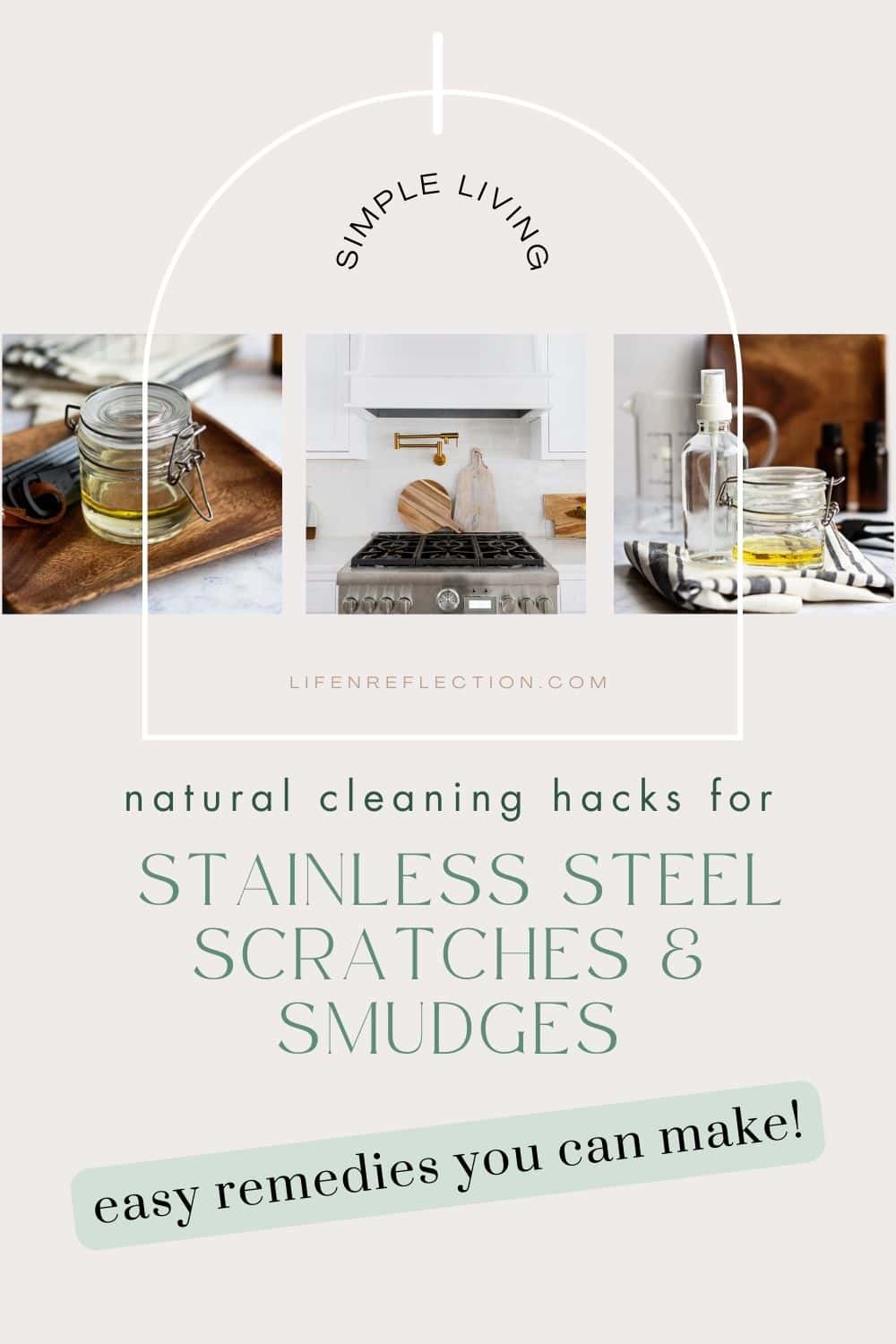
Polishing with olive oil adds shine and helps resist future fingerprints.
Credit: www.lifenreflection.com
Navigating Common Cleaning Pitfalls
Even with the best intentions, certain everyday habits can inadvertently harm your stainless steel appliances or prevent them from achieving that perfect shine. Understanding these common missteps is as important as knowing the correct cleaning methods.
Chemical Products to Absolutely Avoid
Many common household cleaning products contain harsh chemicals that are detrimental to stainless steel.

1 thought on “How to Clean Stainless Appliances Naturally: Eco-Friendly Tips”