
How to Use a Dishwasher Correctly is a skill many homeowners never fully master. It's easy to assume that loading dishes and pressing start is enough, but the reality is more nuanced. Proper technique can mean the difference between sparkling plates and stubborn residue.
Energy Star certified models use about 3 gallons of water per cycle, while older units can consume twice that amount. This standard highlights why proper loading and cycle selection matter for conservation. Below, we provide a concise overview of the core steps.
How to Use a Dishwasher Correctly
Scrape excess food from dishes, but skip rinsing them completely.
Put detergent in the dispenser and rinse aid in the slot.
Load items facing down, leaving space between each piece.
Pick the cycle that matches the soil level.
Start the machine and let it run its course.
Why Your Dishwasher Might Not Be Cleaning Properly
Dishes that come out with leftover food or film usually point to a mechanical issue. The filter at the bottom can clog with debris, reducing circulation. Spray arms may get blocked by small items, preventing water from reaching all surfaces.
Regular inspection of these parts keeps the machine running efficiently.
If your dishes are still wet after a cycle, the problem may lie with the heating element or rinse aid. A failing element won't heat the water enough for proper drying. Insufficient rinse aid leaves spots on glassware.
You can find detailed steps for fixing wet dishes.
A door that won't close securely can also interrupt cycles. Misaligned hinges or a broken latch prevent the machine from starting. Check for obstructions and adjust the door as needed.
For specific instructions, see our article on door closing issues.
Low water pressure can result from a clogged inlet valve or a kinked hose. This reduces the force needed to clean heavily soiled items. If you suspect pressure problems, our walkthrough on low water pressure offers troubleshooting tips.
The Basic Anatomy of a Dishwasher: How It Works
Inside every dishwasher sits a network of parts that work together to clean your dishes. The filter traps food particles and prevents them from recirculating. Spray arms spin under high pressure, hitting every surface.
A heating element raises water temperature for sanitization.
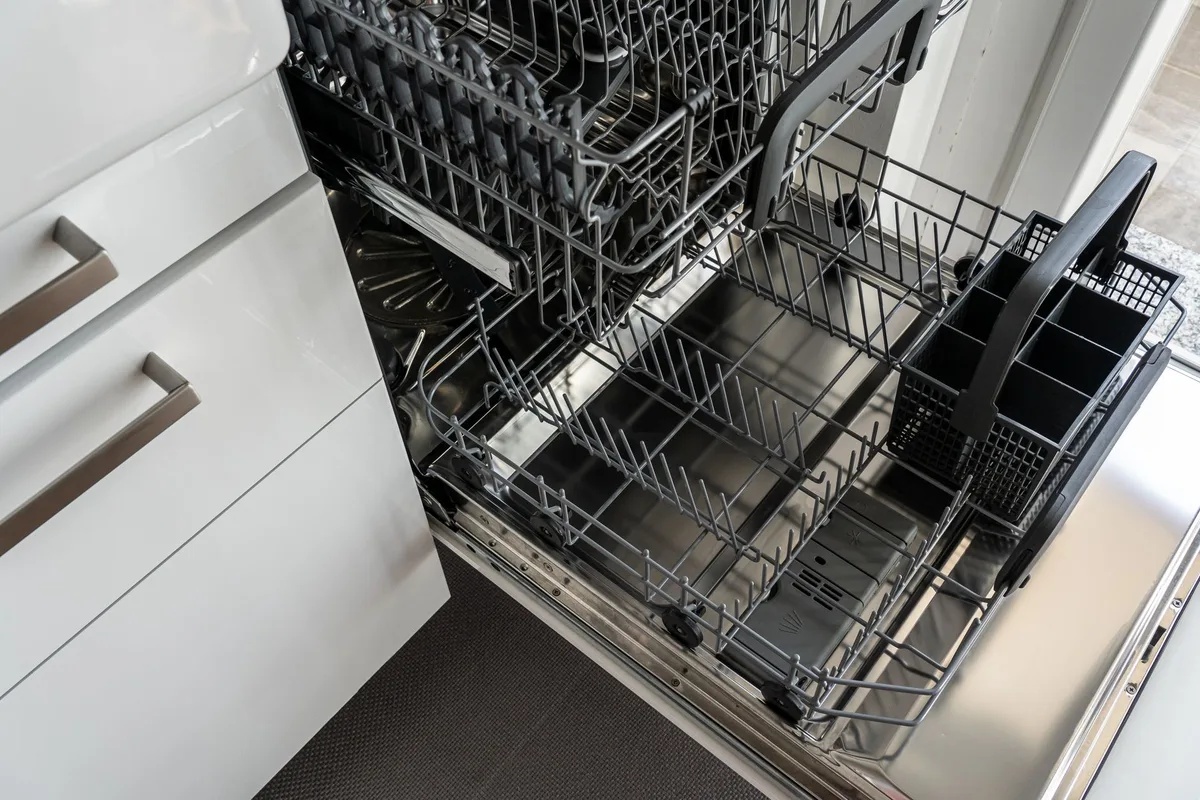
Image source: Pexels / Castorly Stock (Pexels License)
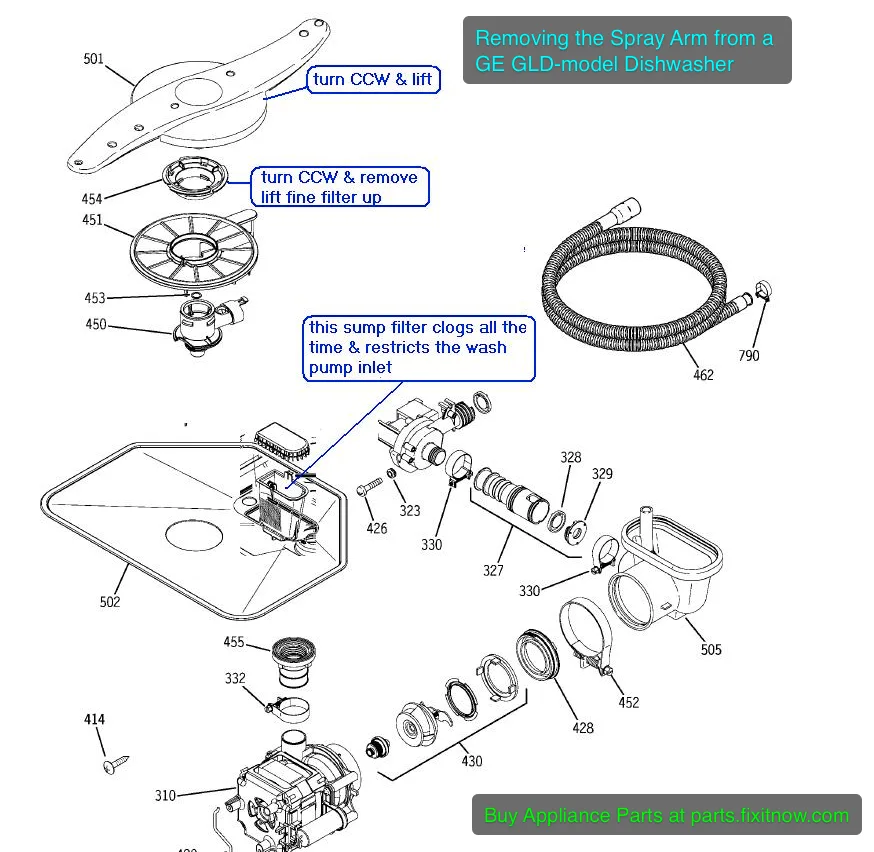
Image source: Bing (Web (fair-use with source credit))
The detergent dispenser opens at the right time to release soap. Rinse aid is stored in a separate compartment to prevent spots. Most models also include a cutlery basket and adjustable racks.
Energy Star certified models meet strict efficiency standards, using less water and energy than conventional units. For more details, visit the Energy Star program.
Key Factors That Change How You Use Your Machine
Your local water hardness influences how much detergent to use. Hard water requires more detergent to cut through minerals. Soil level determines which cycle to pick.
Heavily soiled pots need a longer wash.
Energy efficiency varies by cycle. Eco settings use less water but may run longer. Quick cycles save time but may not clean heavily soiled items.
As of 2026, many utilities offer rebates for high-efficiency models.
Dish type also matters. Glassware needs lower heat to prevent clouding. Plastic items should go on the top rack to avoid warping.
Stainless steel can handle high temperatures. For machines that handle heavy soil loads without pre‑rinsing, look for models with powerful spray arms.
Choosing the Right Cycle: Eco, Normal, Heavy, or Quick
The cycle selector on your dishwasher offers different settings for different needs. Each cycle varies in temperature, duration, and water usage. Picking the right one saves energy and ensures clean dishes.
| Cycle | Temperature | Duration | Water Usage | Best For |
|---|---|---|---|---|
| Eco | 120°F (49°C) | 2–3 hours | 2–3 gallons | Lightly soiled dishes |
| Normal | 130°F (54°C) | 1.5–2 hours | 3–4 gallons | Daily use |
| Heavy | 150°F (66°C) | 2–3 hours | 4–5 gallons | Pots, pans, heavy soil |
| Quick | 110°F (43°C) | 30–60 min | 2–3 gallons | Rinse only or light soil |
Use the eco cycle for everyday loads. Choose normal for mixed items. Select heavy for baked‑on food.
The quick cycle is best for dishes that just need a rinse.
Mastering the Art of Loading Dishes for Optimal Cleaning
Loading dishes correctly is as important as choosing the right cycle. Plates should face down, and bowls should be angled to allow water to drain. Utensils must point down to avoid pooling water.
Leave space between items. Overloading blocks spray arms and reduces cleaning efficiency. The bottom rack is for larger items, while the top rack holds glasses and plastic.
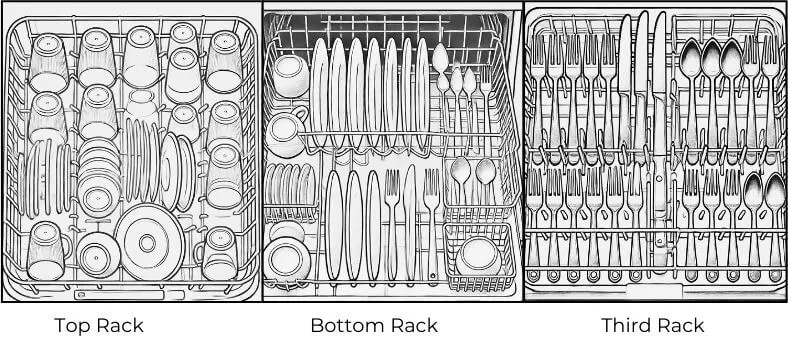
Image source: Bing (Web (fair-use with source credit))
Check the rack layout before starting. Our guide on rack layout shows how to test whether your dishes actually fit. Proper arrangement prevents breakage and ensures every item comes out clean.
Detergent and Rinse Aid Guide: Pods, Gel, or Powder?
Choosing the right detergent matters for both cleaning power and machine longevity. Each format has strengths and weaknesses that affect how dishes come out. Understanding the differences helps you pick the best option for your needs.
| Type | Pros | Cons | Best For |
|---|---|---|---|
| Pods | Pre-measured, no mess | Can fail to dissolve fully | Convenience, light to moderate soil |
| Gel | Effective on protein stains | Can leave residue if misused | Everyday use, mixed loads |
| Powder | Powerful on baked-on food | Can clump in humidity | Heavy soil, hard water areas |
Rinse aid is not optional. It reduces surface tension so water sheets off dishes instead of leaving spots. Most machines have a dedicated dispenser that releases it automatically during the final rinse.
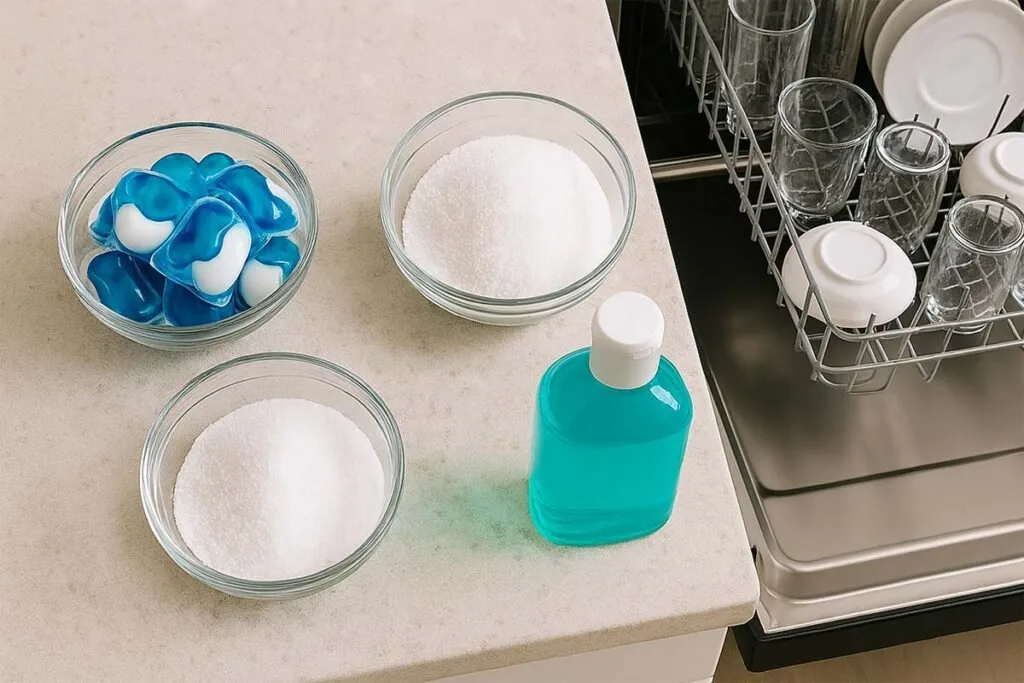
Image source: Bing (Web (fair-use with source credit))
If your dishes come out cloudy, check the rinse aid level. Hard water makes this problem worse. You can find more details about detergent issues in our guide to detergent pods not dissolving.
The Pre-Rinsing Myth: To Rinse or Not to Rinse?
Many people rinse plates before loading them. This habit wastes water and can actually reduce cleaning efficiency. Modern dishwashers have soil sensors that detect how dirty dishes are.
Pre-rinsing tricks these sensors into thinking the load is light.
Manufacturers like Bosch and Whirlpool recommend scraping food into the trash but not rinsing. The enzymes in dishwasher detergent work better when food soil is still present. They break down proteins and starches as part of the cleaning process.
If you have an older machine without a soil sensor, a quick rinse may help. For newer models, skip it. The exception is for heavily soiled items like casserole dishes.
Give those a brief rinse to prevent clogging the filter.
Dishwasher vs. Hand Washing: Efficiency, Cost, and Cleanliness
Which method is better depends on what you value most. Hand washing uses more water but gives you control over each item. Dishwashers use less but may not clean every dish perfectly if loaded wrong.
| Factor | Dishwasher (Modern) | Hand Washing (Average) |
|---|---|---|
| Water per load | 3–5 gallons | 20+ gallons |
| Energy use | 1–2 kWh | Hot water from tap |
| Time | 1–2 hours (cycle) | 15–30 minutes active |
| Sanitization | Heats to 120°F+ | Depends on water temp |
Energy Star certified models use 18% less energy than standard units. Over a year, this saves the average household about $35 on utility bills. Sanitization is another advantage.
Dishwashers reach temperatures that kill 99.9% of bacteria when using the heated dry option.
Hand washing wins for delicate items. You can control the pressure and temperature. It also works better for a few dishes.
Running a whole cycle for two plates is wasteful.
Handling Special Cases: Delicate Glassware, Pots, and Hard Water
Delicate glassware needs special care to avoid clouding and breakage. Place it on the top rack, away from the heating element. Use the lowest heat setting available.
Always add rinse aid to prevent spots.
Pots and pans go on the bottom rack. Remove handles and nesting items to allow water to reach all surfaces. For baked-on food, use the heavy cycle with powder detergent.
If you struggle with large items, our guide to best dishwashers for large bowls offers loading tips.
Hard water leaves mineral deposits on dishes. This causes cloudiness and reduces cleaning efficiency. The fix is a combination of rinse aid and a water softener.
Most built-in units have a salt reservoir. Check it monthly and refill as needed. In areas with very hard water, you may need to increase detergent dosage slightly.
Common Mistakes That Lead to Dirty Dishes and Odors
Even with good intentions, small errors can sabotage your dishwasher's performance. Here are the most common ones.
- Overloading the machine. This blocks spray arms and prevents water from reaching all surfaces. Leave space between items.
- Using too much detergent. Excess soap can leave a film on dishes and create suds that leak out the door.
- Ignoring the filter. Food debris clogs the filter and causes odors. Clean it every two weeks.
- Skipping rinse aid. Without it, water beads up and leaves spots on glassware.
- Wrong cycle selection. A quick cycle won't clean heavily soiled items. Match the cycle to the soil level.
If your dishes still come out dirty, check the spray arms for blockages. A small item like a popcorn kernel can stop an arm from spinning. For persistent odor issues, run an empty cycle with a dishwasher cleaner.
Our article on dishwasher that won't clean covers troubleshooting steps in detail.
Maintenance Tips for Long-Term Performance and Efficiency
Regular maintenance keeps your dishwasher running like new. Neglecting it leads to poor cleaning and expensive repairs. A few simple habits can extend the life of your machine significantly.
Cleaning the Filter
The filter traps food particles and prevents them from recirculating. A clogged filter reduces cleaning power and causes odors.
- Remove the bottom rack to access the filter.
- Twist the filter assembly counterclockwise to unlock it.
- Rinse it under warm water, using your fingers or a soft brush to remove debris.
- Do this every one to two weeks for best results.
Inspecting Spray Arms
Spray arms spin to distribute water across your dishes. If they don't rotate, some items won't get clean.
- Check the underside of each arm for clogged holes.
- Use a toothpick or piece of wire to clear any blockages.
- Ensure the arms spin freely when reinstalled.
Deep Cleaning the Machine
Even with a filter, food grease and mineral buildup accumulate inside. A monthly deep clean eliminates these problems.
- Place a dishwasher-safe container filled with two cups of white vinegar on the top rack.
- Run a hot cycle without dishes.
- For tough odors, sprinkle a half-cup of baking soda on the bottom and run a short cycle.
Checking the Door Seal
The rubber door seal keeps water inside. Food debris can damage this seal and cause leaks.
- Wipe the seal with a damp cloth after each use.
- Inspect it for cracks or tears monthly.
- Replace the seal if it is damaged to prevent water damage to your cabinets.
Energy Star certified models meet strict efficiency standards. You can find details on the Energy Star website about water and energy savings.
Safety Considerations: Loading, Detergents, and Disposal
Dishwashers are safe when used correctly. A few precautions prevent accidents and machine damage. Always follow the manufacturer's guidelines for your specific model.
Handling Sharp Objects
Knives, forks, and skewers pose a risk during loading and unloading.
- Always place sharp items blade-down, handle-up.
- This prevents accidental cuts when you reach into the machine.
- Secure loose utensils in the cutlery basket so they don't shift.
Plastic and Meltable Items
Not all plastic is dishwasher safe. Heat can warp or melt items, creating a mess and potential fire hazard.
- Look for the "dishwasher safe" symbol on the item.
- Place plastic items on the top rack, away from the heating element.
- Remove hand-wash-only plastics before starting the cycle.
Detergent Safety
Detergent pods and powders contain chemicals that can be harmful if ingested.
- Store detergent in a locked cabinet, out of children's reach.
- Use only the recommended amount. Excess detergent can damage the machine.
- Wash your hands after handling detergent pods, as the film can dissolve on skin.
Electrical and Overloading Safety
Never attempt repairs while the machine is plugged in. Unplug it before inspecting internal parts.
Overloading can cause glassware to break and fly out of the machine. Leave enough space for water to reach all surfaces. If an item is too large to fit, hand wash it instead of forcing it in.
Frequently Asked Questions
Here are answers to the most common questions about dishwasher use. If your issue persists, check our troubleshooting guides for specific models.
How often should I run my dishwasher?
Run it only when full. Dishwashers use a set amount of water per cycle, so running partial loads wastes resources. Scrape, don't rinse, and load it up.
Can I use regular dish soap in my dishwasher?
Never. Hand dish soap creates massive suds that can leak out the door and damage the machine's motor. Use only detergent labeled for dishwashers.
Why do my glasses come out cloudy?
Cloudiness usually comes from hard water minerals or too much detergent. It can also mean your rinse aid is empty. If the cloudiness doesn't wash off, the glass may be permanently damaged by heat.
How do I clean the inside of my dishwasher?
Run an empty hot cycle with a dishwasher cleaner or two cups of white vinegar on the top rack. For odors, add a half-cup of baking soda to the bottom.
Is it safe to open the dishwasher mid-cycle?
Yes, but be careful of hot steam and water. Opening the door can also interrupt the cycle, so you may need to restart it once it cools down.
The Ultimate Dishwasher Decision Guide
Use this guide to diagnose and fix common dishwasher problems. Follow the steps in order to achieve perfect results.
If dishes are still dirty:
- Check the loading technique. Are items facing down with space between them?
- Verify the detergent amount. Is it correct for your water hardness?
- Inspect the cycle selection. Did you choose the right cycle for the soil level?
If dishes have spots or film:
- Check the rinse aid level. Refill it if low.
- Test your water hardness. You may need more detergent or a water softener.
- Ensure the heated dry option is selected.
If the dishwasher has an odor:
- Clean the filter. It is the most common cause of odors.
- Run a deep clean cycle with vinegar or a commercial cleaner.
- Check for standing water in the tub or under the door seal.
If the machine won't start:
- Ensure the door is fully closed and latched.
- Check the circuit breaker or fuse box.
- Verify the start button was pressed and held for a second.
By following these steps, you can troubleshoot most issues without calling a technician. For persistent problems, our guide to cycle interruptions offers advanced solutions. For models that struggle with heavy loads, consider upgrading to one designed for managing baked-on food.