
If your dishes come out with spots or residue, the problem is usually how you load the machine. The arrangement matters as much as the detergent. Most people assume that simply putting dishes inside and pressing start is enough, but a few small adjustments can make a big difference.
ENERGY STAR certified dishwashers use about 3 gallons of water per cycle, which is roughly 30% less than standard models. That efficiency depends heavily on how you arrange your dishes, because blocked spray arms can force the machine to run longer. By loading correctly, you protect both your appliance and your utility bill.
How to Load a Dishwasher Correctly
Scrape plates instead of rinsing them. Place plates vertically on the bottom rack, facing inward. Bowls and cups go on the top rack, tilted open.
Cutlery handles up in the basket, mixed sizes. Select the right cycle for the soil level.
The Hidden Costs of Wrong Dishwasher Loading
Wrong loading doesn't just leave spots. It wastes water and energy, and it can shorten the life of your machine. When plates block the spray arm, the motor works harder and the cycle runs longer.
Over time, that extra strain adds up to higher utility bills and more repair calls.
You might also see food residue that requires a second wash, which doubles the water use. In some cases, improper loading can cause dishes to shift and chip, or even damage the racks. The good news is that a few simple habits can prevent all of these problems.
Here are the most common costs and how they happen:
- Water waste: Spray arms need free rotation to distribute water. If a pot or pan sits in the way, the arm stalls and some areas never get wet.
- Energy waste: Longer cycles mean more electricity for heating and pumping. A typical dishwasher uses 1.5 kWh per cycle; a blocked spray arm can push that to 2 kWh or more.
- Poor cleaning: Food particles that aren't scraped off can clog the filter. The machine then recirculates dirty water, leaving film on your dishes.
- Appliance wear: Constant high pressure from a stalled arm can strain the pump and motor, leading to premature failure.
By taking a minute to arrange your dishes properly, you avoid these hidden costs and keep your dishwasher running efficiently for years.
How Dishwashers Clean: Spray Arms, Water Flow, and Detergent Action
A dishwasher cleans by spraying hot water mixed with detergent from rotating arms. The lower spray arm sits at the bottom of the tub and spins, while a middle or upper arm may wash the top rack. The water hits dishes at about 130°F to break down grease and food.
Detergent enzymes dissolve proteins and starches, while rinse aid helps water sheet off for spot-free drying.
The key to good cleaning is unobstructed spray paths. If a plate leans over a tine and blocks the arm, that area stays dirty. Likewise, overloading the cutlery basket can keep the middle arm from spinning.
Modern dishwashers have sensors that adjust cycle length based on soil level, but they can't fix physical blockages.
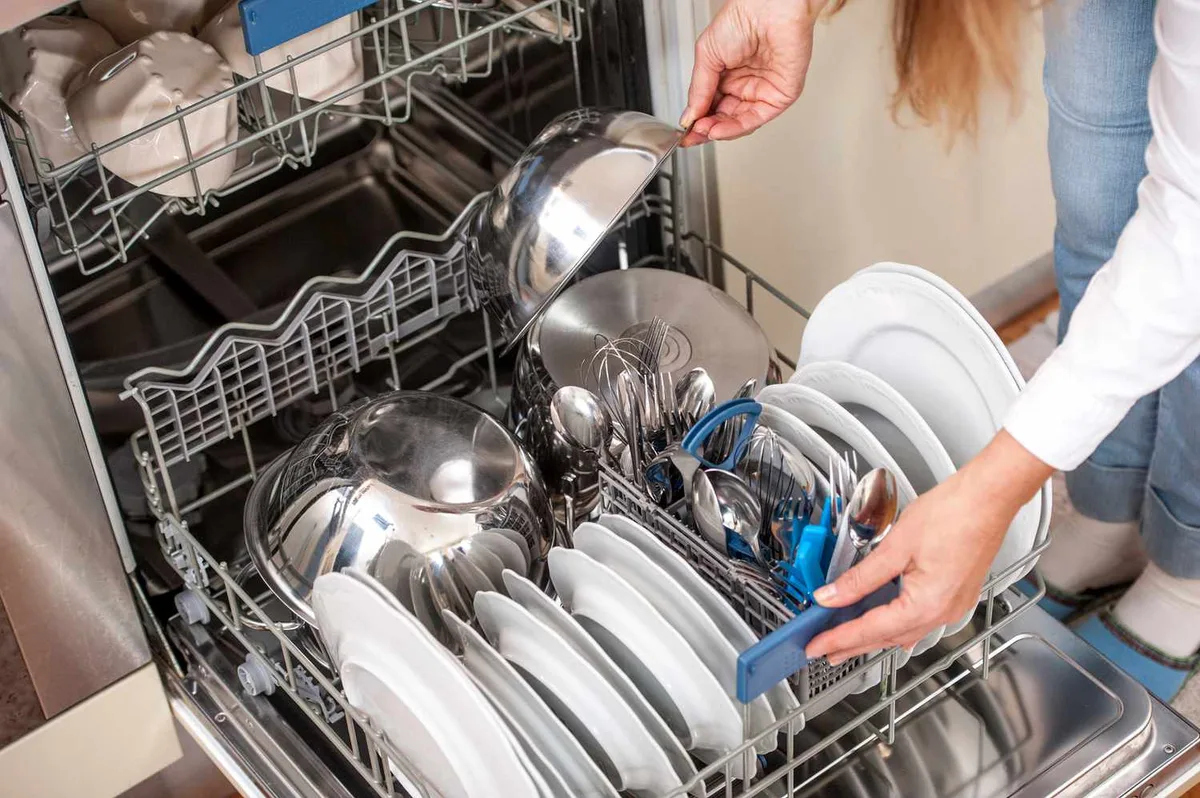
Understanding this flow helps you see why certain placements work better. For example, tall items like glasses should sit on the top rack so they don't interfere with the lower arm. Large pots and pans belong on the bottom rack, face down or angled to let water drain.
For official efficiency guidelines, see the ENERGY STAR dishwasher criteria.
Rack by Rack: Upper, Lower, and Cutlery Baskets Explained
Dishwashers come with two main racks and a cutlery basket, each designed for specific items. The upper rack is typically adjustable and meant for glasses, cups, and small bowls. The lower rack holds plates, pots, and pans.
The cutlery basket separates forks, knives, and spoons so they don't nest together.
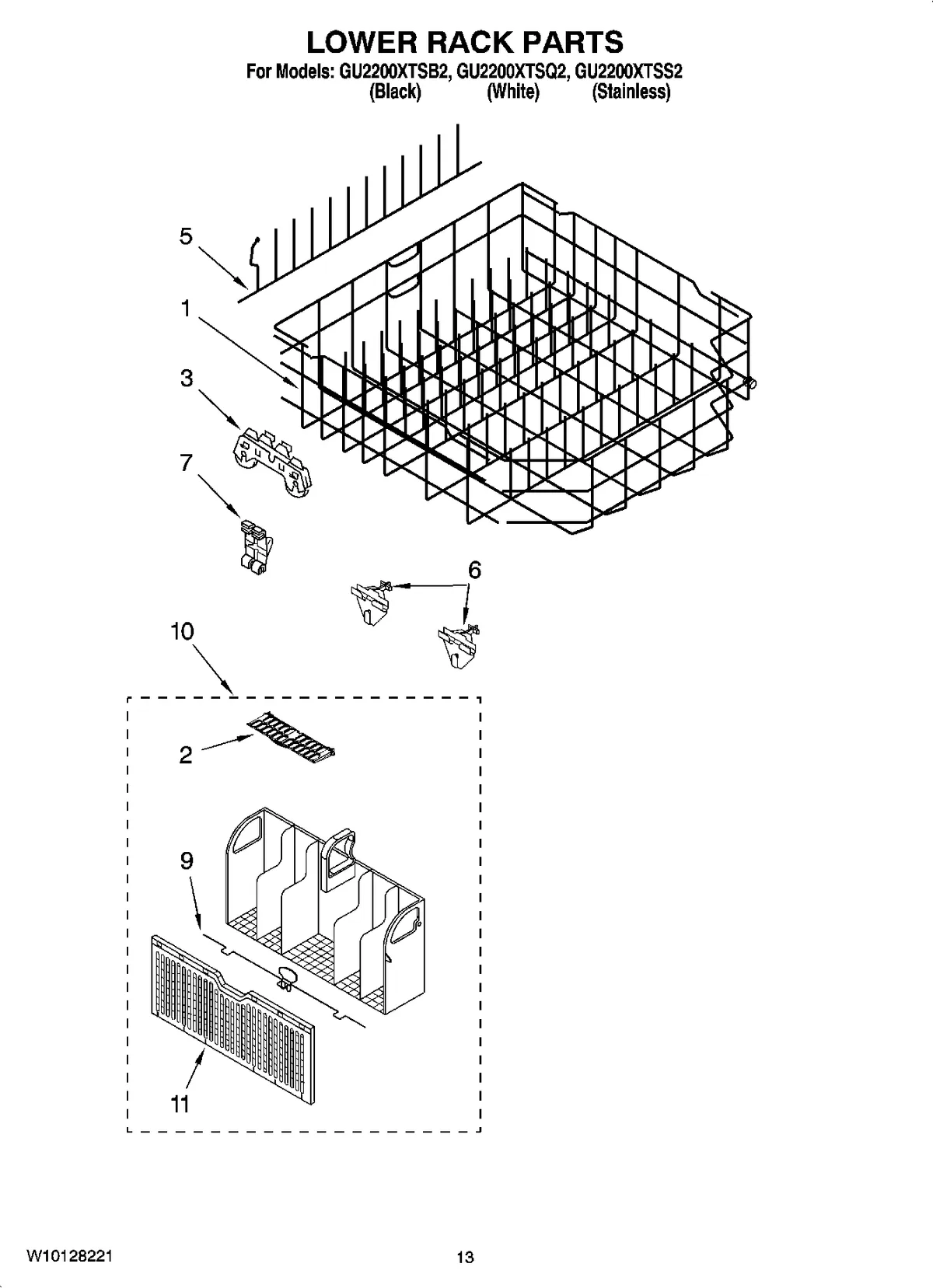
Here's a quick breakdown:
| Rack | Typical Items | Loading Tip |
|---|---|---|
| Upper | Glasses, cups, small bowls, plastic containers | Place cups open side down; tilt bowls to avoid water pooling |
| Lower | Plates, saucers, pots, pans | Stand plates vertically; leave space between each |
| Cutlery | Forks, knives, spoons, utensils | Handles up or down depending on model; mix sizes |
The upper rack often has fold-down tines or removable shelves. Use these to create space for tall glasses or to fit a large salad bowl. The lower rack tines can be folded to accommodate pots and pans, but avoid stacking plates against each other.
For a deeper look at rack layouts, check our guide on dishwasher rack layout testing.
If your lower rack won't slide smoothly, it may need adjustment. Our article on fixing a dishwasher rack that won't slide can help.
The Pre-Loading Decision: Scrape, Rinse, or Pre-Soak?
Before you load, you face a choice: scrape, rinse, or pre-soak. The trend among modern dishwasher users is to scrape rather than rinse. Pre-rinsing can actually reduce cleaning efficiency because detergent needs some food soil to work on.
Most detergent enzymes are designed to break down starches and proteins; if dishes are already clean, the enzymes have nothing to do.
However, scraping isn't optional. Large chunks of food can clog the filter and recirculate debris. Use a scraper or napkin to remove leftovers, then load.
If dishes have dried-on food, a quick pre-soak in the sink or a short rinse can help, but avoid soaking for more than a few minutes.
Manufacturers often recommend not rinsing, and the EPA's WaterSense program agrees: skipping pre-rinsing saves about 1,000 gallons of water per year for a typical household. So the best practice is scrape, don't rinse.
If you're dealing with heavy food residue, consider models designed for that scenario. Our review of dishwashers for heavy food residue without pre-rinsing can help you choose.
Loading the Bottom Rack: Plates, Pots, and Pans for Maximum Cleaning
The bottom rack does the heavy lifting. Plates should stand vertically, with their faces pointing inward toward the spray arm. This orientation ensures water hits both sides.
Avoid leaning plates against each other; that creates a barrier and leaves spots.
Pots and pans go face down or angled, never nested. If you stack a pan on top of a plate, the spray arm can't reach underneath. Large items like cookie sheets should lie flat against the back wall, but make sure they don't block the spray arm's rotation.
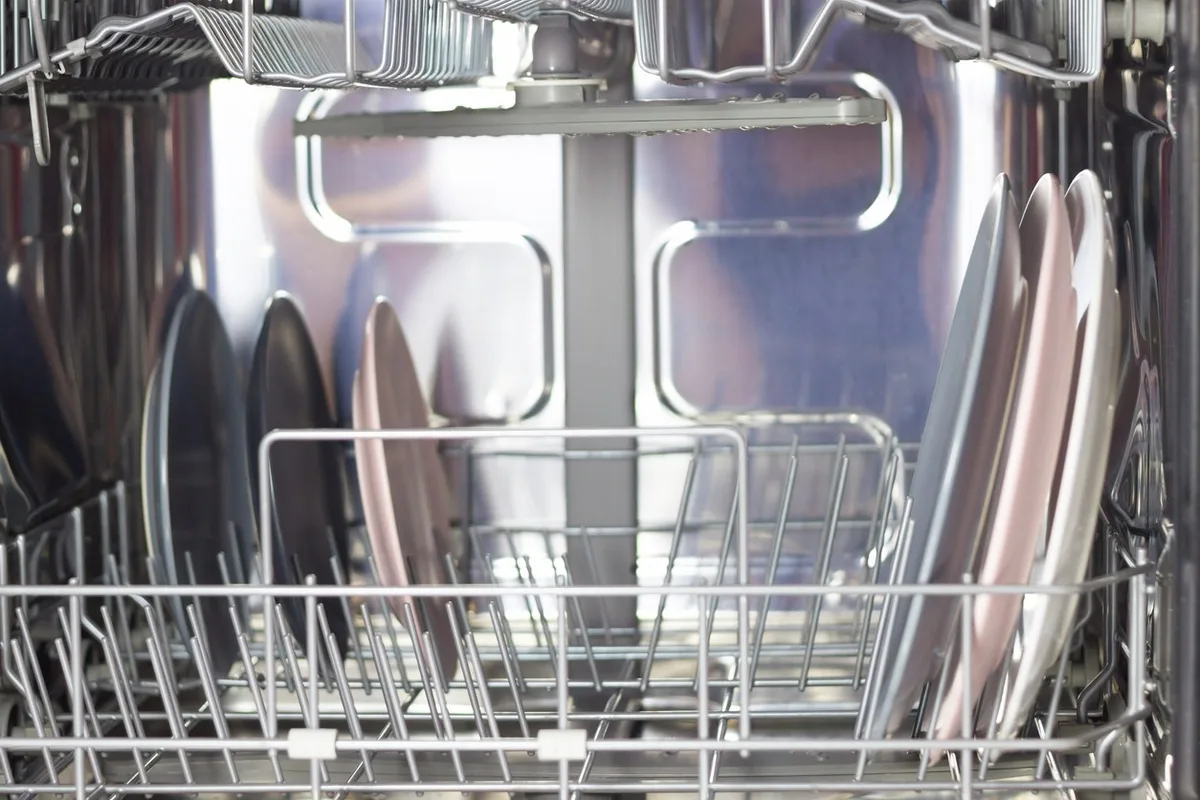
A few extra tips:
- Plates: Place them vertically, slightly tilted to let water drain. Don't crowd; leave a finger's width between each.
- Pots and pans: Turn them upside down or at an angle. If they have handles, point them toward the back to avoid blocking the arm.
- Bowls and containers: Small bowls can go on the bottom rack if they fit, but larger ones belong on the top rack to prevent blocking.
For oversized items, check if your model's lower rack can be adjusted. Some dishwashers have fold-down tines that let you fit a large pot or baking sheet. Our guide on dishwasher rack layout testing can help you figure out the best arrangement for your specific model.
Loading the Top Rack: Glasses, Bowls, and Delicate Items
The top rack is designed for items that need gentler cleaning. Glasses, cups, and small bowls fit here because the water pressure is lower. This prevents delicate pieces from shifting or breaking.
Place your glasses open side down. This lets water drain out and prevents pooling. If you have stemware, set the bowl down so the stem doesn't catch on other items.
Avoid crowding; leave a small gap between each glass.
Bowls and containers should sit tilted if possible. Many top racks have a small shelf or fold-down section for larger items. Use it to create space for a salad bowl or plastic container.
If a bowl is too large for the top rack, check the bottom rack with the tines folded down.
Plastic items belong on the top rack too. The lower rack gets hotter, which can warp thin plastic. The top rack stays cooler and is safer for these materials.
For a closer look at how different dishwashers handle large bowls, see our review of dishwashers for large bowls and awkward dishes.
A common mistake is placing heavy items on the top rack. This can cause the rack to slide out or tip. Keep the top rack for lightweight pieces only.
Cutlery and Utensils: Orientation and Basket Tips
The cutlery basket separates your forks, knives, and spoons. This prevents them from nesting together, which leaves food trapped inside the nested utensils.
Most models recommend placing handles up for forks and spoons. This lets water flow over the eating surfaces. For knives, place the blade down with the handle up.
This is safer when you unload and prevents cuts.
Mix sizes in the basket. Put a large serving spoon next to smaller teaspoons. This keeps the basket balanced and prevents tall items from blocking the spray arm.
Special utensils like ladles or potato mashers need extra care. Place them in the basket with the head pointing down. If the basket is full, use the upper rack's cup holders for small items.
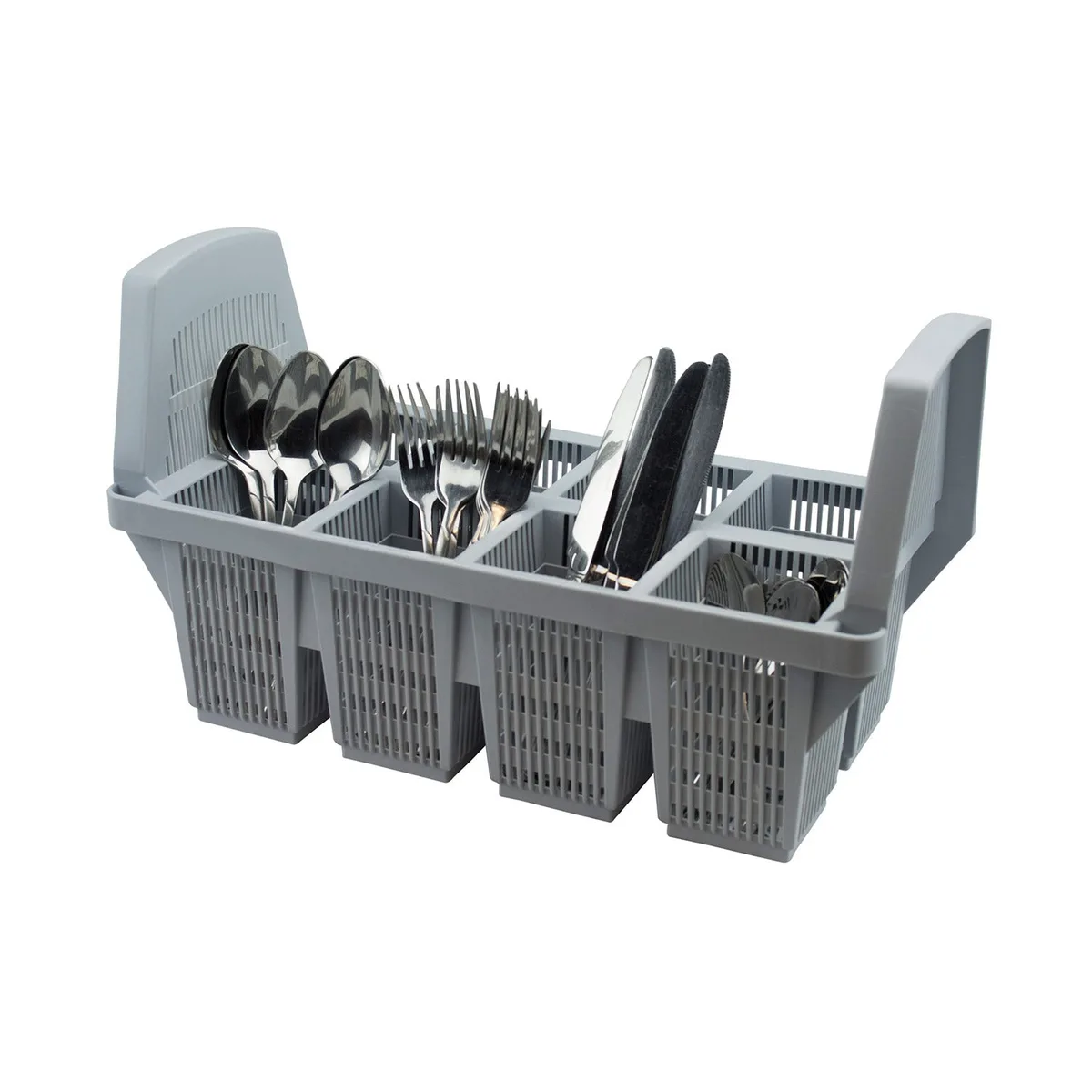
Overloading the cutlery basket is a common error. It can force the middle spray arm to stall. Leave a little space so the arm can spin freely.
Adjusting for Soil Level: Light, Heavy, and Everything In Between
How dirty your dishes are changes how you should load them. Light soil allows for tighter packing. Heavy soil needs more space for water to reach every surface.
For a light load, you can place plates closer together. Use the eco cycle, which runs at lower temperatures and uses less energy. This works for dishes that sat for a day without dried-on food.
Heavy soil requires pre-soaking or rinsing. Soak dishes in the sink for a few minutes before loading. Then use the intensive cycle, which sprays hotter water for longer.
Give each plate more space so the spray arm can clean both sides.
| Soil Level | Loading Density | Recommended Cycle | Detergent Tip |
|---|---|---|---|
| Light | Tight packing | Eco or Quick | Standard amount |
| Medium | Normal spacing | Auto Sensor | Standard amount |
| Heavy | Extra space | Intensive or Pots & Pans | Consider extra detergent pod |
If your dishwasher has a soil sensor, it will adjust the cycle automatically. But you still need to load correctly for the sensor to work well.
Sometimes dishes with baked-on food need more than a cycle. Our guide on dishwashers that won't dissolve detergent pods can help if detergent isn't working through heavy soil.
Loading for Energy and Water Efficiency: Metrics That Matter
Every time you load your dishwasher, you use water and electricity. Proper loading reduces both. A fully loaded dishwasher uses about 3 gallons of water per cycle.
An inefficient load can push that to 5 gallons or more.
Energy use follows the same pattern. A standard cycle uses 1.5 kWh. If the spray arm is blocked, the cycle runs longer and uses up to 2 kWh.
Over a year, that adds up to roughly $20 in extra electricity costs.
The EPA's WaterSense program certifies dishwashers that use no more than 3 gallons per cycle. Proper loading helps you meet that standard even on older models. For more details, see the EPA WaterSense dishwasher page.
Here's how efficient and inefficient loading compare:
| Factor | Efficient Loading | Inefficient Loading |
|---|---|---|
| Water per cycle | 3 gallons | 5+ gallons |
| Energy per cycle | 1.5 kWh | 2+ kWh |
| Cycle time | 90 minutes | 120+ minutes |
| Cleaning result | Clean, spot-free | Residue, spots |
By taking an extra minute to arrange dishes, you save water, energy, and money. It's a small habit with a big return.
Common Loading Mistakes That Lead to Spots, Residue, or Poor Cleaning
Even with good intentions, it's easy to make loading errors. Here are the most common ones and how to fix them.
Overloading is the top mistake. When you cram too many dishes in, the spray arm can't move. This leaves some items unwashed and others with residue.
Remove a few pieces if the rack feels tight.
Nesting plates is another issue. If two plates touch, water can't reach the middle. Stand them vertically with a small gap.
If your plates are large, angle them slightly to create space.
Placing bowls upside down can trap water inside. Instead, tilt them so water drains out. A bowl that holds water will have a pool when the cycle ends, leading to spots.
Forgetting rinse aid is a common cause of spots. Rinse aid helps water sheet off dishes. Without it, droplets dry and leave mineral deposits.
Check the dispenser monthly and refill when low.
If dishes come out with film or residue, the problem might be detergent placement. Make sure the detergent cup closes fully and the pod is in the right spot. Our article on dishwashers that won't dissolve detergent pods covers this in detail.
Lastly, not cleaning the filter regularly can cause dirty water to recirculate. Rinse the filter under the sink once a month.
Troubleshooting: When Dishes Come Out Dirty Despite Proper Loading
Even when you follow all the loading rules, dishes can still come out dirty. The issue usually lies somewhere else in the system. Here's how to diagnose the problem.
If dishes have food residue, the spray arms might be clogged. Check the holes in each arm for debris. A toothpick or paperclip can clear small blockages.
If the arms don't spin freely, the motor or bearing might be failing.
Spots and film often come from rinse aid issues. Make sure the dispenser is filled. If spots persist, the water might be too hard.
A water softener or rinse aid with built-in softener can help.
For a deeper look at specific problems, see our guides on dishwashers that won't dissolve detergent pods and dishwashers with low water pressure.
Here's a quick decision tree for common issues:
| Symptom | Likely Cause | Solution |
|---|---|---|
| Food residue on plates | Clogged spray arm or filter | Clean both; check arm rotation |
| White spots on glasses | Low rinse aid or hard water | Refill rinse aid; consider water softener |
| Cloudy film on dishes | Too much detergent or wrong type | Use correct amount; switch detergent if needed |
| Odors from dishwasher | Dirty filter or standing water | Clean filter; run a maintenance cycle |
| Dishes not drying | Heated dry failure or door not closing | Check heating element; see our drying guide |
If your dishwasher keeps stopping mid-cycle, that's a different problem. Our article on dishwashers that keep stopping can help diagnose that issue.
Safety Considerations: Hot Water, Detergent, and Childproofing
Dishwashers use water hot enough to cause serious burns. The water inside during a cycle can reach 130°F or higher. Never open the door mid-cycle to add a dish.
Wait for the cycle to finish and the water to settle.
Detergent pods and powders are toxic if ingested. Keep them in a locked cabinet or high shelf. Children might mistake pods for candy.
If someone ingests detergent, call poison control immediately.
Most modern dishwashers have a child lock feature. Check your control panel for a button that locks the door and controls. If your model doesn't have one, use a cabinet lock to keep kids out.
Electrical safety is also important. Don't reach into a running dishwasher. The motor and heating element are energized during operation.
If you need to load or unload while running, turn the machine off first.
For more on dishwasher door issues, see our guide on fixing a dishwasher door that won't close. A door that won't latch is a safety risk.
Dishwasher Loading FAQ: Answers to Common Questions
Why are my dishes still dirty after a full cycle?
The most common cause is blocked spray arms. Check that both arms spin freely. Also clean the filter at the bottom of the tub.
Food debris can recirculate if the filter is clogged. If the problem persists, the detergent might not be dissolving properly. Our guide on dishwashers that won't dissolve detergent pods covers this in detail.
How often should I clean the dishwasher filter?
Once a month is the standard recommendation. Rinse the filter under running water to remove food particles. A clean filter prevents odors and ensures proper drainage.
If you notice food residue on dishes more often, clean the filter sooner.
Is it safe to put plastic items in the dishwasher?
Yes, but only on the top rack. The lower rack gets hotter and can warp thin plastic. Place lightweight plastic containers on the upper rack, open side down.
Avoid putting plastic near the heating element at the bottom.
Should I rinse dishes before loading them?
No. Modern dishwashers and detergents are designed to handle food soil. Pre-rinsing removes the food that enzymes need to work on.
Scrape off large chunks instead. The EPA's WaterSense program estimates that skipping pre-rinsing saves about 1,000 gallons of water per year per household.
What's the best way to load wine glasses?
Place wine glasses on the top rack with the bowl facing down. Use the stemware holder if your model has one. Don't let the bowl touch other glasses.
This prevents water from pooling and keeps spots away.
Why does my dishwasher leave white spots on glasses?
White spots usually come from hard water minerals. When water evaporates, it leaves behind calcium and magnesium. Rinse aid helps water sheet off so droplets don't dry on the surface.
If spots persist, your water might be very hard. A water softener or a different rinse aid formula can help.
Your Personalized Loading Decision Guide: A Quick Flowchart for Success
Not every load is the same. Use this simple flow to decide how to load your dishwasher based on what's inside.
Start here: What type of dishes are you loading?
- Mostly plates and bowls? → Load vertically on the bottom rack, faces inward. Place bowls on the top rack tilted open.
- Lots of pots and pans? → Fold down tines on the bottom rack. Place pots face down or angled. Don't stack them.
- Delicate glassware? → Use the top rack. Place glasses open side down. Leave space between each.
- Mixed load? → Heavy items on the bottom, light items on top. Cutlery in the basket, handles up.
Next question: How dirty are the dishes?
- Light soil (sat a day)? → Pack tighter. Use eco cycle. Standard detergent amount.
- Medium soil (normal meal)? → Normal spacing. Use auto sensor cycle. Standard detergent amount.
- Heavy soil (baked-on food)? → Pre-soak briefly. Use intensive cycle. Consider extra detergent.
Final check: Do you have any unusual items?
- Large baking sheets? → Lay flat against the back wall. Make sure they don't block the spray arm.
- Plastic containers? → Top rack only. Open side down.
- Cutlery with food stuck on? → Rinse briefly or pre-soak. Place in basket with heads down.
If your dishwasher still can't handle certain items, it might be time to upgrade. Our review of dishwashers for large bowls and awkward dishes can help you find a model with better rack flexibility.
For households with heavy daily use, check out our guide to dishwashers for large families.