
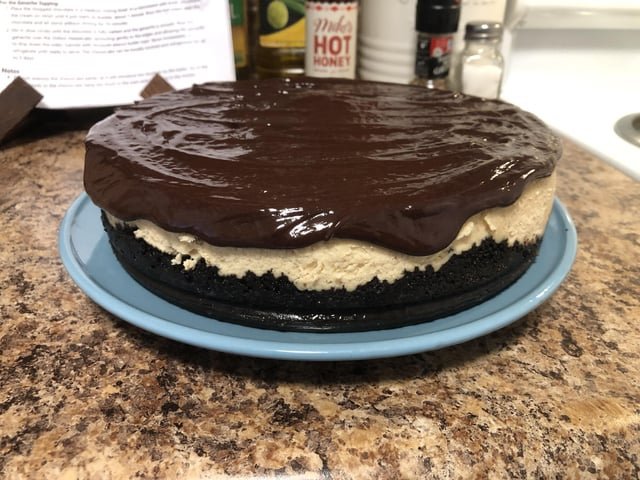
You’ve just baked the perfect cake. It looks golden and smells divine.
But now comes the tricky part: removing it from the pan without leaving half of it stuck to the sides. We’ve all been there, and it’s frustrating when your masterpiece doesn’t make it to the plate intact. The good news?
You’re about to discover the best way to remove cake from a pan without any stress or mess. Imagine the satisfaction of effortlessly sliding your cake out, perfectly intact, ready to be frosted and admired. This guide is your secret weapon to achieving that every single time. Let’s ensure your cake is the star of the show, not a crumbly mess. Dive in, and let’s make cake removal a breeze.
Choosing The Right Pan
Selecting the right pan ensures easy cake removal. Grease the pan well before adding the batter. After baking, cool the cake slightly, then gently run a knife around the edges. Carefully invert the pan onto a plate. Enjoy your perfectly intact cake.
Choosing the right pan can make all the difference when it comes to creating the perfect cake. Have you ever struggled with a cake that stubbornly sticks to the pan? The secret often lies in your pan choice. Selecting the right material, size, and shape can be the key to a flawless cake release. Let’s dive into what you need to know.Material Considerations
The material of your pan plays a significant role in how your cake bakes and releases. Non-stick pans are popular for their easy cake release, but they can sometimes produce uneven browning. Aluminum pans offer even heat distribution, ensuring your cake bakes uniformly. However, cakes might stick more unless properly greased. Silicone pans, while offering flexibility and easy removal, can sometimes result in less browning on the sides. Choose based on your baking priority: ease of release or perfect browning.Size And Shape Matters
Have you ever tried fitting a square peg in a round hole? The same concept applies to cake pans. The size and shape of your pan can affect cooking time and cake texture. A larger pan means a thinner cake layer, which might bake faster and dry out. Conversely, a smaller pan can lead to a thicker cake, requiring more time to bake evenly. Round pans are classic and versatile, but don’t overlook the charm of a bundt or loaf pan for unique presentations. Think about the occasion and audience when choosing your pan’s size and shape. Ultimately, the perfect cake starts with the perfect pan. Have you found your ideal baking companion?
Credit: www.youtube.com
Preparing The Pan
Grease and flour the pan thoroughly to prevent sticking. Allow the cake to cool before gently loosening the edges with a knife. Flip the pan and tap lightly to ease the cake out smoothly.
Preparing the pan is a critical step that can make or break your baking experience. The joy of baking is often marred by the frustration of a cake sticking to the pan. By taking a few simple precautions, you can ensure a smooth and flawless cake release every time.Greasing Techniques
Greasing the pan is essential for preventing your cake from sticking. You have several options, such as using butter, shortening, or non-stick spray. Butter provides a rich flavor but can be challenging to spread evenly. Shortening offers a neutral taste and is more straightforward to apply. Non-stick sprays are convenient and ensure even coverage, but they might not give the same depth of flavor as butter. To enhance the effectiveness, consider adding a dusting of flour after greasing. This creates a barrier between the cake and the pan. Remember, the goal is to create a thin, even layer so your cake can slide out effortlessly.Using Parchment Paper
Parchment paper is your best friend when it comes to ensuring a clean cake release. Cut a piece to fit the bottom of your pan, and you’ll have a reliable safeguard against sticking. Trace the outline of the pan on the parchment paper and cut along the line. This ensures a perfect fit. Place it at the bottom of the greased pan, which creates a double layer of protection. Some bakers swear by this method, saying it’s foolproof. If you’ve ever experienced the disappointment of a cake stuck to the pan, you’ll appreciate the simplicity and effectiveness of parchment paper. Have you tried using parchment paper before, or do you stick to greasing? Each method has its advocates, but combining both can be your insurance for cake success.Cooling The Cake
Allow the cake to cool for 10 minutes in the pan before attempting removal. Use a butter knife to gently loosen the edges. Carefully flip onto a cooling rack to maintain shape and texture.
Cooling a cake is a critical step in achieving the perfect texture and taste. It’s the moment when your cake transforms from a hot, sticky mess into a delightful dessert ready for frosting and serving. But how do you cool a cake effectively without compromising its quality? Let’s dive into some practical tips that can help you with this essential part of baking.Optimal Cooling Time
Timing is everything when it comes to cooling your cake. If you’re too eager and rush the process, you might end up with a cake that crumbles or sticks to the pan. Generally, allowing your cake to cool for about 10 to 15 minutes in the pan is ideal. This short period lets the cake firm up slightly without losing its moisture. Have you ever noticed that a cake straight out of the oven smells fantastic, but seems fragile? That’s because it needs time to settle. Allowing it to cool ensures that it won’t fall apart when you try to remove it from the pan.Using A Cooling Rack
After the initial cooling in the pan, transfer your cake to a cooling rack. This is a game-changer. A cooling rack promotes even airflow around the cake, preventing soggy bottoms. Simply flip the cake out of the pan onto the rack, allowing gravity to do the work. Have you tried cooling a cake on the counter and ended up with a moist underside? That’s because the lack of air circulation can trap heat and moisture. A cooling rack avoids this problem, ensuring your cake cools evenly and retains its perfect texture. Do you feel tempted to cut into the cake too soon? Resist the urge and let it cool completely. This patience pays off with every bite that’s soft yet firm. So, next time you’re baking, remember that cooling is not just a step—it’s part of the magic that makes your cake extraordinary.
Credit: www.reddit.com
Releasing The Cake
Releasing a cake from its pan can be a nerve-wracking moment for any baker. You’ve put in time and effort, and now you need to ensure your masterpiece doesn’t end up a crumbly mess. Whether you’re a seasoned baker or a newbie in the kitchen, the methods below will help you release your cake with ease and confidence.
Knife And Spatula Methods
One of the simplest ways to release a cake is by using a knife or spatula. A thin, flexible knife or spatula can be your best friend here. Carefully slide it around the edges of the cake. Make sure the tool is perpendicular to the pan to avoid cutting into the cake itself.
As you move around the pan, you’ll feel the cake starting to loosen. A gentle hand ensures you don’t damage the delicate edges of your cake. Ever had a cake stick because you rushed this step? It’s worth the patience.
Sometimes, a bit of warm water can help too. Dip your knife or spatula into warm water before sliding it around the edges. The warmth can help melt any stubborn sugar sticking to the pan. Have you tried this trick before?
Inverting The Cake
Inverting the cake is another popular method. Place a cooling rack or plate over the top of your cake pan. Firmly hold both the pan and the rack or plate, and flip them over in one swift motion.
Gravity will help your cake slide out, especially if you’ve greased the pan well beforehand. Did you know using parchment paper can make this step even smoother? Simply line the bottom of your pan before baking, and watch your cake glide out effortlessly.
Gently tap the bottom of the pan to encourage any stubborn spots to let go. This method often surprises people with how effective it is. Have you ever had a cake fall apart during this step? Share your thoughts on what went wrong!
Troubleshooting Stuck Cakes
There’s nothing more frustrating than a cake stuck in the pan. It can ruin your baking efforts and leave you feeling defeated. Understanding effective methods to free a stuck cake is essential. Let’s explore some simple tricks to rescue your cake without damage.
Hot Towel Trick
Wrap a warm towel around the cake pan. Ensure the towel is not soaking wet. The warmth helps loosen the cake from the pan edges. Wait for a few minutes to let the heat work its magic. This method is gentle and minimizes cake breakage.
Freezer Method
Place the cake in the freezer for 30 minutes. Cold temperatures shrink the cake slightly. This makes it easier to release from the pan. Once removed, let it sit at room temperature before serving. It’s a simple technique for those stuck cakes.
:max_bytes(150000):strip_icc()/cake-serving-realsimple-bf3bf79f76b6498da647ee374a18043f.jpg)
Credit: www.realsimple.com
Expert Tips And Tricks
Successfully removing a cake from its pan can feel rewarding. It involves more than just flipping it over. Expert tips and tricks can make this task easier. With the right techniques, your cake will come out beautifully. Avoid frustration and ensure a perfect finish every time.
Common Mistakes To Avoid
Rushing the cooling process leads to cake breakage. Let the cake cool completely. Trying to remove it while hot causes crumbling. Using the wrong tools can ruin the cake’s texture. Avoid sharp knives. They might damage the cake’s surface. Forgetting to grease the pan is a common error. A greased pan ensures smooth release. Choose your pan wisely. Non-stick pans make removal easier.
Pro Techniques For Perfect Release
Use parchment paper for a seamless release. Line the bottom of the pan. This prevents sticking. Run a spatula around the cake’s edges. This loosens any stuck parts. Turn the cake upside down slowly. This prevents sudden drops. A gentle tap helps. It encourages the cake to slide out. For stubborn cakes, use a warm cloth. Wrap the bottom of the pan briefly. Heat helps the cake release. Ensure your cake is fully cooled. A warm cake sticks more.
Frequently Asked Questions
How To Prevent Cake From Sticking To Pan?
To prevent sticking, always grease and flour your cake pan. Use parchment paper for extra assurance. Ensure the cake cools for a few minutes before attempting to remove it. This allows the cake to set slightly, reducing the risk of breakage.
Proper preparation is key for a flawless cake release.
What Tools Help Remove Cake From Pan?
Use a flexible spatula or knife to loosen cake edges. A cooling rack is essential for flipping the cake. Silicone bakeware can also be a great option for easy removal. These tools help ensure a clean and successful cake release from the pan.
When Should I Remove Cake From Pan?
Allow your cake to cool for 10-15 minutes in the pan. This cooling time helps the cake set and makes removal easier. However, don’t wait too long as it might stick. Timing is crucial for a smooth and successful cake release.
Can I Use A Towel To Remove Cake?
Yes, a damp towel can help release a cake. Place the towel under the pan for a few minutes. The steam helps loosen the cake. This method is particularly useful for stubborn cakes that don’t release easily from the pan.
Conclusion
Removing a cake from a pan can be simple. Just follow the right steps. Let the cake cool completely. Use a knife to loosen the edges. Flip the pan gently. Tap the bottom if needed. The cake should release easily.
Practice makes it easier over time. With these tips, enjoy perfect cakes every time. Keep baking fun and stress-free. Share your delicious results with friends and family. Baking is a joy, not a chore. Happy baking!
