
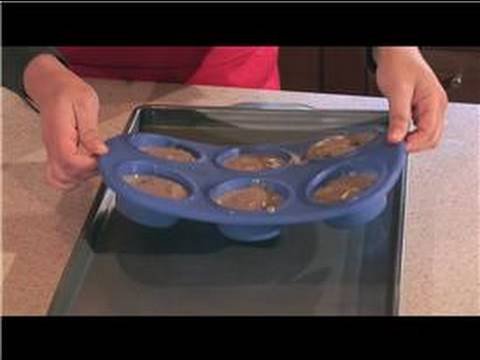
Imagine the joy of effortlessly popping perfectly baked muffins out of their pans. Sounds fantastic, right?
But before you start baking, you might be wondering, “Do silicone muffin pans need to be sprayed? ” If you’ve ever found yourself frustrated with muffins sticking to traditional pans, you’re not alone. Silicone pans promise a hassle-free baking experience, but understanding their quirks can make all the difference between a baking triumph and a sticky mess.
Dive into this article as we unravel the secrets of silicone muffin pans and discover if you really need that extra spritz. Get ready to transform your baking adventures and achieve those flawless muffins every time!
Silicone Muffin Pans Basics
Silicone muffin pans have become a kitchen favorite. They are flexible, non-stick, and easy to clean. Many bakers wonder if these pans need spraying before use. Understanding the basics of silicone muffin pans can help in using them effectively.
Understanding Silicone Material
Silicone is a synthetic polymer. It is known for its heat-resistant properties. This material is perfect for baking. It can withstand high temperatures without melting. Silicone muffin pans are durable and versatile.
Non-stick Nature
Silicone muffin pans are naturally non-stick. This means less food residue left behind. Muffins pop out easily after baking. Many people find this feature convenient. It reduces the need for extra greasing.
Flexibility And Storage
These pans are flexible. They can be bent without breaking. This makes storage easier. They can fit into tight spaces. This is a great advantage for small kitchens.
Easy To Clean
Cleaning silicone muffin pans is simple. Most are dishwasher safe. Hand washing is also easy. The non-stick feature helps reduce scrubbing. This saves time in the kitchen.
Considerations Before Use
Though non-stick, some bakers prefer spraying. This ensures muffins release without sticking. Lightly spraying can ease removal. It is a personal choice. Understanding the basics helps decide what works best.
Pros Of Using Silicone Muffin Pans
Silicone muffin pans offer easy release, often eliminating the need for spraying. Their flexible nature ensures quick cleanup. These pans are durable and can withstand high temperatures, making baking hassle-free and enjoyable.
Pros of Using Silicone Muffin Pans Silicone muffin pans have become popular kitchen tools for many home bakers. Their flexibility and ease of use make them a favored choice. But what exactly makes them stand out?1. Non-stick Surface
One of the biggest advantages is their non-stick surface. You often don’t need to spray them with oil or butter. This can save you time and reduce your use of extra fats.2. Easy To Clean
Cleaning silicone muffin pans is a breeze. A quick rinse with warm soapy water usually does the trick. They’re also dishwasher-safe, which is a great bonus.3. Flexibility And Storage
Silicone pans are flexible, making it easy to pop out your muffins without any hassle. This flexibility also means they can be folded or rolled for storage. It’s perfect for kitchens with limited space.4. Durable And Long-lasting
These pans are incredibly durable. They can withstand extreme temperatures from the oven to the freezer. You won’t have to worry about them warping or breaking easily.5. Safe And Environmentally Friendly
Silicone is non-toxic and safe for food use. It doesn’t leach harmful chemicals into your food. Plus, by reducing the need for disposable liners or sprays, you’re making a more sustainable choice.6. Versatile Uses
Silicone muffin pans aren’t just for muffins. You can use them to make cupcakes, mini quiches, or even freeze ice cubes. They’re a versatile addition to any kitchen. Have you ever thought about how much time and effort you can save with a simple switch? Consider trying a silicone muffin pan for your next baking session. You might find it changes the way you bake for good.Non-stick Nature Of Silicone
Silicone muffin pans have gained popularity in modern kitchens. They offer a unique non-stick surface. This feature makes baking easier for many home cooks. Understanding how this material works can help in baking success.
Understanding Silicone’s Non-stick Surface
Silicone pans are crafted from flexible, rubber-like material. This material naturally resists sticking. Unlike metal pans, silicone does not require a coating. It reduces the need for extra butter or oil.
Benefits Of Non-stick Silicone
Silicone pans offer easy release of baked goods. This feature helps muffins pop out effortlessly. No more scraping or struggling with stuck treats. Cleanup becomes quick and simple.
Do You Need To Spray Silicone Muffin Pans?
Many wonder if silicone pans need greasing. Usually, they do not require spraying. Their non-stick nature often suffices. For added assurance, a light spray might be used. It depends on personal preference.
Maintaining Your Silicone Muffin Pans
Proper care extends the life of silicone pans. Avoid using sharp utensils that may scratch. Handwashing with mild soap keeps them in top condition. Ensure they are fully dry before storing.

Credit: www.reddit.com
Why Spraying Might Be Recommended
Silicone muffin pans are popular for their non-stick qualities. Many wonder if spraying them is necessary. While silicone offers natural non-stick properties, spraying might enhance results. Let’s explore why spraying can be recommended for these pans.
Enhancing Non-stick Properties
Silicone pans are non-stick, but some foods cling. Spraying ensures easy release every time. This simple step can prevent muffins from tearing apart.
Preserving Muffin Shape
Muffins can lose their shape during removal. Spraying helps maintain their structure. The muffins come out perfectly shaped and intact.
Reducing Cleaning Time
Cleaning silicone can be tricky when food sticks. Spraying makes cleaning faster. Less residue remains, saving time and effort.
Improving Texture
Spraying can enhance muffin texture. It helps achieve a golden-brown crust. This slight crisp adds appeal to your baked goods.
Preventing Overbaking
Sticking might lead to overbaking. Spraying avoids this by ensuring easy removal. Muffins retain their moisture and flavor.
Versatility In Baking
Spraying allows experimenting with recipes. Some mixtures are stickier than others. Spray helps handle diverse baking challenges.
Influence Of Recipe Ingredients
Using silicone muffin pans can be a game-changer in the kitchen, but do they need to be sprayed? The answer often lies in the ingredients of your recipe. Different ingredients can interact with the silicone surface in unique ways, influencing whether you need that extra spray of oil. Let’s dive into how your choice of ingredients impacts this decision.
Imagine you’re baking your favorite chocolate chip muffins. The butter content in your recipe might be enough to naturally prevent sticking. Silicone pans are known for their non-stick properties, but high-fat ingredients like butter or oil enhance this feature even further. Have you ever noticed how easily brownies or cupcakes with a high-fat content release without any spray?
On the flip side, consider recipes with leaner ingredients, such as those made with applesauce or yogurt instead of butter. These lower-fat substitutes can result in a stickier batter. You might find your muffins clinging to the silicone surface if you skip the spray. A light mist of cooking spray could make all the difference between a perfectly formed muffin and a crumbly mess.
Do Ingredients Affect Baking Time?
Yes, they do! If your recipe includes high-sugar content, the muffins might caramelize more quickly. This caramelization can sometimes lead to sticking, even in silicone pans. A quick spray can help prevent this, ensuring your muffins maintain their shape and texture.
Conversely, recipes with more liquid ingredients may take longer to bake. This extended baking time can increase the risk of sticking due to moisture. Again, a touch of cooking spray could be the solution you need.
Is Spraying Always Necessary?
It’s not always necessary, but here’s a thought: What’s the harm in adding a quick spray to ensure your muffins slide out effortlessly? Think about the time saved and the frustration avoided. If you’re experimenting with new recipes or unfamiliar ingredients, err on the side of caution with a light spray.
Have you ever found yourself scraping muffins out of a pan, only to end up with half the muffin on your knife? A little spray can prevent this scenario, letting you focus on enjoying your culinary creation.
Ultimately, the need for spraying silicone muffin pans boils down to the ingredients in your recipe. Consider the fat content, sugar levels, and moisture, and you’ll have a better idea of whether a spray is necessary. Next time you bake, ask yourself: Do my ingredients call for a little extra help?

Credit: www.amazon.com
Cleaning And Maintenance Tips
Silicone muffin pans offer a non-stick baking experience. But, maintaining them ensures longevity. Proper cleaning preserves their quality and performance. Here are some simple tips to keep your silicone muffin pans in top shape.
1. Use Mild Soap And Warm Water
Wash your silicone muffin pan with mild dish soap. Use warm water for best results. This helps remove grease and residue. Avoid harsh chemicals to prevent damage.
2. Avoid Abrasive Scrubbers
Use a soft sponge or cloth for cleaning. Abrasive scrubbers can scratch the surface. Scratches can affect the pan’s non-stick property. Be gentle while cleaning to maintain its quality.
3. Dry Completely Before Storing
Ensure the pan is completely dry before storing. Moisture can lead to mold or odor. Use a clean towel to dry it thoroughly. Store in a cool, dry place for best results.
4. Remove Stubborn Stains With Baking Soda
Baking soda helps remove tough stains. Make a paste with water and apply it. Let it sit for a few minutes. Rinse and wash as usual for a clean pan.
5. Avoid Direct Heat
Do not expose silicone pans to direct heat. This includes stovetops or open flames. Direct heat can damage the material. Always use them within recommended temperature limits.
Expert Opinions And Baking Tips
Silicone muffin pans often don’t need spraying due to their non-stick surface. Experts recommend lightly greasing them for extra assurance. This ensures muffins pop out easily without sticking, enhancing your baking experience.
Are you wondering whether to spray your silicone muffin pan before baking? You’re not alone. Many home bakers and professionals have debated this topic. Let’s dive into expert opinions and baking tips to clear up the confusion.What The Experts Say
The consensus among baking experts is divided. Some suggest that silicone pans, known for their non-stick properties, don’t need additional greasing. Their smooth surfaces often allow baked goods to pop right out. However, other experts recommend a light spray, especially for first-time use. This can prevent any unexpected sticking and help your muffins slide out easily. It’s always better to be safe than sorry, particularly when presenting beautiful muffins to guests.Personal Experience With Silicone Muffin Pans
Using silicone pans in my kitchen has been a game-changer. I remember my first attempt; I didn’t spray the pan, thinking it was unnecessary. The muffins stuck a bit, causing some to break apart. A light mist of cooking spray in subsequent bakes made a noticeable difference. The muffins released smoothly, retaining their perfect shape. It taught me that a small step can have a big impact on your baking success.Tips For Perfect Muffins
– Lightly Grease: Even if experts are split, a quick spray can ensure your muffins release without a hitch. – Cool Before Removing: Let your muffins cool slightly before removing them from the pan. This helps firm them up. – Check Your Recipe: Some recipes have higher sugar content, which can cause sticking. Adjust greasing based on your recipe.Should You Always Spray Silicone Muffin Pans?
Consider your recipe and past experiences. If you’ve had sticky situations before, a light spray is a good precaution. But if you’ve had success without it, you might skip it. Each baking journey is unique, so find what works best for you.Are There Alternatives To Spraying?
Yes, you can also use a pastry brush to apply melted butter or oil. This can be a healthier and more controlled option. Or, if you prefer avoiding sprays altogether, parchment paper liners can be a great solution. Remember, baking is as much about experimentation as it is about following recipes. What works for one baker may not work for another. Don’t be afraid to try different methods to find your perfect muffin baking routine. What will you try next time?Alternatives To Spraying
Silicone muffin pans often don’t need spraying due to their non-stick properties. Users can try greasing lightly or using muffin liners instead. These alternatives help prevent sticking and make cleanup easier.
Have you ever found yourself staring at your silicone muffin pan, wondering if it really needs to be sprayed? You’re not alone. Many baking enthusiasts ponder over this dilemma. While spraying your silicone muffin pan can help prevent sticking, there are several alternatives that can be just as effective. These options not only save you from the hassle of using aerosol sprays but also contribute to a cleaner kitchen environment.Using Baking Liners
Baking liners are a fantastic alternative to spraying. They provide a non-stick surface for your muffins and come in various sizes and colors. Imagine the joy of removing your muffins without leaving any crumbs behind! You can easily find liners made of parchment or silicone, which are reusable and environmentally friendly.Greasing With Butter Or Oil
Another tried and true method is greasing your silicone muffin pan with butter or oil. This method adds a rich flavor to your baked goods. Simply use a pastry brush to apply a thin layer of melted butter or oil. Have you ever tried adding a sprinkle of flour after greasing? It can work wonders for releasing muffins effortlessly.Non-stick Baking Spray Alternatives
If you’re looking to avoid traditional sprays, consider using non-stick baking sprays that are eco-friendly. These sprays are often made with natural ingredients and can be a healthier option for your kitchen. Some even come in pump bottles, reducing waste and providing you with control over how much you use.Homemade Non-stick Solutions
Feeling adventurous? Create your own non-stick solution. Mix equal parts of vegetable oil and flour to form a paste. You can store this in a jar for future use, ensuring your muffin pan is always ready for action. This homemade mixture is economical and helps you avoid artificial additives. Silicone muffin pans are known for their non-stick properties, but the above alternatives offer a chance to experiment and find what works best for you. What will you try next time you bake?Environmental And Health Considerations
Silicone muffin pans are popular for baking. They offer non-stick surfaces and flexibility. But do they need to be sprayed? Many home bakers ask this question. The answer involves environmental and health considerations.
Environmental Impact
Silicone is eco-friendly. It’s durable and reusable. Unlike metal pans, silicone doesn’t rust. This reduces waste. Using silicone pans can lower landfill contributions. Silicone production is less harmful than other materials. It doesn’t release toxins into the air.
Health Benefits
Silicone is safe for food use. It doesn’t leach chemicals. You can bake without sprays. This reduces exposure to unhealthy additives. Silicone withstands high temperatures. It doesn’t break down during cooking. This ensures your food is safe.
Avoiding Unnecessary Additives
Spraying pans adds extra ingredients. Many sprays contain propellants. These can be unhealthy. Silicone’s non-stick nature reduces the need for sprays. This helps keep your food pure and natural.
Easy Cleaning And Maintenance
Silicone pans are easy to clean. They rarely need scrubbing. This means less water use. You save time and resources. The pan’s surface resists stains. This makes maintenance simple.
:max_bytes(150000):strip_icc()/ms-silicone-pan-getty-f19d374f8c454f71a0a1f2231bee0f94.jpg)
Credit: www.marthastewart.com
Frequently Asked Questions
Do Silicone Muffin Pans Require Oiling?
Silicone muffin pans usually don’t need oiling due to their non-stick nature. However, lightly spraying with oil can ensure easy release. This is especially helpful for recipes with low-fat content. Always check the manufacturer’s instructions for specific recommendations.
Can I Use Silicone Pans Without Greasing?
Yes, you can often use silicone pans without greasing. Their non-stick properties typically suffice. For some recipes, greasing might improve results. It’s best to test with your specific recipe to decide what’s necessary.
Is It Necessary To Spray Silicone Bakeware?
Spraying silicone bakeware isn’t always necessary, but it can be beneficial. Some users find it ensures easier removal of baked goods. Lightly spraying can help, especially with sticky or delicate recipes.
Does Food Stick To Silicone Muffin Pans?
Food generally doesn’t stick to silicone muffin pans. Their non-stick design helps in easy food release. However, for intricate or sticky recipes, a light spray or greasing might help in ensuring perfect results.
Conclusion
Spraying silicone muffin pans isn’t always necessary. Many pans have non-stick surfaces. This means you often need no extra spray. But, spraying can help with easier cleanup. It also ensures muffins release perfectly. Consider your recipe and personal preference. Some ingredients stick more than others.
For best results, experiment a little. Try with and without spray. See what works best for you. Happy baking!
