
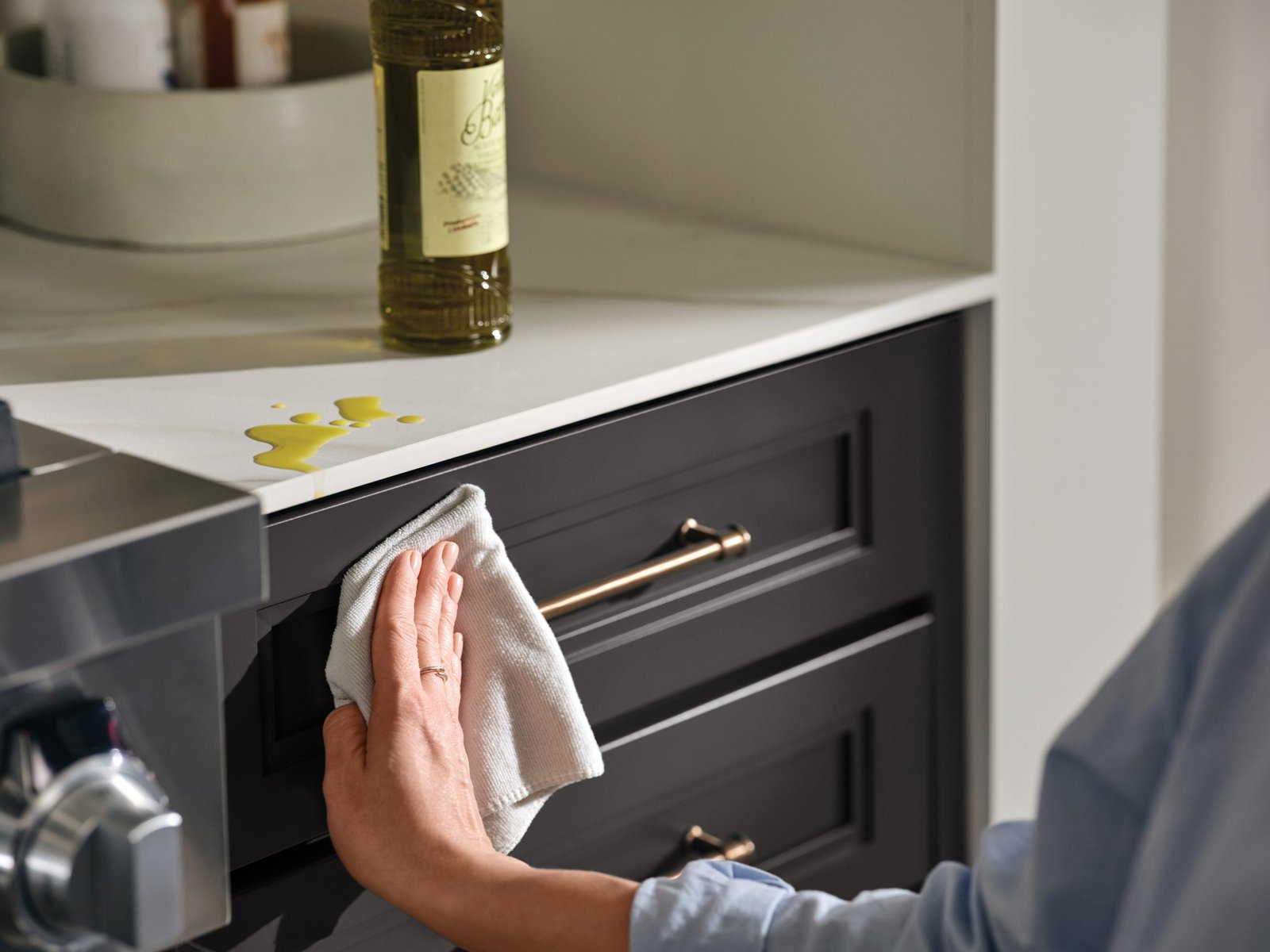
Have you ever noticed how kitchen cabinets can quickly become a magnet for grease, dust, and fingerprints? Keeping them clean is crucial, not only for maintaining a fresh and inviting kitchen environment but also for prolonging the life of your cabinetry.
But with so many cleaning products and methods out there, you might be wondering, “What should I actually use to wipe my kitchen cabinets? ” Imagine walking into your kitchen and immediately feeling a sense of cleanliness and order. Your cabinets gleam under the light, free from smudges and grime.
This isn’t just a dream – it’s achievable with the right approach. You’ll discover the best materials and techniques for wiping down your kitchen cabinets, ensuring they remain spotless and in top condition. Stay with us, and you’ll learn how to transform your cleaning routine into a simple yet effective process. This will not only save you time but also enhance the beauty of your kitchen. Ready to find out the secret to sparkling cabinets? Let’s dive in!
Choosing The Right Cleaning Products
Choosing the Right Cleaning Products for Kitchen Cabinets Select a gentle cleanser for kitchen cabinets. Use a soft microfiber cloth to prevent scratches. Regular maintenance keeps them looking fresh.
Choosing the right cleaning products for your kitchen cabinets is crucial for maintaining their beauty and longevity. Every kitchen is unique, and so are the needs of its cabinets. Whether your cabinets are made of wood, laminate, or metal, selecting the appropriate cleaner can make all the difference. Let’s dive into the options available to help you make an informed decision.Natural Vs. Chemical Cleaners
When choosing between natural and chemical cleaners, it often boils down to your personal preference and the specific needs of your kitchen. Natural cleaners, like vinegar and baking soda, are gentle and effective for everyday cleaning. They are great for those who prefer a non-toxic environment and want to avoid harsh chemicals. On the other hand, chemical cleaners often offer a more powerful clean, especially for stubborn stains and grease. They come in handy for deep cleaning sessions, but it’s important to check that they are safe for your cabinet material. If you’ve ever been frustrated with a persistent grime spot, you might appreciate the extra strength of a chemical cleaner.Eco-friendly Options
If you’re looking to minimize your environmental impact, eco-friendly cleaning products are a fantastic choice. Many brands now offer solutions that are biodegradable and free from harmful toxins. These products not only protect your cabinets but also contribute to a healthier planet. Consider using brands that have committed to sustainable practices, or even better, make your own cleaner at home. A simple mixture of water, vinegar, and a few drops of essential oil can be just as effective. Have you ever thought about how your cleaning habits affect the world around you? Choosing eco-friendly options is a small step that makes a big impact. In the end, the right cleaning product for your kitchen cabinets is the one that aligns with your lifestyle and values. Whether you prioritize natural ingredients, need the power of chemicals, or are committed to eco-friendliness, there’s a perfect solution for you. Happy cleaning!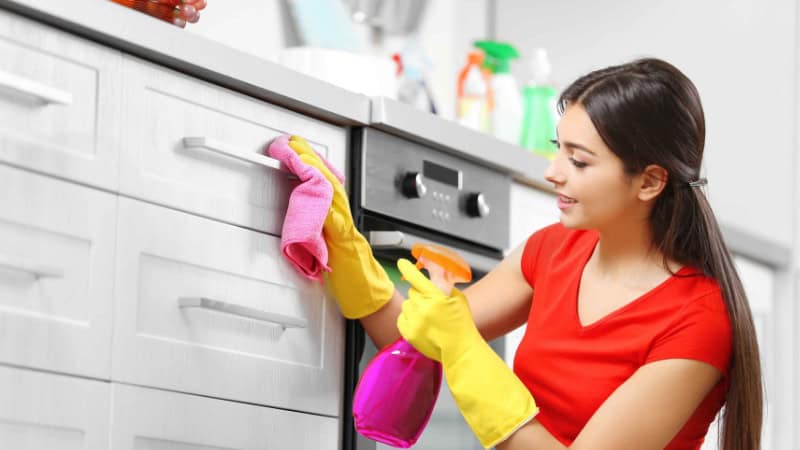
Credit: modern-maids.com
Tools For Effective Cleaning
Cleaning kitchen cabinets requires effective tools. The right tools make cleaning easier and faster. Using suitable tools prevents damage and keeps cabinets looking great. Explore options for cleaning your kitchen cabinets.
Cloths And Sponges
Microfiber cloths are perfect for cleaning cabinets. They trap dust and dirt efficiently. Use damp cloths for sticky spots. Sponges work well for greasy areas. Choose non-abrasive sponges to avoid scratches. Rinse sponges regularly during cleaning.
Brushes And Scrubbers
Soft brushes help reach corners and edges. They remove dust and crumbs effectively. Scrubbers tackle tough stains and grime. Opt for gentle scrubbers to protect cabinet surfaces. Use them sparingly to avoid wear and tear.
Techniques For Different Cabinet Materials
Different cabinet materials require specific cleaning techniques. For wood cabinets, a damp cloth with mild soap works best. Laminate surfaces can be cleaned with a vinegar and water solution. For metal, use a gentle cleaner to prevent scratches. Always dry cabinets thoroughly after wiping to avoid damage.
Cleaning kitchen cabinets requires different techniques based on their material. Each type demands specific care to maintain its appearance and longevity. This guide provides practical advice for cleaning wood, laminate, metal, and glass cabinets.Wood Cabinets
Wood cabinets need gentle cleaning to preserve their natural beauty. Use a mild soap mixed with warm water. Dampen a soft cloth with the solution. Wipe in the direction of the wood grain. Avoid using excess water to prevent damage. Dry thoroughly with a clean cloth.Laminate Cabinets
Laminate cabinets are easier to clean. Use a mixture of vinegar and water for effective results. Spray the solution onto the surface. Wipe with a microfiber cloth. For stubborn stains, a baking soda paste can help. Apply gently and rinse thoroughly. Dry with a soft towel.Metal And Glass Cabinets
Metal and glass cabinets require a different approach. Use a glass cleaner or a mix of soap and water. Spray lightly and wipe with a lint-free cloth. Buff to shine with a dry cloth. For metal, ensure you avoid abrasive cleaners. These can scratch the surface. Each cabinet material benefits from specific cleaning methods. This keeps them looking fresh and lasting longer.
Credit: www.facebook.com
Avoiding Common Mistakes
Using a mild soap solution and a soft cloth helps prevent scratches on kitchen cabinets. Regular cleaning maintains their shine, while avoiding harsh chemicals keeps the finish intact.
Cleaning kitchen cabinets might seem straightforward, but it’s easy to stumble into common mistakes that can damage their appearance and functionality. Whether you’re tackling a deep clean or a quick wipe-down, understanding these pitfalls can save you from costly repairs or replacements. Let’s explore the ways you can keep your cabinets looking pristine by avoiding common mistakes.Over-wetting Surfaces
When you’re cleaning your kitchen cabinets, it’s tempting to soak them in water or cleaning solution to get rid of stubborn grime. However, cabinets aren’t fans of excess moisture. Over-wetting can warp the wood or weaken the adhesive that holds the laminate in place. Try using a damp cloth instead of a soaking wet one. This reduces the risk of moisture damage and still allows for effective cleaning. Think about how you’d handle a delicate piece of clothing—gentle is always better than heavy-handed.Ignoring Manufacturer Guidelines
Every cabinet has its unique care instructions based on the materials used. Ignoring these guidelines can lead to unintended damage. Before you start cleaning, review any documentation or labels provided by the manufacturer. These often include specific cleaning agents that are safe to use and those to avoid. If you’re unsure, a quick call to the manufacturer or a visit to their website can provide clarity. It’s like consulting a roadmap before a journey—essential for avoiding wrong turns. Are you guilty of skipping over these details? Consider how following these guidelines can extend the life of your cabinets and keep them looking new.Maintaining Cabinet Hygiene
Use a gentle mix of warm water and mild dish soap to wipe kitchen cabinets. For stubborn spots, try a vinegar solution. Regular cleaning keeps cabinets looking fresh and helps prevent buildup of grease and grime.
Maintaining your kitchen cabinets isn’t just about aesthetics; it’s crucial for hygiene. Cabinets are hotspots for bacteria and grime, especially with frequent handling and exposure to food particles. Keeping them clean ensures not only a sparkling kitchen but also a healthier home environment.Regular Cleaning Schedule
Consistency is key. Make it a habit to clean your cabinets at least once a week. Use a mild dish soap mixed with warm water for routine cleaning. Apply the solution using a soft cloth or sponge, wiping in gentle circular motions. This method effectively removes dust and surface grime without damaging the finish. Always remember to dry the surface with a clean towel to prevent any water damage or residue buildup.Spot Cleaning Tips
Accidents happen. Spills and splatters are inevitable in a busy kitchen, but addressing them promptly can prevent permanent stains. For oil-based stains, a mixture of baking soda and water can work wonders. Apply this paste to the stained area, let it sit for a few minutes, and then wipe it off. For sticky spots, white vinegar is your best friend. Dab a bit on a cloth and gently rub the area until the stickiness disappears. Think about the materials of your cabinets. Are they wood, laminate, or metal? Each requires a slightly different approach for optimal care. By integrating these simple cleaning habits into your routine, you’ll not only maintain the look of your kitchen but also ensure a more hygienic space for cooking and gathering.Expert Recommendations
Keeping kitchen cabinets clean is essential for a tidy home. Experts suggest using specific products and techniques. They ensure your cabinets look fresh without damage. Let’s explore expert recommendations.
Top Picks For Cleaning Supplies
- Microfiber Cloths: These are soft and gentle on surfaces. They trap dust and dirt effectively.
- Vinegar Solution: Mix equal parts of vinegar and water. Great for removing grease.
- Mild Dish Soap: Dilute in warm water. Ideal for everyday cleaning.
- Baking Soda: Use as a paste with water. Perfect for tough stains.
- Commercial Cleaners: Choose ones labeled safe for wood or laminate.
Professional Advice
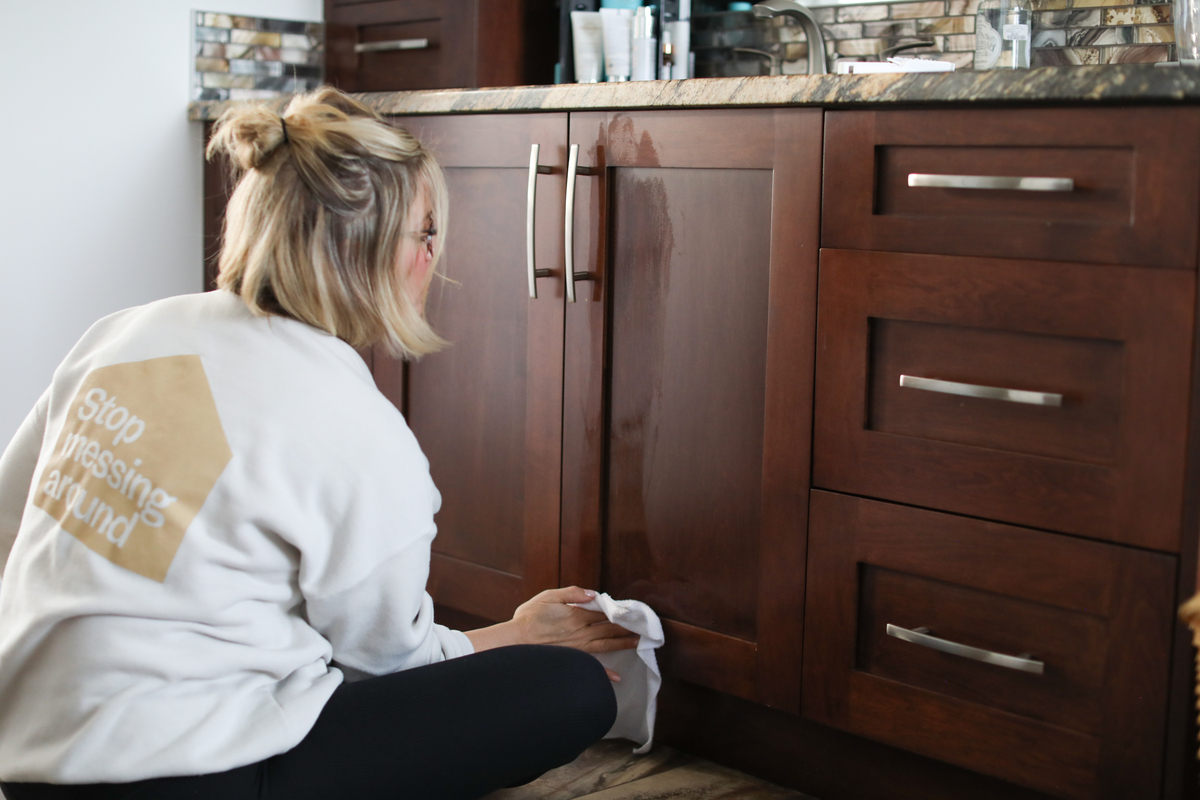
Test any cleaner on a small area first. Ensure it doesn’t damage the finish. For wooden cabinets, avoid soaking them. Use a damp cloth instead. Dry immediately to prevent warping. For painted cabinets, use non-abrasive cleaners. This prevents chipping and fading. Clean regularly to avoid buildup. It makes maintenance easier. Always follow the manufacturer’s instructions. It ensures the best care for your cabinets.
Credit: www.housework.com
Frequently Asked Questions
What To Wipe Down Kitchen Cabinets With?
Use a microfiber cloth and a mix of mild dish soap and warm water. Wipe cabinets gently to avoid damage. For stubborn stains, create a paste with baking soda and water. Rinse with a damp cloth and dry thoroughly. Regular cleaning keeps cabinets looking fresh and prevents buildup.
Is Dawn Good For Cleaning Wood Cabinets?
Dawn dish soap is effective for cleaning wood cabinets. Mix with warm water and use a soft cloth. Avoid excess moisture to prevent damage. Regular cleaning keeps cabinets looking fresh.
Is Murphy’s Oil Soap Good For Wood Cabinets?
Yes, Murphy’s Oil Soap is safe for wood cabinets. It cleans effectively without damaging the finish. Use a damp cloth to apply and wipe gently. Regular use maintains shine and removes dirt. Always test in a small area first to ensure compatibility with your cabinet’s finish.
What Wipes To Use To Clean Wood Cabinets?
Use microfiber or soft cloth wipes for cleaning wood cabinets. They prevent scratches and are gentle. Choose wipes designed for wood surfaces to ensure proper cleaning without damage. Avoid harsh chemicals; opt for mild soap or vinegar solutions for effective cleaning.
Regular maintenance enhances the cabinet’s longevity and appearance.
Conclusion
Choosing the right cleaner is crucial for kitchen cabinets. Soft cloths work best. Avoid harsh chemicals; they can damage finishes. Vinegar and water make a gentle solution. Baking soda helps remove stubborn stains. Regular cleaning keeps cabinets looking fresh. Always dry them thoroughly to prevent warping.
Use microfiber cloths for dusting. Test any cleaner in a small area first. Cabinets need care to stay beautiful. A little effort ensures they last longer. Keep your kitchen inviting and clean. Simple routines make a big difference. Your cabinets will thank you.
Happy cleaning!
