
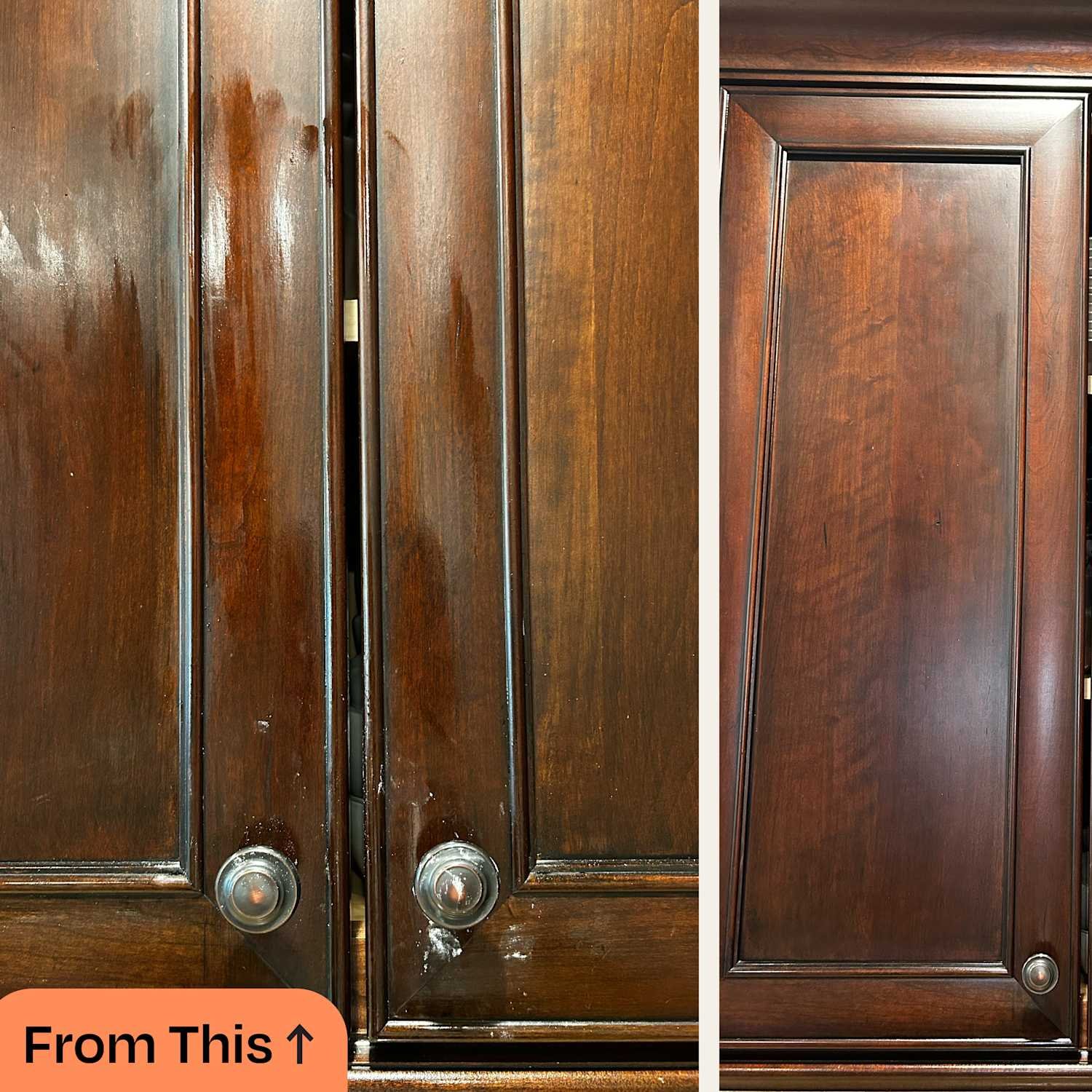
Are your kitchen cabinets looking a bit dull or sticky? You might be surprised at how much grime and grease can accumulate on these surfaces over time.
A clean kitchen is not just about sparkling countertops and floors; your cabinets need some love too. But where do you start? Don’t worry, we’ve got you covered. In this guide, you’ll discover simple yet effective techniques to wipe down your kitchen cabinets, ensuring they look as good as new.
Imagine walking into your kitchen and immediately noticing the fresh, clean appeal of spotless cabinets. Ready to transform your cooking space? Let’s dive in and make it happen!
Credit: www.housework.com
Essential Cleaning Supplies
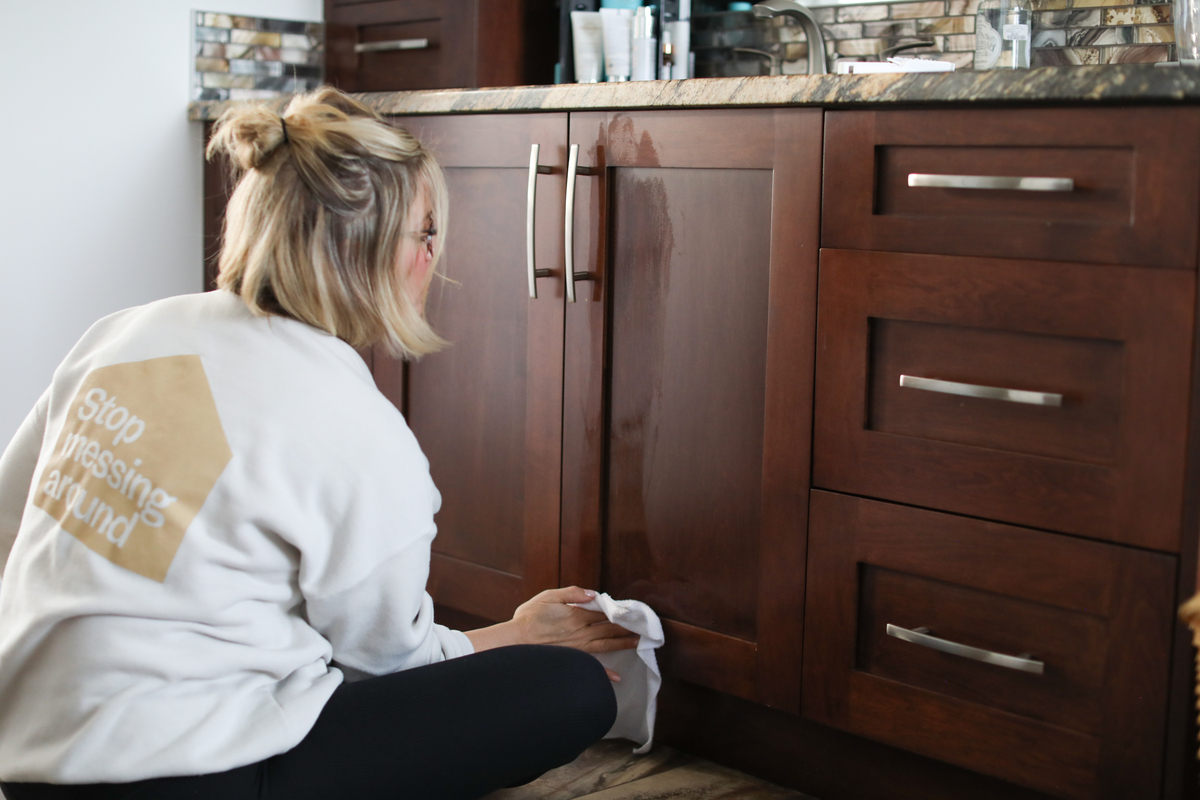
Gather a microfiber cloth, mild dish soap, and warm water for cleaning kitchen cabinets. Mix soap with water to create a gentle solution. Wipe down cabinets with the cloth, focusing on areas with grime or fingerprints. Rinse with clean water and dry with a soft towel for a polished look.
Cleaning your kitchen cabinets can be a rewarding task that transforms your kitchen from drab to fab. Before you roll up your sleeves, gathering the right supplies is key to a successful and efficient cleaning session. The right tools not only make the process easier but also protect your cabinets from unnecessary damage.Basic Cleaning Supplies
Start with the essentials. A soft microfiber cloth is your best friend when it comes to avoiding scratches on cabinet surfaces. Pair it with a gentle all-purpose cleaner that doesn’t strip the finish of your cabinets. If you’re looking for something natural, a mix of vinegar and water works wonders and is safe on most surfaces.Specialized Tools
Have you ever noticed grime in the corners that your cloth can’t reach? Consider using a toothbrush or a small detail brush. These tools help you tackle those stubborn spots without damaging the cabinet material. A vacuum with a brush attachment can also be handy for quickly removing loose dust and debris.Protective Gear
Don’t overlook your own protection. Wear gloves to safeguard your hands from harsh chemicals, especially if your cleaner isn’t entirely natural. If you’re sensitive to strong scents, a mask can help you breathe easier while you work.Optional Extras
Want to go the extra mile? Use a wood polish or conditioner after cleaning to restore shine and protect your cabinets. This can prolong their life and keep them looking new. It might seem like an extra step, but the effort pays off when you see those cabinets sparkle.Storage Tips For Cleaning Supplies
Have you ever spent too long searching for your cleaning supplies? Designate a small area in your kitchen for storing them. A caddy or a basket under the sink keeps everything organized and within easy reach, making future cleaning sessions a breeze. What cleaning supplies do you swear by for your cabinets? Sometimes the simplest items can make the biggest difference.Preparation Steps
Before diving into the task of wiping down kitchen cabinets, preparation is key. Ensuring that your workspace is organized and protected will make the cleaning process smoother and more efficient. Whether you’re tackling a small kitchen or a large one, getting everything ready beforehand can save you time and prevent potential mishaps.
Clear Out Cabinets
Start by emptying your cabinets completely. Remove all items such as dishes, spices, and cleaning supplies. This step not only allows you easy access to the surfaces but also gives you the chance to declutter.
Consider setting aside items you no longer use or need. It’s a great opportunity to organize your kitchen essentials.
Once everything is out, you’ll have a clear view of any spots that need extra attention. Do you have any hidden stains or sticky spots lurking behind your containers?
Protect Surrounding Areas
Use old towels or sheets to cover countertops and floors. This precaution helps prevent cleaning solutions from dripping and causing damage or stains.
If you have delicate items or appliances nearby, consider using painter’s tape to secure protective coverings. This is especially important if you’re using stronger cleaning agents.
Think about how you can make the cleanup process easier for yourself. What can you do to avoid unnecessary scrubbing later?
Effective Cleaning Techniques
Cleaning your kitchen cabinets can transform your cooking space, making it feel fresh and inviting. Effective cleaning techniques are key to maintaining their beauty and longevity. Whether you’re battling grease stains or simple dust build-up, using the right methods can make all the difference. Let’s dive into some practical strategies to keep your cabinets gleaming.
Choosing The Right Cleaning Solution
Your choice of cleaning solution is crucial. Not all cabinets are made from the same material, and using the wrong product can lead to damage. For wooden cabinets, consider mild dish soap mixed with warm water. This gentle solution effectively removes grime without harming the wood.
If you have laminate or painted cabinets, a vinegar and water mix can work wonders. Vinegar is a natural disinfectant, cutting through grease with ease. Avoid abrasive cleaners as they can scratch surfaces and strip finishes.
Proper Application Methods
Once you’ve chosen your cleaning solution, applying it correctly is essential. Use a soft cloth or sponge to apply the solution, gently wiping in the direction of the grain for wooden surfaces. This prevents streaks and ensures thorough cleaning.
For stubborn stains, let the solution sit for a few minutes before wiping. Be cautious with scrubbing; excessive force can damage cabinet surfaces. Always follow up with a clean, damp cloth to remove any residue.
Have you ever noticed sticky handles? Often, cabinet hardware collects grime over time. Remove handles if possible and clean them separately. This simple step can refresh the entire look of your cabinets.
Remember, maintaining your kitchen cabinets doesn’t have to be a daunting task. With the right solutions and application methods, you can keep them looking pristine with minimal effort. What other cleaning tips have you discovered that work like magic? Share your insights in the comments!
Credit: modern-maids.com
Dealing With Tough Stains
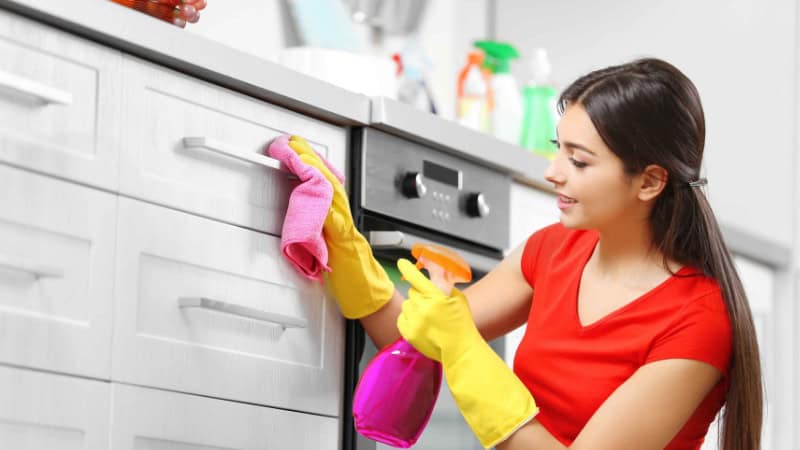
Wiping down kitchen cabinets can be easy. Use a gentle cleaner and a soft cloth. Focus on corners and handles to remove tough stains effectively.
Dealing with tough stains on kitchen cabinets can be challenging. Stains like grease and sticky residue often require special attention. It’s essential to tackle these stubborn marks effectively to maintain the beauty of your cabinets. The following tips will help you remove these pesky stains with ease.Removing Grease
Grease builds up over time, especially near cooking areas. To remove it, mix equal parts of vinegar and water. Vinegar cuts through grease naturally. Dip a cloth into the solution and gently scrub the stained areas. For stubborn spots, sprinkle baking soda on the cloth. It adds extra scrubbing power. Rinse with clean water to remove any leftover residue.Eliminating Sticky Residue
Sticky residue often results from spills or adhesive labels. Begin by using warm, soapy water. This can loosen light stickiness. For tougher residue, apply rubbing alcohol to a cloth. Rub the affected area gently. Alcohol helps dissolve sticky substances without damaging surfaces. Always test alcohol on a small area first. Finish by wiping with water to clean any remnants. These methods will help keep your kitchen cabinets looking pristine. Regular cleaning ensures they remain free of tough stains.Finishing Touches
Dust and grime can cling to kitchen cabinets. Use a damp cloth with mild detergent for wiping. Focus on handles and edges for a clean, fresh appearance.
Finishing touches bring your kitchen cabinets from clean to sparkling. After scrubbing, it’s essential to ensure they are completely dry and polished. This not only maintains their appearance but also prolongs their lifespan. Let’s dive into the final steps of the cleaning process.Drying Cabinets Thoroughly
Water spots can damage your cabinets. Use a soft, dry cloth to wipe them down. Ensure all surfaces, including corners, are dry. Open cabinet doors for a few minutes to let moisture escape. This prevents mold and keeps cabinets fresh.Polishing For Shine
A good polish makes cabinets look new. Choose a wood polish suitable for your cabinet type. Apply a small amount to a clean cloth. Gently buff the surface using circular motions. This adds shine and a protective layer against dust.Maintenance Tips
Kitchen cabinets endure constant use and can accumulate grime over time. Regular maintenance ensures they remain in top condition and extend their lifespan. Implementing a few simple practices can make cleaning easier and more effective.
Regular Cleaning Schedule
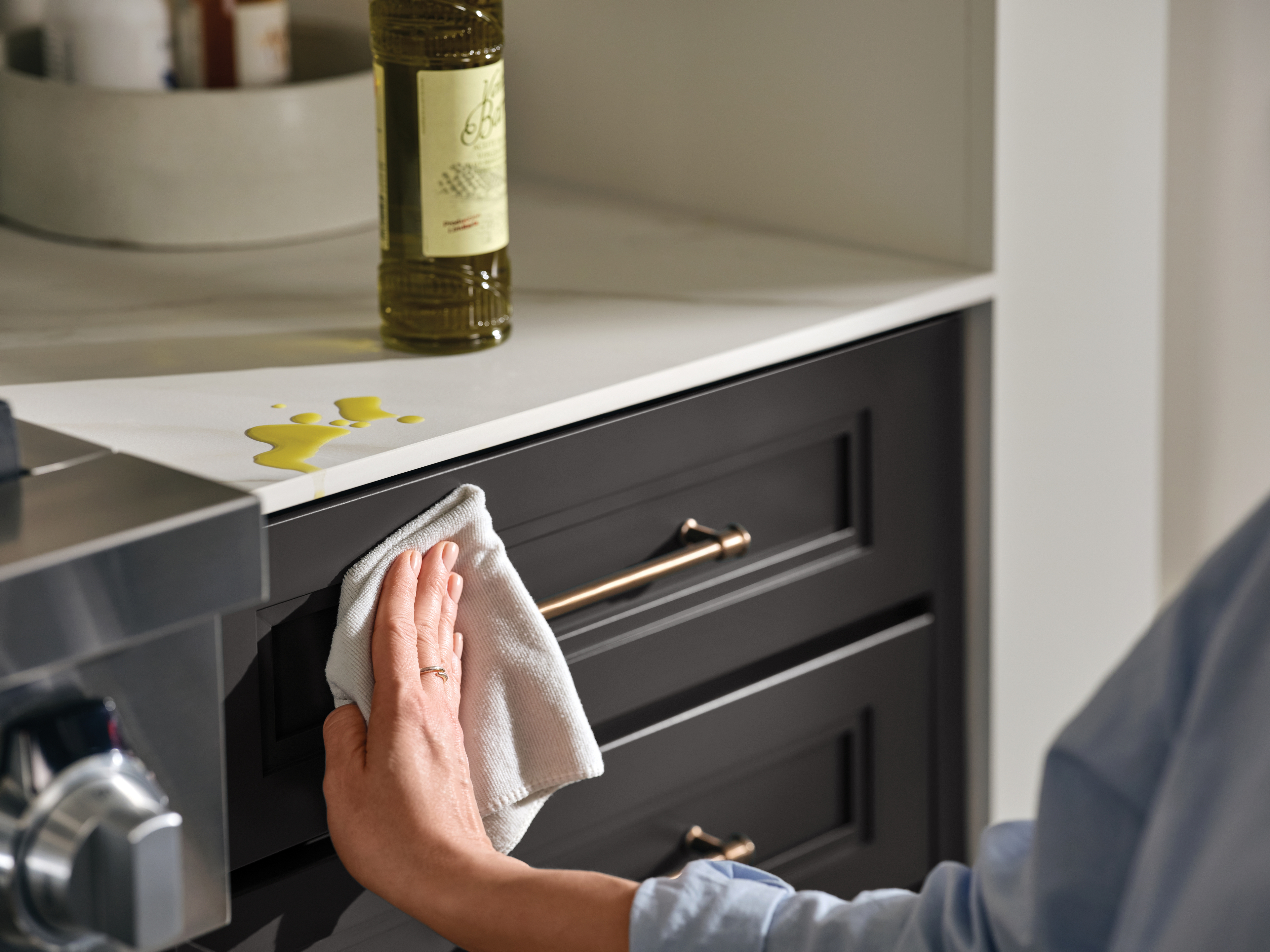
Establish a routine to clean your kitchen cabinets weekly. Use a soft cloth dampened with mild soap and water. This prevents dust and grease from settling. Pay attention to handles and corners where dirt hides. Dry the cabinets thoroughly to prevent moisture damage.
Preventing Future Buildup
Consider using a cabinet-friendly polish to create a protective layer. This barrier can reduce the buildup of dirt and grease. Line cabinet shelves with paper or mats to catch spills. Wipe any spills immediately to avoid stains. Encourage family members to clean hands before opening cabinets. This reduces the transfer of oils and dirt.
Credit: www.kraftmaid.com
Frequently Asked Questions
What Is The Best Thing To Wipe Down Kitchen Cabinets With?
Use a mixture of warm water and mild dish soap to wipe down kitchen cabinets. Opt for a soft microfiber cloth to avoid scratches. For stubborn stains, add a splash of vinegar. Dry immediately with a clean towel to prevent moisture damage.
Regular cleaning maintains cabinet appearance and longevity.
Can I Use Dawn Dish Soap To Clean Wood Cabinets?
Yes, Dawn dish soap can clean wood cabinets effectively. Mix a few drops with warm water, then gently wipe with a soft cloth. Ensure the cloth is damp, not wet, to avoid damaging the wood. Test on a small area first to confirm it doesn’t affect the cabinet’s finish.
Is Murphy’s Oil Soap Good To Clean Wood Cabinets?
Yes, Murphy’s Oil Soap effectively cleans wood cabinets. It gently removes dirt and grime without damaging the wood. Use a diluted solution for best results. Always dry cabinets thoroughly after cleaning to prevent moisture damage. Regular cleaning with Murphy’s Oil Soap can help maintain the beauty of wood cabinets.
How To Clean A Cabinet That Dirty Can’t Erase?
Use a mixture of baking soda and water to create a paste. Gently scrub the cabinet with a sponge. Rinse with a damp cloth and dry thoroughly. For stubborn stains, apply vinegar and let it sit before wiping clean. Ensure proper ventilation during cleaning.
Conclusion
Keeping kitchen cabinets clean is essential. Regular wiping prevents dirt buildup. Use gentle cleaners for a safe clean. Avoid harsh chemicals that damage surfaces. Focus on corners and handles. They gather most grime. Dry thoroughly to prevent water spots. Cleaning maintains cabinet beauty and function.
It’s easy and quick, fitting into busy schedules. A clean kitchen feels fresh and welcoming. Make cleaning a habit for lasting results. You’ll enjoy a tidy, pleasant cooking space. Cabinets stay in great shape for years. Simple steps lead to a sparkling kitchen.
Your efforts bring satisfaction every day.
