
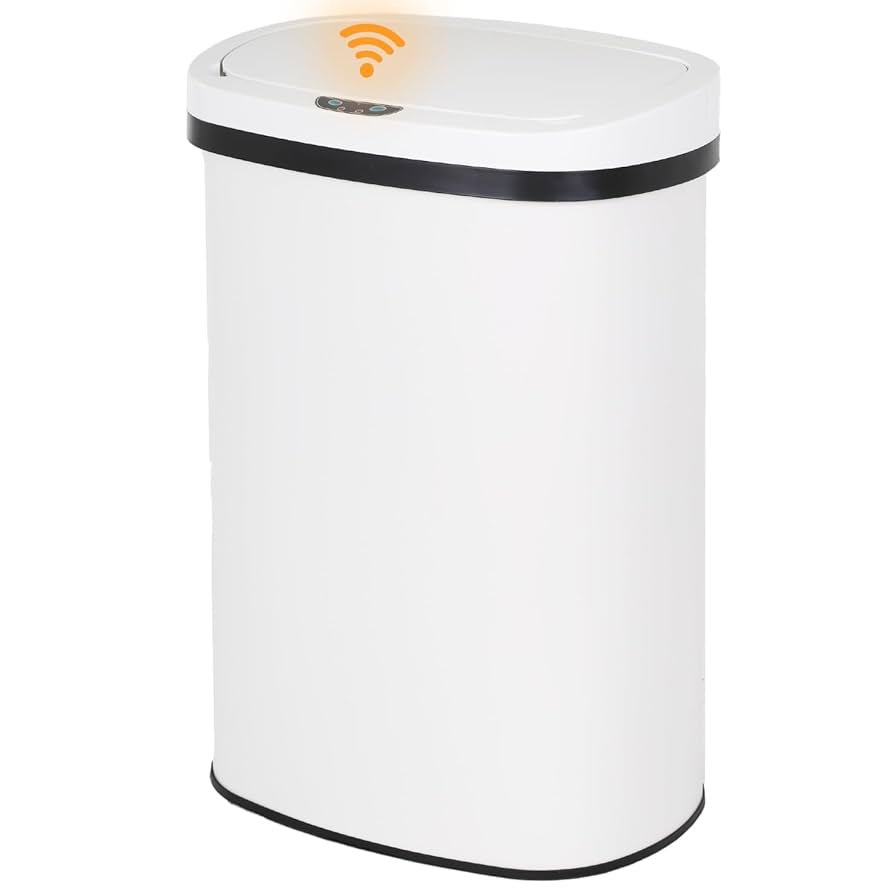
Are you tired of constantly taking out the trash because your kitchen trash can fills up too quickly? Choosing the right size trash can for your kitchen isn’t just about convenience—it’s about making your daily life a little smoother.
You might wonder, “How many gallons should my kitchen trash can hold? ” It’s a simple question, yet the answer can transform how you manage waste in your home. Imagine the ease of fewer trips to the garbage chute and a cleaner, more organized kitchen space.
We’ll explore the ideal size for your kitchen trash can, helping you find the perfect balance between functionality and efficiency. Stick around to discover how the right trash can size can make your life easier and your kitchen tidier.

Credit: www.amazon.ca
Importance Of Trash Can Size
The size of your kitchen trash can affects your daily routine. Choosing the right size ensures cleanliness and efficiency. A trash can that’s too small leads to overflowing waste. A too-large one takes up unnecessary space. Balancing these factors is key to a functional kitchen environment.
Why Trash Can Size Matters
Trash can size influences your kitchen’s tidiness. A suitable size manages waste effectively. It reduces the frequency of taking out the trash. This saves time and maintains hygiene. The right size complements your kitchen’s design, too.
Kitchen space is often limited. A large trash can may crowd your area. It becomes an inconvenience. A compact trash can fits snugly in tight spots. It keeps your kitchen spacious and organized.
Frequency Of Trash Disposal
Smaller trash cans require frequent emptying. This can become tedious. Larger cans hold more waste, reducing trips to the dumpster. Consider your household’s waste production. This helps in selecting the correct size.
Choosing the right size can be eco-friendly. It encourages efficient waste management. Less frequent disposal means fewer trash bags used. This reduces plastic waste. A small step towards environmental care.
Cost Efficiency
Proper trash can size saves money. Fewer trash bags are needed. It minimizes trips to waste disposal sites. This decreases fuel costs and time spent. An economically beneficial decision for your household.
Ease Of Cleaning
Cleaning a trash can can be a daunting task. Smaller cans are easier to clean. They require less effort. Larger cans might need more time and resources. Choose a size that matches your cleaning preferences.
Family Size And Usage
Your family’s size affects trash can choice. A larger family generates more waste. A bigger trash can suits them better. Smaller households need less capacity. Pick a size that matches your family’s needs.

Credit: www.amazon.ca
Common Kitchen Trash Can Sizes
Choosing the right kitchen trash can size is crucial for convenience. It keeps your kitchen tidy and efficient. Different households have different needs. Understanding common trash can sizes helps you make the right choice. Let’s explore various sizes that fit most kitchens.
Small Trash Cans
Small trash cans hold about 2 to 5 gallons. They fit under the sink or in tight spaces. Ideal for small households or less trash. They are easy to move and clean. Suitable for recyclables or composting needs.
Medium Trash Cans
Medium trash cans range from 7 to 10 gallons. Perfect for average-sized kitchens. They balance capacity and space efficiency. You can place them in cabinets or open spaces. Suitable for daily household waste.
Large Trash Cans
Large trash cans hold 12 to 16 gallons or more. Ideal for big families or high waste volume. They often have foot pedals or lids. Placing them in kitchens with enough space is best. They reduce the frequency of emptying.
Factors Influencing Size Choice
Choosing the right size for a kitchen trash can depends on several factors. Understanding these factors helps make a practical decision. Considerations include household size, cooking frequency, and waste disposal habits. Each plays a role in determining the ideal trash can capacity.
Household Size
The number of people in a household influences trash output. More people often mean more waste. A larger family might need a bigger trash can. Single individuals or couples might opt for smaller sizes.
Cooking Frequency
Frequent cooking generates more kitchen waste. If cooking is a daily activity, a bigger trash can is useful. Those who eat out often may need a smaller one.
Waste Disposal Habits
Recycling and composting reduce kitchen trash volume. If these habits are part of daily life, smaller trash cans may suffice. Those who dispose of everything in one bin might need a larger can.
Space Considerations
Choosing the right kitchen trash can size involves thinking about space. A trash can should fit well without disrupting kitchen flow. Consider how much space you have and how you use it. This helps in selecting a trash can that meets your needs.
Countertop Vs. Floor Space
Countertop space is often limited. A trash can here should be small and efficient. It should not crowd the counter or take up too much room. Look for compact designs that fit neatly in corners or under cabinets.
Floor space usually offers more room for larger trash cans. A bigger trash can is great for busy kitchens. It can handle more waste, reducing trips to empty it. Place it where it’s accessible but not in the way.
Compact Vs. Spacious Kitchens
In compact kitchens, space is precious. A small trash can works best here. It should fit snugly in tight spots. Consider a slim design that easily slides between cabinets or appliances.
Spacious kitchens offer flexibility. You can choose a larger trash can without worry. It can stand alone or be part of a larger waste system. Ensure it complements the kitchen layout and style.
Material And Design Options
Choosing the right kitchen trash can involves considering both material and design. The material and design impact the trash can’s durability, ease of use, and appearance. Here’s what to know about the various options available.
Plastic Vs. Metal
Plastic trash cans are lightweight and budget-friendly. They are easy to clean and resistant to dents. Perfect for households with active kids or pets.
Metal trash cans offer a sleek and modern look. They are durable and resist odors better than plastic. Ideal for those seeking a stylish kitchen addition.
Open Vs. Covered Designs
Open trash cans provide easy access and quick disposal. They are suitable for busy kitchens. Less time spent opening lids.
Covered designs help contain odors and hide waste. They keep curious pets at bay. A good choice for maintaining a clean kitchen appearance.
Environmental Impact
Understanding the environmental impact of your kitchen trash can size is crucial in making eco-friendly choices. Opting for the right size can significantly influence how you manage waste, leading to better recycling and composting practices. Are you ready to make a difference with simple changes?
Recycling Needs
Choosing a kitchen trash can that suits your recycling needs can dramatically reduce landfill waste. A smaller trash can encourages you to separate recyclables more efficiently, promoting sustainable habits. It might be time to ask yourself: are you maximizing your recycling potential with your current setup?
Consider adding a dedicated bin for recyclables next to your kitchen trash can. This small adjustment can lead to a larger impact on reducing your carbon footprint. Think about how easy it would be to toss that empty cereal box into a separate bin rather than the general trash.
Compostable Waste
Compostable waste management is another area where your kitchen trash can size plays a vital role. A smaller trash can prompts you to separate organic waste, perfect for composting. Have you thought about turning your kitchen scraps into nutritious soil for your garden?
Establishing a composting system is simpler than you might think. A countertop compost bin can make all the difference, encouraging you to dispose of fruit peels, coffee grounds, and vegetable scraps sustainably. Visualize the benefits of reduced kitchen waste and enriched garden soil.
Evaluating your kitchen trash can size is more than just a storage decision—it’s a chance to positively impact the environment. What changes will you make today to embrace a greener tomorrow?
Practical Tips For Choosing
Choosing the right size kitchen trash can depends on your household size and waste habits. A 10 to 13-gallon bin suits average families. Smaller households might prefer 7 to 9 gallons.
Choosing the right kitchen trash can can feel overwhelming with all the options available. But making a smart choice can save you time and hassle in the long run. Here are some practical tips to ensure you pick the perfect trash can for your kitchen.Measuring Space
Start by evaluating the space where your trash can will reside. Grab a measuring tape and jot down the dimensions of the area. This ensures the trash can you choose will fit comfortably without obstructing walkways or cabinet doors. Consider whether the trash can will be placed inside a cabinet or in a corner. A compact, rectangular can might be ideal for under-sink storage, while a round, larger can may suit an open area better.Testing Capacity
Think about how much trash your household generates daily. A small family might find a 7-10 gallon can sufficient, while a larger family might need a 12-16 gallon capacity. Visit a store and test different sizes. Imagine your typical amount of waste and see if it would comfortably fit. Remember, a larger can might reduce the frequency of taking out the trash, but also requires more space. Reflect on your recycling habits too. If you sort recyclables, you might need separate bins or a dual-compartment can. Does your current trash can always overflow? If so, it might be time to size up.
Credit: www.amazon.ca
Frequently Asked Questions
Is An 8 Gallon Trash Can Big Enough For A Kitchen?
An 8 gallon trash can is typically suitable for small to medium kitchens. It accommodates daily waste efficiently but may require frequent emptying in larger households. Consider your kitchen’s waste volume for the best fit.
What Size Is A Standard Kitchen Trash Can?
A standard kitchen trash can typically holds 13 gallons. This size is common in most households. It fits well under the counter or in a pantry. It’s ideal for managing daily household waste efficiently. Look for quality materials to ensure durability and longevity.
How Many Gallons Does A Small Trash Can Hold?
A small kitchen trash can usually holds between 5 to 10 gallons. This size is perfect for compact spaces or minimal waste. It’s often used in bathrooms or under desks. Consider your space and waste needs before choosing this size.
How To Choose The Right Trash Can Size?
Consider your household’s waste production and space availability. A 13-gallon can suits most kitchens. For larger families, a bigger can may be necessary. Smaller cans work well in apartments or for recyclables. Assess your needs to find the ideal size.
Conclusion
Choosing the right kitchen trash can size matters. A 13-gallon can suits most families. It fits standard trash bags. Smaller cans work for tight spaces. Larger cans handle more waste. Consider your kitchen size and family needs. Think about recycling needs too.
Easy access improves efficiency. Regular cleaning keeps odors away. Remember, a well-sized trash can enhances kitchen cleanliness. It simplifies waste management. Find the best fit for your home. Keep your kitchen tidy. Simple steps lead to a cleaner, happier kitchen environment.
