
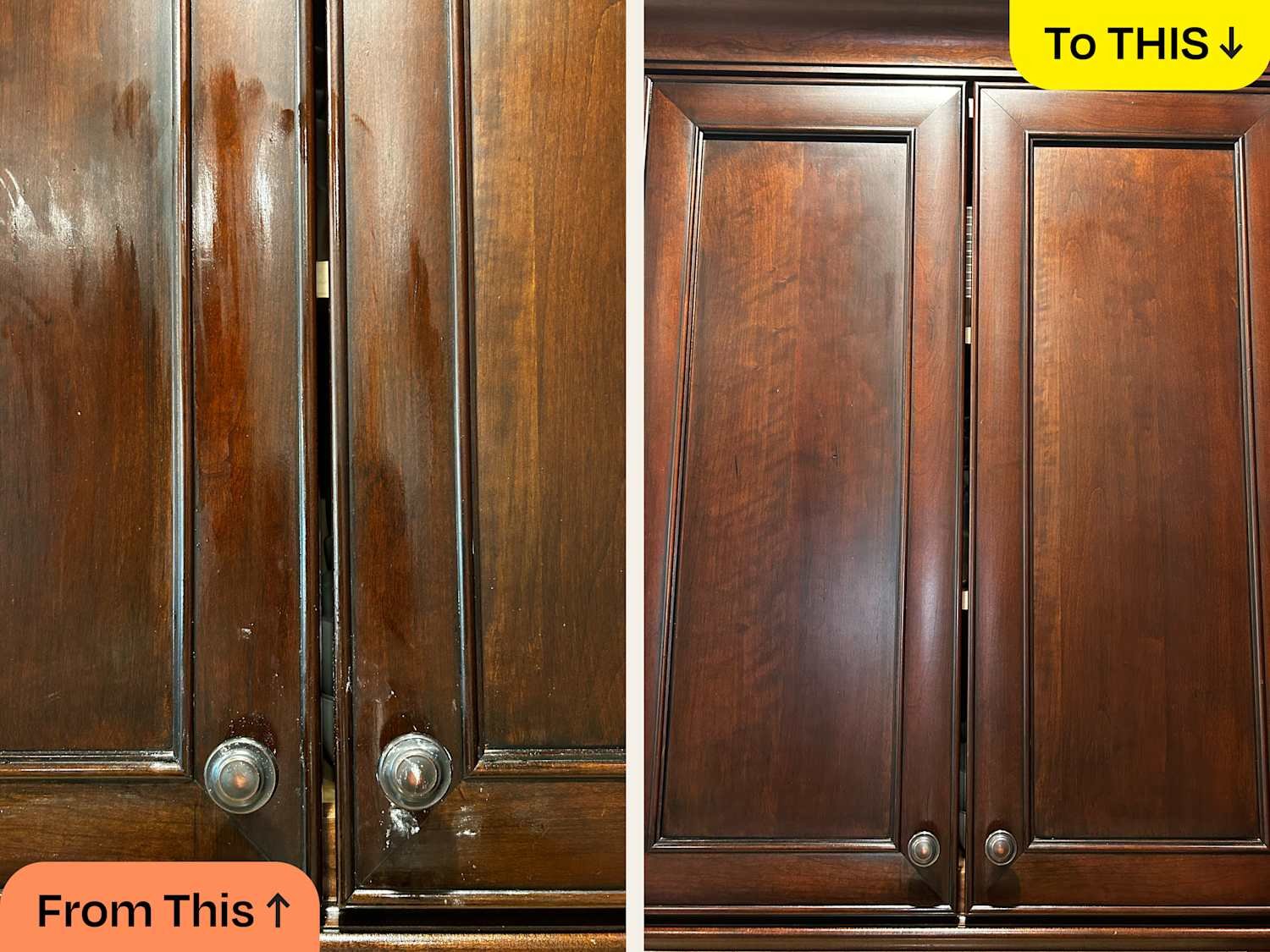
Are you tired of sticky, greasy kitchen cabinets that seem impossible to clean? You’re not alone.
Grease buildup can turn your beautiful cabinets into eyesores, leaving you frustrated every time you step into your kitchen. Imagine opening your cabinet doors to find them spotless and fresh, reflecting the care and love you pour into your home.
With the right techniques, this vision can become your reality. In this guide, you’ll discover simple, effective ways to banish grease from your cabinets, transforming your kitchen into a space you’ll be proud to show off. Let’s dive into the steps that will make your kitchen cabinets shine again, and learn how you can maintain that sparkle effortlessly.
Preparation Steps
Gather supplies like a gentle cleaner, a microfiber cloth, and warm water. Remove items from cabinets for easy access. Dust surfaces to remove loose particles.
Cleaning kitchen cabinets grease may seem daunting, but with the right preparation, it becomes a breeze. Proper preparation not only makes the cleaning process smoother but also ensures you don’t damage your cabinets in the process. Let’s dive into the essential steps to get you ready for grease-busting action.Gather Cleaning Supplies
Before you start, ensure you have all necessary supplies at hand. Grab a gentle cleaning solution like dish soap or a vinegar-water mix. You’ll also need a soft cloth, sponge, or brush to scrub away the grease without scratching the cabinet surface. Consider using a microfiber cloth to avoid leaving lint behind. For stubborn spots, keep a small amount of baking soda nearby. It’s a great natural abrasive that won’t harm your finish. Don’t forget rubber gloves to protect your hands from harsh chemicals. Have everything within reach to avoid interruptions once you start cleaning.Clear The Area
Start by emptying your cabinets. Remove all dishes, pots, and pans to give yourself full access to the surfaces that need cleaning. This step also prevents anything from getting damaged or dirty during the process. Use this opportunity to declutter and organize. If you spot any expired or unnecessary items, now’s the perfect time to discard them. With the cabinets emptied and organized, you’re set to tackle the grease with ease. Reflect on how much more inviting a clean and organized kitchen feels. Wouldn’t it be amazing to keep it that way? By taking these preparation steps, you’re already halfway to achieving a spotless kitchen.
Credit: www.msn.com
Natural Cleaning Solutions
Remove kitchen cabinet grease with natural cleaning solutions. Mix vinegar and water for an effective spray. Baking soda paste also works wonders on stubborn spots.
Cleaning kitchen cabinets can feel like an endless battle, especially when dealing with stubborn grease. Yet, reaching for harsh chemicals isn’t always the best option. Natural cleaning solutions offer a safe and effective alternative, allowing you to keep your kitchen fresh without compromising on health or the environment. Plus, these solutions often use items already found in your pantry, making them a cost-effective choice. You might be surprised at how simple mixtures can transform your cleaning routine. Let’s dive into some powerful natural solutions that will have your cabinets sparkling in no time.Vinegar And Water Mix
Vinegar is a powerhouse when it comes to natural cleaning. Its acidity breaks down grease effortlessly. Mix equal parts vinegar and warm water in a spray bottle. Spray onto your cabinets, focusing on greasy areas. Let it sit for a few minutes, then wipe away with a damp cloth. The grease will lift off easily, leaving surfaces smooth and clean. Have you ever used vinegar for cleaning before? You’ll notice it doesn’t just clean but also deodorizes, leaving a fresh scent behind.Baking Soda Paste
Baking soda is another kitchen staple that works wonders on grease. Its mild abrasiveness helps scrub away grime without damaging surfaces. Create a paste by mixing baking soda with a little water. Apply the paste to greasy spots on your cabinets using a soft cloth or sponge. Scrub gently until the grease is gone. Rinse with water and dry with a clean towel. Did you know baking soda is not only effective but also safe for food-contact surfaces? That’s peace of mind for you and your family. These natural solutions not only make your cabinets shine but also ensure a safe and eco-friendly cleaning process. Why not give them a try and see the difference for yourself?Commercial Cleaners
Cleaning kitchen cabinets can be challenging due to grease buildup. Use a mixture of dish soap and warm water. Wipe cabinets with a soft cloth to remove grime effectively.
Greasy kitchen cabinets can be a nightmare. But when you’re armed with the right commercial cleaner, tackling that stubborn grime becomes a breeze. Commercial cleaners are designed to cut through grease swiftly and effectively, making your cleaning routine less of a chore. But with so many options available, how do you choose the best one for your needs? Let’s dive into the essentials of selecting a commercial cleaner, ensuring safety, and achieving sparkling results.Choosing The Right Product
Selecting the right cleaner can make all the difference. Look for products specifically labeled for cutting grease. These are formulated to break down the tough, oily residues that standard cleaners might leave behind. Check reviews and ratings online. Fellow home cooks often share their experiences, which can guide you in making an informed decision. Consider the material of your cabinets. Some cleaners might be too harsh on certain surfaces, so it’s crucial to match the product with your cabinet’s finish.Safety Precautions
Safety should always be a priority. Before you start scrubbing, read the product label carefully to understand the ingredients and any potential hazards. Wear gloves to protect your skin from irritation. Even seemingly mild cleaners can cause skin reactions after prolonged exposure. Ensure your kitchen is well-ventilated. Open windows or use a fan to disperse any fumes, keeping the air fresh and breathable. These steps not only ensure your safety but also help maintain the longevity of your kitchen cabinets. Have you ever had a cleaning mishap? Share your story and tips in the comments below!Effective Cleaning Techniques
Kitchen cabinets often collect grease over time. This can make them sticky and unsightly. Cleaning them effectively restores their appearance. It also maintains a healthy kitchen environment. Different techniques work for various levels of grease buildup. Understanding the right methods ensures your cabinets look their best.
Spot Cleaning
Spot cleaning targets small areas with visible grease. Use a soft cloth dampened with warm water. Add a few drops of dish soap. Gently rub the greasy spots. Rinse the cloth and wipe the area again. This removes soap residue. Dry the surface with a clean towel. Spot cleaning is quick and effective for minor grease issues.
Deep Cleaning Methods
Deep cleaning tackles stubborn grease. Prepare a solution of equal parts vinegar and water. Use a spray bottle for easy application. Spray the mixture onto the cabinets. Let it sit for a few minutes. This helps break down the grease. Wipe with a cloth, scrubbing gently. For heavy buildup, use baking soda. Make a paste with water. Apply it to the greasy spots. Scrub with a brush. Rinse with clean water and dry thoroughly.
Maintenance Tips
Maintaining clean kitchen cabinets can feel like an endless battle against grease. But with a few simple tips, you can keep your cabinets looking fresh and inviting. Regular maintenance not only helps in removing existing grime but also prevents future build-up. Here’s how you can keep your cabinets shining and grease-free.
Regular Cleaning Schedule
Consistency is key. Set a weekly routine to wipe down your cabinets using a gentle cleaner. A mixture of warm water and mild dish soap can work wonders. Use a soft cloth to avoid scratching the surfaces. This regular attention will prevent grease from accumulating and becoming stubborn.
Consider this: what if you spent just ten minutes each week maintaining your cabinets? This small effort can save you hours of deep cleaning later. So, make it part of your routine, just like doing the dishes or taking out the trash.
Preventive Measures
Think about what you can do to stop grease before it starts. Utilize backsplash guards behind your stove to catch splatters. They can be an inexpensive yet effective way to keep grease off your cabinets.
Another tip is to use kitchen exhaust fans while cooking. They help in drawing out steam and grease particles, reducing their chances of settling on your cabinet surfaces. This preventive strategy is not only simple but also aids in keeping your kitchen air fresh.
Ask yourself: are there small habits you can change to minimize grease production? Maybe it’s wiping spills immediately or using lids on pans more often. These minor adjustments can make a significant difference over time.

Credit: www.facebook.com

Credit: www.facebook.com
Frequently Asked Questions
What Is The Best Thing To Clean Greasy Kitchen Cabinets With?
Use a mixture of vinegar and water for cleaning greasy cabinets. Apply with a soft cloth. For tougher grease, add baking soda. Rinse with clean water and dry. Ensure cabinets are thoroughly cleaned to prevent residue. Regular cleaning keeps cabinets looking fresh and extends their lifespan.
Does Wd-40 Remove Grease From Kitchen Cabinets After?
Yes, WD-40 can remove grease from kitchen cabinets. Spray a small amount on a cloth. Gently rub the greasy area until clean. Wipe with a damp cloth to remove residue. Always test on a hidden spot first to ensure it doesn’t damage the cabinet finish.
Does Murphy’s Oil Soap Clean Greasy Kitchen Cabinets?
Murphy’s Oil Soap effectively cleans greasy kitchen cabinets. It’s gentle on wood surfaces and removes grime efficiently. Apply directly or dilute with water for the best results. Regular use helps maintain cabinet shine and cleanliness. Always test on a small area first to ensure compatibility with your cabinet finish.
How Do You Clean Kitchen Cabinets Without Removing The Finish?
Use a mild dish soap and warm water mix. Dampen a soft cloth, wipe cabinets gently. Dry with a clean towel. Avoid harsh chemicals or abrasive pads to protect the finish. Regular cleaning maintains their shine and longevity.
Conclusion
Cleaning kitchen cabinets need not be a daunting task. Basic supplies like soap, vinegar, and baking soda work wonders. Regular cleaning prevents stubborn grease build-up. Keep cabinets looking fresh with consistent care. Make cleaning part of your routine. This ensures your kitchen always shines.
A clean kitchen creates a welcoming space. Guests notice tidy cabinets and feel at ease. Spend a little time weekly for big results. Enjoy cooking in a sparkling, fresh kitchen. Remember, a clean kitchen reflects good hygiene. Happy cleaning!
