
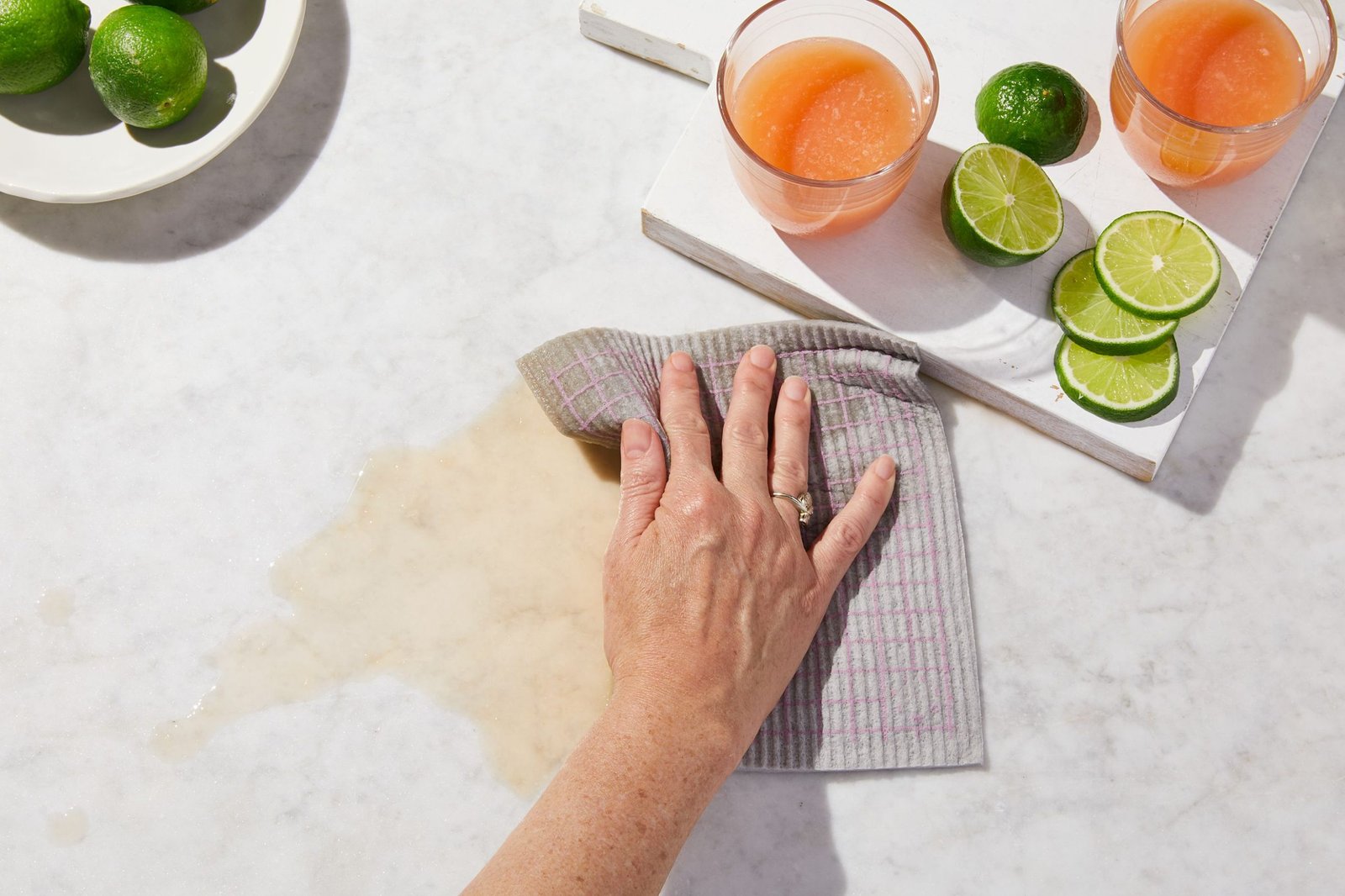
Imagine having a spotless kitchen that not only looks great but is also free from harmful chemicals. That’s possible with homemade kitchen surface cleaners!
Creating your own cleaner isn’t just about saving money; it’s about ensuring a safer environment for you and your loved ones. As you navigate through supermarket aisles, the countless options can feel overwhelming, and the ingredient lists are often a mystery.
But what if you could take control of what goes into your cleaning solutions? In this guide, you’ll discover how easy it is to make your own effective and eco-friendly kitchen surface cleaner. Get ready to transform your cleaning routine and bring a fresh, natural shine to your kitchen surfaces. Stay with us, and you’ll soon wonder why you didn’t make the switch sooner!

Credit: www.youtube.com
Benefits Of Homemade Cleaners
Making your own kitchen surface cleaner is simple and cost-effective. Mix vinegar, water, and essential oils for a natural solution. Homemade cleaners are free from harsh chemicals, making them safe for the environment and your family.
Creating homemade kitchen surface cleaners offers many benefits. These cleaners are made with natural ingredients, making them safe for your family. They are budget-friendly and help reduce plastic waste. They allow you to control the scent and avoid harsh chemicals. Let’s explore some specific advantages of making your own cleaner.Cost-effective Solution
Homemade cleaners save money. Store-bought cleaners can be expensive. You can make your own for a fraction of the cost. Most ingredients are already in your pantry. This makes homemade cleaners a smart financial choice.Eco-friendly Ingredients
Homemade cleaners use natural ingredients. This reduces chemical waste in the environment. You use fewer plastic bottles, which helps the planet. Eco-friendly choices support a healthier ecosystem.Safe For Families
Natural ingredients mean fewer health risks. Store cleaners often have harsh chemicals. These can be harmful to children and pets. Homemade cleaners are gentler and safer for home use.Customizable Fragrance
You control the scent of homemade cleaners. Choose essential oils like lavender or lemon. Create a pleasant aroma that suits your home. Customizing fragrance enhances your cleaning experience.Effective Cleaning Power
Homemade cleaners are effective. Ingredients like vinegar and baking soda clean well. They tackle grease, grime, and bacteria. Homemade solutions offer strong cleaning power naturally.
Credit: food52.com
Essential Ingredients
Creating your own kitchen surface cleaner is simple and rewarding. Homemade cleaners offer a natural way to keep your kitchen spotless. You can use everyday items to make effective solutions. Here, we explore essential ingredients for your homemade cleaner.
Natural Cleaning Agents
Vinegar is a powerful cleaning agent. It cuts through grease and grime easily. Baking soda adds scrubbing power to your cleaner. It also removes odors. Lemon juice is another great option. It kills bacteria naturally and leaves surfaces shiny.
Fragrance Options
Essential oils add pleasant scents to your cleaner. Lavender offers a calming aroma. Tea tree oil has antibacterial properties. Citrus oils provide fresh and uplifting scents. Experiment to find your favorite combination.
Tools Needed
Gather a spray bottle, measuring cups, and a funnel to make a kitchen surface cleaner. Ensure you have white vinegar, baking soda, and essential oils for an effective mix. These tools help create a simple, natural cleaner for your kitchen surfaces.
To create your homemade kitchen surface cleaner, gathering the right tools is crucial. These tools ensure the process is smooth and efficient. Let’s dive into the essential tools you’ll need.Mixing Supplies
For mixing, grab a clean bowl or mixing jug. A sturdy spoon or spatula helps blend the ingredients well. Measuring cups and spoons ensure accurate ingredient amounts. These supplies are usually found in any kitchen.Storage Containers
After mixing, store your cleaner in a spray bottle. Choose a bottle with a secure lid to prevent spills. A clear label helps identify the cleaner easily. Opt for a bottle that fits comfortably in your hand. Reusing an old bottle is a good eco-friendly option.Step-by-step Recipe
Creating your own kitchen surface cleaner is both simple and rewarding. You control what goes into it, ensuring it’s safe for your family and the environment. Follow this easy recipe to make a natural cleaner that works wonders on your kitchen surfaces.
Measuring Ingredients
Start by gathering your ingredients. You’ll need white vinegar, water, lemon juice, and essential oil. Measure:
- 1 cup of white vinegar
- 1 cup of water
- 2 tablespoons of lemon juice
- 10-15 drops of essential oil (like tea tree or lavender)
Use a measuring cup for accuracy. Precise measurements ensure the cleaner is effective.
Mixing Process
Combine the measured ingredients in a spray bottle. Pour the vinegar and water first. Add the lemon juice next. Shake the bottle gently to mix. Add the essential oil last for a pleasant scent.
Secure the spray bottle cap. Shake it again to ensure all ingredients blend well. Your homemade cleaner is ready to use. Remember to label the bottle for safety. Store it away from direct sunlight.
Application Techniques
Mix water, vinegar, and baking soda in a spray bottle for an effective kitchen surface cleaner. Shake well before each use to ensure ingredients blend. Wipe surfaces with a clean cloth for a sparkling finish.
Cleaning your kitchen surfaces with a homemade cleaner can be both rewarding and effective. The secret lies in how you apply the cleaner. With the right application techniques, you can ensure a sparkling clean kitchen while keeping it safe from harsh chemicals.Surface Preparation
Start by clearing the countertop of any clutter. This not only makes it easier to clean but ensures you reach every nook and cranny. Wipe away loose crumbs and debris with a dry cloth, preparing the surface for a more thorough clean. Ask yourself: How often do you forget to clear those hard-to-reach spots?Cleaning Methods
Apply your homemade cleaner generously across the surface. Use a spray bottle for even distribution, ensuring all areas are covered. Let the solution sit for a few minutes—this allows the active ingredients to break down stubborn stains and grease. Use a microfiber cloth to scrub the surface, moving in circular motions for optimal results. Consider the type of surface you’re cleaning; different materials may require varied approaches. For instance, granite might need gentle handling, while stainless steel can withstand a more vigorous scrub. Are you using the right method for your countertop material?Safety Tips
Ensure safety while making homemade kitchen surface cleaner. Use non-toxic ingredients like vinegar, baking soda, and essential oils. Wear gloves and keep mixtures away from children and pets.
Creating your own homemade kitchen surface cleaner can be a satisfying and cost-effective way to maintain a clean home. However, ensuring safety is paramount when handling and storing these cleaning solutions. Understanding and implementing safety measures can protect you and your family from potential mishaps.Handling Precautions
Always wear gloves when mixing and using cleaning solutions. This protects your skin from irritation caused by certain ingredients, like vinegar or essential oils. Make sure to work in a well-ventilated area to avoid inhaling strong fumes, especially if you’re using substances like vinegar or alcohol. Consider using safety goggles if you’re handling larger quantities. This might seem excessive for a kitchen cleaner, but splashes can happen unexpectedly. It’s better to be safe than sorry. Keep children and pets away from the area while you’re preparing and using the cleaner. Curious hands and paws can easily come into contact with ingredients that aren’t safe for them.Storage Advice
Label your homemade cleaner clearly. Include the date it was made and the ingredients used. This helps you remember when to make a fresh batch and ensures everyone knows what’s inside. Store the cleaner in a cool, dry place away from direct sunlight. This helps preserve the solution’s effectiveness and prevents the container from degrading over time. Always use a sturdy, leak-proof container. A spray bottle with a reliable nozzle is ideal for easy application. Ensure it is tightly sealed to avoid accidental spills or leaks, which can be both messy and hazardous. Do you have a designated spot for household cleaners? Keeping your homemade solution separate from other products can prevent cross-contamination and ensure it’s always easy to find when needed.Troubleshooting Common Issues
Mix vinegar, water, and essential oils to create an effective kitchen surface cleaner. Test on a small area first to ensure it doesn’t damage the surface. Adjust ingredients for stronger cleaning power or added fragrance.
Troubleshooting common issues with homemade kitchen surface cleaner can save time. It ensures your surfaces are spotless and free from damage. Here are some common challenges and solutions.Residue Removal
Sometimes homemade cleaners leave a residue. This can dull surfaces and look unsightly. To address this, ensure you rinse surfaces thoroughly after cleaning. Use a clean, damp cloth for rinsing. Wipe dry with a microfiber towel for a streak-free finish. If residue persists, adjust the amount of cleaner used. Less is often more with homemade solutions.Ingredient Adjustments
Homemade cleaners may need tweaking for optimal effectiveness. Different surfaces react differently to ingredients. If a cleaner isn’t performing, consider ingredient ratios. Increase vinegar for tougher stains. Add more water if the cleaner is too strong. Test adjustments on a small area first. This ensures no damage or discoloration occurs.
Credit: www.tastingtable.com
Eco-friendly Practices
Embracing eco-friendly practices in cleaning your kitchen can benefit the planet. Homemade surface cleaners are a great way to start. They are simple, safe, and effective. Let’s explore how to make them while reducing waste and using sustainable ingredients.
Reducing Waste
Using homemade cleaners reduces plastic bottle waste. Reuse old spray bottles for your new cleaner. Choose glass containers for storage. They are durable and reusable. Avoid disposable wipes. Use washable cloths instead. These small changes make a big difference.
Sustainable Ingredients
Opt for natural ingredients. Vinegar, a natural disinfectant, cleans effectively. Baking soda removes stains and odors. Essential oils add fragrance. They also have antibacterial properties. Choose oils like tea tree or lavender. These ingredients are safe for the environment. They are also safe for your family.
Frequently Asked Questions
What Is The Best Homemade Kitchen Surface Cleaner?
The best homemade kitchen surface cleaner combines equal parts vinegar and water. Add a few drops of lemon essential oil for a fresh scent. This solution effectively cleans and disinfects most surfaces, leaving your kitchen sparkling clean. Always test on a small area first to ensure compatibility.
How To Make Own Multi-surface Cleaner?
Mix equal parts water and white vinegar in a spray bottle. Add 10 drops of essential oil. Shake well. Use on surfaces like countertops, tiles, and glass. It’s natural, effective, and safe for most surfaces. Avoid using on marble or stone.
Store in a cool, dry place.
What Is The Best Natural Kitchen Countertop Cleaner?
Mix equal parts of vinegar and water for an effective natural kitchen countertop cleaner. Add a few drops of essential oil for fragrance. This solution cleans and disinfects surfaces without harsh chemicals, ensuring a safe and eco-friendly kitchen environment. Always test on a small area first to avoid damage.
What Are The 5 Basic Ingredients In Making A Homemade Cleaning Solution?
The five basic ingredients for a homemade cleaning solution are vinegar, baking soda, lemon juice, water, and essential oils. Vinegar disinfects, baking soda scrubs, lemon juice cuts grease, water dilutes, and essential oils add fragrance. This combination is effective and eco-friendly for household cleaning tasks.
Conclusion
Crafting your own kitchen cleaner is simple and rewarding. You control the ingredients. No harsh chemicals, just safe and effective cleaning. Mix vinegar, water, and essential oils. Spray it on surfaces, wipe clean. Sparkling counters without the toxins. It’s easy, eco-friendly, and affordable.
You save money while keeping your home safe. Try different oils for a pleasant scent. Lemon, lavender, and tea tree are popular choices. Enjoy the peace of mind that comes with homemade solutions. Your kitchen will shine and smell fresh.
Ready to start cleaning naturally? Grab those supplies and get mixing!
