
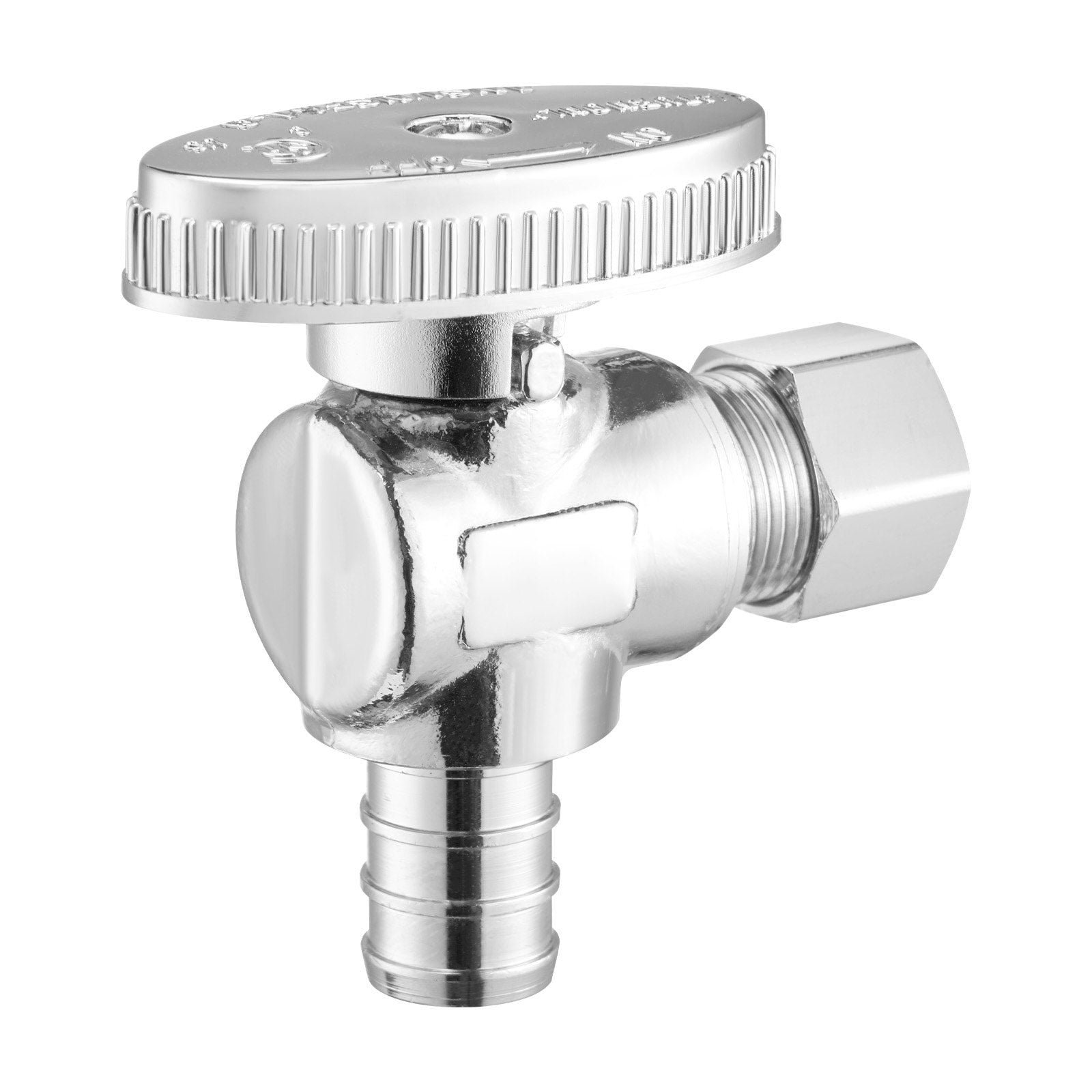
The two small valves tucked behind the cleaning supplies and spare sponges are the most important emergency shut-off points in your kitchen. A faucet that starts spraying, a supply line that bursts, or an appliance that leaks can be stopped in seconds — but only if those valves work when you need them. Many homeowners discover too late that a valve is stuck, corroded, or leaking, turning a minor inconvenience into a flood that ruins cabinets and flooring.
This guide walks you through every type of valve you might find under your sink, the specific failures each one develops, and the exact steps to diagnose and fix them. You will learn which problems you can solve in ten minutes with basic tools and which situations demand a professional. By the end, you will know your under-sink plumbing well enough to handle the most common valve emergencies with confidence.
Why Your Shut-Off Valves Deserve Attention
The valves under your sink are the local isolation point for your kitchen's water supply. When they function correctly, you can turn off water to the faucet, dishwasher, or ice maker without shutting down the entire house. That matters because the main shut-off valve — usually in the basement, crawl space, or outside — is often stiff, hard to reach, or buried behind stored items. In a true emergency, every second counts.
A valve that fails to close fully can allow water to continue flowing even after you turn the handle. A valve that leaks at the stem can slowly drip onto cabinet floors, promoting mould growth and wood rot over weeks or months. The Environmental Protection Agency estimates that household leaks waste nearly one trillion gallons of water annually across the United States — a slow drip from a valve stem is a major contributor.
Regular inspection and basic maintenance of these valves is one of the simplest ways to protect your kitchen from water damage. Knowing what type of valve you have, how it works, and what to look for puts you ahead of most homeowners.
Identifying the Valve Type Under Your Sink
Before you can troubleshoot, you need to know what you are working with. Three common valve designs appear under kitchen sinks, and each has its own failure modes and repair methods.
Compression Angle Stop Valves
These are the traditional shut-off valves found in homes built before the 2000s and still common in many newer constructions. The body is usually brass or chrome-plated brass, and the handle is typically round or oval, requiring multiple turns to open or close.
How they work: A threaded stem moves a rubber washer against a metal seat inside the valve body. Turning the handle clockwise pushes the washer onto the seat, stopping water flow. Turning counter-clockwise retracts the washer, allowing water to pass.
Common failure points: The rubber washer dries out, hardens, or cracks over time, especially if the valve is rarely used. When the washer degrades, the valve may leak from the stem or fail to shut off completely. The packing nut (the larger nut behind the handle) can also develop a leak if the packing material inside wears out.
What to look for: A small drip from the handle area, water stains on the valve body, or a handle that feels loose or sloppy are signs of compression valve wear.
Quarter-Turn Ball Valves
Ball valves have become the standard in modern plumbing and are increasingly common in kitchen renovations. They are easy to identify by the straight lever handle that moves only 90 degrees from fully open to fully closed.
How they work: Inside the valve body, a chrome-plated brass ball with a hole drilled through its centre sits between two seats. When the handle is aligned with the pipe, the hole lines up with the water path, allowing flow. Turning the handle perpendicular rotates the ball to block the opening.
Advantages: Ball valves seal more reliably than compression valves, require fewer turns to operate, and have fewer internal parts to fail. They are also less prone to leaking from the stem because the stem seal is separate from the ball mechanism.
Common failure points: The most frequent issue is stiffness caused by mineral deposits on the ball or seat. A worn O-ring on the stem can also cause a slow leak around the handle. Unlike compression valves, ball valves cannot be repaired by replacing a single washer — the entire valve body usually needs replacement if the internal seal fails.
Gate Valves (Found in Older Homes)
Gate valves were common in mid-20th-century construction but are rarely installed under kitchen sinks today. They are easy to spot because the handle is a multi-turn handwheel, and the valve body is longer than an angle stop.
How they work: A flat or wedge-shaped gate slides up and down inside the valve body. Turning the handle raises the gate to allow flow and lowers it to block flow. The mechanism requires many turns — often ten or more — to go from fully open to fully closed.
Common failure points: The gate can become stuck in the open or closed position due to corrosion or sediment buildup. The rubber or metal seat that the gate presses against can degrade, causing the valve to leak even when closed. Gate valves are notoriously unreliable after years of disuse and are the most likely type to fail in an emergency.
What to look for: A handle that turns with grinding resistance, a valve that won't close completely, or visible rust on the gate stem are all signs of trouble.
Six Signs of Valve Trouble
Catching a problem early can save you from a flooded cabinet. Watch for these six indicators during your routine checks.
Visible Leaks or Drips
The most obvious sign is water where it should not be. Check the area around the valve stem, the connection between the valve and the supply line, and the joint where the valve meets the wall pipe. Even a single drop every few minutes indicates a failing seal.
In practice: A compression valve that drips from the handle stem usually needs a new packing nut or washer. A ball valve that weeps from the handle area typically has a worn O-ring. A leak at the threaded connection to the wall often means the Teflon tape or pipe dope has degraded.
Handle Won't Turn or Feels Stiff
A valve that resists turning is a serious safety concern. If you cannot close it quickly in an emergency, you will have to run for the main shut-off.
In practice: Stiffness in a compression valve is usually caused by mineral deposits on the stem or corrosion inside the valve body. For ball valves, the stiffness often comes from calcium and lime buildup on the ball or seat. Gentle exercise with a lubricant can sometimes restore movement, but a valve that remains stiff after cleaning should be replaced.
Low Water Pressure at the Faucet
If the kitchen faucet suddenly loses pressure but other fixtures in the house are fine, the shut-off valves are a prime suspect. Debris or mineral scale can partially block the opening inside the valve, restricting flow.
In practice: This is more common with gate valves and older compression valves because their internal mechanisms have more crevices where sediment can accumulate. Ball valves rarely develop this problem because their internal pathway is smooth and unobstructed.
Unusual Noises (Hissing, Buzzing, Water Hammer)
A hissing sound near the valve usually means a small leak is forcing water through a narrow gap. A buzzing or vibrating noise can indicate that the valve is partially closed and water is flowing through at high velocity, which can damage the valve seat over time.
In practice: Water hammer — a loud bang when you shut off the faucet quickly — is often caused by loose pipes or a faulty valve that slams shut. If the noise comes from the valve area, the internal mechanism may be loose or worn.
Corrosion or Mineral Crust
White, green, or rust-coloured deposits on the valve body or at the connections indicate a slow leak that has been evaporating for weeks or months. The crust is the mineral residue left behind as water evaporates.
In practice: A small amount of white crust on a brass valve is common and usually harmless if the valve is dry. Green corrosion (verdigris) on copper pipes or brass fittings signals moisture exposure and should be investigated. Rust on a steel valve body is a sign that the valve is deteriorating and should be replaced.
Valve Won't Shut Off Water Completely
This is the most dangerous failure. If you turn the valve fully clockwise and the faucet still drips or flows, the internal seal has failed. For compression valves, the rubber washer is worn. For ball valves, the seat or ball surface is damaged. Gate valves may have a broken gate or a corroded seat.
In practice: If a valve won't close, do not force the handle — you can break the stem. Close the main water supply instead, then replace the faulty valve.
Tools You Should Have on Hand
Having the right tools before a problem develops makes troubleshooting faster and less frustrating. Keep these items accessible near your kitchen or in a basic plumbing kit.
- Adjustable wrench (8-inch and 10-inch): The 8-inch size works for most valve nuts and supply line connections. The 10-inch size gives you more leverage for stubborn fittings.
- Slip-joint pliers: Useful for gripping valve bodies and holding pipes steady while you loosen nuts.
- Bucket or shallow pan: Catch residual water when you disconnect supply lines or open a valve for inspection.
- Old towels or rags: Protect cabinet floors and soak up spills.
- Teflon tape (plumber's tape): Creates a watertight seal on threaded connections. Use the thicker, white tape designed for water pipes, not the thin yellow gas-line tape.
- Penetrating oil (WD-40 or similar): Helps loosen stuck threads and mineral deposits. Use sparingly and wipe away excess.
- Flashlight or headlamp: The space under a sink is dark and cramped. A headlamp keeps both hands free.
- Replacement washers and O-rings: A small assortment of rubber washers (½-inch and ⅝-inch) and O-rings (various sizes) covers most compression valve repairs.
- Small wire brush: Useful for cleaning mineral deposits from valve stems and threads.
If you are planning any work that involves disconnecting supply lines, keep a spare pair of flexible braided hoses on hand. They are inexpensive and fail more often than people realise. Having a replacement ready can save a second trip to the hardware store.
Step-by-Step Valve Inspection
A systematic inspection takes about ten minutes and should be done at least once every three months. Follow these steps to catch problems before they escalate.
1. Turn Off the Water
Start by closing both shut-off valves (hot and cold) by turning the handles clockwise. Then open the faucet to confirm the water has stopped. If the faucet continues to flow, the valves are not sealing properly — note this as a critical finding.
If the valves fail to shut off the water, close the main water supply to the house immediately. Do not proceed with any disassembly until you have confirmed that no water is flowing.
2. Look for Leaks and Corrosion
With the water off, use your flashlight to examine every part of the valve assembly. Check the valve body for cracks, pitting, or discolouration. Inspect the threaded connections where the supply line attaches to the valve and where the valve attaches to the wall pipe. Look for water stains, mineral crust, or rust on the cabinet floor directly beneath the valves.
In practice: A common hiding spot for leaks is the back of the valve where it meets the wall pipe. Reach behind the valve with your fingers and feel for moisture. If the area feels damp or sticky, you have a slow leak at that connection.
3. Test the Handle Movement
Turn each valve handle from fully closed to fully open and back again. Note any resistance, grinding, or unusual sounds. The handle should move smoothly through its full range. For compression valves, this means several complete rotations. For ball valves, a clean 90-degree sweep.
If the handle is extremely stiff or will not move at all, apply a small amount of penetrating oil to the stem and let it sit for five minutes before trying again. Never use excessive force — you can snap the stem or crack the valve body.
4. Check the Supply Hoses
Examine the flexible braided hoses that connect the valves to the faucet and any appliances. Look for bulges, kinks, cracks, or corrosion on the metal braiding. The hose fittings (where they connect to the valve and the faucet) should be tight but not overtightened.
In practice: Braided stainless steel hoses have a lifespan of about 8 to 10 years. If your hoses are older than that, or if you see any rust on the fittings, replace them proactively. A burst supply hose can release many gallons of water per minute.
How to Fix Common Valve Problems
Many valve issues can be resolved with basic tools and a methodical approach. Here are the most common repairs and how to perform them safely.
Stopping a Leaking Compression Valve
A leak from the handle stem of a compression valve is usually caused by a worn packing nut or a degraded rubber washer. This is one of the simplest repairs in plumbing.
Steps:
- Confirm the water is off at the valve. If the valve itself is leaking, close the main supply.
- Use an adjustable wrench to loosen the packing nut (the nut directly behind the handle) by turning it counter-clockwise. Do not remove it completely — just loosen it enough to stop the leak.
- If the leak persists after tightening the packing nut, the internal washer needs replacement.
- To replace the washer, remove the packing nut entirely, then pull the handle and stem assembly out of the valve body.
- At the bottom of the stem, you will find a small rubber washer held in place by a brass screw. Remove the screw, replace the old washer with an identical new one, and reassemble.
- Wrap the stem threads with Teflon tape before reinserting it into the valve body.
- Tighten the packing nut, turn the water back on, and check for leaks.
A common mistake is overtightening the packing nut. Tighten it just enough to stop the leak — about a quarter turn past hand-tight. Overtightening can crack the nut or damage the stem.
Freeing a Stiff Handle
Mineral deposits from hard water are the most common cause of a stiff valve handle. The deposits build up on the stem and inside the valve body, creating friction that makes turning difficult.
Steps for compression valves:
- Close the valve and remove the handle and stem assembly as described above.
- Soak the stem in white vinegar for 30 minutes to dissolve mineral deposits.
- Use a small wire brush or an old toothbrush to scrub the stem and the inside of the valve body.
- Dry all parts thoroughly, apply a thin layer of silicone-based plumbing grease to the stem, and reassemble.
Steps for ball valves:
- Close the valve and remove the handle. On most ball valves, the handle is held by a single screw or nut.
- Remove the stem nut and pull the stem and ball assembly out of the valve body.
- Clean the ball and the seats with vinegar and a soft cloth. Do not use abrasive materials that could scratch the ball surface.
- Apply a thin layer of silicone grease to the O-rings and reassemble.
Replacing a Faulty Valve
When a valve is too corroded to turn, cracks in the body, or fails to shut off water completely, replacement is the only reliable solution. This job requires shutting off the main water supply.
Steps:
- Close the main water valve for the house.
- Place a bucket under the valve to catch residual water.
- Disconnect the supply line from the valve outlet using an adjustable wrench.
- Use a second wrench to hold the pipe coming from the wall steady while you loosen the valve nut with the first wrench. This prevents twisting the wall pipe.
- Remove the old valve and clean the pipe threads with a wire brush.
- Apply Teflon tape clockwise around the pipe threads, wrapping three to four times.
- Screw the new valve onto the pipe by hand, then tighten it with a wrench until snug. Do not overtighten.
- Reconnect the supply line to the new valve outlet.
- Turn the main water supply back on slowly, checking for leaks at every connection.
If you are replacing a valve that connects to copper pipe without a threaded fitting, you will need to solder the new valve in place. This requires a propane torch, flux, and solder. If you are not comfortable with soldering, call a plumber.
Cleaning Mineral Buildup
Small amounts of mineral buildup that do not cause stiffness or leaks can be managed with regular cleaning. This is especially important if you live in an area with hard water.
Steps:
- Close the valve and remove the handle and stem assembly.
- Soak the stem in full-strength white vinegar for one hour.
- Scrub the cleaned stem with a soft brush and rinse with water.
- For ball valves, remove the ball and seats and soak them in vinegar for 30 minutes.
- Rinse thoroughly, dry, and reassemble with a thin layer of silicone grease.
Preventive measure: If hard water is a recurring problem, consider installing a water softener or a point-of-use sediment filter on the cold water line under the sink. This reduces mineral buildup on all fixtures and extends the life of valves and appliances.
Maintenance That Prevents Problems
A few minutes of preventive care every three months can double the life of your under-sink valves and virtually eliminate emergency failures.
- Exercise every valve quarterly: Turn each valve fully open and fully closed at least once every three months. This keeps the internal parts lubricated and prevents them from seizing. After exercising the valve, open the faucet briefly to confirm full flow is restored.
- Inspect supply hoses every six months: Look for bulges, cracks, rust on fittings, or kinks in the braiding. Replace any hose that shows signs of wear. Braided hoses have a finite lifespan — do not wait for them to fail.
- Check for moisture monthly: Run your hand along the bottom of the cabinet under the valves. Even a slightly damp spot indicates a slow leak that needs investigation.
- Keep the area accessible: Do not store cleaning supplies, pots, or other items directly in front of the valves. You need clear access in an emergency. Store items to the side or in a separate bin that can be pulled out quickly.
- Label the valves: If the hot and cold handles are not clearly marked, use a permanent marker or adhesive labels to identify them. This saves confusion during an emergency.
If you notice a musty smell coming from the under-sink cabinet, it often indicates a hidden leak that has been present long enough to promote mould growth. address any odour issues promptly by locating and fixing the source of moisture.
When to Replace Rather Than Repair
Not every valve problem is worth fixing. In some situations, replacement is faster, more reliable, and safer than attempting a repair.
Replace the valve if:
- The valve body is cracked or shows green/white corrosion (verdigris) that has eaten into the metal.
- The handle is loose and the internal stem is worn — tightening the packing nut does not help.
- The valve is more than 20 years old and has never been serviced.
- The valve is a gate valve that is stuck or leaking — gate valves are notoriously unreliable and should be upgraded to ball valves.
- You cannot identify the valve type or find replacement parts for it.
- The valve has been repaired before and is leaking again — repeated repairs indicate the valve body itself is compromised.
When in doubt, replace. A new quarter-turn ball valve costs under $20 and takes about 30 minutes to install. The peace of mind is worth far more than the cost and effort.
When to Call a Professional Plumber
DIY repairs are appropriate for many valve issues, but some situations genuinely require professional expertise. Do not hesitate to call a plumber if you encounter any of the following:
- The valve is connected to copper pipe that must be soldered. Soldering requires skill and the right equipment. A poorly soldered joint can leak and cause hidden water damage.
- The pipe coming from the wall is corroded or damaged. If the threads are stripped or the pipe wall is thin from corrosion, a plumber can assess whether the pipe itself needs replacement.
- You cannot close the main water supply. If the main valve is stuck or broken, call a plumber immediately. Do not attempt to force it.
- The leak is behind the wall. If water is seeping from the wall pipe connection and you cannot access the back of the fitting, a plumber can open the wall and make a proper repair.
- You are not comfortable with the job. Plumbing mistakes can cause significant water damage. If you feel uncertain at any point, stop and call a professional.
If you are planning a larger kitchen renovation that involves replacing the sink, countertop, or cabinets, this is the ideal time to upgrade all under-sink plumbing. A plumber can install new shut-off valves, supply lines, and a proper P-trap configuration in one visit, saving you future headaches.
Frequently Asked Questions About Kitchen Sink Valves
How often should I check my under-sink water valves?
Visually inspect them monthly for signs of moisture or corrosion. Exercise the handles (turn them fully on and off) at least every three months to keep them functional.
What is the difference between a compression valve and a ball valve?
Compression valves use a rubber washer that presses against a seat and require multiple turns to close. Ball valves use a rotating ball with a hole and close with a quarter turn. Ball valves are generally more reliable and less prone to leaks.
My faucet has low water pressure. Could the shut-off valves be the cause?
Yes, if only the kitchen faucet is affected. Sediment or mineral deposits inside the valve can partially block flow. Try opening and closing the valve several times to dislodge debris. If the problem persists, the valve may need cleaning or replacement.
Can I use any wrench to tighten valve fittings?
An adjustable wrench is best because it grips flat surfaces without damaging them. Slip-joint pliers can work but may round off the edges of nuts if not used carefully. Never use a pipe wrench on valve fittings — it will damage the chrome or brass surface.
How do I know whether to replace the entire valve or just a washer or O-ring?
If the valve body is in good condition (no cracks, no heavy corrosion) and the leak is from the stem, replacing the washer or O-ring is usually sufficient for compression valves. For ball valves, if the leak is from the handle area, try replacing the O-ring first. If the valve fails to shut off water completely, replace the entire valve.
What should I do if the valve handle snaps off?
Shut off the main water supply immediately. If the handle snapped off while the valve was open, water will continue flowing. Once the main supply is off, you can remove the broken stem and replace the valve.
Are braided supply hoses better than rubber hoses?
Yes, braided stainless steel hoses are more durable and less likely to burst than plain rubber hoses. However, they still have a finite lifespan of about 8 to 10 years. Replace them proactively based on age, not just when they show visible wear.
Conclusion
The water valves under your kitchen sink are small, simple devices with an outsized role in protecting your home. A working valve lets you stop a leak in seconds. A stuck or broken valve can turn a drip into a flood. The difference between the two outcomes is routine attention and basic knowledge.
By identifying the type of valve you have, inspecting it regularly for signs of wear, and addressing minor issues before they escalate, you can keep your under-sink plumbing reliable for years. Most valve problems are straightforward to fix with basic tools and a methodical approach. When a valve is beyond repair or the job requires skills you do not have, calling a professional is the smart choice.
Make it a habit to check your under-sink valves every few months. Open and close them, look for leaks, and replace any component that shows signs of age or corrosion. That small investment of time is the most effective way to prevent a plumbing emergency in your kitchen.
