
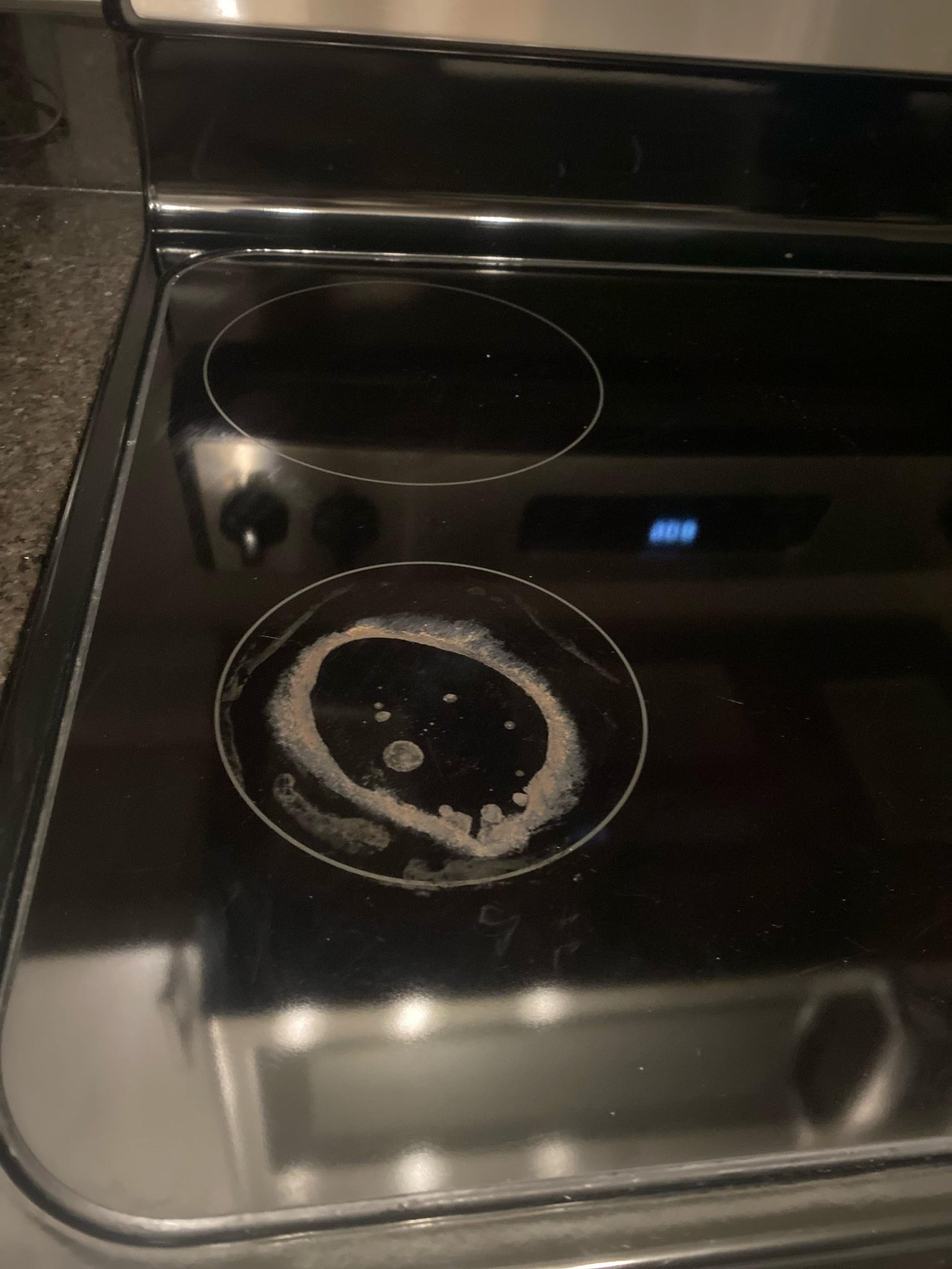
A glass-ceramic cooktop is one of the most elegant and efficient surfaces in a modern kitchen — until a spaghetti spill chars into a brown ring or a sugar droplet turns into a bonded-on rock. Done wrong, a few aggressive scrubs can leave permanent scratches. Done right, the surface can look near-new for years.
This guide walks you through the exact sequence, the right tools, and the mistakes to skip, whether you’re dealing with daily splatters or burnt-on crater stains. By the end, you’ll have a complete system for keeping your cooktop stove ceramic spotless without damaging the glass.
Understanding Your Ceramic Cooktop
Most modern smooth-top ranges use a glass-ceramic composite (often branded as Ceran® or Schott). It’s tough against thermal shock but surprisingly soft against abrasives — think of it like a high-end phone screen.
- Radiant electric cooktops glow red when on; heat comes from coils beneath the glass.
- Induction cooktops use electromagnetic fields and stay cool to the touch except where the pan sits.
Both share the same cleaning rules because the surface material is identical. The key difference: induction cooktops rarely get burnt-on spills because the glass itself doesn’t heat up as much, but any spill that does land on a warm zone still bakes on.
Essential Cleaning Supplies
Get these basics in your kitchen drawer before you need them.
| Tool / Product | Purpose | Notes |
|---|---|---|
| Microfiber cloth (pack of 3–5) | Daily wipe-down, polishing | Avoid terry cloth or paper towels — they leave lint and micro-scratches |
| Ceramic cooktop cleaner | Dissolves baked-on grease | Brands like Cerama Bryte or Weiman are formulated for this surface |
| Plastic razor scraper (with holder) | Lifts burnt-on food | Use only the plastic blades; never a metal razor |
| Baking soda + white vinegar | DIY gentle paste | Best for light stains; avoid vinegar on daily use (acid dulls the glaze) |
| Spray bottle with water + drop of dish soap | Quick post-cook wipe | Keep one next to the stove |
| Soft sponge (non-scratch) | Washing away cleaner residue | Mark it “cooktop only” so no one uses it for greasy pans |
Eco-Friendly Options
A paste of baking soda and water (3:1 ratio) works for most routine cleaning. Apply it, let it sit five minutes, then wipe with a damp microfiber cloth. For tougher spots, spritz with white vinegar after the paste — the fizz lifts residue without harsh chemicals. Rinse thoroughly. This combination is safe around kids and pets and won’t degrade the surface over time.
Safety First: Preparation Steps
- Turn off all burners and unplug the range if possible. Wait until the cooktop is completely cool — even a warm surface can crack when hit with a cold liquid.
- Remove loose debris with a soft brush or a clean dry cloth. Crumbs can act like sandpaper during wiping.
- Lay down a towel around the cooktop to catch drips of cleaner.
- Wear rubber gloves if using a commercial cleaner; many contain solvents that can dry out skin.
Daily Maintenance Routine
The single best habit is a quick wipe after every cooking session. It takes 30 seconds and prevents 90% of tough stains.
Quick Wipe Technique
- Let the surface cool for 10–15 minutes.
- Spritz the soap-water mix across the entire cooktop.
- Wipe with a damp microfiber cloth in overlapping circular motions.
- Follow with a dry microfiber cloth to buff away any haze.
Doing this after every meal keeps the gloss alive. A common mistake is wiping while the surface is still hot — the water evaporates instantly and leaves mineral deposits that look like etched stains.
Spot Cleaning Between Meals
- Liquid spills (soup, sauce): Blot immediately with a paper towel, then wipe with a damp cloth once cool. Never smear — that spreads the sugar or starch.
- Sticky spots (jam, syrup): Apply a dab of baking soda paste, let it sit for 2 minutes, then wipe off with a damp cloth.
- Grease splatters: Use a drop of dish soap on a damp sponge, rinse, and dry. Grease that sits overnight becomes much harder to remove.
Step-by-Step Deep Cleaning Process
When your cooktop has visible burnt rings, rainbow-coloured patches, or a gritty texture, it’s time for a deeper clean. Plan for 20–30 minutes.
What You’ll Need
- Ceramic cooktop cleaner (or baking soda paste)
- Plastic razor scraper
- Two microfiber cloths (one damp, one dry)
- Soft sponge
Step 1 — Apply Cleaner
Squeeze a dime-sized amount of ceramic cleaner directly onto the cooktop surface (not onto a cloth). Work it into a thin, even layer with a damp sponge. Most brands recommend letting it dry to a white haze — that’s the cleaner lifting the grime.
Step 2 — Scrape Burnt-On Food
While the cleaner is still wet around the edges of a burnt spot, hold the plastic razor scraper at a 45-degree angle. Push gently — do not dig. The scraper should glide across the surface without catching. Work from the outer edge of the stain inward.
In practice: People often press too hard, thinking pressure helps. It doesn’t — the scraper does the work by getting under the deposit. If you hear a scraping sound, you’re either using the wrong angle or the surface isn’t cool enough.
Step 3 — Buff and Polish
Once the cleaner has dried to a haze, use a dry microfiber cloth to buff the entire surface in a circular motion. The haze will disappear, leaving a streak-free shine. If you see streaks, you either left too much cleaner or the cloth was too damp.
Handling Tough Burnt Residues
For stubborn polymerised stains (often from cooking oil or butter that got too hot), repeat the process. You can also sprinkle baking soda directly onto the wet cleaner, let it sit for 10 minutes, then scrape again. The baking soda adds mild abrasion without scratching.
If you have a sugar spill (syrup, jam, soda) — this is urgent. Sugar melts onto the glass and can cause pitting if left to cool and bond. Wipe it up while still warm with a damp cloth. Once hardened, you need the scraper and a lot of patience; avoid using metal scrapers at all costs.
Common Mistakes That Damage a Ceramic Cooktop
| Mistake | Why It’s Harmful |
|---|---|
| Using abrasive pads (steel wool, Scotch-Brite heavy duty) | Leaves visible micro-scratches that trap dirt permanently |
| Using glass cleaners like Windex | Ammonia-based formulas leave a film that burns on and clouds the finish |
| Sliding pans across the surface | Creates swirl scratches over time |
| Ignoring spills until the next day | Burnt-on residue becomes exponentially harder to remove |
| Using cooktop cleaner on a hot surface | Cleaner boils, creates fumes, and can stain the glass |
Protective Measures for Longevity
Preventing Scratches
- Always lift pans — never slide or drag them.
- Keep the cooktop clean of grit between uses; even salt grains can scratch.
- Use felt pads on the bottom of rough cast-iron cookware? Actually, don’t — felt can melt. Instead, use cookware with smooth, flat bottoms. Cast iron is safe as long as the bottom isn’t rough or rusty.
Avoiding Chemical Damage
- Stick to products labelled “ceramic cooktop cleaner” or the vinegar/baking soda method.
- Never use oven cleaner — it contains caustic chemicals that can etch the glass permanently.
- Rinse thoroughly after any cleaner to prevent residue from burning during the next use.
How to Remove Specific Stains
| Stain Type | Best Method |
|---|---|
| Burnt milk or cheese | Scrape with plastic razor, then apply ceramic cleaner and buff |
| Sugar / caramel | Scrape while still warm if possible; once hard, apply baking soda paste for 15 minutes, then scrape |
| Hard water rings | Wipe with distilled white vinegar, rinse, and dry immediately |
| Rainbow discoloration | Usually a thin film of cleaner residue — buff with a dry microfiber cloth; if persists, repeat cleaning with a very small amount of cleaner |
| Metal scuffs (from pan bottoms) | Rub with a ceramic cleaner and a damp sponge — light scuffs usually disappear |
Expert Advice for Longevity
Regular Checks
Once a month, inspect your cooktop under good light. Cracks or chips can expand with heat cycles. If you see a crack, stop using that burner and consult your range’s manual or a service technician. A cracked ceramic cooktop can shatter catastrophically.
Also check the edges and the gap between the cooktop and the countertop — crumbs and grease hide there. Wipe them out with a cotton swab dipped in cleaner.
When to Call a Professional
If you have deep burnt-on layers that won’t budge after three cleaning attempts, a professional cleaning service may use a buffing compound and a high-speed polisher. This is safe only when done by someone experienced with ceramic surfaces. For most home kitchens, it’s rarely necessary.
You can also seek professional help if you notice sticky buttons, erratic heating, or a glass surface that feels uneven — these could indicate an internal failure rather than a cleaning problem.
Tools and Accessories to Consider
To make cleaning easier, invest in:
- A dedicated cooktop cleaning kit (cleaner + scraper + microfiber cloths) — saves hunting for separate items.
- A ceramic cooktop scraper with retractable blade — safer to store and less likely to lose the blade.
- Food-grade mineral oil (optional) — a tiny drop on a cloth, rubbed on after cleaning, can add a temporary shine but is not necessary. Some people prefer it.
For those who also clean stainless steel appliances frequently, a few universal tips from our guide on maintaining nearby stainless steel surfaces can help you keep the whole cooktop area uniform. Similarly, if you use a scrubbing brush for stubborn bits, ensure you know keeping your cleaning tools itself clean — a dirty brush just spreads grease.
If you’re into DIY cleaning solutions, see our easy recipe for a homemade degreaser that works well on cooktop hoods and backsplashes without harsh fumes.
Frequently Asked Questions
Can I use vinegar daily on my ceramic cooktop?
No. Vinegar is acidic and over time can dull the glass surface. Reserve it for occasional removal of hard water spots. For daily cleaning, plain water and a drop of dish soap is safer.
Why does my cooktop look hazy after cleaning?
Haze usually means leftover cleaner residue or hard water minerals. Wipe with a damp cloth, then buff dry. If that doesn’t work, try a dab of white vinegar on a damp cloth, then re-buff.
What’s the best way to get rid of rainbow stains?
Rainbow stains are often a thin layer of burnt-on oil or cleaner film. Apply a ceramic cleaner, let it dry, and buff vigorously. If they persist, a plastic razor scraper used very lightly can remove the film.
Can I use a magic eraser on ceramic cooktops?
The official recommendation from most manufacturers is no. Melamine foam (magic erasers) is mildly abrasive and can create micro-scratches similar to a green scrubby pad. Stick to microfiber.
Should I seal or wax my ceramic cooktop?
No — ceramic glass doesn’t benefit from any sealant. Wax or oil-based treatments will burn onto the surface during the next use, creating a stubborn haze.
Conclusion
A clean ceramic cooktop stove is not about elbow grease — it’s about using the right sequence and the right tools. Daily quick wipes, weekly spot attention, and a monthly deep clean with a dedicated ceramic cleaner will keep the surface looking pristine for years. Avoid abrasives, never scrape with metal, and always lift pans instead of sliding them.
For related kitchen care tips — from dishwasher maintenance routine to cleaning appliance interiors — browse our other guides. A well-maintained kitchen is safer, more efficient, and more enjoyable to cook in. Start with your cooktop, and you’ll see the difference every time you turn on the burner.
