

Are your painted kitchen cabinets looking dull or sticky? You want them to shine like new without damaging the paint, right?
Cleaning painted cabinets might seem tricky, but it doesn’t have to be. With the right method, you can easily remove grease, grime, and stains, making your kitchen feel fresh and inviting again. Keep reading, and you’ll discover the best way to clean your painted kitchen cabinets quickly and safely—no harsh chemicals or endless scrubbing needed.
Your kitchen deserves this simple makeover!
Choosing The Right Cleaning Products
Choosing the right cleaning products for your painted kitchen cabinets is essential to keep them looking fresh without causing damage. The wrong cleaner can strip paint or leave stains that are hard to remove. Knowing which products to trust ensures your cabinets stay beautiful and durable over time.
Safe Cleaners For Painted Surfaces
Opt for gentle, non-abrasive cleaners designed specifically for painted surfaces. Mild dish soap diluted in warm water is a classic choice that effectively removes grease and grime without harming the paint finish.
Look for cleaners labeled as safe for wood or painted furniture. These usually contain ingredients that clean without harsh chemicals or abrasives.
Avoiding Harsh Chemicals
Steer clear of ammonia, bleach, or strong solvents like acetone. These substances can eat away at the paint, causing discoloration or peeling.
Even if a cleaner promises tough stain removal, ask yourself if the risk to your cabinets is worth it. Often, gentler methods provide better long-term results.
Diy Cleaning Solutions
Simple homemade mixtures can be surprisingly effective and safe for painted cabinets. Try mixing equal parts white vinegar and water for a natural degreaser that also disinfects.
Another option is a paste of baking soda and water to gently scrub stubborn spots without scratching. Always test any DIY solution on a small hidden area first to avoid surprises.
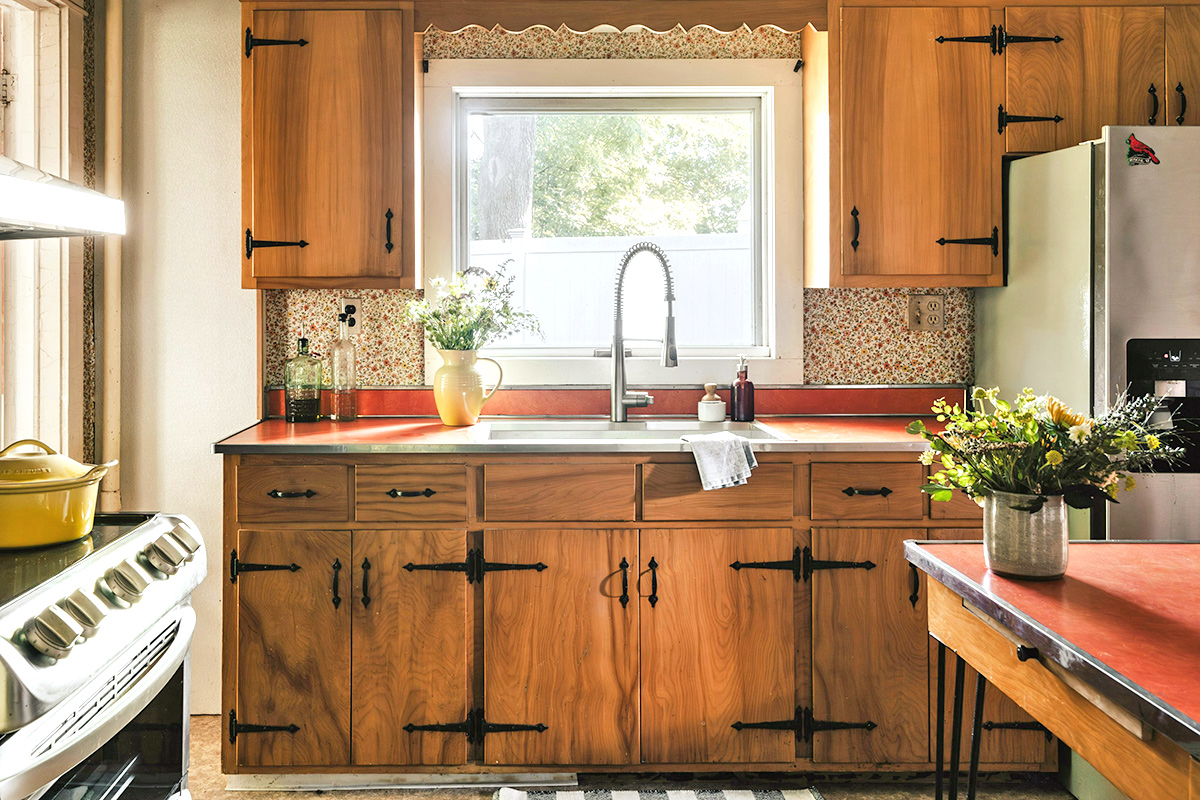
Credit: houseoutlook.com
Preparing Cabinets For Cleaning
Preparing cabinets for cleaning is an important first step. It helps ensure a thorough clean without damage. Taking time to prep makes the process easier and more effective. It also protects cabinet surfaces and hardware from harm. Follow simple steps to get your painted kitchen cabinets ready for cleaning.
Removing Loose Dirt And Dust
Start by wiping down the cabinets with a dry microfiber cloth. This removes loose dirt and dust particles. Use a soft brush or vacuum with a brush attachment for corners and crevices. Avoid harsh scrubbing to prevent paint scratches. Removing dust first helps cleaning solutions work better and prevents spreading dirt.
Protecting Hardware And Surrounding Areas
Cover cabinet handles and knobs with painter’s tape or plastic wrap. This protects hardware from cleaners and moisture. Lay down old towels or newspapers under the cabinets. This shields countertops and floors from drips and spills. Taking these precautions keeps your kitchen safe and clean during cabinet care.
Step-by-step Cleaning Process
Cleaning painted kitchen cabinets requires a gentle yet effective approach. Following a clear process keeps the paint intact and removes grime. This step-by-step guide helps maintain your cabinets’ fresh look without damage.
Wiping Down With Mild Soap
Start by mixing mild dish soap with warm water in a bucket. Use a soft cloth or sponge to wipe the cabinet surfaces gently. Avoid harsh scrubbing that can scratch or remove paint. Clean all areas, including edges and corners, to remove dust and light dirt.
Dealing With Stubborn Stains
For tough spots, dip a cloth in a mixture of baking soda and water. Gently rub the stain in small circles. Avoid abrasive tools like steel wool that harm the paint. Repeat if necessary, but be patient to protect the cabinet finish.
Rinsing And Drying Properly
After cleaning, rinse the cabinets with a clean cloth dipped in plain water. Remove all soap residue to prevent sticky buildup. Finally, dry the cabinets thoroughly using a soft towel to avoid water damage and streaks.
Maintaining Painted Cabinets
Maintaining painted kitchen cabinets keeps them looking fresh and new. Proper care prevents fading, peeling, and damage. Simple steps extend the life of the paint and protect your investment. Focus on gentle cleaning and quick repairs to avoid bigger issues. Consistent habits make a visible difference in your kitchen’s appearance.
Regular Cleaning Schedule
Wipe cabinets with a soft cloth or sponge every week. Use mild soap mixed with warm water. Avoid harsh chemicals that strip paint or cause dullness. Dry the surface thoroughly to prevent water damage. Clean spills and grease spots immediately to stop stains.
Preventing Damage And Wear
- Use cabinet handles to avoid touching painted surfaces.
- Avoid abrasive scrubbers or steel wool pads.
- Keep sharp objects away from cabinet edges.
- Control kitchen humidity to reduce paint peeling.
- Avoid direct sunlight that may fade paint colors.
Touch-up Tips For Scratches
For small scratches, use a matching paint pen or small brush. Clean the area before applying paint. Apply thin layers and let each dry fully. Lightly sand rough spots with fine-grit sandpaper before repainting. Keep touch-up paint handy for quick fixes.
Common Mistakes To Avoid
Cleaning painted kitchen cabinets needs care to keep the paint fresh and bright. Many people make mistakes that damage the surface or leave stains. Avoiding common errors helps maintain the cabinets’ look longer. Here are the key mistakes to watch out for.
Using Abrasive Tools
Harsh scrubbers or steel wool can scratch painted cabinets. These scratches ruin the smooth finish and make the paint peel. Soft cloths or sponges work best for cleaning. Gentle tools protect the paint and keep cabinets shiny.
Over-wetting The Surface
Too much water can seep into the wood or paint layers. This causes swelling, warping, or paint bubbles. Use a damp cloth, not a soaking one. Wring out excess water before wiping cabinets to avoid damage.
Neglecting Ventilation
Cleaning chemicals release fumes that can build up indoors. Poor airflow makes the smell stronger and can harm your health. Open windows or turn on fans while cleaning. Good ventilation keeps air fresh and safe.
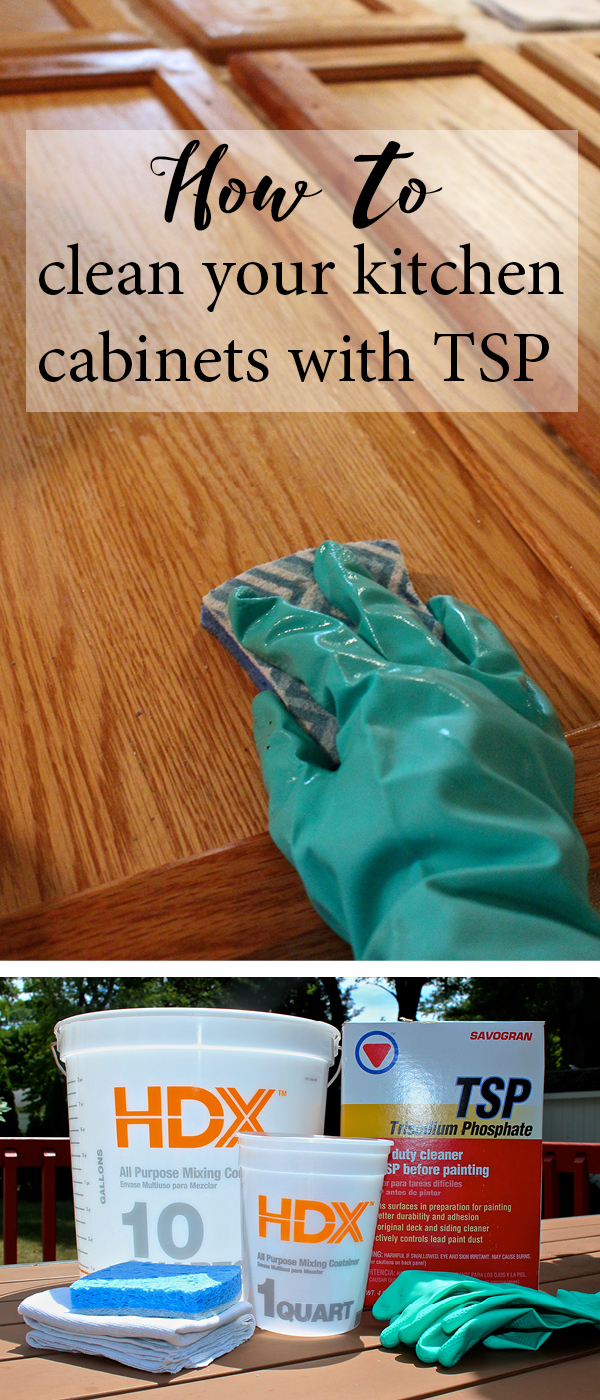
Credit: weekendcraft.com
Frequently Asked Questions
What Is The Safest Cleaner For Painted Kitchen Cabinets?
The safest cleaner is a mild dish soap mixed with warm water. It gently removes dirt without damaging the paint. Avoid harsh chemicals or abrasive scrubbers to keep the finish intact.
How Often Should Painted Kitchen Cabinets Be Cleaned?
Clean painted kitchen cabinets every two weeks to prevent grime buildup. Wipe spills immediately to avoid stains. Regular light cleaning maintains their fresh appearance and extends paint life.
Can Vinegar Be Used To Clean Painted Cabinets?
Yes, diluted vinegar is effective and safe for painted cabinets. Mix one part vinegar with two parts water. It removes grease and grime without harming the paint finish.
Should I Use A Microfiber Cloth For Cleaning Cabinets?
Microfiber cloths are ideal for cleaning painted cabinets. They trap dust and dirt without scratching the surface. Use a damp cloth for best results and avoid abrasive materials.
Conclusion
Cleaning painted kitchen cabinets is simple with the right steps. Use gentle cleaners and soft cloths to protect the paint. Avoid harsh scrubbing to keep the finish smooth. Regular cleaning stops dirt and grease from building up. A little care goes a long way in keeping cabinets fresh.
Remember, clean cabinets make your kitchen look neat and bright. Try these tips and enjoy a tidy kitchen space every day.
Hi, I’m Daniel Harper, a senior editor here at KitchenBucks.com. For over 10 years, I’ve been exploring kitchen gadgets and appliances to help people find tools that truly add value without breaking the bank. I love simplifying product choices so you can focus more on cooking and less on worrying about what to buy. When I’m not reviewing the latest gadgets, you’ll usually find me experimenting with coffee brewing or firing up the grill for a weekend barbecue.