
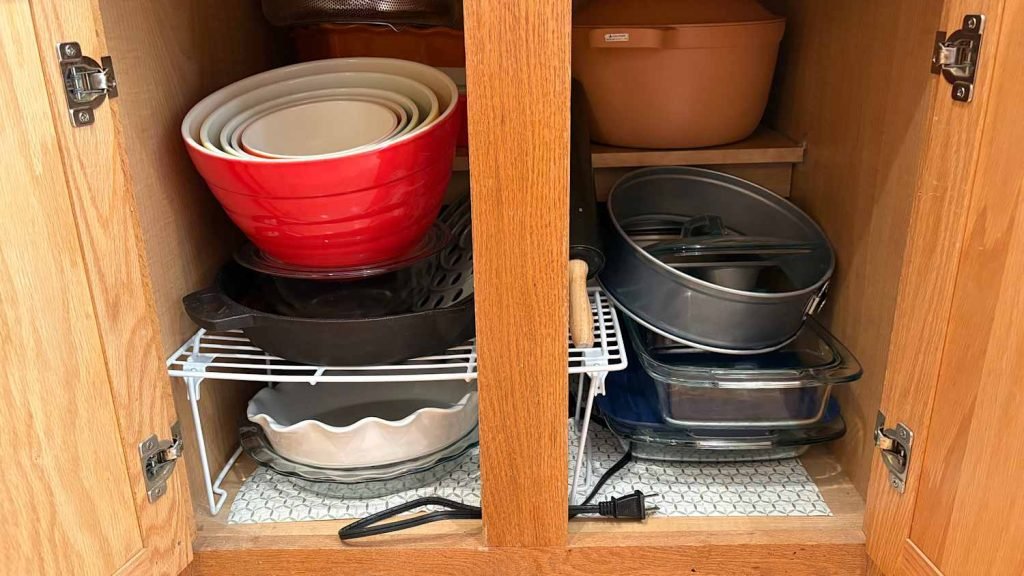
Are you tired of digging through cluttered drawers and crowded cabinets every time you cook? Your kitchen should be a place where everything is easy to find and use, not a source of stress.
The best way to organize your kitchen is simpler than you think. With a few smart strategies, you can transform your space into a neat, efficient, and enjoyable area. Keep reading, and you’ll discover practical tips that will save you time, reduce frustration, and make your kitchen work for you.
Ready to take control of your kitchen chaos? Let’s get started!
Declutter Your Space
Decluttering your kitchen space is the first step to a neat and functional kitchen. A clutter-free kitchen feels more spacious and easier to clean. It helps you find items quickly and reduces stress during cooking. Start by sorting through everything and deciding what to keep. Focus on essentials that you use daily. Let go of items that no longer serve a purpose or are duplicates.
Sort And Purge
Take everything out of your cabinets and drawers. Group similar items together. Check each item’s condition and expiry date. Toss expired food and broken tools. Donate or recycle items you do not need. Keep only what you use often or love. This process makes it easier to organize your kitchen later.
Keep Essentials Only
Limit your kitchen tools to essentials. Think about what you use every day or weekly. Store rarely used items separately or outside the kitchen. Essentials include knives, cutting boards, pots, pans, and basic utensils. Avoid keeping duplicates unless you cook for many people. Keeping fewer items frees up space for better organization.
Maximize Storage
Maximizing storage in your kitchen can transform the way you cook and clean. It’s about making the most of every inch of space so your kitchen feels open and functional. Small changes can lead to big improvements in how you organize and access your items.
Use Vertical Space
Think beyond the countertops and cabinets. Your walls and the space above cabinets are perfect for adding extra storage.
Try stacking shelves or tall cabinets to hold items you use less often. This keeps your everyday essentials within easy reach while freeing up valuable counter space.
Have you noticed empty walls near your prep area? Adding floating shelves there can keep spices, utensils, or small appliances handy without clutter.
Install Pull-out Shelves
Pull-out shelves are a game changer for deep cabinets. They let you see and reach everything at the back without digging around.
Installing these shelves can save you time and frustration. You’ll find it easier to keep things organized and avoid buying duplicates of items you forgot you had.
Consider pull-out baskets for your pantry or under the sink for cleaning supplies. This small upgrade can make a huge difference in daily kitchen flow.
Add Hooks And Racks
Hooks and racks give you instant storage options for pots, pans, and utensils. Hanging these items frees up cabinet space and keeps them within arm’s reach.
Magnetic strips for knives or spice jars can also add convenience while clearing drawer clutter. Look for spots inside cabinet doors or under shelves to add hooks.
Ask yourself: Which items do I reach for most, and could they be hung up instead of tucked away? This simple habit can keep your kitchen feeling tidy and efficient.
Optimize Cabinet Layout
Optimizing your cabinet layout can transform your kitchen into a more functional and enjoyable space. It’s about making every inch count so you can find what you need quickly. Think about how often you open your cabinets and how much time you spend searching for ingredients or tools.
Group Similar Items
Keep items that serve the same purpose together. For example, place all baking supplies like flour, sugar, and baking powder in one cabinet. This reduces the time you spend hunting for what you need when you’re in the middle of cooking.
Try grouping by frequency of use, too. Store everyday dishes and cups at eye level, while less-used items like seasonal platters can go higher up. This simple switch makes your daily routines smoother.
Use Clear Containers
Clear containers let you see exactly what’s inside without opening every box or bag. This saves time and keeps your pantry looking neat. Plus, airtight containers keep food fresh longer, cutting down on waste.
Choose uniform sizes to maximize space and stackability. I switched to clear containers for my cereals and snacks, and it’s been a game changer. No more guessing if the pantry is running low on essentials.
Label Everything
Labels are your best friend in a well-organized kitchen. They eliminate confusion and help everyone in your household know where things belong. Use simple, easy-to-read labels for jars, bins, and shelves.
Consider adding expiry dates on labels for items like spices or baking ingredients. This small step can prevent you from using stale or expired ingredients. Have you noticed how a quick label can change your kitchen habits?
Create Zones
Creating zones in your kitchen transforms chaos into calm. It helps you find what you need quickly and keeps your workflow smooth. Think about your kitchen as different workstations, each designed for a specific task.
Cooking Zone
This is where the magic happens—your stove, oven, and microwave should be here. Keep pots, pans, and cooking utensils within arm’s reach. Storing spices and oils nearby saves time and stops you from wandering around mid-recipe.
Ask yourself: Can you grab everything needed for cooking without leaving this zone? If not, it’s time to rearrange.
Prep Zone
Your chopping boards, knives, mixing bowls, and measuring cups belong here. This zone should have plenty of counter space for cutting and mixing. Keep frequently used ingredients like salt, pepper, and herbs nearby.
Think about your last cooking session—did you have to move back and forth too much? Setting up a dedicated prep zone cuts down on these extra steps.
Cleaning Zone
This area centers around your sink and dishwasher. Store dish soap, scrubbers, and towels under the sink or close by. Having a trash bin and recycling container handy keeps the mess contained.
Consider how often you clean as you go. Does your cleaning zone make it easy to maintain order? If not, try shifting essentials closer to where you rinse and wash.
Smart Pantry Organization
Organizing a pantry smartly can save time and reduce food waste. A tidy pantry helps find items quickly and keeps supplies fresh. Small changes make a big difference in pantry management.
Categorize Supplies
Group similar items together. Place baking ingredients in one section and canned goods in another. Use labels to identify categories clearly. This method helps spot what you have and what you need.
Use Airtight Containers
Store dry foods like flour, sugar, and cereals in airtight containers. These containers keep items fresh and prevent pests. Clear containers show contents at a glance, making meal prep easier.
Rotate Stock Regularly
Arrange newer items behind older ones. Use older products first to avoid spoilage. Check expiration dates every few weeks. This habit ensures nothing goes to waste and maintains freshness.

Credit: food52.com
Organize Drawers Efficiently
Efficient drawer organization can transform your kitchen experience. Instead of digging through clutter, you’ll find what you need quickly and easily. This not only saves time but also reduces stress during meal prep.
Think about the last time you opened a drawer and struggled to find a spatula or measuring spoon. How much smoother would cooking be if everything had its place? Let’s look at practical ways to organize your kitchen drawers so they work for you.
Use Dividers
Drawer dividers create clear boundaries between items. They prevent utensils, gadgets, and tools from mixing into a chaotic mess. You can choose adjustable dividers to fit different drawer sizes and shapes.
Try using wooden or plastic dividers to separate forks, knives, and spoons. For larger drawers, include dividers for baking tools or cooking gadgets. This way, everything stays visible and easy to grab.
Designate Specific Drawers
Assign each drawer a specific purpose. For example, keep all cooking utensils in one, baking supplies in another, and everyday cutlery in a separate drawer. This reduces the time spent searching.
Think about your cooking habits. Which tools do you use most often? Place those in the most accessible drawers to speed up your workflow. Does your kitchen have a junk drawer? Try to minimize it by relocating items to their designated spots.
Store Small Appliances
Small appliances often clutter countertops, but storing them in drawers keeps your kitchen tidy. Use deep drawers or pull-out shelves to fit items like hand mixers, blenders, or food processors.
Consider drawer organizers or custom inserts to keep cords untangled and parts together. Storing appliances this way protects them from dust and damage while freeing up valuable counter space.
Keep Countertops Clear
Keeping your countertops clear is one of the simplest ways to make your kitchen feel more organized and spacious. When counters are clutter-free, you instantly create more workspace and reduce the stress of searching through piles of items. Imagine preparing a meal without moving a dozen gadgets or jars first — how much smoother would that be?
Limit Counter Items
Start by asking yourself which items you truly use every day. A coffee maker or a toaster might deserve a spot on the counter, but do you need your blender or spice rack out all the time?
Try keeping only essentials visible. Store extras like rarely used appliances or bulk spices in cabinets or pantry shelves. This simple habit can dramatically clear your workspace and make cleaning faster.
Use Wall-mounted Storage
Wall-mounted shelves and hooks help you reclaim counter space without sacrificing accessibility. Installing a magnetic knife strip or hanging racks for pots and pans can keep your tools within reach but off the counter.
Think about your daily cooking routine and what you reach for most. Mounting those items on the wall keeps counters free and adds a visual order that feels intentional, not messy.
Maintain Regularly
Maintaining your kitchen regularly is key to keeping it organized and functional. Without consistent upkeep, clutter and chaos can quickly take over, making your space stressful and less efficient. Regular maintenance saves you time and frustration in the long run, ensuring your kitchen stays a place you enjoy working in.
Weekly Cleanups
Set aside a few minutes each week to tidy up your kitchen surfaces, wipe down appliances, and clear out any food scraps or crumbs. This quick cleanup prevents buildup and keeps your kitchen hygienic. You might be surprised how much easier cooking feels when you start with a clean space.
Focus on small tasks like:
- Wiping countertops and stove tops
- Emptying the trash and recycling bins
- Organizing frequently used utensils and tools
Ask yourself: Is there a spot where clutter tends to accumulate? Target those areas first to keep mess from piling up.
Monthly Inventory Checks
Every month, review your pantry, fridge, and freezer to check what you have and what’s expired. This habit helps reduce food waste and keeps your storage neat. I once found a forgotten jar of spices that had been expired for months—imagine the money saved by catching those early!
Try these steps during your inventory check:
- Remove expired or stale items
- Group similar products together for easy access
- Make a list of items you need to restock
Could a simple inventory check save you money and stress each month? It’s worth testing to find out.

Credit: food52.com
Frequently Asked Questions
What Is The Best Method To Organize Kitchen Cabinets?
Organize cabinets by grouping similar items together. Use clear containers and labels for easy identification. Arrange frequently used items at eye level. This method maximizes space and improves accessibility, making your kitchen more efficient and clutter-free.
How Can I Keep My Kitchen Countertop Clutter-free?
Keep only daily essentials on countertops. Use wall-mounted racks or shelves for extra storage. Store appliances inside cabinets when not in use. This approach maintains a clean workspace and enhances kitchen aesthetics.
What Storage Solutions Work Best For Small Kitchens?
Use vertical storage like tall shelves and hooks. Opt for stackable containers and pull-out drawers. Utilize door-mounted racks to save space. These solutions maximize storage without overcrowding your kitchen.
How Do I Organize A Kitchen Pantry Effectively?
Group pantry items by category such as grains, canned goods, and spices. Use airtight containers to maintain freshness. Label shelves and containers clearly. This system ensures easy access and prevents food waste.
Conclusion
Organizing your kitchen makes cooking easier and more fun. Keep items you use often within reach. Use containers to store dry goods neatly. Label shelves and drawers for quick access. Regularly clean and remove things you don’t need. A tidy kitchen saves time and reduces stress.
Small changes can make a big difference. Start with one area and build from there. Enjoy a space that feels calm and ready to cook.
Hi, I’m Daniel Harper, a senior editor here at KitchenBucks.com. For over 10 years, I’ve been exploring kitchen gadgets and appliances to help people find tools that truly add value without breaking the bank. I love simplifying product choices so you can focus more on cooking and less on worrying about what to buy. When I’m not reviewing the latest gadgets, you’ll usually find me experimenting with coffee brewing or firing up the grill for a weekend barbecue.