
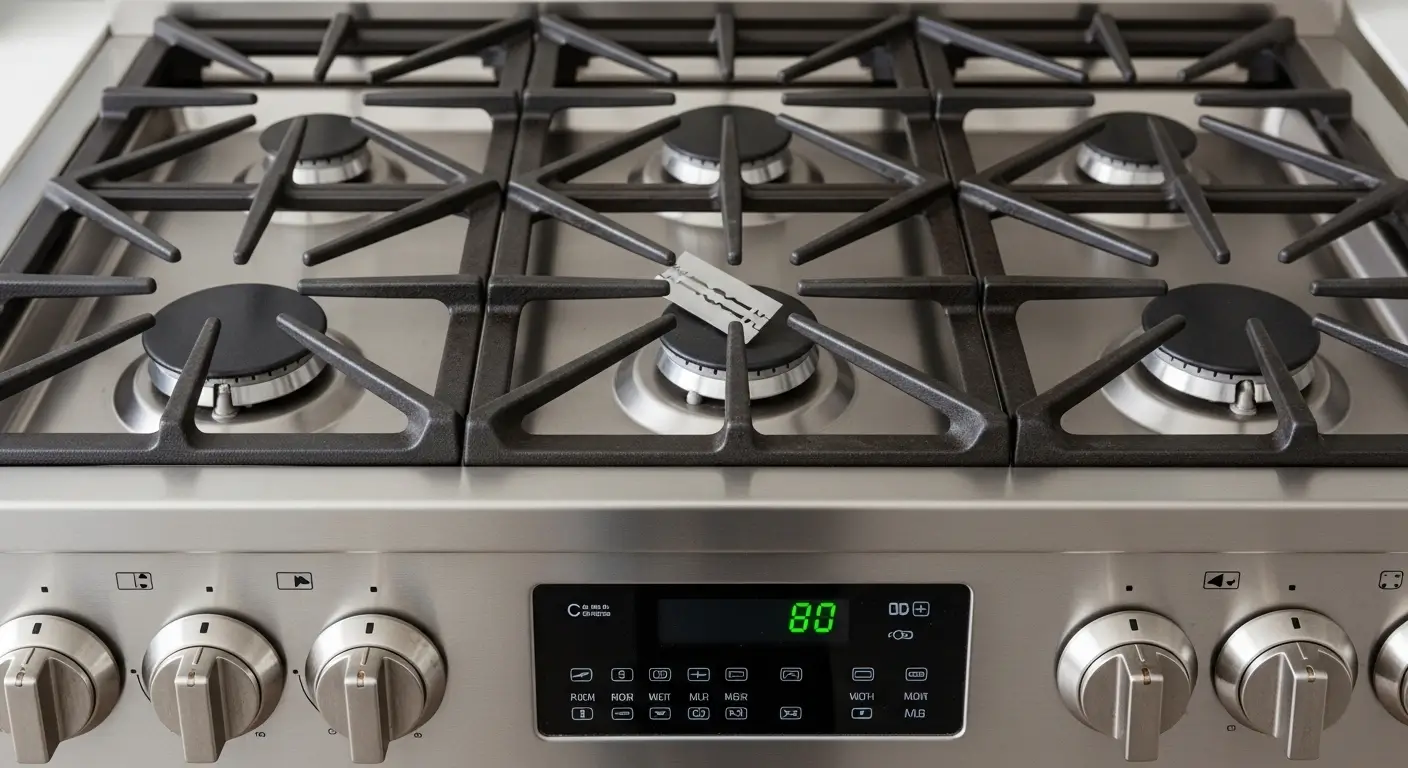
A greasy, stained stove top doesn't just look bad—it can affect cooking performance and become harder to clean over time. Whether you have a glass ceramic, gas, or radiant electric Whirlpool model, the right technique makes all the difference. This guide covers every step with practical detail, from daily wipe-downs to tackling burnt-on residue.
Understanding Your Whirlpool Stove Top Type
Before you start, identify which surface you're working with. Cleaning methods that work on sealed gas burners can damage a glass ceramic top, and vice versa.
| Surface Type | Common Whirlpool Models | Key Care Notes |
|---|---|---|
| Glass ceramic / smoothtop | Radiant electric and induction models | Scratches easily; no abrasive pads |
| Sealed gas burner | Gas range with grates and removable caps | Grease builds up around burner ports |
| Coil electric | Older models with exposed coils | Avoid liquid drips into coil sockets |
Your user manual (available online via Whirlpool's support page) will confirm your specific model's requirements.
Daily and Weekly Cleaning Routines
A consistent schedule prevents grime from hardening into stubborn stains.
After Every Use
- Wait for the surface to cool completely—a hot stove plus cold cleaner can crack glass tops.
- Wipe with a soft microfiber cloth and warm water. For light grease, add one drop of mild dish soap.
- Dry immediately with a second cloth to prevent water spots.
Weekly Deep Wipe
- Remove all grates, burner caps, and control knobs.
- Mix a few drops of dish soap into a bowl of warm water.
- Wipe the entire surface, paying extra attention around burner bases and corners.
- Rinse with a damp cloth, then dry thoroughly.
How to Clean Glass Ceramic (Smoothtop) Stove Tops
This is the most common Whirlpool surface type and the one most likely to show scratches from improper cleaning.
Tools You Need
- Plastic scraper / cooktop scraper (included with many Whirlpool ranges or available separately)
- Microfiber cloths (multiple, clean)
- Baking soda
- Distilled white vinegar
- Isopropyl alcohol (rubbing alcohol)
- Non-abrasive cooktop cleaner (recommended for stubborn buildup)
Step-by-Step Smoothtop Cleaning
Scrape off loose debris—Hold the plastic scraper at a 45‑degree angle and gently lift crumbs and burnt food. Never use a metal razor; it will score the glass.
Apply a baking soda paste—Mix 3 tablespoons of baking soda with 1 tablespoon of water. Spread the paste over stuck-on residue. Let it sit for 15 minutes.
Wipe with a damp microfiber cloth—Use gentle circular pressure. The paste acts as a mild abrasive that won't damage the glass.
Finish with a vinegar spritz—Spray white vinegar over the area. The fizzing lifts remaining residue. Wipe away with a clean damp cloth.
Polish with rubbing alcohol—For a streak-free shine, dab a few drops of isopropyl alcohol onto a dry microfiber cloth and buff the surface.
A common mistake is using a glass cleaner that contains ammonia. Over time, ammonia can dull the ceramic coating and make the surface more prone to staining.
Cleaning Gas Burners and Grates
Whirlpool gas stove tops have multiple removable parts. Each needs separate attention.
Removing Burner Caps and Grates
Lift grates and burner caps straight off. Most caps are dishwasher-safe (check your manual). If hand washing, use warm soapy water and a soft sponge.
Cleaning Burner Bases (The Silver Dish Under the Cap)
- Wipe with a damp cloth to remove grease.
- If the ports (small holes where flame comes out) are clogged, use a straight pin or a toothpick to clear each one. A cotton swab dipped in rubbing alcohol cleans around the ports without leaving lint.
- Let all parts dry completely before reassembling. Moisture in burner bases causes uneven flames or clicking sounds.
Cleaning Grates
- Soak in warm water with dish soap for 20 minutes to loosen grease.
- For baked-on carbon, sprinkle baking soda over wet grates and scrub with a non-scratch pad.
- Rinse, dry, and return to the stove only when fully dry.
Tackling Burnt-On Residue
Burnt spills happen to everyone. The key is patience—not harsh chemicals.
Method for Heavy Burnt Stains (Smoothtop)
- Wet a cloth with hot water and lay it over the stain for 10 minutes. The steam softens the carbon.
- Use the plastic scraper again, this time with the baking soda paste.
- For extremely stubborn spots, apply a commercial cooktop cleaner cream following the label directions. Most require a 5‑minute dwell time before buffing.
Method for Gas Burner Stains
- Remove the burner cap and base.
- Spray with a 50/50 vinegar-water solution.
- Scrub with a toothbrush dipped in baking soda. The bristles reach into burner ports without damaging them.
- Rinse thoroughly and dry.
Products to Avoid
Some common kitchen cleaners will permanently damage your Whirlpool stove top.
- Abrasive pads (steel wool, scouring pads) — scratch glass and enamel
- Bleach or chlorine-based cleaners — discolor metal trim and dull ceramic
- Oven cleaner — ate through control panel labels on many models
- Glass cleaners with ammonia — leave a hazy film on glass tops over time
Stick to mild soap, baking soda, vinegar, and isopropyl alcohol. For dedicated products, look for one labeled "cooktop cleaner" that is both non-abrasive and safe for ceramic surfaces.
What to Do When Spills Happen
Immediate action prevents permanent damage.
- Sugar-based spills (jam, syrup, fruit juice) — wipe immediately even if the surface is warm, because sugar can etch glass ceramic permanently once it cools and caramelises.
- Grease splatters — let the surface cool, then wipe with a paper towel and degreasing dish soap.
- Boil-overs (pasta water, milk) — once cool, scrape solid bits, then wipe with a damp cloth. Milk proteins left to bake can create stubborn carbon deposits.
A simple habit is to keep a spray bottle of water and a microfiber cloth near the stove. A 10‑second wipe after each meal saves 20 minutes of scrubbing later.
Polishing and Restoring Shine
Even a clean stove top can look dull from mineral deposits or micro-scratches.
For Glass Ceramic Tops
- After cleaning, apply a thin layer of cooktop polish or a few drops of mineral oil on a dry cloth.
- Buff in small circles until the surface reflects clearly.
- This also helps repel fingerprints and water spots for several days.
For Stainless Steel Trim
- Wipe with a dedicated stainless steel cleaner or a dab of olive oil on a microfiber cloth.
- Always rub in the direction of the grain to avoid smearing.
Troubleshooting Common Issues
Streaks After Cleaning
Cause: using too much cleaner or not rinsing thoroughly. Solution: rewet the surface with plain water, then dry with a fresh microfiber cloth.
White or Cloudy Film on Glass Top
Cause: hard water mineral deposits or burned-on detergent. Solution: wipe with distilled white vinegar, let sit for 2 minutes, then rinse and buff dry.
Uneven Flame on Gas Burners
Cause: clogged burner ports. Solution: clear with a pin as described above. If the flame is still uneven, the burner cap may be misaligned—lift and reseat it.
Scratches on Glass Ceramic
Minor surface scratches cannot be buffed out, but you can reduce their appearance by applying cooktop polish. To prevent new scratches, never slide pots across the surface and always use the plastic scraper for stuck-on food.
Maintenance Tips That Extend Stove Life
A few thoughtful habits keep your Whirlpool stove top looking new for years.
- Use appropriate cookware — flat-bottomed pots and pans distribute heat evenly and reduce the chance of scorched spills. Warped pans can also transfer heat unevenly, causing localised hot spots that burn food onto the surface.
- Wipe spills while warm (not hot) — a paper towel blot on a warm spill lifts most of it before it hardens. Wait until the surface is warm but not hot enough to burn your hand.
- Install a stovetop cover — a flexible silicone mat protects the surface when not in use, especially helpful if you have limited counter space and place items on top of the stove.
- Check the underside of cookware — grease and carbon build up on pan bottoms and transfer to your stove top during cooking. Wipe pan bottoms occasionally to keep both your pots and stove cleaner.
When to Call a Professional
Most cleaning can be done at home, but certain situations warrant expert help:
- Burner elements or igniters not working after cleaning
- Cracks or chips in a glass ceramic top (never cook on a cracked surface — it can shatter)
- Gas smell that persists after cleaning burner ports
- Knobs or control panel malfunctioning after liquid seeped inside
For these issues, contact Whirlpool customer support or a certified appliance repair technician.
A clean Whirlpool stove top isn't just about appearances—it directly affects how evenly your food cooks and how long the appliance lasts. Stick to the right tools, clean spills promptly, and give each component the specific care it needs. Your stove will reward you with consistent performance and a kitchen that feels fresh every time you cook.
