
Have you ever noticed that your dishwasher isn’t cleaning as well as it used to? If your dishes are coming out with spots or your machine is making strange noises, it might be time to give it a little TLC.
Descaling your dishwasher is an essential task that can help restore its efficiency and extend its lifespan. But don’t worry, the process is simpler than you might think! Imagine the satisfaction of opening your dishwasher to find sparkling clean dishes every time.
That’s what proper maintenance can do for you. In this guide, you’ll discover easy steps to descale your dishwasher, ensuring it performs at its best. Plus, you’ll save money on repairs and replacements in the long run. Curious to learn how? Keep reading to transform your dishwasher into the powerful cleaning ally it once was.

Credit: www.youtube.com
Why Descaling Is Essential
Descaling a dishwasher is crucial. It keeps the machine running smoothly. Over time, minerals build up inside. This buildup affects performance. It can lead to clogged spray arms. Also, dishes may not come out clean. Regular descaling prevents these issues. It extends the life of your dishwasher. A well-maintained machine saves money on repairs. It also conserves energy by working efficiently.
Understanding Mineral Buildup
Mineral deposits come from hard water. These deposits are known as limescale. Limescale can block water flow. It makes heating elements work harder. As a result, energy consumption increases. Descaling removes these deposits. It restores proper water flow. This ensures dishes are cleaned effectively.
Improving Dishwasher Efficiency
A clean dishwasher works better. Descaling improves efficiency. It allows the machine to operate at full capacity. Water reaches all areas of the dishwasher. This means every dish gets cleaned properly. Without descaling, efficiency decreases. The machine uses more energy to clean dishes. This increases utility bills.
Extending Dishwasher Lifespan
Descaling extends the lifespan of your dishwasher. Mineral buildup causes wear and tear. Over time, this leads to parts failure. Regular descaling prevents this. It reduces strain on the machine. Parts last longer, saving money on replacements. A longer lifespan means fewer purchases of new dishwashers.
Signs Your Dishwasher Needs Descaling
Is your dishwasher not performing as it should? This could be a sign that it needs descaling. Over time, mineral deposits from hard water can build up inside your dishwasher. This can lead to inefficient cleaning, strange noises, or even damage. Recognizing these signs early can help maintain your appliance’s efficiency.
Dishes Come Out Cloudy Or Spotted
Are your dishes coming out with a cloudy film? This indicates mineral buildup. Even after a wash cycle, these spots can remain. It’s a clear sign your dishwasher needs attention.
Dishwasher Takes Longer To Clean
Notice your dishwasher running longer than usual? This might be due to scale buildup. It slows down water flow and affects cleaning efficiency. Addressing this can restore your machine’s performance.
Unpleasant Odors From The Dishwasher
Does your dishwasher have a bad smell? Scale deposits can trap food particles. This leads to unpleasant odors. A regular descaling can help keep your dishwasher smelling fresh.
Unusual Noises During Operation
Is your dishwasher making strange noises? Mineral buildup can affect moving parts. This results in unusual sounds. Descaling can often resolve these issues.
Stagnant Water At The Bottom
Have you seen water pooling at the bottom? Scale can block drainage. This prevents water from exiting properly. Descaling can help clear the blockages.
Visible Limescale Inside The Dishwasher
Do you see white, chalky residue inside? That’s limescale. It forms from hard water minerals. A visible sign that descaling is needed.
Preparing Your Dishwasher For Descaling
Your dishwasher, a trusty kitchen ally, deserves some TLC. Descaling it can significantly enhance its performance and lifespan. But before you jump into the process, proper preparation is essential. This sets the stage for an effective cleaning, ensuring your appliance runs smoothly and efficiently afterward. Let’s delve into how you can get your dishwasher ready for descaling.
Gather Necessary Supplies
Preparation starts with assembling the right tools and supplies. You’ll need a descaling agent, which is readily available in stores. Some people swear by homemade solutions using vinegar or lemon juice, but commercial products often provide more reliable results.
Grab a microfiber cloth and a small brush. These will help you reach those tricky spots where grime hides. If you’re unsure what to choose, check the user manual for recommendations. The right supplies make the task easier and more effective.
Safety Precautions
Your safety should be a priority. Descaling agents, while effective, can be harsh. Use gloves to protect your skin. Ensure the room is well-ventilated to avoid inhaling any fumes.
Before starting, unplug your dishwasher. This simple step prevents any electrical mishaps. It’s easy to overlook but crucial for ensuring your safety during the cleaning process.
Have you ever wondered if skipping these precautions might lead to costly repairs? Ensuring safety measures can save you from unexpected trouble.
By taking these steps, you’re not just preparing your dishwasher; you’re ensuring a smooth and effective descaling process. Are you ready to give your dishwasher the care it deserves?
Natural Descaling Methods
Dishwashers can build up mineral deposits over time. This affects their performance. Using natural descaling methods is a safe way to clean your dishwasher. These methods use common household items. They’re both effective and eco-friendly.
Vinegar And Baking Soda
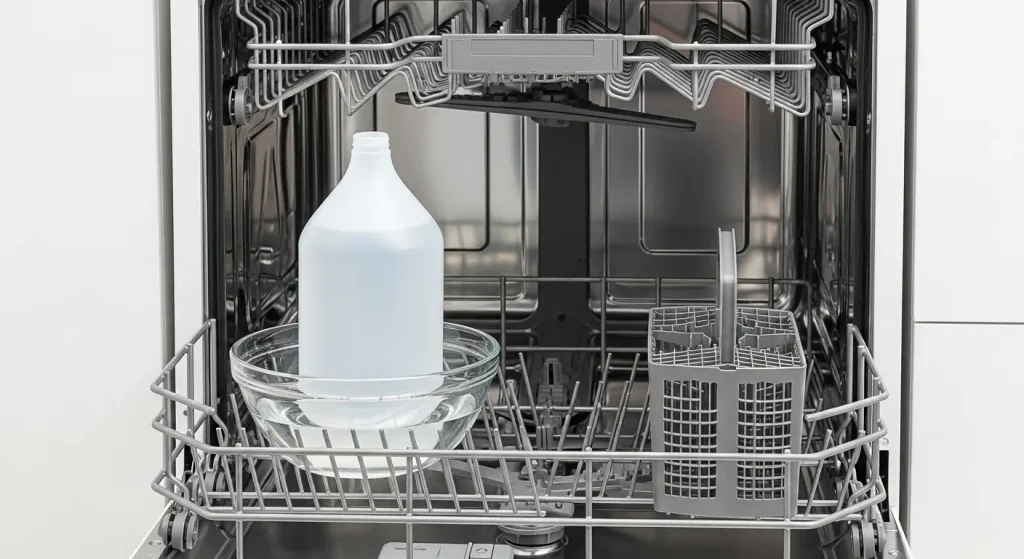
White vinegar is a natural cleaning agent. It removes limescale and kills bacteria. Pour two cups of vinegar into a dishwasher-safe bowl. Place it on the top rack of your empty dishwasher. Run a hot water cycle. This dissolves mineral deposits.
After the vinegar cycle, sprinkle baking soda on the bottom. Run a short, hot water cycle. Baking soda helps remove stains. It also neutralizes odors. Your dishwasher will smell fresh and clean.
Citric Acid
Citric acid is a natural compound found in citrus fruits. It effectively removes limescale. You can find it in powder form. Pour a few tablespoons into the detergent compartment. Run an empty hot water cycle.
Citric acid cleans the dishwasher’s interior. It also removes tough mineral stains. Use this method once a month for best results.
Commercial Descaling Products
Descaling a dishwasher can extend its lifespan and improve efficiency. Commercial descaling products offer a convenient solution. These products are designed to remove lime and calcium build-up. They can be found in stores or online. Choosing the right product is crucial for effective descaling.
Choosing The Right Product
Ensure the product is suitable for your dishwasher model. Check for ingredients that target mineral deposits. Read reviews from other users to gauge effectiveness. Opt for products with a proven track record in descaling. Consider environmental impact and safety for your machine.
Application Tips
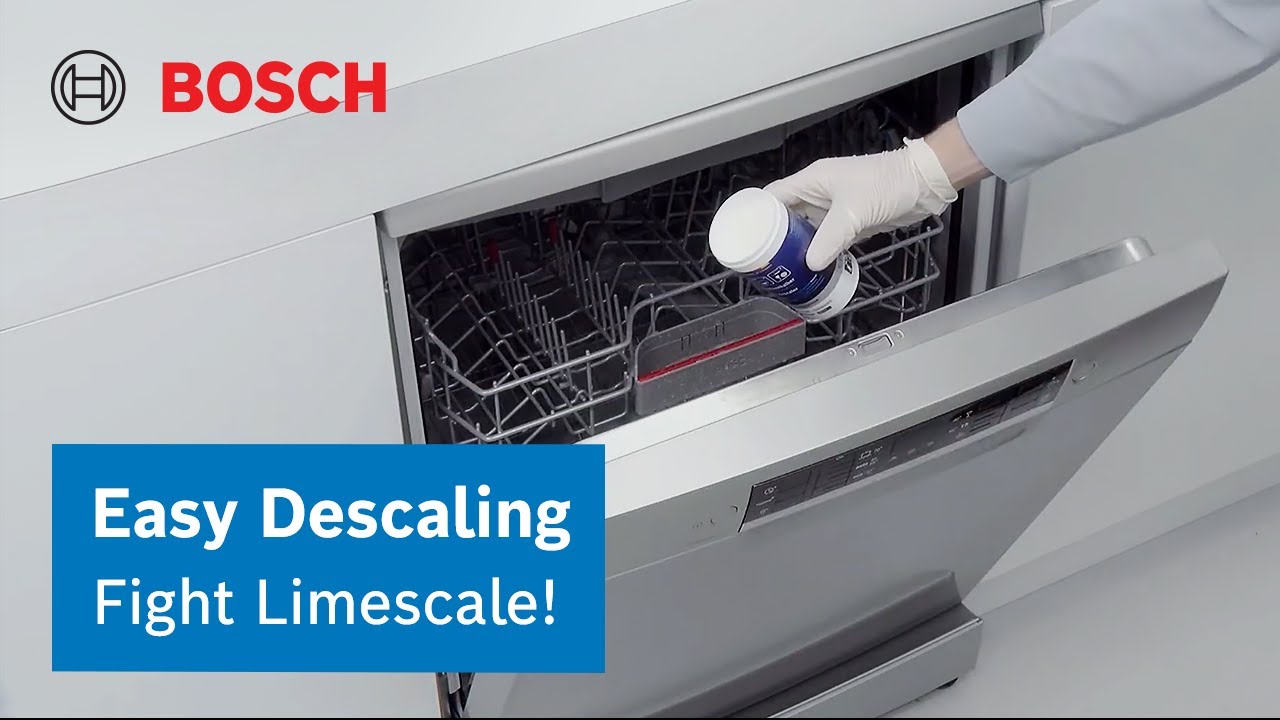
Follow the instructions on the product label closely. Use gloves to protect your hands during the process. Run an empty cycle with the descaler for best results. Ensure the dishwasher is completely empty before starting. Repeat the process if mineral build-up is heavy.
Step-by-step Descaling Process
Descaling your dishwasher is crucial for maintaining its efficiency and longevity. Mineral deposits can build up over time, affecting performance and potentially shortening the appliance’s lifespan. By following a simple step-by-step descaling process, you can ensure your dishwasher remains in top-notch condition.
Empty The Dishwasher
Start by removing all dishes, utensils, and racks from the dishwasher. Ensure no food particles or debris are left behind. A clean slate makes the descaling process more effective.
I once skipped this step and found bits of food stuck in the spray arms after descaling, which defeated the purpose. Learn from my mistake—always start with an empty dishwasher.
Run A Hot Water Cycle
Next, run a hot water cycle without any detergent or dishes. This helps to loosen any mineral buildup. It also warms up the interior, making it easier for the descaling solution to work.
Have you ever noticed how hot water can soften stubborn stains when you’re washing dishes by hand? The same principle applies here, making it an essential step before applying any descaling solution.
Apply Descaling Solution
Now, add a dishwasher-safe descaling solution according to the product instructions. Place it in the detergent compartment or directly on the bottom of the dishwasher.
Be sure to choose a product that’s compatible with your appliance. Not all solutions are created equal, and using the wrong one could do more harm than good.
Final Rinse
After the descaling cycle, run another hot water cycle to rinse out any remaining residue. This ensures no leftover solution affects your next load of dishes.
Imagine serving your guests drinks in glasses that taste like vinegar—definitely not the impression you want to leave! A final rinse makes sure your dishwasher is ready for its next use.
By following these straightforward steps, you’ll keep your dishwasher running smoothly and extend its lifespan. What challenges have you faced with maintaining your dishwasher, and how did you overcome them?
Maintaining A Scale-free Dishwasher
Keeping a dishwasher free from limescale ensures its efficiency. Limescale buildup can hinder performance and shorten the appliance’s lifespan. Regular maintenance is key to preventing these issues. This guide will help you maintain a scale-free dishwasher. Let’s dive into simple steps to keep your dishwasher at its best.
Regular Cleaning Routine
Establish a consistent cleaning schedule for your dishwasher. Wipe down the interior weekly. Remove any leftover food particles. Check the dishwasher’s filter and clean it monthly. A clean filter improves water flow and cleaning power. Make sure spray arms are clear of debris. This ensures water reaches all dishes effectively.
Water Softener Use
Hard water contributes to limescale buildup. Consider using a water softener. Water softeners reduce mineral content in water. This lessens the chance of limescale forming. Install a water softener to prevent future buildup. It also protects your dishwasher’s internal parts. For best results, check softener settings regularly.
Troubleshooting Common Issues
Descaling a dishwasher often solves many problems. Yet, some issues persist. Understanding these can help maintain your dishwasher effectively. Below are common issues faced during descaling. Addressing them ensures a smoothly running dishwasher.
Persistent Scale Build-up
Scale can build up despite regular cleaning. Hard water is the main culprit. Minerals accumulate, forming stubborn layers. Use a strong descaling agent. Vinegar or citric acid works well. Run a cycle with the agent. Consider installing a water softener. It reduces mineral content. Check the dishwasher filter. Clean it to prevent clogs. Regular maintenance helps tackle this issue.
Unpleasant Odors
Dishwashers can emit bad odors. Leftover food particles are usually responsible. They decay, causing unpleasant smells. Clean the dishwasher thoroughly. Remove any debris from the filter. Use baking soda and vinegar. They neutralize odors effectively. Run an empty cycle with these. Air out the dishwasher after each use. Keep the door slightly open. Regular cleaning prevents odor buildup.
When To Seek Professional Help
Seek professional help if your dishwasher still has limescale despite cleaning. A technician can inspect and fix any hidden issues. Professional assistance ensures thorough cleaning and avoids further damage.
Descaling your dishwasher is a task many can manage on their own, but there are times when seeking professional help might be the better option. Have you ever wondered when it’s time to call in the experts? Recognizing those moments can save you time, stress, and potentially costly repairs.
Unusual Noises
If your dishwasher starts making strange noises, it might be a sign of a deeper issue. While some sounds could be due to loose items inside, persistent loud noises might indicate mechanical problems. A professional can quickly diagnose and fix these issues before they escalate.
Persistent Odors
Have you noticed a lingering bad smell despite regular cleaning? This could mean there’s a buildup of grime or mold in places you can’t reach. A technician can clean these hidden spots effectively, ensuring your dishwasher is both clean and odor-free.
Water Drainage Problems
Is your dishwasher not draining properly? This might be due to a clog or a faulty pump. Attempting to fix it yourself might lead to further damage. A professional can identify the root cause and make necessary repairs efficiently.
Repeated Error Codes
Modern dishwashers often display error codes when something goes wrong. If you see the same code repeatedly, it’s a sign that a more complex issue needs addressing. An expert can interpret these codes accurately and provide a solution.
Electrical Concerns
If you notice flickering lights or the dishwasher suddenly powers off, it might be an electrical issue. Handling electrical problems without proper knowledge can be dangerous. It’s always safer to have a professional handle these concerns.
Personal Story: Learning The Hard Way
I once tried to fix a drainage issue myself, thinking I could save some money. Instead, I ended up flooding the kitchen. It was a costly mistake that taught me the value of professional help. Don’t let a similar mishap happen to you. Recognizing when to call a professional can prevent minor problems from turning into major disasters. Have you faced any of these issues with your dishwasher? Share your experiences or ask questions in the comments below.
Credit: www.bosch-home.co.uk
Frequently Asked Questions
What Is The Best Way To Descale A Dishwasher?
To descale a dishwasher, use white vinegar or a descaling solution. Pour it into the detergent compartment. Run a hot cycle without dishes. Regular descaling ensures efficient performance and prevents limescale buildup. Always check the manufacturer’s instructions for specific guidance.
Is A Descaler Necessary For A Dishwasher?
Using a descaler for your dishwasher is essential. It removes limescale, improving efficiency and prolonging lifespan. Regular descaling ensures optimal performance and prevents buildup that can cause damage. Keep your dishwasher running smoothly and effectively by descaling as recommended by the manufacturer.
How Do You Remove Limescale From A Dishwasher?
Use vinegar or citric acid to remove limescale. Run an empty cycle with the solution. Check for residue and repeat if necessary. Regular cleaning prevents buildup. Follow manufacturer’s guidelines for safe maintenance.
How To Get Rid Of Scale In Dishwasher?
Use white vinegar to remove scale. Pour a cup into the dishwasher and run a hot cycle. Repeat monthly for maintenance. Regular cleaning prevents buildup and keeps your dishwasher efficient.
Conclusion
Descaling a dishwasher keeps it running smoothly. Regular cleaning prevents buildup. Follow simple steps for a spotless machine. Use vinegar or citric acid. Both work well against hard water stains. Run a hot cycle for best results. Your dishes will shine like new.
A clean dishwasher means cleaner dishes. Save time and effort with regular maintenance. Enjoy a fresh and efficient kitchen appliance. Keep your dishwasher in top shape with consistent care. Descaling is easy and worthwhile. Your dishwasher will thank you!
