
An unpleasant odor wafting from your dishwasher when you open it is more than just an annoyance—it's a sign that something needs attention. Your dishwasher should leave your dishes spotless and your kitchen smelling fresh, not introduce a lingering foul scent. Fortunately, tackling dishwasher odors is usually straightforward with practical cleaning and preventative measures. Imagine opening your appliance to a welcoming hint of cleanliness instead of a musty or rotten smell. This comprehensive guide provides expert insights to banish those unwanted odors and restore a pristine scent to your dishwasher.
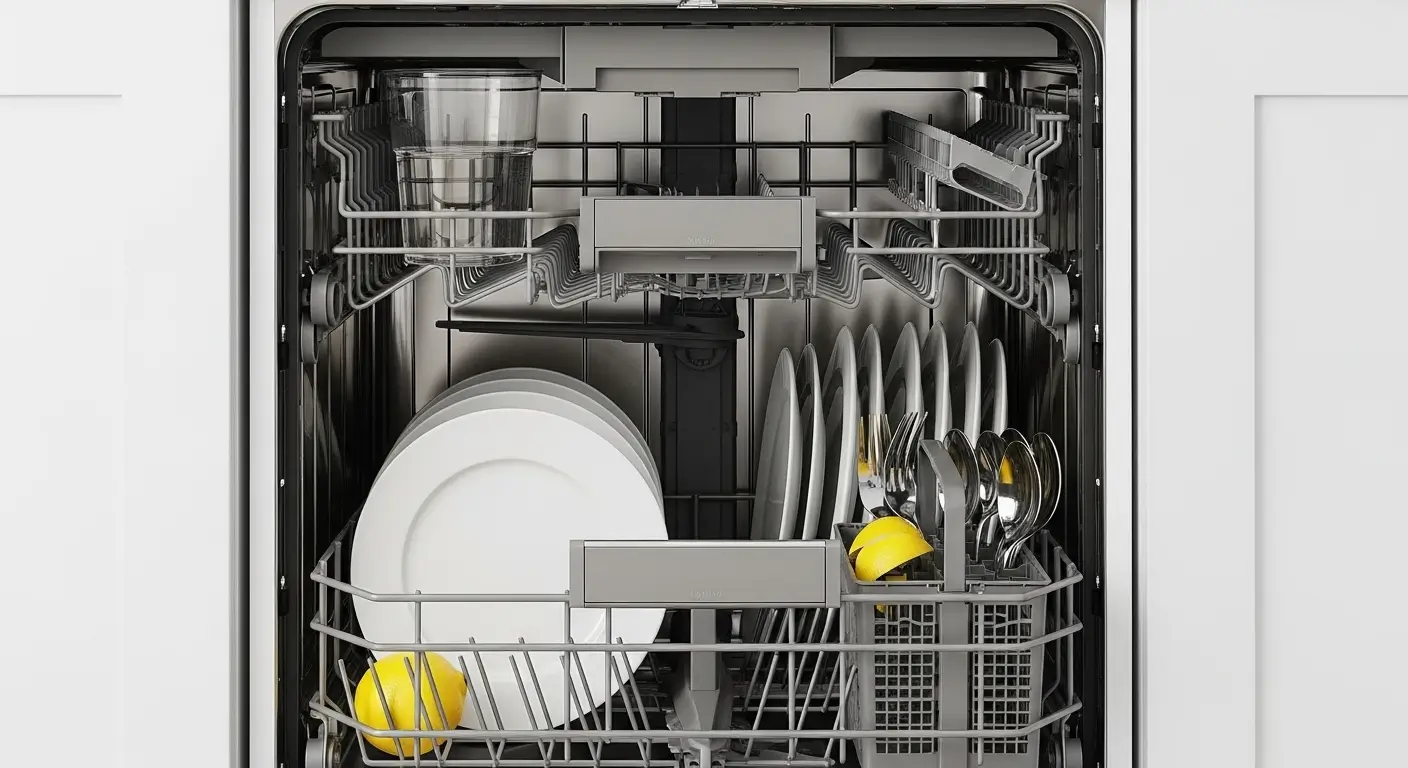
 A clean dishwasher interior is key to a fresh scent.
Image source: www.karensgreencleaning.com
A clean dishwasher interior is key to a fresh scent.
Image source: www.karensgreencleaning.com
Understanding the Root Causes of Dishwasher Odors
Before you can effectively eliminate unpleasant smells, it’s crucial to understand what causes them. Dishwasher odors typically stem from a combination of food debris, grease, soap scum, and the accumulation of moisture, creating ideal conditions for bacteria and mold growth. Addressing these fundamental issues is the first step towards a consistently fresh-smelling appliance.
Trapped Food Particles
Even with powerful spray arms, small food particles can escape the main wash and get trapped in various parts of the dishwasher, such as the filter, pump, or spray arm crevices. Over time, these organic materials decompose, leading to a rotten or sour smell. If you notice food residue on your dishes after a cycle, it's a strong indicator of this problem.
Grease and Soap Scum Buildup
Dishwashers work with hot water and detergent to break down grease and food. However, some grease and detergent residue can cling to interior surfaces, pipes, and seals. This buildup creates a film that traps moisture and can harbor odor-causing bacteria. It’s particularly common in areas that don't get direct spray.
Mold and Mildew Growth
The warm, damp environment inside a dishwasher, especially when left closed after a cycle, is a perfect breeding ground for mold and mildew. These microorganisms produce a distinct musty odor, similar to what you might find in a damp basement or clothes left too long in the washing machine. You might notice black or colored spots, especially around door seals or the rubber gasket.
Stagnant Water and Drainage Issues
A functioning dishwasher should drain completely after each cycle. If water remains at the bottom, it becomes stagnant and can quickly develop a foul smell. This can be due to a clogged drain filter, a problem with the dishwasher's pump, or issues with your home's plumbing connected to the appliance, such as a blocked under kitchen sink plumbing diagram.
Mineral Deposits and Hard Water
In areas with hard water, mineral deposits can accumulate on internal components, including heating elements and spray arms. These deposits can trap food particles and create surfaces where bacteria thrive, contributing to odors over time.
Deep Cleaning Your Dishwasher: A Step-by-Step Guide
Regularly deep cleaning your dishwasher is the most effective way to tackle and prevent odors. This process involves cleaning all the key components that are common culprits for odor buildup.
1. Clean or Replace the Dishwasher Filter
Your dishwasher's filter is the first line of defense against food debris. Neglecting it is a primary cause of unpleasant smells.
- Locate the filter: This is typically at the bottom of the dishwasher tub, often under the lower spray arm. Consult your owner's manual if you're unsure.
- Remove and disassemble: Most filters are designed to be unscrewed or unclipped. Carefully remove the different parts of the filter assembly.
- Wash thoroughly: Rinse all filter components under hot running water. Use an old toothbrush or a soft brush to scrub away any stubborn food particles or gunk. For heavy buildup, you can soak the filter parts in warm, soapy water or a solution of vinegar and water for about 30 minutes.
- Reassemble and replace: Ensure all parts are completely dry before reassembling and placing them back into the dishwasher.
For specific models, guides like How To Clean Filter In Frigidaire Dishwasher or How To Clean Filter In Whirlpool Dishwasher can provide detailed instructions.
2. Clean the Spray Arms
Clogged spray arms can lead to poor water circulation and ineffective cleaning, contributing to odor.
- Remove the spray arms: Most spray arms can be unscrewed or detached by releasing a clip or nut.
- Clear the nozzles: Use a toothpick, needle, or a thin wire to poke into each nozzle and dislodge any mineral deposits or food particles.
- Rinse and reattach: Wash the spray arms in warm, soapy water and rinse them thoroughly. Ensure they are securely reattached to their original positions.
3. Wipe Down the Interior and Door Seals
This step removes surface grime and potential mold or mildew.
- Prepare a cleaning solution: Mix equal parts white vinegar and warm water in a spray bottle. Alternatively, use a mild dish soap solution.
- Clean the tub: Spray the solution onto a microfiber cloth and wipe down the interior walls, bottom, and the inside of the door. Pay close attention to corners and crevices where debris might accumulate.
- Scrub seals: Use an old toothbrush dipped in the cleaning solution to meticulously clean the rubber door seals and gaskets. These areas are prone to trapping food and developing mold. For stubborn mold, a paste of baking soda and water can be effective.
4. Address Mineral Buildup with a Vinegar Cycle
Vinegar is an excellent natural disinfectant and deodorizer that can break down mineral deposits and soap scum.
- Place vinegar: Pour one to two cups of white vinegar into a dishwasher-safe bowl or cup and place it on the top rack of your empty dishwasher.
- Run a hot cycle: Select the hottest water setting or a "sanitize" cycle and run the dishwasher. The vinegar will circulate through the machine, cleaning components and neutralizing odors.
5. Deodorize with Baking Soda
Baking soda is a fantastic odor absorber that can neutralize remaining smells after a vinegar wash.
- Sprinkle baking soda: Sprinkle about one cup of baking soda across the bottom of your empty dishwasher tub.
- Run a short rinse cycle: Run a short rinse cycle or a hot water cycle to allow the baking soda to work while rinsing away any loose debris.
Using Natural Deodorizers for Ongoing Freshness
Beyond deep cleaning, incorporating natural deodorizers into your regular maintenance routine can keep your dishwasher smelling fresh between washes.
Baking Soda for Odor Absorption
For daily or weekly odor control, simply leave an open box or a cup of baking soda at the bottom of your dishwasher when it's not in use. It will continuously absorb ambient odors. You can also sprinkle a tablespoon of baking soda on the bottom before running a regular cycle for an extra deodorizing boost.
Vinegar Rinse as a Maintenance Task
Consider performing the vinegar rinse step (as described in the deep cleaning section) once a month as part of your routine maintenance. This proactive approach prevents the buildup that leads to strong odors.
Lemon Slices for a Citrus Scent
For a pleasant, natural scent, place a few fresh lemon slices in the cutlery basket or on the bottom rack of your dishwasher before running a cycle. The citric acid helps cut through grease, and the lemon imparts a subtle, fresh aroma. This is a great way to achieve a pleasant scent, similar to how you might use citrus to clean stainless appliances naturally.
Preventative Maintenance: Key to a Long-Term Fresh Dishwasher
Consistent preventative maintenance is more effective than last-minute odor removal. Implementing these habits will significantly reduce the likelihood of your dishwasher developing unpleasant smells.
Promptly Empty and Rinse Dishes
- Don't let dirty dishes sit: Avoid leaving dirty dishes in the dishwasher for extended periods. Scrape off large food particles before loading.
- Run full loads: Operate your dishwasher only when it's full to maximize water and energy efficiency and ensure proper cleaning.
Proper Loading Techniques
Avoid overcrowding your dishwasher. Proper loading ensures water and detergent can reach all surfaces, effectively washing away food particles and grease. Ensure cups, bowls, and containers are angled downwards to allow water to drain out.
Use High-Quality Detergent and Rinse Aid
- Choose the right detergent: Use a high-quality dishwasher detergent specifically designed for automatic dishwashers. Some detergents include odor-fighting enzymes.
- Utilize rinse aid: Rinse aid helps water sheet off dishes, improving drying and preventing water spots. Many rinse aids also contain ingredients that can help reduce odors. For optimal performance, ensure your dishwasher rinse aid dispenser is clean and filled.
Run Hot Water Before Starting
Before you start a dishwasher cycle, run the hot water tap at your kitchen sink for a minute. This ensures that the dishwasher fills with hot water from the start, which is more effective at dissolving grease and detergent and helps eliminate bacteria more efficiently.
When to Consider Professional Service
While most dishwasher odors can be handled with DIY cleaning, persistent or severe smells might indicate a more serious issue that requires professional attention.
Persistent Odors After Cleaning
If you’ve performed thorough cleaning and the odor remains, it could be a sign of a deeper clog in the dishwasher's drain hose, a malfunctioning pump, or other internal component issues. A technician can diagnose and repair these problems. For instance, a persistent smell could be related to a problem with your changing pipes under kitchen sink or the overall plumbing.
Unusual Noises or Performance Issues
When a foul odor is accompanied by unusual noises, poor cleaning performance, or error codes, it’s time to call a professional appliance repair technician. These symptoms often point to mechanical failures that need expert diagnosis.
Frequently Asked Questions
How Do I Get Rid Of The Bad Smell In My Dishwasher?
Start by thoroughly cleaning the dishwasher filter and interior. Use a combination of vinegar and baking soda in separate cycles for deep cleaning and deodorizing. Ensure your dishwasher's drain is clear and consider running a hot water cycle with an empty machine. Regular maintenance is key to preventing future odors.
What Can I Put In My Dishwasher To Make It Smell Nice?
For a fresh scent, you can place a cup of white vinegar on the top rack and run a hot cycle. Alternatively, sprinkle baking soda on the bottom and run a short cycle. Lemon slices or a few drops of essential oils (like lemon or lavender) on a cotton ball placed in the cutlery basket can also provide a pleasant fragrance.
How To Stop Dishwasher Smelling Like Wet Dog?
A "wet dog" smell often indicates bacteria and mold growth. Ensure you regularly clean the dishwasher filter, as trapped food particles are a common cause. A vinegar rinse is effective for deodorizing, and running a hot cycle with baking soda can further combat odors. Also, check the spray arms for clogs and ensure your dishwasher is draining properly and has adequate ventilation after cycles. Addressing issues related to your under kitchen sink smells musty can also sometimes indirectly benefit the dishwasher's overallenvironmental freshness.
Can You Put Vinegar and Baking Soda in the Dishwasher at the Same Time?
No, it’s generally not recommended to use vinegar and baking soda simultaneously in a dishwasher. They react chemically, and while both are cleaning agents, using them together can neutralize their effectiveness and potentially create a less optimal cleaning solution. It’s best to use them in separate cycles—baking soda for odor absorption and deodorizing, and vinegar for breaking down grease, mineral deposits, and providing shine.
Conclusion: Enjoy a Freshly Scented Kitchen
Achieving a fresh-smelling dishwasher is well within your reach. Consistent cleaning and proactive maintenance are your most powerful tools. By regularly cleaning the filter and interior, using natural deodorizers like vinegar and baking soda, and adopting good loading habits, you can effectively prevent and eliminate unpleasant odors. Don't forget to check and clean the spray arms and ensure proper drainage. Simple practices, such as running hot water before starting a cycle and using lemon slices for an extra burst of freshness, can make a significant difference.
Embracing these straightforward cleaning routines means your dishwasher will not only smell better but also operate more efficiently, contributing to a more pleasant and hygienic kitchen environment. A clean appliance is a happy appliance, leading to cleaner dishes and a more enjoyable culinary space. Share these effective tips with friends and family to help them banish dishwasher odors and enjoy the simple satisfaction of a clean, fresh-smelling kitchen.
