
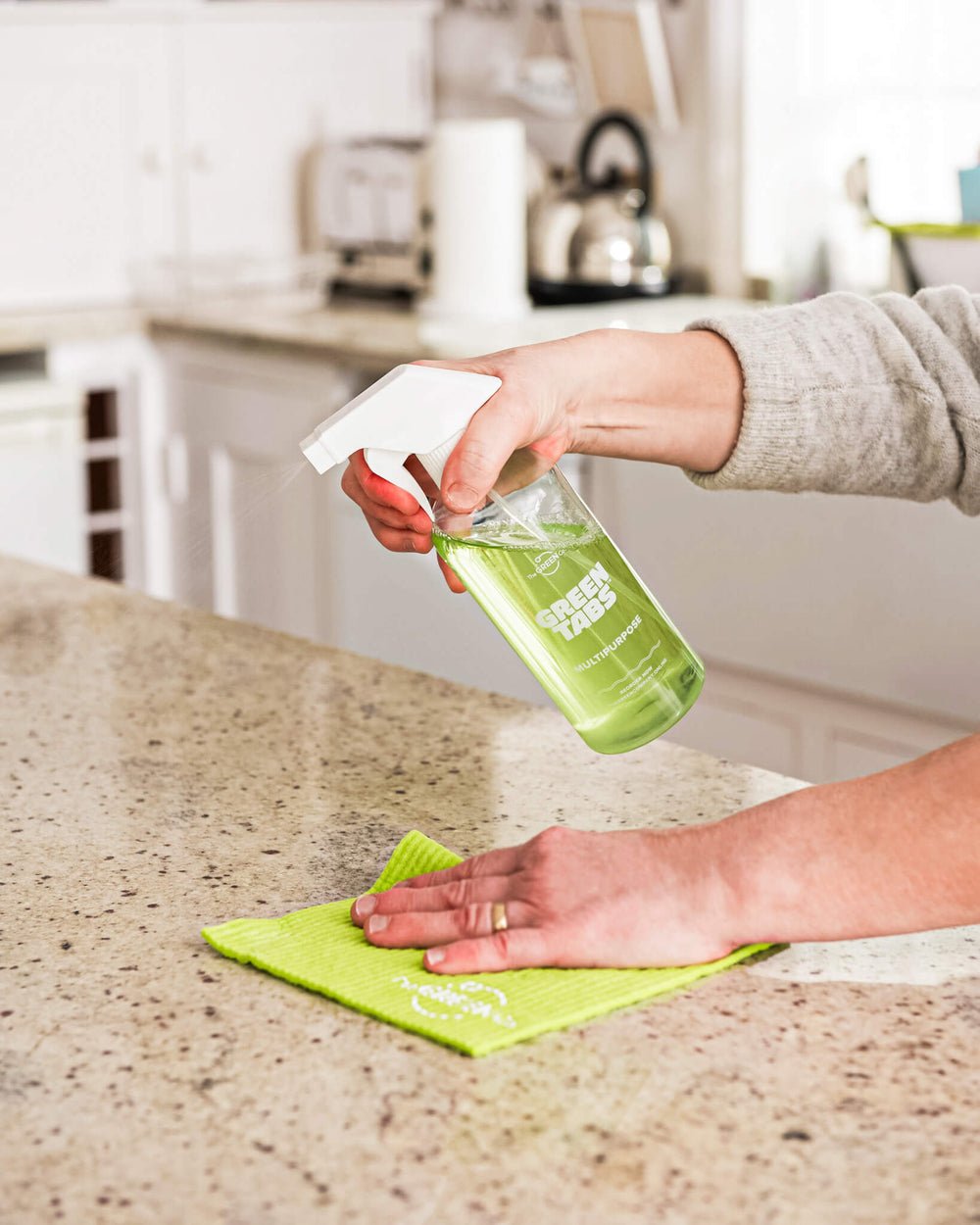
Your kitchen is the undisputed heart of your home, a place where culinary creativity thrives and lasting memories are made. Yet, maintaining its pristine condition, especially those high-traffic countertops, can feel like a constant battle against grime and spills. You might often wonder, "What are the best and safest ways to clean my kitchen counters?" Whether you're battling sticky residues, tough stains, or just the day’s everyday wear and tear, selecting the right cleaning approach makes a significant difference.
This comprehensive guide delves into the most effective and practical solutions for keeping your kitchen counters immaculate, ensuring both a hygienic and inviting space for you and your family. Discover simple yet powerful methods that will revolutionize your cleaning routine and bring you lasting peace of mind.
:max_bytes(150000):strip_icc()/fw-roundup-cleaning-products-to-throw-awayreplace-tout-5d3ac101183f41c49f9ac8a43426d644.jpg) Keeping kitchen counters clean promotes a hygienic cooking environment.
Keeping kitchen counters clean promotes a hygienic cooking environment.
The Power of Natural Cleaning Solutions
Cleaning your kitchen counters doesn't always require a trip to the store for specialized products. Natural cleaning agentsoffer a safe, eco-conscious, and often budget-friendly alternative that effectively tackles everyday grime and leaves surfaces sparkling. Many of these rely on ingredients you likely already have, transforming ordinary household staples into powerful cleaning allies. Imagine cleaning with items that are not only effective but also gentle on your surfaces and kind to the environment. Here are some top natural options to consider for maintaining a spotless kitchen.
The Versatile Vinegar and Water Mix
A classic vinegar and water solution remains a go-to for good reason. It’s incredibly simple to prepare: combine equal parts of distilled white vinegar and water in a clean spray bottle. This straightforward mixture is highly effective at cutting through grease, lifting sticky residue, and removing general grime.
How to Use: Generously mist your countertops with the solution, allowing it to sit for a minute or two to penetrate any build-up. Then, wipe clean with a soft microfiber cloth. While the initial smell of vinegar might be noticeable, it dissipates quickly, taking most odors with it and leaving a neutral, fresh scent behind. In practice, this is often the first line of defense for daily counter upkeep.
Brightening with Lemon Juice
Lemon juice offers more than just a refreshing aroma; its natural acidity makes it a potent ingredient for cleaning. It excels at breaking down tough stains and has mild degreasing properties. Plus, the essential oils found in lemon peels can offer an extra cleaning boost.
How to Use: For a light cleaning spray, mix fresh lemon juice with an equal amount of water in a spray bottle. Alternatively, you can use diluted lemon juice on a cloth to wipe down surfaces, especially for removing water spots or adding a subtle shine. Be cautious with granite and marble, as prolonged exposure to acidity can dull the finish; always rinse thoroughly.
Tackling Tough Stains with a Baking Soda Paste
When faced with stubborn, baked-on messes or persistent stains, baking soda is an invaluable ally. Its mild abrasive nature allows it to scrub away grime without scratching most surfaces, unlike harsher scouring powders.
How to Use: To create a baking soda paste, mix a few tablespoons of baking soda with just enough water to form a thick consistency, similar to toothpaste. Apply this paste directly to the stained area and let it sit for 5-10 minutes. Gently scrub the area with a damp cloth or non-abrasive sponge in a circular motion to lift the stain. Wipe away the residue with a clean, damp cloth, and dry the surface thoroughly. This DIY scrub is remarkably effective and gives you control over the cleaning intensity. You can explore other cost-effective DIY cleaning solutions that utilize common household items for various cleaning needs.
Effective Commercial Cleaning Products
While natural solutions are excellent, commercial cleaners provide convenient and often specialized options for busy households. Modern cleaning products are formulated for specific tasks and surfaces, offering efficiency and powerful germ-killing capabilities. When selecting a commercial cleaner, consider your countertop material and your primary cleaning goal, whether it's general tidiness, grease removal, or disinfection.
The Reliability of All-Purpose Cleaners
All-purpose cleaners are designed for broad application, making them a convenient staple for everyday kitchen cleaning. They are formulated to tackle a wide range of common household messes, from food splatters and grease to general dirt and grime. Their versatility means you can often use one product for multiple cleaning tasks throughout your kitchen.
Popular Choices: Brands like Method All-Purpose Cleaner, Mrs. Meyer's Clean Day Multi-Surface Everyday Cleaner, and Seventh Generation All-Purpose Cleaner offer effective solutions with pleasant scents derived from natural essential oils. These often strike a good balance between cleaning power and milder ingredients. Many are readily available in spray bottles for easy application. When paired with a good microfiber cloth, they can yield a streak-free finish and are generally safe for most sealed countertop materials.
Targeted Cleaning with Antibacterial Sprays
For households where hygiene is a top priority, antibacterial sprays offer peace of mind. These products are specifically formulated to eliminate a broad spectrum of bacteria and viruses that can accumulate in a kitchen environment, especially after preparing raw foods. Ensuring your surfaces are germ-free is crucial for preventing the spread of illness.
Key Benefits: Using an antibacterial spray ensures your counters are not only visibly clean but also hygienically sanitized. Many products require you to spray the surface and let the solution sit for a specified "dwell time" (usually a few minutes) to effectively kill germs before wiping. Always check product labels for specific instructions and efficacy claims. For detailed information on preventing germs, the Centers for Disease Control and Prevention (CDC) offers extensive guidance on food safety and household hygiene.
Quick and Convenient Disinfectant Wipes
In today's fast-paced world, disinfectant wipes are a popular choice for their speed and ease of use. Pre-moistened with a cleaning and disinfecting solution, they eliminate the need for a separate spray bottle and cloth for quick clean-ups. These are ideal for tackling small messes as they happen or for a rapid sanitization routine.
Usage Tips: Keep a canister of disinfectant wipes in a convenient location in your kitchen for immediate access. After wiping down a surface, especially if it’s been in contact with raw meat or poultry, ensure the wipe fully covers the area and allows it to remain visibly wet for the time specified on the packaging to achieve full disinfection. Remember to dispose of used wipes properly to avoid spreading germs.
Exploring Eco-Friendly Cleaning Alternatives
Making environmentally conscious choices extends to your cleaning routine. Opting for eco-friendly products and methods not only benefits the planet by reducing waste and chemical pollution but can also lead to a safer home environment, free from harsh fumes and residues.
The Rise of Biodegradable and Compostable Wipes
Traditional cleaning wipes, while convenient, often contribute significantly to landfill waste. Biodegradable or compostable wipes offer an excellent alternative. These are designed to break down naturally in the environment, significantly reducing their long-term impact.
What to Look For: When purchasing, seek out wipes made from plant-based materials like bamboo or rayon. Many eco-friendly brands also ensure their cleaning solutions are free from harsh chemicals like parabens, phthalates, and artificial fragrances. These wipes can be just as effective as conventional ones for everyday cleaning tasks, often leaving behind a subtle, natural scent.
Harnessing the Power of Plant-Based Cleaners
Plant-based cleaners leverage the natural cleaning properties of ingredients derived from botanical sources. These formulations typically rely on ingredients like vinegar, citric acid, plant-derived surfactants, and essential oils to break down dirt, grease, and grime.
DIY Potential: Many effective plant-based cleaners can be made at home, offering a cost-effective and highly customizable option. A simple recipe involves mixing equal parts water and vinegar with a few drops of essential oils, such as lemon or tea tree oil, for added scent and antibacterial properties. Look for brands that clearly list their ingredients and emphasize their commitment to sustainable sourcing and manufacturing processes. This approach aligns with broader efforts to maintain a healthy kitchen, similar to focusing on best food to bulk up stool for internal well-being.
The Enduring Value of Reusable Cloths
Perhaps the most significant step towards a sustainable cleaning routine is embracing reusable cloths. Ditching disposable paper towels for durable, washable options drastically reduces waste and saves money over time. Microfiber cloths are particularly renowned for their cleaning prowess.
Microfiber's Advantage: High-quality microfiber cloths are engineered with tiny fibers that are highly effective at trapping dirt, dust, and bacteria. They can often clean effectively with just water, or with minimal cleaning solution, making them exceptionally eco-friendly. Keep a dedicated set of these cloths in your kitchen for different tasks—one for general wiping, another for drying, and perhaps a separate one for windows and mirrors. They are also excellent for polishing surfaces after cleaning. Ensure you wash them regularly according to care instructions to maintain their effectiveness and hygiene.
DIY Cleaning Recipes for a Custom Clean
Creating your own cleaning solutions can be a rewarding and practical approach to keeping your kitchen counters spotless. DIY recipes are often more economical, allow for complete control over ingredients, and can be tailored to your specific needs and scent preferences. By using common household items, you can achieve professional-level cleaning without harsh chemicals.
Infusing Cleaners with Essential Oils
Essential oils add a delightful fragrance to homemade cleaners while also offering therapeutic properties. Many oils possess natural antibacterial, antiviral, or antifungal qualities, enhancing the cleaning power of simple water or vinegar solutions.
How to Incorporate: Add 5-10 drops of your preferred essential oil to a spray bottle containing water or a water-vinegar blend. Popular choices include lemon and orange oils for their degreasing and uplifting scents, tea tree oil for its potent antimicrobial properties, or lavender for a calming aroma. Always ensure good ventilation when using essential oils, and perform a patch test on an inconspicuous area of your countertop first, as some oils can react with certain materials.
Crafting Herbal Vinegar Blends
Vinegar is a potent natural disinfectant and deodorizer, but its scent can be off-putting to some. Infusing vinegar with herbs like rosemary, thyme, or even citrus peels can create a more pleasant and aesthetically pleasing cleaner.
The Infusion Process: Fill a glass jar with fresh herbs or citrus peels, then pour enough white vinegar over them to cover completely. Seal the jar and let it sit in a cool, dark place for 1-2 weeks, shaking it occasionally. Strain the infused vinegar and transfer it to a clean spray bottle. Dilute with water before use, depending on the strength desired. This herbal vinegar is fantastic for general wipe-downs and leaving your kitchen smelling subtly fresh.
Simple Natural Soap Solutions
Liquid castile soap is a versatile, plant-derived soap that is gentle yet effective for a wide range of cleaning tasks. It’s biodegradable and free from synthetic detergents, making it a great choice for an eco-friendly cleaner.
Basic Recipe: Mix about a teaspoon of liquid castile soap with two cups of warm water in a spray bottle. You can add a few drops of essential oil for added fragrance or to enhance cleaning power. This solution works well for daily counter wiping, cutting through light grease and grime. Always use sparingly, as too much soap can leave a residue. For those managing specific kitchen maintenance tasks, understanding how to properly clean components of your appliances, like the filter in a Frigidaire dishwasher, can also contribute to overall kitchen hygiene.
Considerations for Different Countertop Materials
Not all kitchen counters are created equal, and the material they're made from dictates the best cleaning methods to ensure their longevity and maintain their aesthetic appeal. Using the wrong cleaner or technique can lead to etching, staining, dulling, or permanent damage. Always understand your countertop’s material before applying any cleaning solution.
Caring for Porous Stone: Granite and Marble
Granite and marble countertops are prized for their natural beauty and durability. However, they are porous and can be susceptible to staining and etching, especially from acidic substances.
Best Practices: For daily cleaning, a solution of mild dish soap and warm water is ideal. Dampen a soft cloth with the soapy water, wipe the surface, then rinse thoroughly with clean water and dry immediately with a lint-free towel to prevent water spots. Avoid using general-purpose cleaners containing ammonia or bleach, as these can damage the sealant and dull the stone. For tougher stains, a poultice (a paste made from baking soda and water, for example) can be applied and left on the stain for several hours before wiping away. Regular sealing is also crucial to protect these surfaces.
Maintaining Wood and Laminate Surfaces
Wood countertops offer warmth and a natural aesthetic, but they require careful maintenance to prevent damage from moisture and heat. Laminate, while durable and cost-effective, can be scratched by abrasive materials.
Wood: Clean wood counters with a soft cloth dampened with warm water and a mild, pH-neutral detergent. Avoid saturating the wood, as excessive moisture can lead to warping or cracking. Always wipe the surface dry immediately after cleaning. For deeper cleaning, specific wood cleaners can be used. Consider natural oils like mineral oil or beeswax polishes periodically to maintain the wood's moisture content and protection.
Laminate: Laminate is more forgiving than wood but still requires gentle cleaning. A damp cloth with a mild dish soap solution or a diluted vinegar-based cleaner is sufficient for most daily cleaning. Wipe gently and dry thoroughly. Never use abrasive scouring pads, steel wool, or harsh chemical cleaners, as these can permanently scratch or dull the laminate surface.
Shining Stainless Steel and Glass
Stainless steel and glass countertops offer a sleek, modern look and are generally easy to maintain. However, they can show smudges and streaks if not cleaned properly.
Stainless Steel: To clean stainless steel, use a cleaner specifically designed for the material or a solution of equal parts water and white vinegar. Always wipe in the direction of the "grain" of the steel to avoid visible streaks. A microfiber cloth is best for polishing and buffing. Avoid abrasive cleaners or pads that can scratch the finish. For persistent smudges, a small amount of mineral oil on a cloth can help restore shine after cleaning.
Glass: Glass countertops are relatively low-maintenance. A standard glass cleaner or a diluted vinegar solution works effectively. Spray the cleaner onto a lint-free cloth and wipe the surface in smooth, even strokes. Immediately follow with a dry microfiber cloth to buff out any remaining moisture and prevent streaks, ensuring a crystal-clear finish.
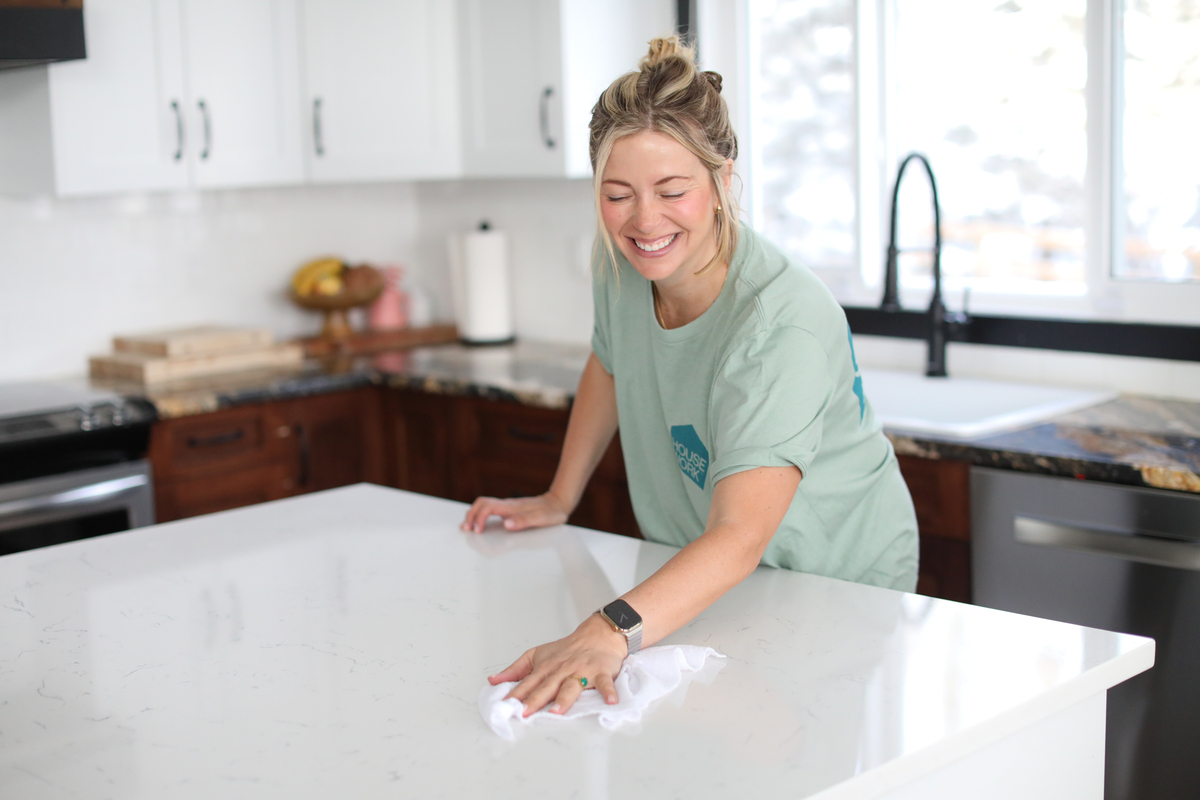 Marble countertops require gentle cleaning to maintain their lustrous appearance.
Essential Safety Precautions for Countertop Cleaning
Ensuring a clean kitchen is paramount, but it's equally important to do so safely. Using cleaning products, whether natural or commercial, requires attention to potential hazards, proper handling, and awareness of your own sensitivities. Following basic safety guidelines protects your health, your family's well-being, and the integrity of your surfaces.
Navigating Around Toxic Ingredients
The market is flooded with cleaning products, and unfortunately, not all are created equal in terms of safety. Harsh chemicals can cause skin irritation, respiratory issues, and long-term health concerns. Being an informed consumer is key.
What to Avoid: Steer clear of cleaners that list ammonia, bleach, phthalates, parabens, or triclosan prominently in their ingredients. These are known irritants and can be harmful if inhaled or ingested. Instead, opt for certified green cleaning products, those with readily understandable ingredient lists, or stick to simple, time-tested natural solutions like vinegar, baking soda, and mild dish soap. Always read labels carefully, even on products you use regularly, as formulations can change. For comprehensive information on household chemical safety, resources from the Environmental Protection Agency (EPA) are invaluable.
Proper Storage and Usage Techniques
Even safe cleaning products can pose risks if not stored and used correctly. Mishandling or improper storage can lead to accidents, accidental ingestion, or damage to surfaces.
Safe Habits: Always store cleaning products in their original containers, clearly labeled, and out of reach of children and pets. If a product requires gloves for safe use, wear them. Ensure adequate ventilation in your kitchen while cleaning by opening windows or using an exhaust fan. This helps dissipate fumes and reduces inhalation risks, especially when using stronger cleaners. Never mix cleaning products, particularly bleach and ammonia, as this can create toxic gases.
Handling Chemical Sensitivities and Allergies
Individuals with allergies or chemical sensitivities need to be particularly mindful of cleaning product ingredients. What might be harmless for one person could trigger a severe reaction in another.
When in Doubt, Test: If you are trying a new cleaning product or have known sensitivities, perform a patch test on an inconspicuous area of your countertop first. This allows you to observe for any adverse reactions on the surface or any personal reactions. Look for "hypoallergenic" or "fragrance-free" labels when possible. If you have significant concerns, consult with a healthcare professional for personalized advice on safe cleaning agents for your home. Always wash your hands thoroughly with soap and water after cleaning to remove any accidental residue.
Frequently Asked Questions About Countertop Cleaning
What is the best general method for wiping down countertops?
For daily cleaning, a soft microfiber cloth dampened with warm water and a small amount of mild dish soap is highly effective. For a gentle disinfection, a diluted solution of 1:1 white vinegar and water can be used. Always follow up by wiping with a clean, damp cloth to remove any residue, and dry thoroughly with a separate, clean cloth to prevent water spots and bacterial growth.
Is using Dawn dish soap suitable for cleaning kitchen counters?
Yes, Dawn dish soap is an excellent choice for cleaning most kitchen countertops. Its powerful degreasing formula readily breaks down fats, oils, and food residues, leaving surfaces clean. Use only a small amount mixed with water, and rinse the surface thoroughly afterward to ensure no soapy film remains. Dawn is generally safe for sealed surfaces like granite, quartz, laminate, and tile.
How can I ensure my countertops are wiped down without streaks?
To achieve a streak-free finish, use a good quality microfiber cloth dampened with a mild cleaning solution (like diluted dish soap or vinegar). Wipe the surface in consistent, overlapping strokes, and crucially, immediately follow up with a separate, dry microfiber cloth to buff the surface dry. Avoid overcrowding the cloth with too much cleaning solution, and ensure you're not using overly abrasive materials.
What are effective ways to clean counters without using paper towels?
Microfiber cloths are the perfect reusable alternative to paper towels for cleaning counters. Dampen one with warm, soapy water for general cleaning, rinse the cloth frequently as you work, or use a designated disinfection solution like diluted vinegar. After cleaning, a dry microfiber cloth can polish the surface to a streak-free shine. This method is both economical and environmentally friendly.
Conclusion
Selecting the right method and product to wipe down your kitchen counters is crucial for maintaining a clean, hygienic, and beautiful kitchen. For most everyday tasks, simple solutions like mild dish soap or a diluted vinegar mixture, applied with a clean microfiber cloth, are remarkably effective and safe for a wide variety of countertop materials. When tackling tougher stains, a baking soda paste offers a powerful yet gentle scrubbing option.
Remember to always consider your specific countertop material—granite and marble require gentle, pH-neutral cleaners, while wood needs careful moisture management, and laminate can be scratched by abrasives. By choosing appropriately and adopting safe cleaning practices, you ensure your kitchen remains a welcoming and healthy space. Embracing eco-friendly options, like reusable cloths and plant-based cleaners, further contributes to a healthier home and planet. Consistent, thoughtful cleaning will keep your kitchen counters looking their best and performing optimally for years to come. Happy cleaning!
