
Imagine this: you’re in your kitchen, ready to tackle the mountain of dishes from last night’s dinner. You load the dishwasher, press start, and expect it to work its magic.
But something’s off. Your dishes aren’t as clean as they should be, and there’s a suspicious puddle forming on the floor. Could the culprit be an unlevel dishwasher? Surprisingly, a dishwasher that isn’t properly leveled can lead to these very issues, causing inefficient cleaning and potential leaks.
You might think leveling a dishwasher sounds complicated, but it’s easier than you think. In this guide, you’ll discover simple steps that anyone can follow to ensure your appliance is perfectly balanced. This not only improves its performance but also extends its lifespan. Stay with us as we unravel the mystery of how to level a dishwasher, and say goodbye to uneven washes and hello to spotless dishes.

Credit: www.wikihow.com
Tools Needed
Leveling a dishwasher is crucial for optimal performance. To do this task efficiently, having the right tools is essential. Using correct tools ensures the dishwasher sits evenly. This prevents leaks and enhances its efficiency. Below are the tools needed to level a dishwasher effectively.
Adjustable Wrench
An adjustable wrench is vital for tightening or loosening the dishwasher’s legs. It offers a firm grip and adjusts to different sizes. This tool helps in achieving the perfect balance.
Spirit Level
A spirit level is necessary to check the dishwasher’s alignment. It ensures the machine is perfectly horizontal. This tool helps prevent uneven water distribution.
Screwdriver
A screwdriver is useful for accessing the dishwasher’s panels. It helps in adjusting the legs or removing any obstructions. Choose a screwdriver that matches the screws on your dishwasher.
Pliers
Pliers assist in gripping and turning nuts or bolts. They are handy for tasks requiring precision. Pliers help in making minor adjustments to the dishwasher.
Tape Measure
A tape measure helps in measuring the space available. It ensures the dishwasher fits perfectly in its spot. Accurate measurements prevent alignment issues.
Credit: www.maytag.com
Preparing The Dishwasher
To level a dishwasher, adjust the feet until it sits evenly on the floor. Use a spirit level to check alignment. Proper leveling prevents leaks and ensures efficient operation, making your dishwasher run smoothly.
Before you can level your dishwasher, it’s crucial to prepare the appliance properly. This step ensures safety and sets the stage for a smooth leveling process. Have you ever attempted a home project only to realize halfway through that you skipped a critical step? Avoid that frustration by making sure your dishwasher is ready for the task ahead.Power Off And Unplug
First things first, always prioritize safety. Turn off the power to your dishwasher. This is essential to prevent any electrical mishaps. Locate the power plug and carefully unplug it from the outlet. If your dishwasher is hardwired, switch off the circuit breaker connected to it. This step is non-negotiable; ensuring the appliance is disconnected from power protects both you and the dishwasher.Clear The Area
Next, make sure the space around your dishwasher is tidy. A clutter-free zone is not just about aesthetics; it gives you room to maneuver. Remove any items on the floor near the dishwasher, such as mats or rugs, which can obstruct your work. If your kitchen is anything like mine, it might mean relocating a few pots and pans to another counter temporarily. Check beneath the dishwasher for any debris or obstacles. This ensures nothing interferes with the leveling process and gives you a clear view and access to the dishwasher’s feet. Have you ever found a long-lost kitchen gadget tucked away under an appliance? Now’s a good time to check! By taking these preparatory steps, you set yourself up for success, paving the way for an efficient and straightforward leveling process. Are you ready to get started?Adjusting The Front Legs
Getting your dishwasher perfectly level is essential for optimal performance. If it’s not level, you might notice dishes aren’t as clean as they should be, or you might hear unusual noises during operation. The good news? Adjusting the front legs is a simple task that can make a big difference. Let’s dive into how you can easily tackle this adjustment at home.
Locate The Front Legs
Before you start adjusting, you need to find the front legs of your dishwasher. Typically, these are located underneath the appliance, near the front corners. They’re often hidden behind a toe kick panel, which you may need to remove. If you’re unsure, a quick look at your dishwasher’s manual will help.
Once you locate them, check if they’re easily accessible. You might need a flashlight if your kitchen lighting isn’t bright enough. Remember, seeing exactly where you’re working is key to making precise adjustments.
Use A Level Tool
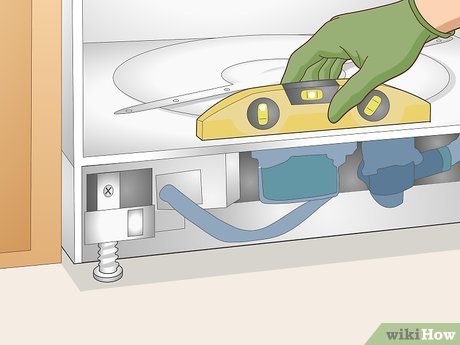
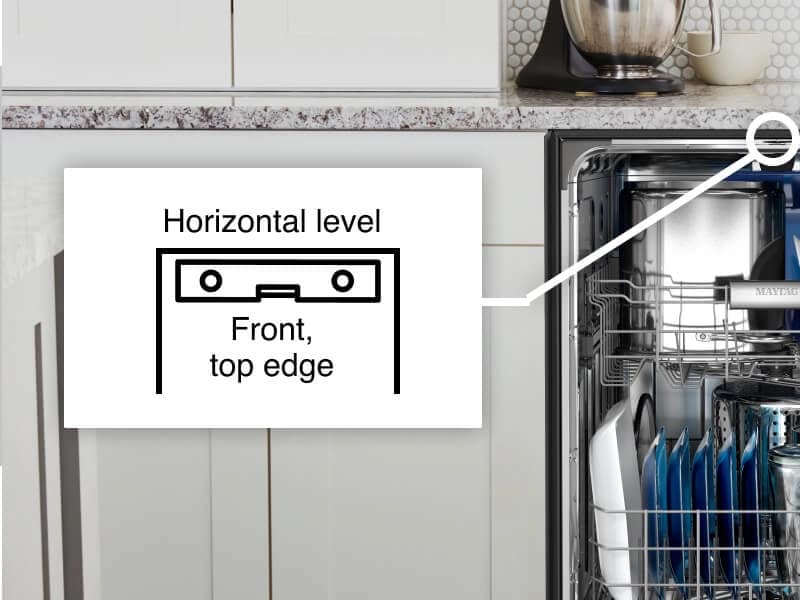
Grab a level tool to ensure accuracy. This little device is your best friend when it comes to leveling. Place the level tool on the top of your dishwasher, aligning it with the edge. You want to check both side-to-side and front-to-back leveling.
If you notice the bubble is off-center, it’s a sign your dishwasher needs adjustment. Think of it as a simple math problem: you’re just getting the bubble to settle in the middle for perfect balance.
Adjust With A Wrench
Now, it’s time to grab your wrench. The front legs usually have adjustable screws that you can turn. Carefully rotate these screws to raise or lower the dishwasher as needed. If your dishwasher leans to the left, adjust the left leg until the level tool shows it’s balanced.
Keep checking the level tool after each adjustment. Small tweaks can make a big difference, so don’t rush. Have patience and keep adjusting until the bubble is centered. Isn’t it satisfying to know that this simple fix can prevent future dishwasher woes?
Adjusting the front legs of your dishwasher is a straightforward task that can save you a lot of trouble down the road. Just remember: a level dishwasher is a happy dishwasher!

Credit: m.youtube.com
Balancing The Rear Legs
Adjusting a dishwasher involves balancing the rear legs to ensure stability. Start by finding the rear leveling legs, usually located at the back. Turn them clockwise or counterclockwise using a wrench until the dishwasher sits evenly on the floor. This ensures proper functioning and prevents leaks.
Balancing the rear legs of a dishwasher is essential. It ensures that the appliance operates efficiently. An uneven dishwasher can cause leaks. It may also result in noisy operations. Balancing the rear legs is a straightforward task. It requires only a few tools and a little patience. Follow these simple steps to achieve a perfectly balanced dishwasher.Access The Rear Legs
Begin by removing the dishwasher’s lower front panel. Use a screwdriver to loosen the screws. Gently pull the panel away. This reveals the rear legs. Ensure the dishwasher is unplugged before you start. Safety first!Check For Levelness
Place a bubble level across the top of the dishwasher. Check both front-to-back and side-to-side. The bubble should rest in the center. If not, adjustments are necessary. A level appliance prevents leaks and ensures proper function.Make Necessary Adjustments
Locate the adjustment screws near the rear legs. Turn the screws to adjust the height. Clockwise to raise, counterclockwise to lower. Make small adjustments and recheck the level. Repeat until the bubble is centered. Once balanced, reattach the front panel. Your dishwasher is now level and ready for use.Finalizing The Leveling
Leveling a dishwasher ensures optimal performance. A properly leveled dishwasher prevents leaks. It also enhances cleaning efficiency and reduces noise. Follow these final steps to secure your appliance’s position.
Recheck The Level
Begin by verifying the dishwasher’s level again. Use a spirit level for accuracy. Place it on the top and sides of the dishwasher. Ensure the bubble sits in the center. Adjust the legs if necessary. Each adjustment should be slight. This helps maintain the correct balance.
Secure The Dishwasher
Once leveled, securing the dishwasher is crucial. Fasten it to the countertop using brackets. These brackets prevent movement during use. Check the manufacturer’s instructions for proper placement. Tighten screws firmly but avoid overtightening. This prevents damage to the appliance.
Testing The Dishwasher
Properly leveling a dishwasher is crucial for smooth operation. Begin by adjusting the front feet until the appliance sits evenly. Use a bubble level to ensure the dishwasher is balanced, preventing leaks and noisy cycles.
Testing your dishwasher after leveling it is an essential step. Ensuring everything is set correctly can prevent future headaches. Here’s how to test your dishwasher effectively.Run A Short Cycle
To start, run a short cycle on your dishwasher. This helps you check if the water flows and drains correctly. Keep an eye on any unusual sounds or leaks. Running a short cycle is like taking a quick test drive. It reveals problems without wasting much time or water. You wouldn’t want to realize a mistake after a full load, right? If everything sounds smooth, your leveling job might be a success. But don’t stop here; there’s more to ensure.Check For Stability
Once the cycle finishes, open the dishwasher door carefully. Check if the appliance remains stable and doesn’t rock back and forth. A stable dishwasher is crucial to avoid noisy cycles or even damage. Imagine loading it with dishes and watching it wobble—that’s a recipe for disaster. If you notice any instability, adjust the leveling legs slightly. Sometimes, a small tweak makes a world of difference. Have you ever wondered how many appliances sit uneven in homes without anyone knowing? Ensuring stability now saves potential repair costs down the road. Testing your dishwasher might seem tedious, but it’s a step you can’t skip. It ensures your hard work in leveling doesn’t go to waste and keeps your kitchen running smoothly.Maintenance Tips
Maintaining a dishwasher ensures it works effectively and lasts longer. Proper care prevents costly repairs and keeps your dishes sparkling. Regular maintenance reduces the risk of leaks and noise. Below are essential tips to keep your dishwasher in top shape.
Regular Checks
Inspect your dishwasher’s balance monthly. Use a level tool to check its position. A balanced dishwasher prevents water pooling. Ensure the legs are firmly adjusted. Cleaning the filters regularly helps too. This avoids clogs and maintains efficiency.
Troubleshooting Common Issues
Listen for unusual sounds during operation. Grinding noises might indicate a problem. Check for obstructions or loose parts. Water not draining? Inspect the drain hose for kinks. A simple fix can often solve the issue. If problems persist, consult the manual. It might save a costly repair call.
Frequently Asked Questions
Does A Dishwasher Need To Be Perfectly Level?
A dishwasher should be level to function efficiently. An uneven dishwasher might cause water drainage issues, inefficient cleaning, or even damage. Ensuring it’s properly leveled helps it run smoothly, preventing potential problems and prolonging its lifespan. Adjust the legs to achieve a balanced position for optimal performance.
How Do I Level My Dishwasher?
Adjust the dishwasher feet by turning them with a wrench or pliers. Use a level tool to ensure evenness. Make small adjustments and check the level frequently. Ensure the dishwasher is stable and secure.
How To Fix An Unlevel Dishwasher?
Level the dishwasher by adjusting its feet. Use a wrench to turn the leveling legs. Check with a spirit level for accuracy. Ensure the door closes properly. Tighten screws if needed. Recheck balance and make adjustments for stability. Test by running a cycle to confirm it’s fixed.
How To Tell If A Dishwasher Is Level Front To Back?
Place a level on the bottom of the dishwasher tub. Ensure the bubble centers between the markings. Adjust the dishwasher feet if needed. Check both the front and back for accuracy.
Conclusion
Leveling a dishwasher isn’t hard. Follow the steps. Check the balance. Adjust the legs. Test the door alignment. A level dishwasher works better. It prevents leaks and noise. Your dishes come out cleaner. Remember to be patient. Proper leveling improves performance.
Regular checks help maintain stability. Enjoy efficient washing every time. Simple adjustments make a big difference. Keep your kitchen hassle-free. A well-leveled dishwasher lasts longer. Save time and effort. Your appliance deserves care. It’s worth it. Share your tips. Help others with their dishwashers.
Happy washing!
