
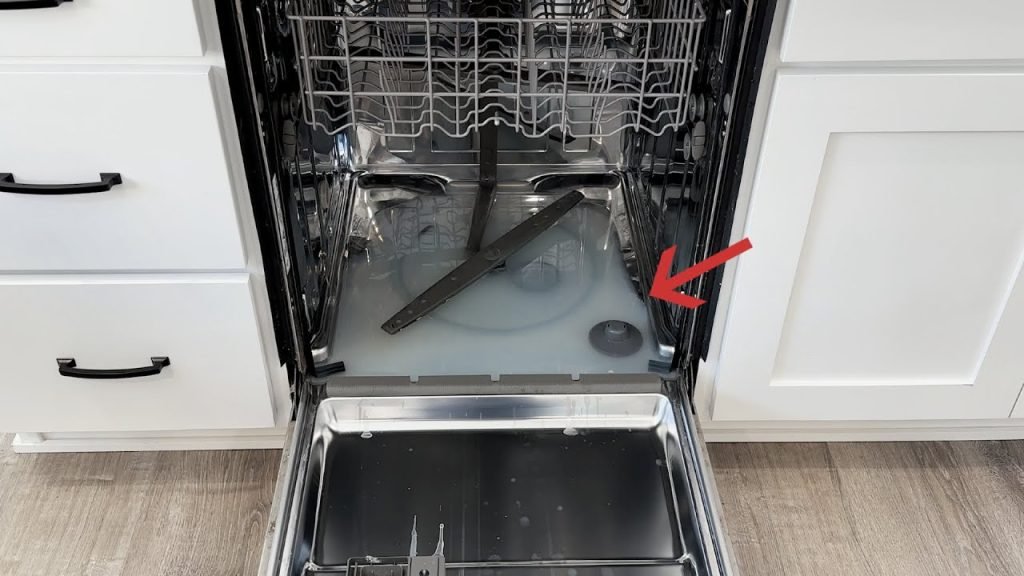
Picture this: You’ve just finished a delightful dinner, and your kitchen sink is stacked with dishes. You open your dishwasher, expecting it to be your trusty sidekick in tackling the mess.
But wait—it’s not working! Panic sets in, doesn’t it? Before you rush to call a repair service or consider replacing it altogether, take a breath. What if you could fix it yourself? Imagine the satisfaction of solving the problem on your own and saving some money in the process.
In this guide, we’ll walk you through the essential steps to diagnose and repair your dishwasher. From mysterious leaks to stubbornly dirty dishes, you’ll learn how to tackle common issues with confidence. Ready to be the hero of your kitchen? Let’s dive in!
Credit: home.howstuffworks.com
Common Dishwasher Problems
Dishwashers often face issues like water not draining or dishes remaining dirty. Fixing these involves checking filters, spray arms, and water inlet valves. Regular maintenance can prevent many common problems and keep your dishwasher running smoothly.
Common Dishwasher Problems Dishwashers are a kitchen staple, making our lives easier by handling the dirty work. Yet, like any appliance, they can encounter issues. Recognizing these problems early can save you time and stress. Have you ever noticed water pooling on your kitchen floor? Or maybe your dishes aren’t coming out as clean as they should be? Let’s dive into some common dishwasher problems and see how you can tackle them.
Leaking Water
A leaking dishwasher can be a nightmare, especially when it disrupts your daily routine. Leaks often result from a faulty door seal or a clogged drain. You can inspect the door gasket for any visible cracks or wear and tear. If the seal looks damaged, replacing it can often resolve the issue. Additionally, ensure the dishwasher is level, as an uneven surface can also cause leaks.
Not Draining Properly
Have you ever opened your dishwasher to find standing water at the bottom? This is a clear indication that your dishwasher isn’t draining properly. The drain hose might be blocked, or the filter could be clogged with food particles. Check the hose for any kinks or clogs and clean the filter regularly to prevent this problem. Sometimes, running a cycle with vinegar can help clear minor blockages.
Dishes Not Cleaning Well
It’s frustrating to unload the dishwasher only to find food residue still clinging to your dishes. The issue might be as simple as overloading the dishwasher, preventing water from reaching all items. Another possibility is a malfunctioning spray arm. Ensure it’s spinning freely and not obstructed by any utensils. Using the right detergent and ensuring your water temperature is high enough can also make a significant difference. Taking a proactive approach to these common issues can extend the life of your dishwasher. Have you ever fixed a dishwasher problem yourself? What was your experience like? Engaging in regular maintenance not only saves money but also keeps your appliance running smoothly. Remember, addressing minor issues early can prevent bigger headaches down the road.
Essential Tools For Repair
Fixing a dishwasher involves essential tools like screwdrivers and pliers. First, unplug the appliance for safety. Then, check the door latch, spray arms, and filters for blockages or wear.
Repairing a dishwasher might seem daunting at first, but with the right tools, you can tackle it with confidence. Whether you’re a DIY enthusiast or a newbie, having essential tools at your disposal can make the repair process smoother and more efficient. Before you roll up your sleeves, let’s dive into the key tools you’ll need to get the job done right.
Basic Tool Kit
Your basic toolkit is your first line of defense in dishwasher repair. Think of it as your trusted companion. A screwdriver set is essential for removing panels and accessing internal components. Choose a set with both Phillips and flathead options. Pliers are versatile and can help you grip and twist stubborn parts. Needle nose pliers are especially handy for reaching tight spots. Don’t underestimate the power of a simple wrench. It can help you loosen and tighten nuts and bolts with ease.
Safety Gear
Safety should be your top priority when handling any repair. It’s easy to overlook, but crucial for avoiding accidents. Protective gloves shield your hands from sharp edges and hot surfaces. You don’t want a quick fix to turn into a trip to the ER. Safety glasses are a must to protect your eyes from flying debris or chemical splashes. It’s better to be safe than sorry. A dust mask is a smart addition, especially if you’re dealing with older models. You never know what might be lurking inside.
Replacement Parts
Sometimes a broken dishwasher needs more than just a tweak. Replacement parts can revive its functionality. Identify the specific part that’s causing the issue. This could be a faulty pump, broken seal, or a worn-out gasket. Consider sourcing parts online or from local hardware stores. Ensure they match the make and model of your dishwasher. Having these parts ready can save you multiple trips to the store, keeping your repair process seamless.
Repairing your dishwasher can be a rewarding experience. It’s not just about fixing an appliance; it’s about gaining new skills and understanding how things work. What other tools have you found indispensable in home repairs? Share your thoughts in the comments below!
Step-by-step Repair Guide
Repairing a dishwasher can seem daunting, but breaking it down into manageable steps makes it much easier. This step-by-step repair guide will help you restore your dishwasher to its former glory. Whether you’re facing a minor glitch or a major malfunction, understanding the process can save you time and money. Let’s dive into the details of diagnosing the issue, disconnecting the appliance, and repairing or replacing parts.
Diagnosing The Issue
Before you get your hands dirty, it’s crucial to identify what’s wrong with your dishwasher. Does it not clean dishes properly? Is there a strange noise coming from it? Maybe it leaks water. Knowing the specific problem is half the battle.
Start by observing the symptoms. Listen for unusual sounds and check for visible leaks. You might be surprised by how much information you can gather just by paying attention to your appliance. A friend once solved his dishwasher issue simply by noticing it wasn’t draining properly due to a clogged filter.
Next, consult your dishwasher’s manual for troubleshooting tips. The guide often contains solutions for common problems. If you can’t find the manual, a quick online search with your dishwasher’s model number can be incredibly helpful.
Disconnecting The Appliance
Once you know what needs fixing, the next step is to safely disconnect your dishwasher. This is crucial for your safety. You don’t want to work on an appliance that’s still plugged in and risk electric shock.
First, turn off the power at the circuit breaker. Ensure no power is flowing to the appliance. Then, disconnect the water supply. You can usually find the valve under the sink.
Afterwards, gently pull the dishwasher away from the wall. Be careful with the hoses and cords. You wouldn’t want to damage them in the process. Have you ever accidentally tugged too hard on a cord and regretted it? It’s a common mishap, so take your time.
Repairing Or Replacing Parts
With your dishwasher safely disconnected, it’s time to address the faulty parts. Depending on the issue, you might need to clean, repair, or replace components.
For cleaning, a good place to start is the filter and spray arms. These parts often get clogged and hinder performance. A simple rinse can do wonders. If the problem lies with a more complex part, consider whether you can repair it or if replacement is the best option.
Replacing parts can be straightforward. You can order parts online or visit a local appliance store. Make sure you have the model number handy to ensure compatibility. A friend once found a compatible part at a garage sale; you never know where you’ll find what you need!
As you work, ask yourself: Could this repair be a DIY project or does it require professional help? Sometimes, the complexity of the task might surprise you.
Remember, taking on dishwasher repairs yourself can be rewarding, both financially and personally. You gain the satisfaction of solving a problem and learn valuable skills. What unexpected insights have you gained from fixing appliances? It’s often more than just a technical achievement.
Maintaining Your Dishwasher
Fixing a dishwasher involves checking common issues like water leaks or drainage problems. Inspect hoses and seals for damage. Clean filters and spray arms to ensure proper water flow. If the dishwasher doesn’t start, verify the power connection and door latch.
Regular maintenance can prevent major repairs.
Maintaining your dishwasher is crucial to ensuring it runs smoothly and efficiently, saving you both time and money. Regular upkeep can extend its lifespan and prevent unexpected breakdowns. By following some simple steps, you can keep your dishwasher in top condition and avoid costly repairs.
Regular Cleaning Tips
Cleaning your dishwasher regularly is essential. Start by checking the filter; a clogged filter can lead to poor cleaning performance. Remove it and rinse under warm water to clear any debris. Wipe down the door seals with a damp cloth to prevent mold and mildew buildup. Consider running an empty cycle with a cup of white vinegar placed on the top rack. This helps in removing any lingering odors and mineral deposits.
Preventive Measures
Prevention is always better than cure. Scrape off excess food from your dishes before loading them. This minimizes the chances of clogs and reduces strain on the appliance. Check the spray arms for any blockages. Ensure they rotate freely and clear any obstructions that could impede water flow. Using a rinse aid can enhance drying and prevent water spots, keeping your dishes sparkling clean.
When To Call A Professional
Sometimes, professional help is necessary. If you notice leaks, unusual noises, or the dishwasher isn’t cleaning as it should, it might be time to call an expert. Attempting to fix complex issues on your own can sometimes worsen the problem. A technician can diagnose and repair the issue efficiently. Remember, a well-maintained dishwasher not only saves you from the hassle of manual dishwashing but also conserves water and energy. Are you taking the right steps to care for yours?
Safety Precautions
Repairing a dishwasher can save time and money. But, safety should be your first concern. Before starting, understand the risks involved. You will deal with electricity and water. Tools can also pose hazards. Follow safety precautions to avoid accidents and injuries.
Handling Electrical Components
Electricity is dangerous. Disconnect the dishwasher from the power supply. Check if the machine is completely off. This prevents electric shocks. Avoid touching wires with wet hands. Use insulated gloves for extra protection.
Dealing With Water Leaks
Water leaks can cause slips and falls. Turn off the water supply before repairs. Dry the area with towels to prevent accidents. Use a flashlight to see leaks clearly. Check seals and hoses for cracks. Replace damaged parts immediately.
Using Tools Safely
Tools can cause injuries if not used correctly. Keep them organized to avoid tripping. Use the right tool for each task. Wear safety goggles to protect your eyes. Read instructions carefully before using power tools. Store them safely when not in use.
Credit: www.leesappliancerepair.com
:max_bytes(150000):strip_icc()/dishwasher-repair-guide-4154049-hero-2f244005487a4660a857a1af1b840d33.jpg)
Credit: www.thespruce.com
Frequently Asked Questions
Can I Repair My Dishwasher Myself?
Yes, you can repair your dishwasher yourself. Follow the manual, ensure safety, and have basic tools ready. For complex issues, consult a professional to avoid further damage. Regular maintenance can also prevent common problems, ensuring your dishwasher runs efficiently.
What Is The Most Common Problem With A Dishwasher?
The most common dishwasher problem is drainage issues. Clogged filters or drain hoses often cause water to remain inside. Regular cleaning helps prevent this, ensuring efficient dishwasher performance.
Is A Dishwasher Worth Repairing?
Repairing a dishwasher is often worth it if costs are below 50% of a new one. Consider the dishwasher’s age and repair frequency. Newer models may offer better energy efficiency. Always compare repair costs with replacement benefits for informed decision-making.
What Is The Average Life Expectancy Of A Dishwasher?
The average life expectancy of a dishwasher ranges from 7 to 12 years. Regular maintenance extends its lifespan. Energy-efficient models often last longer. Proper care ensures optimal performance and durability.
Conclusion
Repairing a dishwasher seems tough, but it’s doable with patience. Start by checking common issues like leaks or clogs. Replace broken parts carefully and follow instructions. Regular maintenance helps prevent future problems. Keep your tools ready and learn basic fixes.
DIY repairs save money and time. Don’t hesitate to call a professional for complex issues. Safety first; always disconnect power before starting repairs. With these tips, your dishwasher will run smoothly again. Enjoy hassle-free cleaning with a well-functioning appliance. Keep learning and improving your repair skills.
You can fix it!
