
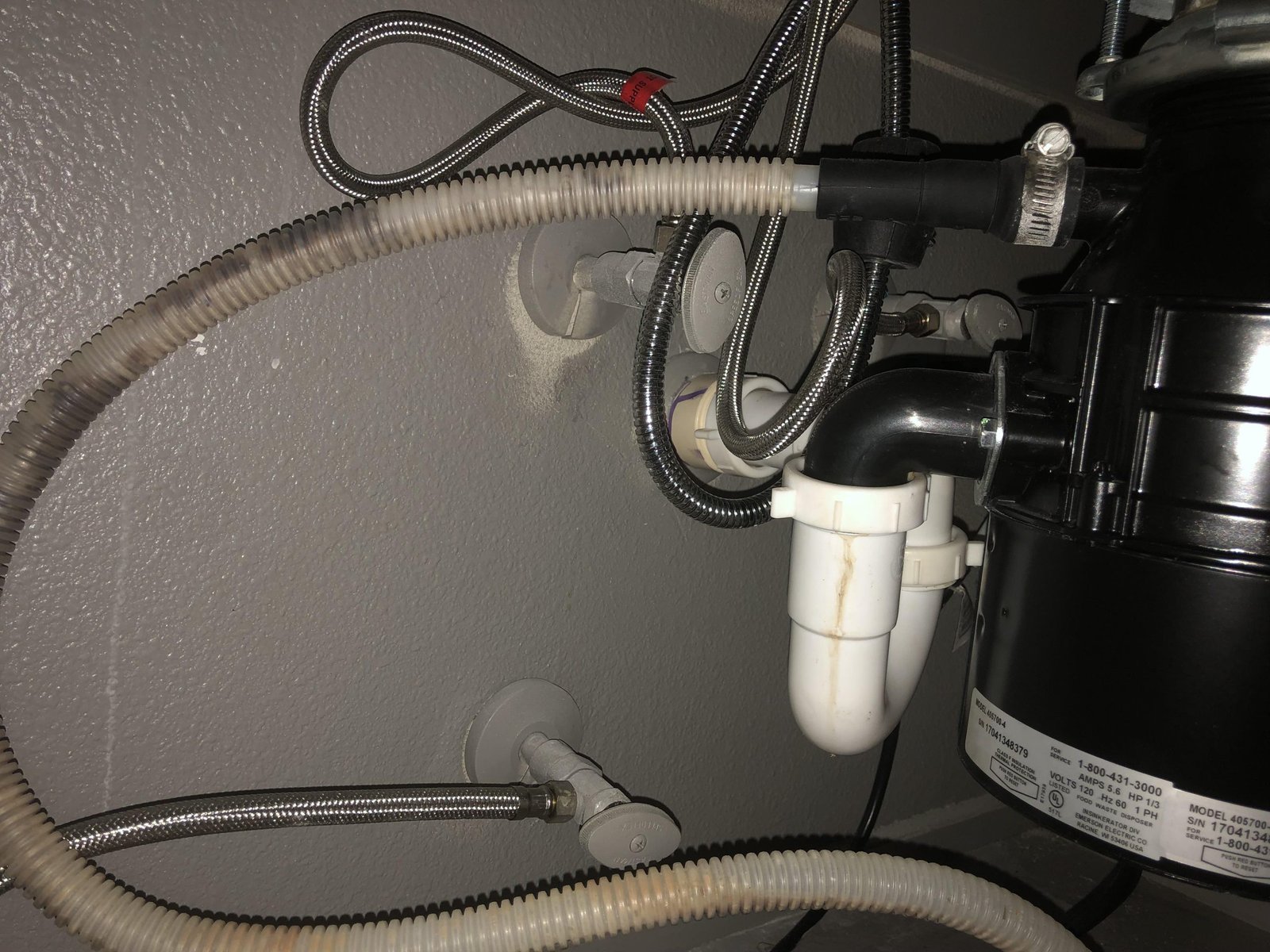
Are you tired of your dishwasher not performing at its best? Ever wondered why your dishes aren’t coming out as spotless as they should?
The culprit might be lurking right under your nose: a clogged dishwasher drain line. Over time, bits of food, grease, and soap residue can build up, causing your dishwasher to lose its cleaning power. But don’t worry—cleaning your dishwasher drain line isn’t as daunting as it sounds.
In this guide, you’ll discover simple, effective steps to restore your dishwasher to its full glory. Get ready to enjoy sparkling clean dishes with minimal effort! Keep reading to uncover the secrets to a smoothly operating dishwasher.
Preparing For The Task
Cleaning your dishwasher drain line is crucial for maintaining efficiency. Before starting, prepare adequately. Being prepared ensures a smoother process and avoids surprises. Follow these steps to get ready for the task.
Gather Necessary Tools
Start by collecting all needed tools. You’ll need a screwdriver, pliers, and a bucket. Have a flashlight to see inside dark spaces. A wire brush can help scrub away debris. Keep towels handy for spills. Organizing tools beforehand saves time.
Ensure Safety Measures
Safety is important. Turn off the dishwasher’s power source. This prevents electrical accidents. Wear gloves to protect your hands from sharp objects. Eye protection is also recommended. Ensure your workspace is clear of obstacles. This reduces tripping hazards. A safe environment is a productive one.
Identifying Drain Line Issues
Troubleshooting dishwasher problems often starts with the drain line. Regular cleaning prevents clogs and ensures smooth operation. Disconnect the hose, check for debris, and flush with water.
Cleaning your dishwasher drain line might seem like a daunting task, but understanding how to identify issues can save you time and money. You don’t want to wait until your kitchen is flooded to realize something’s wrong. Recognizing the signs early can prevent bigger problems down the road.Common Signs Of Blockage
Does your dishwasher leave standing water at the bottom? This is a red flag that you shouldn’t ignore. A dishwasher that isn’t draining properly often points to a blockage in the drain line. Another sign is unusual noises during the wash cycle. If your dishwasher sounds like it’s trying to clear its throat, there might be something clogging the way. If your dishes come out grimy or still wet, that’s another hint. The water isn’t draining correctly, impacting the cleaning process.Potential Causes Of Clogs
Have you ever rinsed off a plate but missed a big chunk of food? That leftover food can easily make its way into the drain line, causing a blockage. Grease buildup is another sneaky culprit. It can solidify over time, narrowing the passage for water to flow. Old dishwashers can have wear and tear that contributes to drain issues. Hoses might become kinked or cracked, disrupting water flow. Do you use your dishwasher as a garbage disposal? If so, reconsider. Large food particles and non-dissolvable items can wreak havoc on your drain line. By keeping an eye out for these signs and understanding potential causes, you can catch issues before they escalate. So, when was the last time you checked your dishwasher’s drain line?Step-by-step Cleaning Process
Cleaning the dishwasher drain line improves its efficiency and prevents clogs. Begin by unplugging the dishwasher and removing the lower rack. Next, locate the drain hose, detach it, and flush with warm water to clear debris. Reassemble, ensuring all connections are tight, and resume regular use for optimal performance.
Cleaning your dishwasher drain line might seem like a daunting task, but breaking it down into simple steps can make it manageable. A clean drain line ensures your dishwasher runs efficiently and prevents unpleasant odors. Let’s dive into the step-by-step process to give your dishwasher the care it needs.Accessing The Drain Line
Start by unplugging your dishwasher for safety. Open the dishwasher door and remove the bottom rack to get clear access to the drain area. Locate the drain line, usually found at the bottom near the back. You might need a flashlight to see it clearly. Once you spot it, gently inspect it for any obvious clogs or kinks. This initial check can save you a lot of effort later.Removing Visible Debris
Put on a pair of gloves and manually remove any visible debris or food particles. Use a small brush or a toothbrush to scrub away stubborn particles. You might be surprised how much gunk can accumulate here. I once found a small piece of broken glass that was causing the blockage. Check the dishwasher filter too. If it’s clogged, it can affect the drain line. Clean it thoroughly to ensure smooth drainage.Flushing The Line
Now it’s time to flush the drain line. Prepare a mixture of equal parts baking soda and vinegar, a natural cleaner that works wonders. Pour it down the drain line and let it sit for 15 minutes. This helps break down any remaining buildup inside the line. After 15 minutes, flush the line with hot water. Use a turkey baster or a funnel to direct the water into the drain. This step washes away the loosened debris effectively. How did it go? Did you notice any immediate difference in how your dishwasher runs? Regular maintenance like this can extend the life of your appliance and keep it running smoothly. Cleaning a dishwasher drain line isn’t just about hygiene; it’s about efficiency and prolonging the life of your appliance. By taking a little time to ensure your dishwasher is free of clogs, you’re not just maintaining it; you’re maximizing its performance. Have you checked your dishwasher drain line lately? Maybe today is a good day to get it done!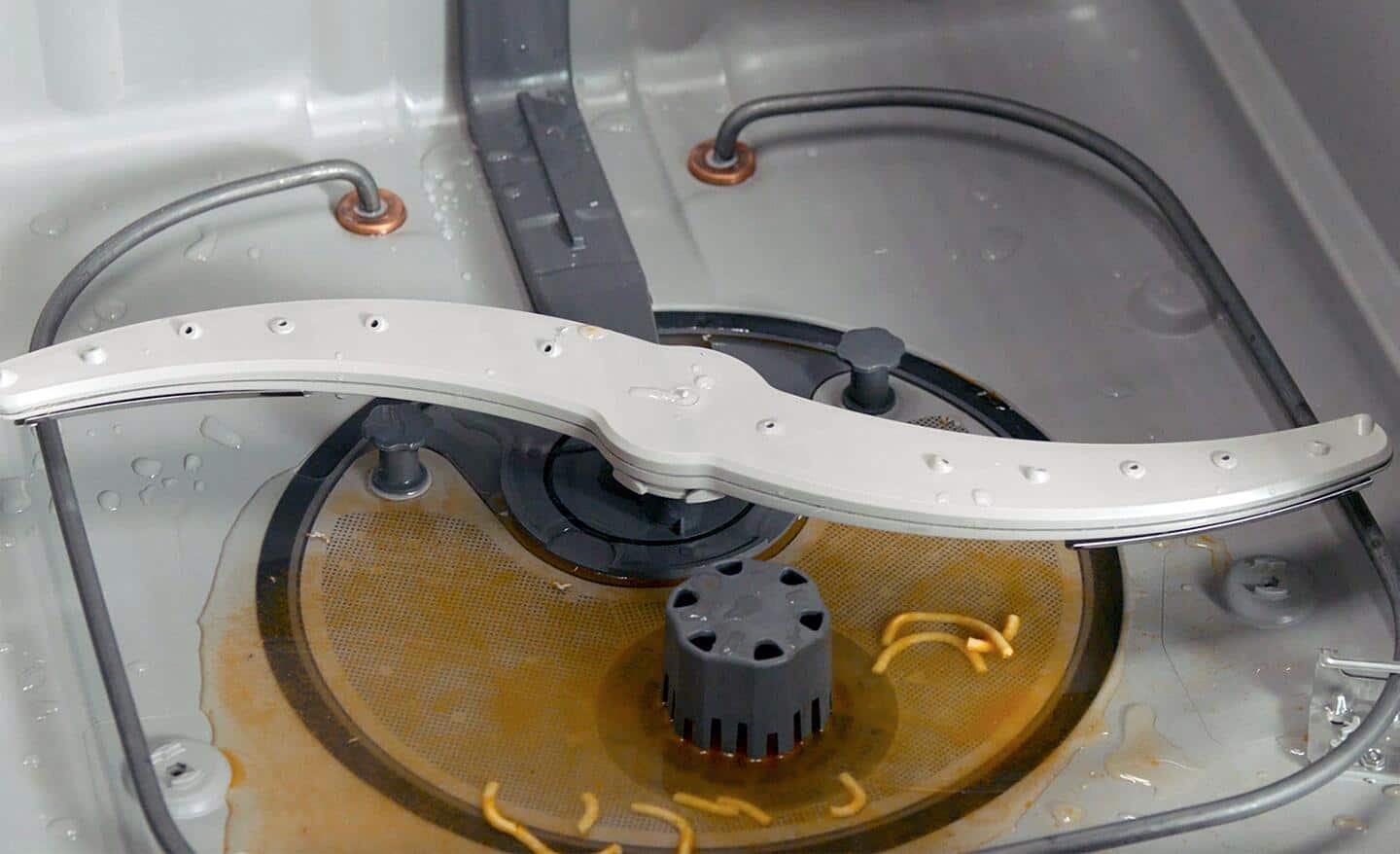
Credit: www.homedepot.com
Utilizing Homemade Solutions
Keeping your dishwasher in top shape requires regular maintenance. One essential task is cleaning the drain line. Utilizing homemade solutions offers a cost-effective way to prevent clogs. These methods use common household items. They are safe, easy, and efficient. Let’s explore some methods to clean your dishwasher drain line.
Vinegar And Baking Soda Method
Start by emptying the dishwasher. Remove any debris from the filter. Mix one cup of baking soda with one cup of vinegar. Pour the mixture into the dishwasher’s drain. Let it sit for 15 minutes. The mixture will fizz. This helps break down any buildup. Rinse with hot water to clear the line.
Hot Water And Salt Technique
Boil a pot of water. Add one cup of salt to the boiling water. Stir until the salt dissolves completely. Carefully pour the hot solution into the dishwasher drain. The hot water melts away grease. Salt helps scrub the pipes clean. This method is simple yet effective.
Preventive Maintenance Tips
Regular cleaning of your dishwasher’s drain line prevents clogs and ensures efficient operation. First, remove the bottom rack and clear any debris from the drain. Then, use a mixture of vinegar and baking soda to flush the drain line, breaking down any build-up.
Keeping your dishwasher drain line clean is crucial for ensuring smooth operation and preventing unpleasant odors. Taking preventive maintenance steps can save you from costly repairs and extend the lifespan of your appliance. Let’s dive into some practical tips that can help you maintain a clean and efficient dishwasher drain line.Regular Cleaning Schedule
Establishing a regular cleaning schedule is key to preventing buildup in your dishwasher drain line. Commit to a monthly routine. Simply remove and clean the filter, and check the drain for debris. Dishwasher cleaning tablets can help dissolve grease and grime. Use them during an empty cycle. They work wonders in keeping your machine spotless. Ever had a smelly dishwasher? A friend once told me that running a cycle with vinegar eliminated the smell. Try it! It’s a quick fix and vinegar is a natural cleaner.Avoiding Common Mistakes
Avoid using too much detergent. Excess soap can clog the drain line. Follow manufacturer guidelines for detergent quantities. Don’t ignore small pieces of food left in the dishwasher. They can lead to blockages. Scrape off food particles from dishes before loading them. Have you ever wondered why your dishwasher isn’t draining properly? It could be because of improper loading. Place larger items strategically to ensure water flows freely. Remember, maintaining your dishwasher doesn’t have to be complicated. With these simple tips, you’re on your way to a well-functioning appliance. What other maintenance tips do you follow to keep your dishwasher in top shape?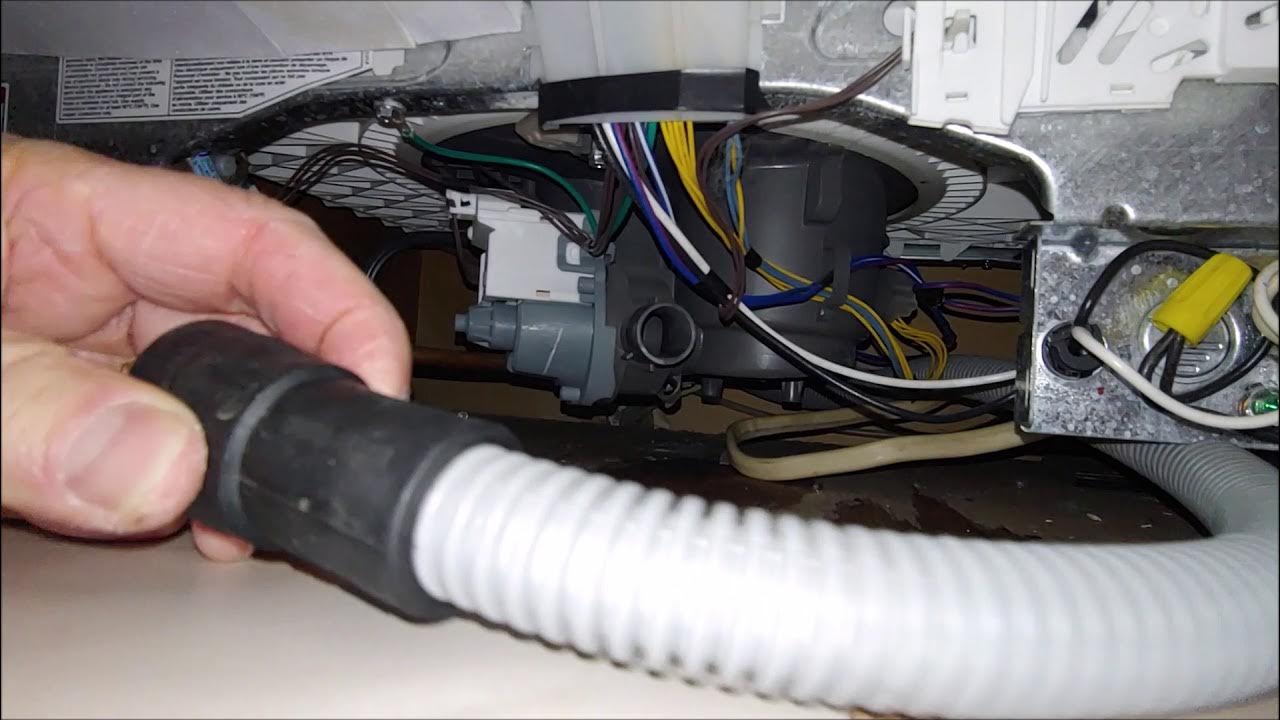
Credit: www.youtube.com
When To Seek Professional Help
Professional help may be needed if your dishwasher drain line remains clogged after cleaning attempts. Persistent blockages, unusual noises, or water leaks indicate a deeper issue requiring expert intervention. Save time and avoid damage by consulting a technician when problems persist.
Cleaning your dishwasher drain line is often a straightforward task. However, there are times when even the most determined DIY enthusiast should consider calling in a professional. Knowing when to seek expert assistance can save you time, frustration, and potential damage to your appliance.Persistent Drainage Issues
If your dishwasher repeatedly fails to drain properly despite your best efforts, it might be time to contact a professional. Persistent issues can indicate a deeper problem that’s not visible to the naked eye. A technician can diagnose and resolve hidden issues, ensuring your dishwasher runs smoothly. Have you tried everything, only to find a pool of water at the bottom of your dishwasher after each cycle? This could be a sign of a malfunctioning pump or a damaged drain line. A professional will have the necessary tools and expertise to address these stubborn problems effectively.Complex Blockages
Not all blockages are created equal. Some can be easily cleared with household items, while others are more stubborn and require specialized knowledge. If you encounter a blockage that refuses to budge, it’s best to call in someone with experience. Imagine finding an unusual object lodged in your drain line that you can’t remove. Attempting to force it out might cause further damage to your dishwasher. A professional can safely disassemble and reassemble parts of your appliance without causing harm. Consider the cost of potential repairs if you accidentally damage your dishwasher while trying to fix it yourself. Sometimes, seeking professional help can be more cost-effective in the long run. Is it worth risking additional expenses for a problem that a trained technician can solve quickly and efficiently?Additional Pro Tips
Discover simple tips to keep your dishwasher drain line clean. Use vinegar and baking soda for natural cleaning power. Regular maintenance prevents clogs and keeps your dishwasher running smoothly.
Cleaning your dishwasher drain line is essential for efficient operation. It ensures your dishes come out sparkling clean. In this section, we offer additional pro tips to maintain your dishwasher’s performance. These tips will help enhance efficiency and ensure long-term care.Enhancing Dishwasher Efficiency
Regular maintenance boosts your dishwasher’s performance. Check for food particles that may clog the drain. Inspect and clean the spray arms. They should spin freely. Use a dishwasher cleaner monthly. It removes mineral build-up and odors. Run hot water before starting the dishwasher. It helps the machine clean better.Long-term Care Strategies
Long-term care keeps your dishwasher running smoothly. Use a vinegar rinse every few months. It helps break down grease and grime. Clean the filter regularly. A clean filter prevents clogs. Avoid overloading the dishwasher. It ensures even cleaning. Check the seals and gaskets for cracks. Replace them if needed to prevent leaks.:max_bytes(150000):strip_icc()/how-to-clean-dishwasher-drain-6823343-09-hero-5643ebc79fcd4aae8389c75c4fefdbdc.jpg)
Credit: www.thespruce.com
Frequently Asked Questions
How To Clear A Clogged Dishwasher Drain Line?
Disconnect power and remove the drain hose. Inspect and clean any debris inside. Flush with hot water. Reattach securely.
How Do You Get Gunk Out Of A Dishwasher Hose?
Detach the hose from the dishwasher. Use a flexible brush to scrub inside. Rinse with hot water and vinegar. Reattach securely and run an empty cycle with vinegar for thorough cleaning. Repeat as needed to maintain a clean hose.
How Do You Clean A Smelly Dishwasher Drain Hose?
Detach the drain hose and flush it with hot water to remove debris. Use a vinegar and baking soda solution for odor removal. Reattach and run the dishwasher to ensure cleanliness. Regular maintenance prevents future smells and keeps your dishwasher functioning efficiently.
Is There A Drain Cleaner For Dishwashers?
Yes, special drain cleaners designed for dishwashers are available. These products help remove clogs and prevent build-up. Regular use ensures optimal performance and extends the dishwasher’s lifespan. Always follow the manufacturer’s instructions for safe and effective cleaning.
Conclusion
Cleaning your dishwasher drain line is essential. It ensures smooth operation and prevents clogs. Regular maintenance helps your dishwasher last longer. Follow these steps for a cleaner, more efficient appliance. Start by removing debris and buildup. Use a mixture of vinegar and baking soda for stubborn clogs.
Check hoses for any blockages. Always unplug the dishwasher before cleaning. Keep it simple, and use tools you have at home. Clean your dishwasher drain line every few months. Enjoy a sparkling clean kitchen and dishes. A little effort goes a long way in maintaining your appliance.
