
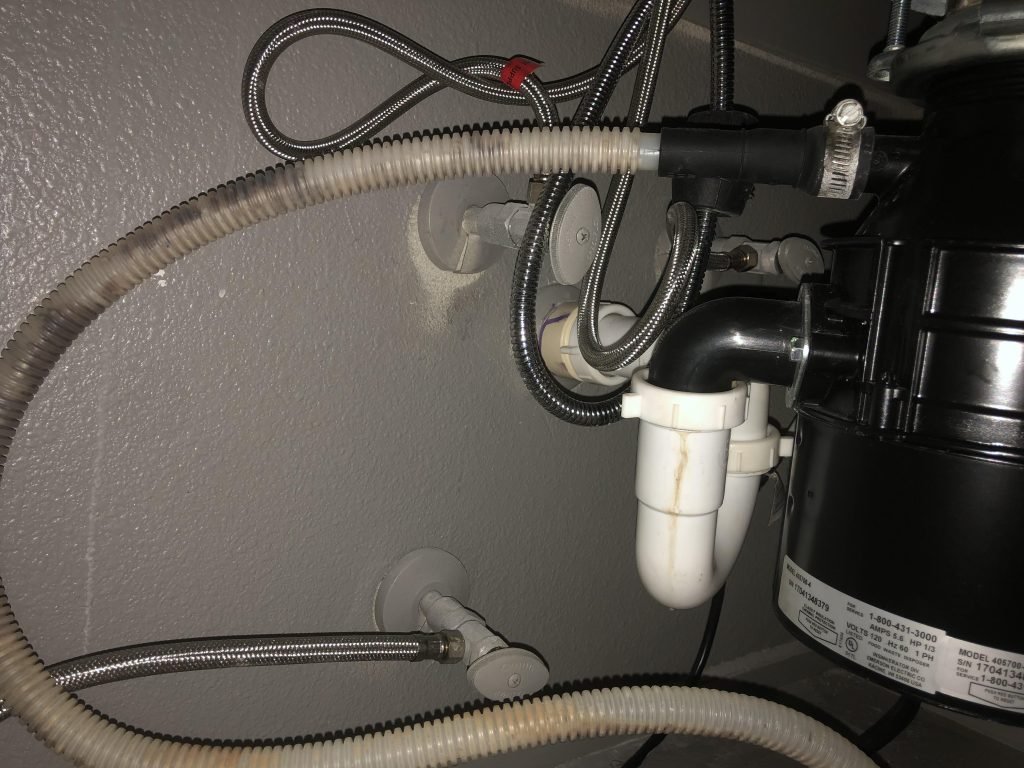
Is your dishwasher leaving behind a pool of water or a foul odor? It might be time to clean the drain hose.
You might not think about it often, but the drain hose plays a crucial role in keeping your dishwasher running smoothly. Over time, it can get clogged with food particles, soap scum, and grease, causing your dishwasher to underperform or even break down.
You certainly don’t want that hassle in your busy life. Imagine the relief you’ll feel once your dishwasher is back to its sparkling best, saving you time and effort. In this guide, you’ll discover simple steps to clean the drain hose effectively and keep your dishwasher in peak condition. Ready to transform your dishwasher’s performance? Let’s dive in!
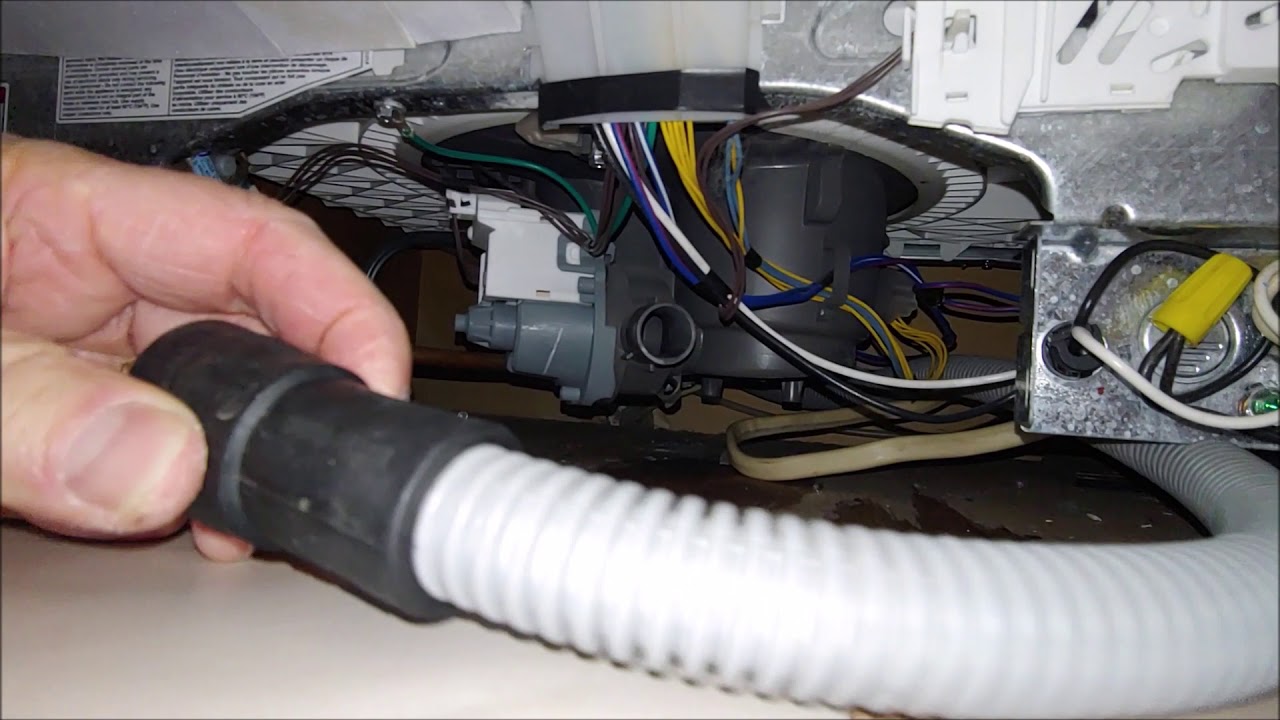
Credit: www.youtube.com
Identifying Signs Of A Clogged Drain Hose
Spot water pooling around your dishwasher? Dishes still dirty after a cycle? These could indicate a clogged drain hose. Cleaning it ensures smooth water flow and optimal dishwasher performance.
Have you ever wondered why your dishwasher isn’t draining properly? It’s likely that the drain hose is clogged, a common issue that can disrupt your daily chores. Recognizing the signs early can save you time and prevent costly repairs. Let’s dive into the tell-tale signs that your dishwasher’s drain hose might be obstructed.
Water Pooling At The Bottom
When you open your dishwasher after a cycle, is there a puddle of water lingering at the bottom? This is a primary sign of a clogged drain hose. It usually means that the water isn’t able to exit the machine properly. Imagine the inconvenience of unloading dishes with water pooling around them.
Unusual Noises During Drain Cycle
Ever heard strange gurgling or humming noises when your dishwasher is draining? These could be warning signs. Unusual noises often suggest that the water flow is obstructed, causing the dishwasher to struggle while attempting to push out the water. Think back to the last time you heard those noises, and consider checking the hose.
Foul Odor Emanating From The Dishwasher
A clogged drain hose can lead to stagnant water and trapped food particles. This combination can create a pungent odor, making your kitchen less inviting. Have you noticed any unpleasant smells lately? If so, it might be time to inspect the drain hose.
Slow Draining Dishwasher
Does your dishwasher take longer than usual to drain? Slow drainage is often a symptom of a partial blockage in the hose. While the water does eventually exit, the delay can indicate a growing problem. What would you do if your dishwasher’s performance continued to decline?
Water Backup In The Sink
If you see water backing up into your sink when the dishwasher is running, it could be another sign of a clogged drain hose. This occurs because the water has nowhere else to go, leading to overflow into connected pipes. Consider this a friendly reminder to check the hose before the issue escalates. Identifying these signs early can help you maintain your dishwasher’s efficiency and avoid hassle in the long run. Keep these indicators in mind the next time you run a cycle.
Gathering Necessary Tools And Materials
Start by gathering essential tools like a screwdriver, pliers, and a bucket. Make sure to have cleaning supplies ready, such as vinegar, baking soda, and a soft brush. These items will help you efficiently clean the dishwasher drain hose.
Getting ready to clean your dishwasher’s drain hose involves gathering some essential tools and materials. This step is crucial for ensuring a smooth and efficient process. Having everything at hand can save you time and make the task less daunting. Before you start, ask yourself, “Do I have all the tools I need?” If not, you might find yourself halfway through the job, wishing you had prepared better. Let’s make sure you’re fully equipped to tackle this task with ease.
Checklist Of Tools
First, you need a few basic tools that are likely already in your home. A screwdriver will be necessary for removing any panels or securing clips. It’s also wise to have a bucket or a large bowl to catch any residual water that may spill from the hose. A towel or cloth is handy for wiping up spills and keeping your workspace clean. These simple items can make a big difference in how smoothly your cleaning process goes.
Essential Materials
In addition to tools, gather some cleaning materials. White vinegar and baking soda are excellent for breaking down grime and neutralizing odors. Keep a scrub brush or an old toothbrush nearby for scrubbing away stubborn debris. Consider the condition of your hose. If it’s heavily clogged, a plumber’s snake can be a lifesaver. This tool helps dislodge blockages further down the line.
Safety First
Never underestimate the importance of safety. Ensure the dishwasher is unplugged and the water supply is turned off. This precaution prevents any accidental shocks or water damage. You might feel like skipping safety steps to save time, but is it worth the risk? Safety measures ensure your project is completed without unnecessary accidents.
Organizing Your Workspace
Before diving in, organize your tools and materials. Place them within arm’s reach to avoid unnecessary movement during cleaning. This setup not only saves time but also keeps you focused on the task. A cluttered workspace can lead to frustration. Stay organized, and you’ll feel more in control of the process. Embarking on a task like cleaning your dishwasher’s drain hose can seem daunting at first. However, with the right tools and materials, you can transform it into a straightforward and even satisfying project. Ready to roll up your sleeves and get started?
Disconnecting Power And Water Supply
Cleaning the drain hose on your dishwasher can seem daunting. Start by safely disconnecting the power and water supply. This step ensures your safety and prevents any unwanted accidents. Handling electrical appliances with caution is crucial.
Disconnect Power Supply
Locate the dishwasher’s power source. Most dishwashers plug into an outlet under the sink. Unplug the cord from the wall socket. For hardwired dishwashers, switch off the circuit breaker. Ensure no electricity flows to the appliance.
Shut Off Water Supply
Find the water supply valve under the sink. Turn the valve clockwise to shut it off. This stops water from flowing into the dishwasher. Double-check the valve to confirm it’s completely closed.
Test For Safety
Attempt to turn on the dishwasher. If it doesn’t start, the power is off. Open the dishwasher door to verify no water enters. If dry, you’re ready to proceed with cleaning.
Accessing The Drain Hose
Cleaning the drain hose on a dishwasher ensures smooth operation. It prevents clogs and potential water damage. Accessing the drain hose is the first step in this task. Follow the steps to reach the hose safely and easily.
Removing The Dishwasher’s Kick Plate
Begin by turning off the dishwasher and unplugging it. Safety first. Locate the kick plate at the bottom of the dishwasher. This panel covers the lower part of the appliance. Use a screwdriver to remove the screws securing the kick plate. Keep the screws safe for reinstallation later. Gently pull the kick plate away from the dishwasher. Set it aside carefully.
Locating The Drain Hose Connection
With the kick plate removed, find the drain hose connection. The hose connects the dishwasher to the drain system. Look for a flexible tube running from the dishwasher’s pump. Trace it to where it connects to the home plumbing. The connection point is often near the dishwasher’s motor. This is where you’ll perform the cleaning.
Detaching The Drain Hose
Detaching the drain hose from your dishwasher is an essential task. Regular maintenance prevents clogs and keeps your appliance running smoothly. This step-by-step guide simplifies the process for you.
Loosening Hose Clamps
Locate the hose clamps securing the drain hose. These clamps hold the hose tightly in place. Use a screwdriver to loosen them. Ensure the clamps are loose enough to remove the hose easily. Gentle movements prevent damage to the hose.
Removing The Hose From The Dishwasher
Now, carefully detach the hose from the dishwasher. Wiggle it slightly to loosen the grip. A firm yet gentle pull helps in removing it. Take care not to damage the surrounding parts. Place a towel underneath to catch any residual water.
Cleaning The Drain Hose
Cleaning the drain hose on a dishwasher ensures efficient operation and prevents clogs. Disconnect the hose, rinse it thoroughly with water, and check for any blockages. Regular maintenance keeps your dishwasher running smoothly and extends its lifespan.
Cleaning your dishwasher’s drain hose might not be the most glamorous task, but it’s essential for maintaining the appliance’s efficiency. A clean drain hose ensures water flows smoothly, preventing unpleasant odors and potential leaks. This task might seem daunting, yet with the right steps, it’s straightforward. Let’s dive into how you can keep your dishwasher working at its best by cleaning the drain hose effectively.
Using A Cleaning Solution
Start by disconnecting the drain hose from the dishwasher and sink or garbage disposal. Prepare a simple cleaning solution with warm water and a few tablespoons of baking soda. Baking soda is effective in breaking down debris and neutralizing odors. Pour the solution into the hose, allowing it to sit for about 15 minutes. This waiting period helps dislodge any stubborn grime or food particles inside the hose.
Flushing With Water
Next, use a garden hose or a faucet with a strong stream of water to flush out the cleaning solution. Hold the drain hose over a sink or a bucket, ensuring the water pressure is high enough to push out any remaining debris. You might be surprised at what comes out—bits of food, soap scum, or even small pebbles. This flushing not only clears the hose but also highlights any persistent blockages.
Checking For Blockages
After flushing, visually inspect the hose for any remaining blockages. You can do this by holding the hose up to the light or gently squeezing it along its length to feel for any obstructions. If you find any, use a flexible brush or a long, thin object to carefully remove them. Ensuring the hose is clear will help your dishwasher drain efficiently and prevent any future clogs. Cleaning your drain hose might seem like a small task, but it plays a crucial role in your dishwasher’s performance. Have you ever noticed a funky smell or a slow drain and wondered about its cause? Regular maintenance like this can save you from bigger headaches down the line. By taking these simple steps, you can ensure a longer lifespan for your dishwasher and a cleaner kitchen environment.
Reattaching The Drain Hose
Reattaching the drain hose is crucial after cleaning. It ensures your dishwasher works efficiently. A poorly attached hose can cause leaks or blockages. Follow these simple steps to secure the hose correctly. This will help maintain your dishwasher’s performance.
Securing Hose Clamps
First, check the hose clamps. Make sure they are intact and undamaged. Place the clamp around the hose end. Then, slide the hose over the dishwasher’s drain pipe. Tighten the clamp with a screwdriver. This prevents the hose from slipping off.
Ensuring Proper Alignment
Proper alignment is essential for a leak-free connection. Position the hose so it is straight. Avoid kinks or bends in the hose. Ensure the hose fits snugly over the drain pipe. A misaligned hose can cause leaks or poor drainage. Test the alignment before finishing up. Turn on your dishwasher and check for leaks. If you see water, adjust the hose alignment.
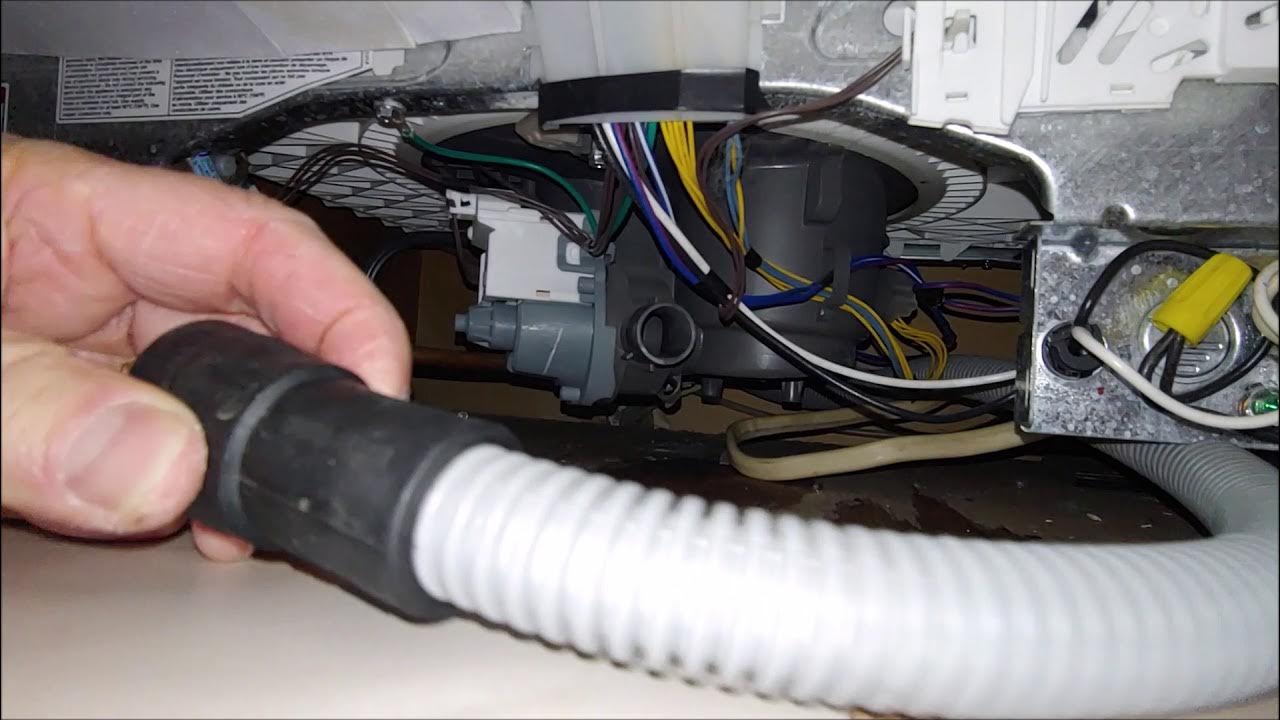
Credit: www.youtube.com
Testing The Dishwasher
Testing your dishwasher is crucial after cleaning the drain hose. This step ensures everything works as expected. You don’t want any surprises later. It’s time to make sure your dishwasher runs smoothly. Follow these simple steps to test it effectively.
Running A Short Cycle
Choose a short cycle to test the dishwasher. This saves time and water. Select a cycle that lasts 10 to 15 minutes. This helps detect any immediate issues. Load the dishwasher lightly. Place a few dishes inside. Avoid overloading. You want to focus on drainage and leaks.
Checking For Leaks And Proper Drainage
Observe the dishwasher during the cycle. Check the floor for leaks. Water should not escape the machine. Listen for unusual sounds. These can indicate drainage problems. After the cycle, examine the dishes. They should be clean and dry. Inspect the drain hose. Ensure there’s no water left inside. Proper drainage is essential for efficiency.
Maintaining A Clean Drain Hose
Keeping your dishwasher’s drain hose clean ensures efficient operation. A clean drain hose prevents water from backing up. Over time, debris and grease can block the hose. Regular maintenance helps avoid this issue. Let’s explore some useful tips for maintaining a clean drain hose.
Regular Cleaning Tips
Clean the drain hose every few months. Start by unplugging the dishwasher. Then, detach the hose carefully. Use warm, soapy water to rinse it. A bottle brush can help scrub inside. Rinse thoroughly to remove any soap residue. Reattach the hose securely to prevent leaks.
Preventing Future Clogs
To prevent clogs, scrape food off dishes before loading. Avoid overloading your dishwasher. Large food particles can block the hose. Use a dishwasher cleaner monthly. This helps dissolve grease and debris. Check your dishwasher’s filter regularly. A clean filter means less debris in the hose. Following these steps keeps your drain hose clear.
Frequently Asked Questions
How Do I Clean My Dishwasher Drain Line?
To clean your dishwasher drain line, disconnect it from the appliance. Flush the line using a mixture of vinegar and baking soda. Use a brush or flexible pipe cleaner to remove debris. Reconnect the drain line and run a short cycle to ensure proper flow.
Regular maintenance prevents clogs and keeps your dishwasher efficient.
How To Unblock A Dishwasher Drainage Hose?
Disconnect power and water supply. Remove the hose and check for clogs. Clean with warm water and vinegar. Reattach hose securely. Test drainage function.
Why Is There Standing Water In My Dishwasher Drain Hose?
Standing water in your dishwasher drain hose can be due to clogs, improper installation, or a faulty check valve. Clear any blockages, ensure correct hose placement, and check the valve for any issues to resolve the problem efficiently. Regular maintenance can help prevent future drainage issues.
How To Unclog Dishwasher Drain Hose With Vinegar?
Pour a cup of vinegar into the dishwasher drain. Let it sit for 15 minutes. Flush with hot water to clear clogs. Repeat if necessary for stubborn blockages.
Conclusion
Cleaning your dishwasher drain hose keeps your kitchen running smoothly. Regular checks help prevent clogs and odors. Ensure the hose is clear and securely attached. Use a soft brush or cloth for cleaning. Inspect for cracks or leaks to avoid water damage.
A clean drain hose boosts dishwasher performance. Always disconnect power before maintenance for safety. Simple steps make a big difference. Enjoy a fresh, efficient dishwasher with these easy tips. Keep your appliance in top shape with routine care. Happy cleaning and better dishwashing await!
