
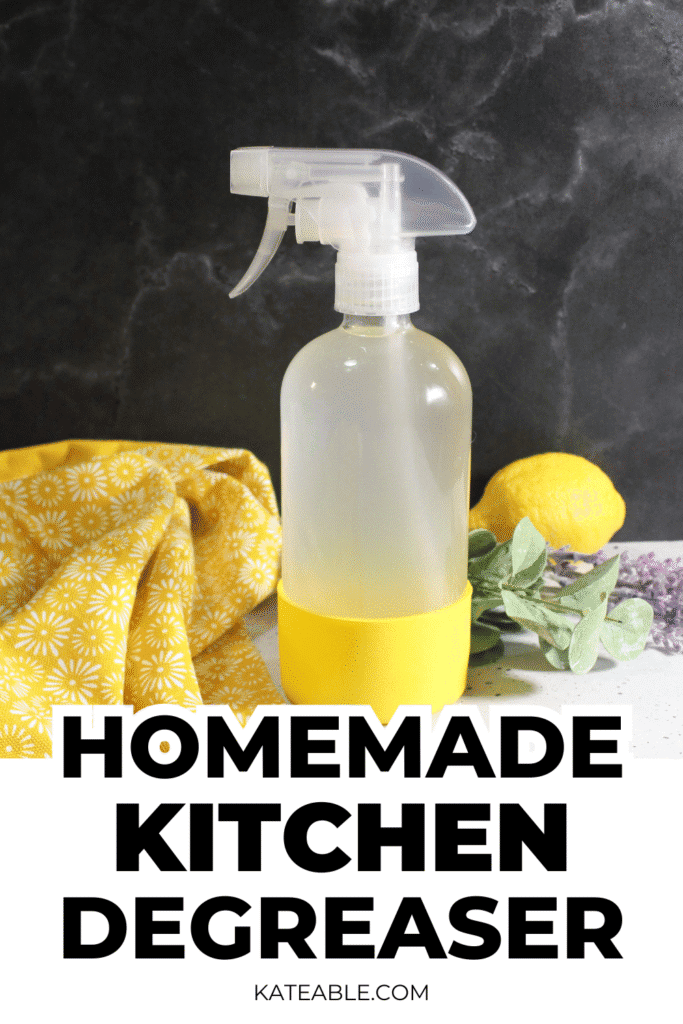
Do you ever feel frustrated with stubborn grease stains that just won’t budge? You’re not alone.
Grease can be a pesky problem in kitchens and garages, making surfaces look grimy and unclean. But what if you could create a powerful degreaser right at home, using simple ingredients you probably already have? This isn’t just about cleaning; it’s about gaining control over your space and making your life a little easier.
Imagine the satisfaction of wiping away tough grease with a solution you’ve crafted yourself. In this guide, you’ll discover how to make an effective degreaser that saves you time, money, and effort. Ready to tackle those greasy challenges once and for all? Let’s dive in!
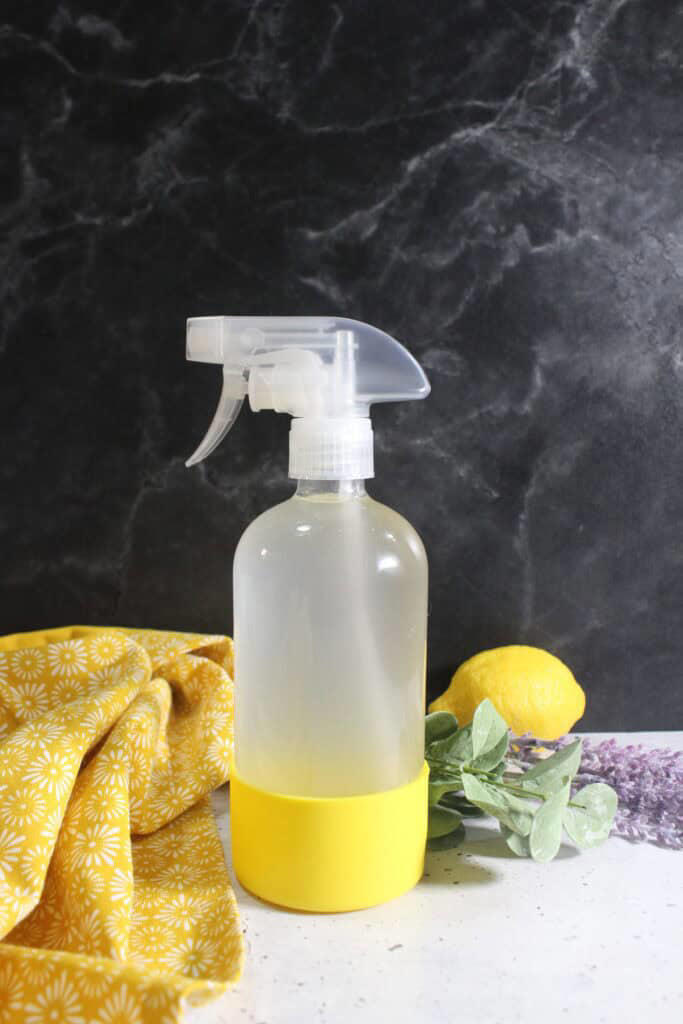
Credit: www.msn.com
Materials Needed
Creating your own degreaser at home is simple and cost-effective. With a few household items, you can make a powerful cleaner. Here’s what you need to get started.
Vinegar
White vinegar is a key ingredient. It cuts through grease and grime effectively. It’s natural and safe for most surfaces.
Baking Soda
Baking soda acts as a mild abrasive. It enhances the cleaning power of your degreaser. It helps to scrub away tough stains.
Lemon Juice
Lemon juice provides a fresh scent. It also boosts the cleaning power with natural acids. It’s great for cutting through grease.
Liquid Dish Soap
Dish soap helps break down stubborn grease. Choose a mild, eco-friendly option. It makes your degreaser more effective.
Essential Oils
Essential oils add fragrance. They also have antibacterial properties. Lavender or tea tree oil are good choices.
Spray Bottle
A spray bottle is needed for easy application. Reuse an old one or buy new. Make sure it’s clean before use.
Measuring Cups And Spoons
Accurate measurements are crucial. Use measuring cups and spoons. It ensures the right balance of ingredients.
Mixing Bowl
Mix ingredients in a sturdy bowl. Choose one large enough for easy stirring. A glass or stainless steel bowl works best.
Gather these materials to make an effective homemade degreaser. It’s a simple process with great results. Save money and keep your home clean.

Credit: www.youtube.com
Safety Precautions
Wear gloves and goggles to protect your skin and eyes while making a degreaser. Ensure proper ventilation by opening windows or using fans to avoid inhaling fumes. Keep a first-aid kit nearby in case of accidental spills or splashes.
Creating a homemade degreaser can be both fun and practical. Yet, it’s important to follow safety precautions. This ensures your safety and the effectiveness of the degreaser. Handling various substances requires care and attention. Proper safety measures protect you from potential hazards. Let’s explore the key safety precautions.
Wear Protective Gear
Always wear gloves when handling chemicals. Eye protection is essential to prevent splashes. A mask can protect from fumes.
Work In A Well-ventilated Area
Ensure the area has good airflow. Open windows or use fans to disperse fumes. This reduces inhalation risks.
Keep Away From Children And Pets
Store chemicals out of reach. Secure the area during preparation. This avoids accidental exposure.
Read Labels Carefully
Check labels for warnings or instructions. Follow guidelines for safe usage. Understanding labels prevents mishaps.
Dispose Of Waste Properly
Dispose of unused chemicals safely. Follow local disposal regulations. Proper disposal protects the environment.
Choosing The Right Ingredients
Choosing the right ingredients for your homemade degreaser can significantly impact its effectiveness. Whether you prioritize natural or chemical options, understanding the properties of common ingredients is crucial. This section will help you make an informed choice that aligns with your cleaning needs and preferences.
Natural Vs Chemical Options
Natural ingredients are often favored for their eco-friendly properties and safety. Vinegar, lemon juice, and baking soda are popular choices that can cut through grease without harsh chemicals. These ingredients are usually gentle on surfaces and safe for families and pets.
On the other hand, chemical options like ammonia and commercial detergents can be more powerful and efficient in tackling stubborn grease stains. While they might offer a quicker solution, they can also pose risks to your health and the environment if not used properly.
Have you ever wondered if the natural solution is truly effective? Or do chemical options hold a hidden advantage? This decision can shape how you maintain your home and protect your loved ones.
Effectiveness Of Common Ingredients
The effectiveness of an ingredient often depends on its application. Vinegar’s acidity can break down grease, making it a reliable option for mild stains. Lemon juice not only cuts through grease but also leaves a fresh scent behind.
Baking soda, when mixed with water, forms a paste that can scrub away grime effectively. It’s particularly useful for surfaces that require gentle abrasion.
For those who lean towards chemical solutions, ammonia can dissolve grease quickly but requires careful handling due to its strong fumes. Commercial detergents are designed for efficiency but choosing the right one for your specific needs can make all the difference.
Have you ever tried mixing these ingredients? The right combination can enhance effectiveness, creating a powerhouse solution for your cleaning challenges.
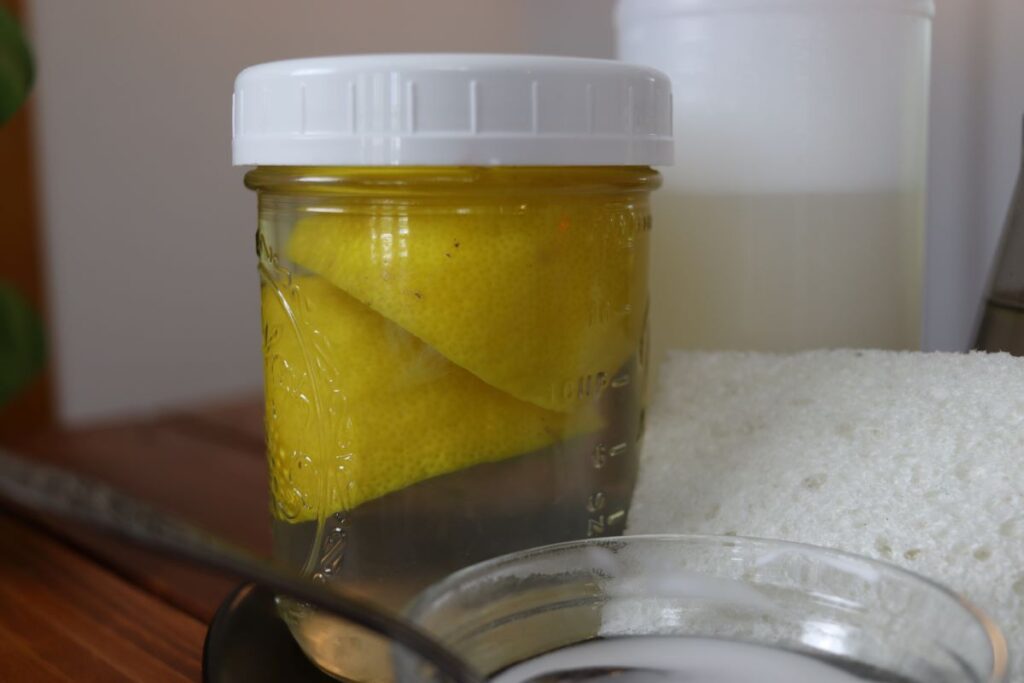
Credit: sustainableslowliving.com
Step-by-step Instructions
Creating your own degreaser at home can be incredibly satisfying and surprisingly simple. With a few basic ingredients, you can make a powerful cleaning agent that tackles grime and grease with ease. Let’s dive into the step-by-step instructions to craft your homemade degreaser.
Mixing The Ingredients
Begin by gathering your ingredients. You’ll need white vinegar, baking soda, and lemon juice. Each of these elements plays a crucial role in breaking down grease.
- Measure equal parts of white vinegar and lemon juice. This combination provides acidity that helps dissolve grease.
- Gradually add baking soda to the mixture, stirring constantly. This creates a fizzing reaction that enhances cleaning power.
- Optional: Add a few drops of essential oil for a pleasant scent. Citrus oils are a popular choice.
Mix until the baking soda is fully dissolved. You should have a smooth, slightly effervescent liquid. Have you ever noticed how vinegar and baking soda bubble up? That’s your cleaning power in action!
Proper Storage
Once your mixture is ready, storage is key to maintaining its effectiveness. Use a spray bottle for easy application.
- Choose a bottle with a secure lid to prevent leaks. This ensures no precious degreaser is wasted.
- Label the bottle with the date and contents. How often do we forget what’s in our bottles?
- Store in a cool, dark place away from direct sunlight. This helps preserve the potency of the ingredients.
Think about where you usually store your cleaning supplies. Is it time to reorganize for better accessibility? Proper storage not only extends the life of your degreaser but also keeps your space tidy and efficient.
Application Techniques
Mix vinegar and baking soda in a bowl. Add liquid soap for extra cleaning power. Apply with a sponge or spray bottle.
Degreasers are essential for removing tough grease and grime. Proper application techniques ensure effectiveness and safety. Let’s explore how to apply degreasers on various surfaces and achieve the best results.
Using On Different Surfaces
Different surfaces require unique approaches. For metal surfaces, spray the degreaser directly. Let it sit for a few minutes. Use a soft cloth to wipe away the residue. On wood, apply the degreaser to a cloth first. Gently rub the surface to avoid damage. For glass, spray lightly and wipe with a lint-free cloth. This prevents streaks.
Tips For Best Results
Test the degreaser on a small area first. This checks for any adverse reactions. Use gloves to protect your hands. Ensure good ventilation while working. Rinse the surface thoroughly after degreasing. This removes any chemical residue. Follow the manufacturer’s instructions for safety. Store the degreaser in a cool, dry place. Use clean cloths to prevent spreading dirt. Regular maintenance keeps surfaces looking their best.
Troubleshooting Common Issues
Creating a homemade degreaser can be simple. Mix vinegar, baking soda, and water for an effective solution. This mixture tackles tough grease without harsh chemicals.
Creating a homemade degreaser can be an empowering and budget-friendly solution for tackling stubborn grime. However, the process isn’t always smooth sailing. As you mix and apply your concoction, you might encounter a few bumps along the way. Whether it’s unexpected residue or a formula that just doesn’t pack enough punch, knowing how to troubleshoot these issues can save you time and frustration.
Dealing With Residue
If your homemade degreaser leaves a sticky or greasy residue, it can feel like taking one step forward and two steps back. This often happens when the degreaser is too concentrated or not rinsed off properly. To tackle this, ensure you dilute your mixture properly. A simple adjustment like adding more water can often resolve the issue. Also, remember to rinse the surface thoroughly after applying the degreaser. Use a damp cloth or spray bottle filled with water to remove any lingering residue.
Adjusting The Formula
Sometimes, your degreaser might not be as effective as you’d hoped. It’s possible that the formula needs a little tweak to suit your cleaning needs. Consider the surfaces you’re cleaning. Different materials might require a stronger or gentler formula. If you’re dealing with tougher stains, try adding a bit more vinegar or baking soda to your mixture.
These ingredients are known for their cleaning power and can help boost the degreaser’s effectiveness. Have you ever experimented with essential oils? They can add both scent and cleaning properties to your degreaser. A few drops of lemon or tea tree oil can make a noticeable difference. When tweaking your formula, keep notes of what works and what doesn’t. This way, you’ll have your own tried-and-true recipe for future cleaning tasks.
Benefits Of Diy Degreaser
Creating your own degreaser can be a game-changer in both your cleaning routine and your wallet. DIY degreasers not only offer the satisfaction of crafting something yourself but also come with a variety of benefits that store-bought products simply can’t match. Let’s explore why making your own degreaser is a smart choice.
Cost-effectiveness
Are you tired of spending a fortune on cleaning supplies? Making your own degreaser can save you a significant amount of money. Most DIY recipes use ingredients you likely already have at home, such as vinegar, baking soda, or lemon juice. These are not only inexpensive but also versatile, meaning they can be used for various cleaning purposes. Imagine the relief of cutting down on household expenses without sacrificing cleanliness. Have you ever calculated how much you spend on cleaning products annually? The numbers might surprise you!
Environmental Impact
Commercial degreasers often contain harsh chemicals that can harm the environment. By making your own, you can choose eco-friendly ingredients that are biodegradable and non-toxic. This means fewer pollutants in your home and less damage to the planet. Opting for natural cleaning solutions contributes to a healthier living space and supports global efforts to reduce chemical waste. Have you considered how your cleaning habits affect the environment? Small changes can make a big difference.
Frequently Asked Questions
What Is The Best Homemade Degreaser?
A mix of vinegar, baking soda, and lemon juice makes an effective homemade degreaser. Combine equal parts vinegar and baking soda, then add a few drops of lemon juice. This natural solution cuts through grease and grime efficiently.
How Do You Make A Simple Degreaser?
Mix equal parts of vinegar and water in a spray bottle. Add a few drops of dish soap. Shake well before use. This simple degreaser effectively cleans kitchen surfaces and appliances. Always test on a small area first to ensure it doesn’t damage the surface.
How To Make A Heavy Duty Degreaser?
Mix 1 cup of white vinegar with 1 cup of baking soda. Add 1 tablespoon of dish soap. Pour in 2 cups of hot water and stir. Store in a spray bottle. Shake well before use. This DIY degreaser effectively cuts through tough grease.
What Is The Best Ingredient For Degreaser?
The best degreaser ingredient is white vinegar. Its acidic nature effectively breaks down grease and grime. Combine vinegar with baking soda for enhanced cleaning power. This natural solution is eco-friendly, affordable, and safe for most surfaces, providing a reliable option for tackling stubborn grease stains.
Conclusion
Making your own degreaser saves money and keeps things clean. The process is simple and uses everyday items. Mix, apply, and watch grease disappear. Your homemade solution is effective and safe. It works well for kitchen surfaces and tools. Feel good about using natural ingredients.
No harsh chemicals mean a healthier home. Try it today and see the results. Share your experience with friends and family. Encourage them to make their own too. A cleaner environment starts at home. Enjoy the freshness and simplicity of your homemade degreaser.
