
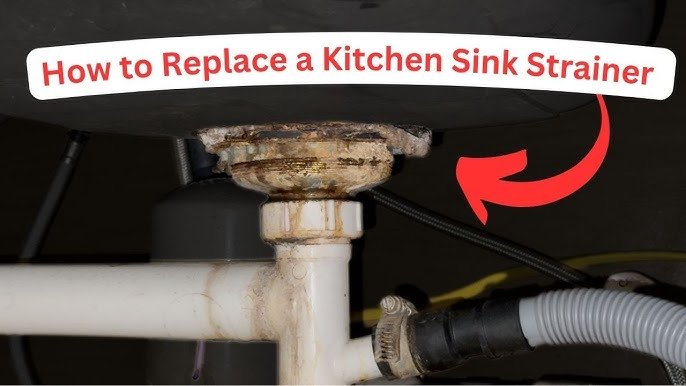
Is water dripping under your kitchen sink? A leaking pipe can quickly turn a small drip into a big problem, damaging your cabinets and raising your water bill.
But don’t worry—you don’t have to call a plumber right away. With a few simple steps, you can fix the leak yourself and save time and money. In this guide, you’ll discover easy-to-follow tips to stop that leak fast. Keep reading, and by the end, you’ll have the confidence to handle this common household issue on your own.

Credit: sincityplumbing.com
Identify The Leak Source
Identifying the source of a leak under your kitchen sink is the crucial first step before any repair. Without knowing exactly where the water is coming from, you risk wasting time and money on the wrong fix. Take your time to carefully examine each potential spot to catch the leak early and prevent further damage.
Check Pipe Joints
Pipe joints are common weak points where leaks often start. These connections can loosen over time due to vibrations or temperature changes. Look closely at each joint for water droplets, dampness, or mineral buildup that indicates a slow leak.
Sometimes, gently tightening the joints with a wrench can stop the leak. But if the joint is cracked or the seal is worn out, you’ll need to replace the washers or apply plumber’s tape to create a better seal.
Inspect Drain Connections
The drain connections, including the P-trap, are prone to leaks from loose fittings or clogs. Check for water pooling around the drain pipes after running the faucet. Even small drips here can cause mold growth and wood damage under the sink.
Don’t forget to test the drain by running water for a few minutes. Watch carefully to see if water escapes from any part of the drain assembly. Tightening slip nuts or resealing with plumber’s putty often solves these issues.
Look For Cracks And Corrosion
Cracks and corrosion on pipes can cause hidden leaks that worsen over time. Metal pipes may show rust spots or greenish corrosion, while plastic pipes might have visible cracks or splits. Both conditions weaken the pipe and lead to leaks.
Run your hand along the pipes to feel for moisture or rough patches. If you find corrosion or cracks, replacing the damaged pipe section is usually the best long-term solution. Would you rather patch a crack repeatedly or fix it properly once?
Turn Off Water Supply
Turning off the water supply is the first and most important step in fixing a leaking pipe under the kitchen sink. This action stops water from flowing through the pipes, preventing more damage. It also makes the repair process safer and easier.
Without shutting off the water, the leak will continue. Water damage can worsen quickly, causing costly repairs. Stopping the water flow gives you control over the problem.
Locate Main Shutoff Valve
Find the main water shutoff valve in your home. It is usually near the water meter or where the main water line enters the house. Look in the basement, garage, or outside walls.
Turn the valve clockwise to close it. This stops water from flowing into your home. Use a wrench if the valve is stiff. Confirm the water is off by turning on a faucet.
Drain Remaining Water
Open the faucet under the kitchen sink after shutting off the water. This drains any water left in the pipes. Let the water flow out until it stops.
Draining the pipes reduces water pressure and stops drips during repair. It also makes the workspace dry and safe.
Gather Repair Tools And Materials
Before you dive into fixing that leaking pipe under your kitchen sink, it’s crucial to have all your tools and materials ready. Having everything on hand saves you from frustrating interruptions and unexpected trips to the hardware store. Plus, knowing exactly what you need helps you feel confident tackling the repair.
Essential Tools List
- Adjustable wrench:Perfect for loosening and tightening nuts of various sizes without damaging them.
- Pipe wrench:Provides a strong grip on pipes, especially useful if they’re old or corroded.
- Bucket:To catch any water that drips when you disconnect the pipe.
- Plumber’s tape (Teflon tape):Ensures a tight, leak-free seal on threaded joints.
- Slip-joint pliers:Ideal for gripping and turning small parts and fittings.
- Utility knife:For cutting tape or trimming pipe insulation if needed.
- Rag or sponge:Handy to wipe up any water spills quickly.
Recommended Repair Materials
Besides tools, having the right materials makes the repair effective and long-lasting. You’ll want to keep these close:
- Replacement pipe or pipe section:If the leak comes from a damaged pipe, having a new piece ready is essential.
- Pipe joint compound:Use alongside plumber’s tape to improve sealing on threaded connections.
- Compression fittings or slip couplings:These help join pipes securely without soldering.
- Rubber washers or O-rings:Often the culprit behind leaks, fresh washers can fix small leaks at joints.
Have you ever started a repair only to realize you were missing a small part that stopped the whole job? Gathering these tools and materials before you begin helps you avoid that frustration and finish your repair efficiently.
Apply Temporary Fixes
Applying temporary fixes to a leaking pipe under the kitchen sink helps stop water flow quickly. These fixes are not permanent but prevent damage until a full repair is done. Simple tools and materials can manage small leaks effectively. Acting fast can save your kitchen from water damage.
Using Pipe Tape
Pipe tape, also called plumber’s tape, wraps around the leaking area. Clean and dry the pipe surface first. Wrap the tape tightly around the leak several times. Press the tape firmly to seal gaps. This stops minor drips and slows leaks temporarily.
Applying Epoxy Putty
Epoxy putty sticks and hardens fast over pipe cracks. Cut a small piece of putty and knead it until soft. Press it firmly over the leak, covering the entire crack. Hold it in place for a few minutes. It forms a strong seal that lasts for weeks.
Clamping The Leak
A pipe clamp holds a rubber patch tightly over the leak. Place a rubber strip around the damaged pipe area. Position the clamp on top and tighten screws evenly. This compresses the rubber and blocks the leak. Clamping is a strong temporary fix for larger cracks.
Replace Damaged Pipe Sections
Replacing damaged pipe sections under the kitchen sink is key to stopping leaks. Removing the broken parts and fitting new pipes restores proper flow. This process requires care to ensure tight seals and prevent future problems.
Remove Old Pipes
Turn off the water supply before starting. Use a wrench to loosen slip nuts on the pipe joints. Carefully detach the damaged pipes from the fittings. Remove all old pipes and clean the area. Check for cracks or corrosion in nearby pipes.
Cut And Fit New Pipes
Measure the length of the removed pipe sections. Use a pipe cutter or saw to cut new pipes to size. Smooth rough edges with sandpaper or a file. Fit the new pipes into place, making sure they align well. Check that the pipes fit snugly without gaps.
Secure Pipe Connections
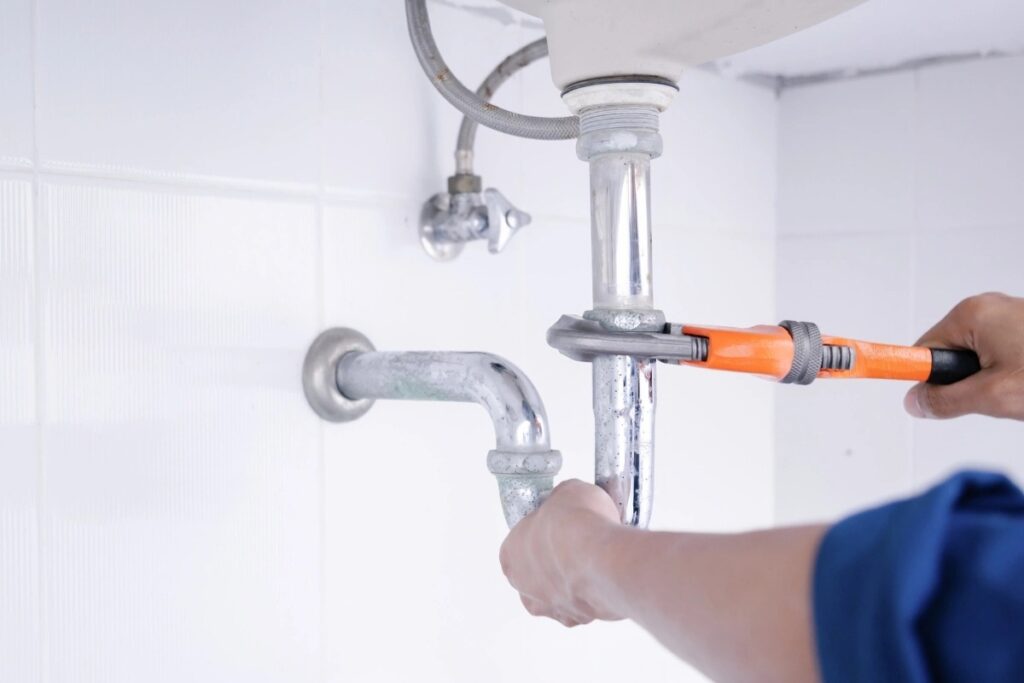
Apply plumber’s tape or pipe joint compound to threaded connections. Tighten slip nuts by hand, then use a wrench for a firm fit. Avoid overtightening to prevent damage. Test for leaks by turning on the water slowly. Re-tighten connections if needed to stop drips.
Credit: doneritesvcs.com
Test For Leaks
Testing for leaks is a vital step after repairing a pipe under your kitchen sink. This process ensures the fix is secure and prevents water damage. Careful checking saves time and stops future problems. Follow these simple steps to confirm your repair holds tight.
Turn Water Back On
Slowly open the main water valve under the sink. Do this gently to avoid sudden pressure. Listen for any unusual sounds. Water should flow smoothly through the pipes. Watch for immediate drips or wet spots.
Observe Repair Area
Look closely at the area where you fixed the pipe. Use a flashlight if the space is dark. Check all joints and seals for moisture. Pay attention to small droplets or wet surfaces. Keep observing for several minutes to catch slow leaks.
Make Adjustments If Needed
If you see any leaks, turn the water off again. Tighten fittings or replace worn washers. Use plumber’s tape to seal threads better. Wipe the area dry before retesting. Repeat the test until no leaks appear.
Prevent Future Leaks
Preventing future leaks under your kitchen sink is essential to avoid costly water damage and the hassle of repeated repairs. Taking proactive steps can save you time and money while keeping your plumbing system in good shape. Let’s look at practical ways you can protect your pipes and maintain a leak-free kitchen.
Regular Maintenance Tips
Check your pipes and connections regularly for any signs of moisture or corrosion. A quick inspection every few months helps catch small issues before they become bigger problems.
Clean out any debris or buildup around the pipes to ensure water flows smoothly and doesn’t cause pressure that might lead to leaks. Tighten loose fittings gently, but avoid over-tightening as it can damage the seals.
Have you noticed slow drainage or unusual sounds from your sink? These can be early warnings of potential leaks or blockages, so address them promptly to protect your pipes.
Use Quality Materials
Investing in durable pipes and fittings can make a huge difference. Cheap materials may save money upfront but often wear out quickly and cause leaks.
Look for corrosion-resistant metals or high-grade PVC pipes designed for kitchen plumbing. Using reliable sealants and plumber’s tape ensures a tight, lasting fit.
Think about the last time you had to replace a pipe — was the original material up to the task? Choosing quality parts reduces the chances you’ll face the same issue again.
Avoid Common Mistakes
Don’t rush repairs or ignore instructions when fixing your sink’s plumbing. Skipping steps or using the wrong tools often leads to leaks that appear shortly after.
Be careful not to overtighten connections, as this can crack pipes or damage washers. Also, avoid mixing different types of metals without proper connectors to prevent corrosion.
When you replace parts, always match the size and type exactly. Mismatched components create weak points where leaks are likely to develop.

Credit: www.youtube.com
Frequently Asked Questions
How Do I Fix A Leaking Pipe Under My Kitchen Sink?
First, turn off the water supply. Then, identify the leak source. Tighten connections or replace damaged parts. Use plumber’s tape for sealing. If unsure, call a professional plumber to avoid damage.
What Tools Are Needed To Repair A Leaking Sink Pipe?
Common tools include an adjustable wrench, pipe wrench, plumber’s tape, bucket, and replacement washers or pipes. Having a flashlight helps to see under the sink clearly. These tools make the repair process easier and more efficient.
Can I Use Sealant To Stop A Leaking Pipe Temporarily?
Yes, pipe sealant or epoxy putty can temporarily stop leaks. Clean the area, apply the sealant, and let it cure. However, this is a short-term fix; permanent repair or replacement is recommended for lasting results.
How Do I Know If The Pipe Under Sink Needs Replacement?
Look for corrosion, cracks, or persistent leaks despite repairs. If leaks return quickly or the pipe is old, replacement is best. New pipes ensure safety and prevent future water damage under the kitchen sink.
Conclusion
Fixing a leaking pipe under the kitchen sink is simpler than it seems. Start with turning off the water supply. Use basic tools like a wrench and plumber’s tape. Check the pipe carefully to find the leak spot. Tighten or replace parts as needed.
Test for leaks after repairs. Small leaks can cause big problems if ignored. Taking quick action saves water and money. Anyone can handle this with patience and care. Keep these steps in mind for a dry, safe kitchen.
