
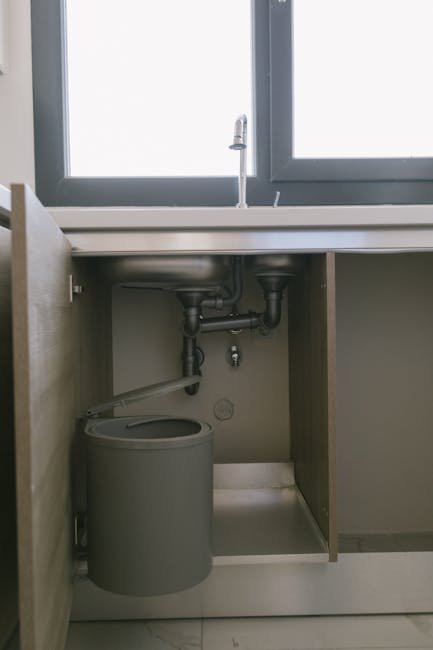
Have you ever opened the cabinet under your kitchen sink and felt lost staring at all those pipes and connections? Understanding the plumbing under your kitchen sink can save you time, money, and frustration.
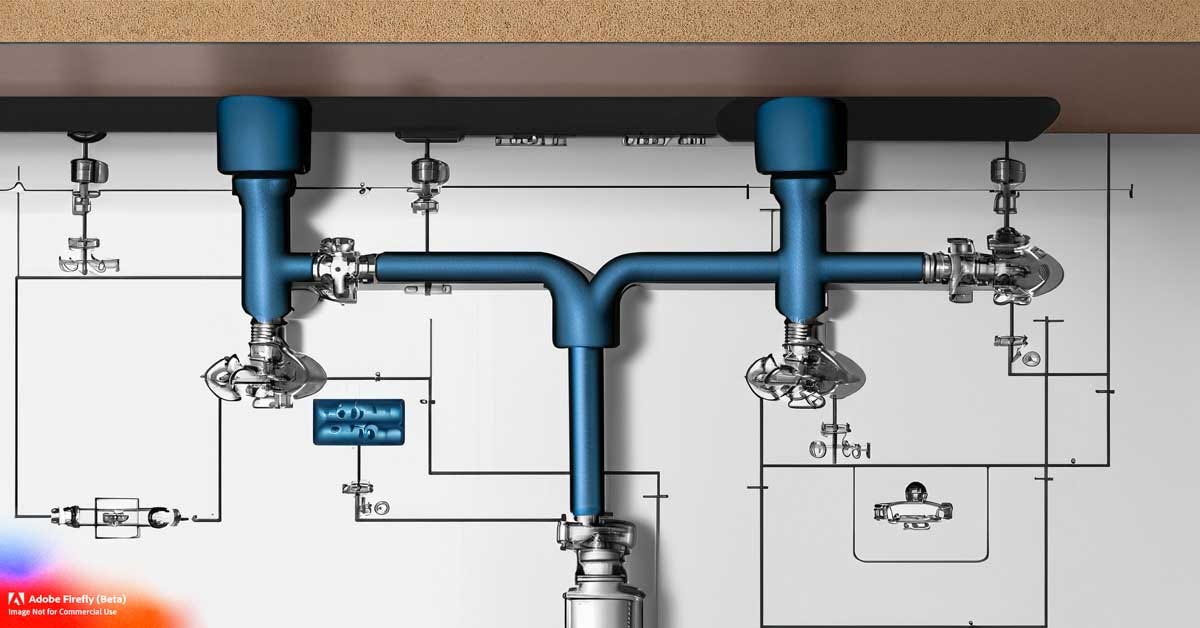
Whether you’re dealing with a leak, planning a DIY repair, or just curious about how it all works, a clear diagram can make everything easier to grasp. You’ll discover a simple, easy-to-follow plumbing under the kitchen sink diagram that helps you see exactly what’s going on beneath the surface.
Keep reading, and you’ll gain the confidence to handle common plumbing issues like a pro.
Kitchen Sink Plumbing Basics
Understanding the basics of kitchen sink plumbing can save you time and money when dealing with leaks or clogs. Knowing what parts make up the system helps you spot issues early and communicate better with professionals. Let’s break down the essential elements and materials you’ll find under your kitchen sink.
Main Components
Under your kitchen sink, several key parts work together to manage water flow and waste. The drain pipe carries wastewater away from the sink. Connected to it is the P-trap, a curved pipe that traps debris and prevents sewer gases from entering your home.
You’ll also find supply lines, usually two, that bring hot and cold water to the faucet. Finally, shut-off valves allow you to stop water flow to the sink without affecting the rest of the house. Have you ever noticed how a small valve can save you from a big flood?
Common Materials
Plumbing materials vary, and each has its pros and cons. PVC (polyvinyl chloride) is a popular choice for drain pipes because it’s lightweight, affordable, and resists corrosion. Metal pipes, such as copper or galvanized steel, are more durable but can be prone to corrosion over time.
Flexible braided supply lines made of stainless steel are common for water delivery. They’re easy to install and reduce the risk of leaks compared to older rubber hoses. What material do you think would last longer in a humid kitchen environment?
Drain System Setup
Understanding the drain system setup under your kitchen sink is crucial for preventing leaks and ensuring smooth water flow. The arrangement of pipes and fittings directly affects how efficiently your sink drains. Let’s break down the key components you’ll find in this setup and why each matters to your plumbing’s performance.
Trap Installation
The trap is the curved pipe located just below your sink drain. Its main job is to hold water and create a seal that stops sewer gases from entering your home. Without a properly installed trap, your kitchen could quickly become a source of unpleasant odors.
When installing the trap, make sure it fits snugly and doesn’t have any gaps. Tighten connections carefully to avoid leaks, but don’t overtighten as this can crack plastic parts. If you’ve ever experienced a foul smell under your sink, the trap was likely the issue.
Drain Pipe Connections
Drain pipes connect the trap to your home’s main drainage system. These pipes must be aligned properly to allow water to flow freely without clogging. Using the right pipe size and material ensures durability and prevents backups.
Secure all connections with slip nuts or compression fittings, and check for leaks after installation. If you notice slow drainage, it could mean a loose connection or a clog at one of these joints. Have you checked the tightness of your drain pipe connections lately?
Vent Pipe Role
The vent pipe is often overlooked, but it plays a vital role in your kitchen sink’s drain system. It allows air to enter the plumbing system, preventing a vacuum that would slow down water flow or cause gurgling noises. Without proper venting, your drains may not work efficiently.
Vent pipes usually extend through your roof or connect to a vent stack. If your sink drains slowly or you hear bubbling sounds, your vent might be blocked or missing. Ensuring your vent pipe is clear can save you from frustrating drainage problems.
Water Supply Lines
Water supply lines under your kitchen sink are the lifelines that bring both hot and cold water to your faucet. Understanding how these lines work can save you time and money when dealing with leaks or replacements. Let’s break down the essentials of these supply lines so you can handle minor plumbing tasks confidently.
Hot And Cold Lines
Two separate water lines run to your kitchen faucet: one for hot water and one for cold. Each line connects to its respective valve and pipe, ensuring you get the right temperature when you turn the faucet handle.
Knowing which line is which helps when you’re troubleshooting water temperature problems. Usually, the hot water line is on the left and the cold on the right, but always double-check before making changes.
Shutoff Valves
Shutoff valves control the flow of water to your sink. These valves let you stop water flow quickly during repairs or emergencies without turning off the main water supply to your home.
Check these valves regularly to ensure they turn smoothly. Frozen or stuck valves can cause headaches if you need to shut off water fast.
Flexible Vs. Rigid Pipes
Under your sink, water lines are usually either flexible or rigid. Flexible pipes are easier to install and adjust, which is why many DIYers prefer them for quick fixes.
Rigid pipes, like copper, are more durable but require precise measurements and fittings. Think about how much space you have and your comfort level with tools before choosing the type.
Garbage Disposal Integration
Integrating a garbage disposal under your kitchen sink can transform how you handle food waste, making cleanup faster and more hygienic. Understanding the key components involved helps you avoid common pitfalls and ensures your system runs smoothly. Let’s look closely at how to properly mount your disposal, connect its electrical parts safely, and align the drain correctly for optimal performance.
Mounting Basics
The mounting process is crucial because a secure fit prevents leaks and vibrations that can damage pipes or annoy you with noise. Most disposals use a three-bolt mounting ring or a quick-lock system that snaps into place. Make sure the sink flange is sealed tightly with plumber’s putty to stop water from seeping through.
Consider the weight of the disposal unit before mounting. Heavier models require stronger support brackets. If you’ve ever heard a rattling noise under the sink, it might be loose mounting bolts—tightening them can solve the issue quickly.
Electrical Connections
Garbage disposals need a reliable power source, usually connected via a dedicated outlet under the sink or hardwired into your electrical system. Always switch off the circuit breaker before working on electrical connections to keep yourself safe. Using a grounded three-prong plug or ensuring proper grounding when hardwiring is key to preventing shocks or short circuits.
Many disposals come with a plug-in cord, but some require wiring directly into the home’s electrical box. If you’re unsure about electrical work, hiring a licensed electrician is a smart choice. Have you checked if your kitchen outlet has a Ground Fault Circuit Interrupter (GFCI)? It’s designed to protect you from electrical hazards in wet areas.
Drain Alignment
Proper drain alignment ensures smooth water flow and prevents clogging or leaks. The disposal’s outlet pipe must line up perfectly with your sink drain and the P-trap. Sometimes, you might need to adjust or replace pipes with flexible or adjustable fittings to achieve the right angle.
Be mindful of the clearance space under your sink to avoid forcing pipes into awkward positions. Have you noticed slow drainage or gurgling sounds? These could indicate misaligned pipes or partial blockages that need attention. Tightening all slip nuts and checking for leaks after installation helps maintain a trouble-free system.
Common Problems And Fixes
Under the kitchen sink, plumbing issues happen often. These problems can cause water damage and disrupt daily tasks. Knowing common issues and how to fix them saves time and money. Quick fixes prevent small troubles from growing bigger. Understanding basic plumbing helps keep the kitchen running smoothly.
Leaks And Drips
Leaks are the most common problem under the sink. They waste water and cause stains or mold. Check pipe connections and the drain for loose fittings. Tighten connections with a wrench carefully. Replace worn-out washers or seals to stop drips. Use plumber’s tape on threaded joints for a tight seal. If the pipe cracks, replace the damaged section.
Clogs And Blockages
Clogs slow down or stop water flow. Food scraps, grease, and soap build-up cause blockages. Avoid pouring grease down the drain. Use a plunger to clear minor clogs quickly. A drain snake can remove tougher blockages inside pipes. Pouring baking soda and vinegar helps dissolve grease. Regularly clean the drain trap to prevent future clogs.
Noise Issues
Unusual noises under the sink often signal problems. Banging or knocking sounds come from loose pipes. Secure pipes with clamps or brackets to reduce noise. Gurgling sounds mean air trapped in the pipes. Check for blockages in the vent pipe. Water hammer noise happens when valves close suddenly. Installing a water hammer arrestor stops this noise.
Credit: medium.com
Maintenance Tips
Proper maintenance keeps the plumbing under your kitchen sink working well. It prevents clogs, leaks, and costly repairs. Simple care routines extend the life of your pipes and fixtures. Follow these easy tips to protect your kitchen plumbing.
Regular Cleaning
Clean the sink drain regularly to avoid buildup. Use a mixture of baking soda and vinegar to break down residue. Flush the drain with hot water afterward. Remove any debris caught in the trap below the sink. Keep the area dry to prevent mold and mildew.
Leak Prevention
Check pipes and connections for drips often. Tighten loose fittings with a wrench but avoid overtightening. Look for water stains or damp spots under the sink. Replace worn washers or seals to stop leaks. Early detection saves water and reduces damage.
Replacing Worn Parts
Inspect parts like the P-trap, washers, and valves regularly. Replace any corroded or cracked components promptly. Use parts that match your existing plumbing for a proper fit. Turn off the water supply before starting repairs. Keep basic tools and replacement parts handy for quick fixes.
Safety And Code Compliance
Ensuring safety and code compliance under your kitchen sink isn’t just about avoiding leaks or clogs—it’s about protecting your home and health. Ignoring these aspects can lead to costly repairs or even hazards like water damage and electrical shocks. Understanding the rules and practical safety measures helps you maintain a worry-free kitchen plumbing system.
Building Codes
Building codes set the minimum standards for plumbing installations to keep everything safe and functional. These codes vary by location, so you need to check your local regulations before starting any work.
For example, codes often specify pipe sizes and materials to prevent leaks and ensure proper drainage. Have you ever wondered why your neighbor’s sink drains slower than yours? It might be due to non-compliance with these codes.
Proper Venting
Venting is crucial for your kitchen sink plumbing. It allows air to enter the drain system, preventing suction that can cause slow drainage or sewer gases to enter your home.
If vents are missing or blocked, you might notice gurgling sounds or unpleasant odors. Simple checks, like listening for unusual noises or inspecting vent pipes, can save you from bigger problems down the line.
Electrical Safety
Under the kitchen sink, you might find garbage disposals or dishwashers that connect to electrical outlets. Ensuring these connections are safe is vital to avoid shocks or fires.
Make sure all electrical components are properly grounded and protected from water exposure. Have you ever inspected the outlet under your sink to confirm it’s a Ground Fault Circuit Interrupter (GFCI)? If not, it’s time to check—it’s a small step that can prevent serious accidents.

Credit: www.facebook.com

Credit: www.facebook.com
Frequently Asked Questions
What Are The Main Parts Under A Kitchen Sink?
The main parts include the drain pipe, P-trap, supply lines, shutoff valves, and sometimes a garbage disposal unit. Each part helps manage water flow and waste efficiently.
How Does The P-trap Prevent Odors?
The P-trap holds water that blocks sewer gases from entering your home. It acts as a barrier, keeping unpleasant smells out of your kitchen.
Why Is A Shutoff Valve Important Under The Sink?
A shutoff valve allows you to stop water flow quickly during repairs or leaks. It prevents water damage and makes maintenance easier.
How Can I Identify A Leak Under The Kitchen Sink?
Look for water puddles, damp spots, or mold growth under the sink. Check all joints and connections for drips or corrosion regularly.
Conclusion
A clear kitchen sink plumbing diagram helps you understand your pipes. It shows how water flows and where leaks might happen. Knowing this makes fixing small problems easier and faster. You can spot parts like the drain, trap, and supply lines quickly.
This saves time and money on repairs. Keep the diagram handy for future reference. A simple guide can make a big difference in home maintenance. Understanding plumbing under your sink helps you stay prepared and confident.
