
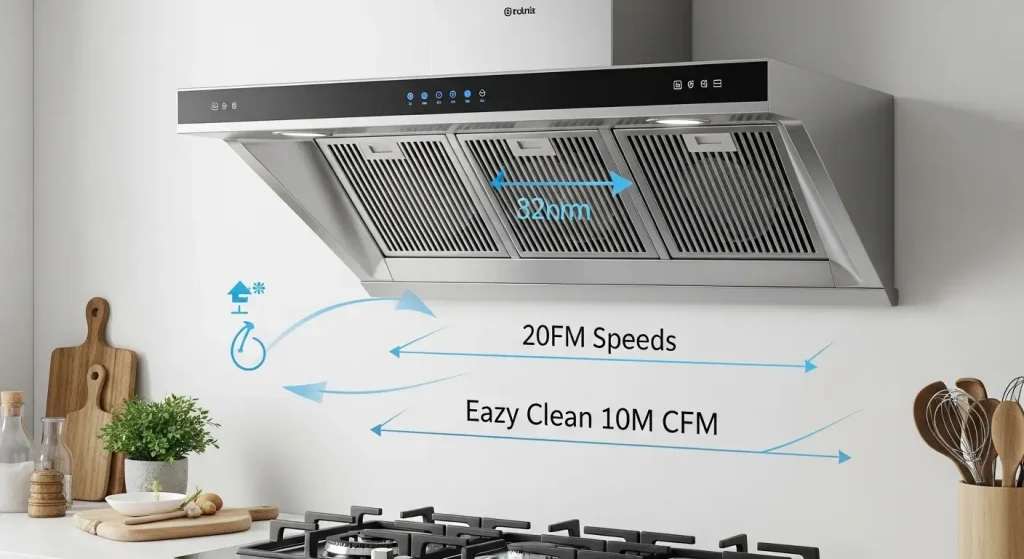
Picture this: you’re cooking your favorite dish, and as the aromas fill your kitchen, so does an overwhelming cloud of smoke and grease. Suddenly, your culinary experience is interrupted.
If this sounds familiar, you might be wondering about the importance of a good range hood. You deserve a kitchen that feels fresh, clean, and enjoyable every time you cook. But how do you ensure your range hood meets your needs?
This article unravels the mystery of what makes a range hood truly effective. Stick around, and you’ll discover not just the essential features but also insider tips on choosing the perfect range hood for your kitchen. Let’s make sure your cooking space is as inviting as your meals are delicious.
Key Features Of Range Hoods
When you’re choosing a range hood, understanding its key features is essential to making the right choice for your kitchen. A good range hood not only enhances the aesthetics of your space but also keeps your cooking area clean and fresh. Let’s dive into the critical aspects that make a range hood worth investing in.
Ventilation Type Options
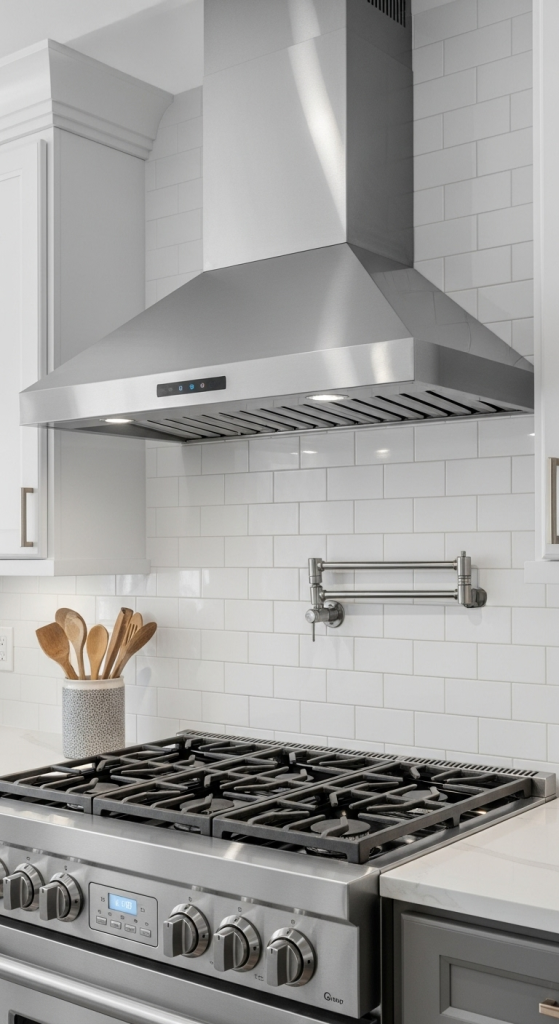
Range hoods come with different ventilation types, primarily ducted and ductless options. Ducted hoods channel smoke and odors outside, offering superior ventilation. They’re perfect if you love cooking aromatic dishes. Ductless hoods use filters to clean the air and then recirculate it, ideal for apartments or homes without external venting.
Size And Coverage
Size matters when it comes to range hoods. It should cover the entire cooking surface to effectively capture smoke and fumes. Measure your stove and ensure the hood extends at least three inches on each side. A friend once picked a hood that was too small, and it couldn’t handle the smoke from his barbecue nights. Avoid that mistake by choosing wisely.
Noise Levels
No one wants a noisy kitchen appliance. Range hoods vary in noise levels, and quieter models are often more desirable. Check the decibel rating before purchasing. A quieter hood lets you enjoy conversations while cooking without feeling like you’re at a rock concert. Have you ever turned off your range hood because it was too loud? Finding a balance between functionality and peace is key.
Remember, a good range hood should complement your cooking style and kitchen needs. Consider these features carefully to make an informed decision that keeps your kitchen running smoothly.
Different Types Of Range Hoods
Choosing the right range hood is important for your kitchen. It helps keep the air clean and fresh. Different range hoods fit different needs and styles. Let’s explore the types available.
Under-cabinet Hoods
Under-cabinet hoods fit beneath your kitchen cabinets. They are perfect for small kitchens. These hoods save space and are easy to install. They come in various styles and finishes. Under-cabinet hoods are budget-friendly. They effectively remove smoke and odors.
Wall-mounted Hoods
Wall-mounted hoods attach to the kitchen wall. They are ideal for kitchens without cabinets above the stove. These hoods make a bold statement. They come in sleek designs and various sizes. Wall-mounted hoods offer powerful ventilation. They keep your kitchen air clean.
Island Hoods
Island hoods hang from the ceiling. They suit kitchens with a cooking island. These hoods are eye-catching. They often feature modern designs. Island hoods require more space. They provide strong airflow. Make sure your ceiling can support them.
Downdraft Hoods
Downdraft hoods are unique. They rise from the countertop. These hoods are perfect for minimalistic kitchens. They are hidden when not in use. Downdraft hoods pull smoke downwards. They are less common but effective. Consider them for a clean look.
Material And Design Considerations
Choosing a good range hood involves considering materials like stainless steel for durability and easy cleaning. Design plays a crucial role in ensuring efficient air flow and noise reduction. Aesthetic appeal should complement your kitchen style.
When choosing a range hood for your kitchen, material and design considerations play a crucial role. The right material not only enhances the look but also ensures longevity and ease of maintenance. Design, on the other hand, affects how well the range hood blends with your kitchen’s overall aesthetic.
Stainless Steel Vs. Glass
Stainless steel is a popular choice for range hoods due to its durability and timeless appeal. It is resistant to rust and easy to clean, making it a practical option for busy kitchens. You might find that stainless steel complements a modern or industrial-style kitchen beautifully. Glass range hoods, however, offer a sleek and contemporary look. They add a touch of elegance and can make a kitchen feel more spacious. Glass can be slightly harder to maintain as it shows smudges more easily, but many find the aesthetic benefits worth the extra effort.
Design Aesthetics
The design of your range hood should reflect your personal style and kitchen layout. Do you prefer a minimalist look, or are you drawn to more ornate designs? A minimalist design often features clean lines and unobtrusive elements, which can keep a kitchen looking clutter-free. Consider how the range hood will fit into your kitchen’s color scheme and cabinetry.
A bold hood can serve as a focal point, while a subtle design might seamlessly blend in. Think about your cooking habits too; a powerful hood is necessary if you frequently cook aromatic dishes. Choosing the right material and design for your range hood is not just about function it’s an opportunity to express your style. How will your kitchen look with a stainless steel hood compared to a glass one? Each choice tells a different story about your taste and lifestyle.
Installation And Maintenance
Choosing a good range hood is only half the battle. Installation and maintenance are crucial for ensuring it functions effectively over time. While many people focus on the design and power of their range hoods, understanding the ins and outs of installation and upkeep can save you time and money. Here’s what you need to know to keep your range hood in tip-top shape.
Professional Vs. Diy Installation
Have you ever wondered whether to hire a professional or tackle the installation yourself? Professional installation ensures that your range hood is securely mounted and properly connected. Experts bring the skills needed to handle unexpected challenges, like fitting the hood into tight spaces or managing complex wiring.
DIY installation can be a rewarding endeavor if you’re handy with tools. It allows for a personalized touch and the satisfaction of completing a home project. However, it’s essential to read the manual carefully and have the right tools at hand. If you’re unsure about electrical connections, it’s best to consult a professional to avoid costly mistakes.
Regular Cleaning Tips
Maintaining your range hood isn’t just about performance; it’s about hygiene too. Grease and grime can accumulate quickly, affecting efficiency. Regular cleaning is vital to keep it running smoothly and to prevent unpleasant odors. Start by cleaning the filters at least once a month. Metal filters can usually be cleaned in the dishwasher, while charcoal filters may need replacing.
Wiping down the exterior is equally important. Use a mild detergent and a soft cloth to avoid scratches. Don’t forget the fan blades—they can gather dust and grease over time. A clean range hood not only works better but looks great, enhancing your kitchen’s appeal.
Have you ever noticed a decrease in performance or strange noises? Regular maintenance can prevent such issues. Check the ductwork periodically for blockages and ensure all screws and connections are tight. This proactive approach can extend the life of your range hood significantly.
Do you have any tips or experiences with range hood installation or maintenance? Share your thoughts in the comments below!
Energy Efficiency And Performance
Choosing the right range hood involves more than style and design. Energy efficiency and performance play crucial roles in its effectiveness. An efficient range hood reduces energy consumption and improves air quality. It keeps the kitchen comfortable and clean.
Energy Star Ratings
Energy Star ratings guide consumers to efficient appliances. A range hood with an Energy Star rating saves energy. It uses less electricity while maintaining high performance. This rating ensures optimal energy use without compromising functionality.
Optimal Airflow
Optimal airflow is essential for a good range hood. It effectively removes smoke and odors from your kitchen. The airflow should match your kitchen size and cooking habits. A well-designed hood offers consistent airflow. It ensures a clean and pleasant environment.
Budgeting And Cost Factors
Choosing the right range hood for your kitchen involves careful consideration of your budget and the cost factors associated with it. While everyone wants high quality without breaking the bank, it’s important to balance both immediate expenses and long-term savings. Understanding the cost elements can help you make an informed decision that fits your financial plan and meets your culinary needs.
Price Range Expectations
Range hoods come in various styles and functionalities, which significantly affect their price. Basic models might start around $100, providing simple ventilation for small kitchens. Mid-range options can cost between $300 to $600, offering enhanced features like better airflow and quieter operation.
High-end range hoods, often exceeding $1,000, boast sleek designs, advanced technology, and superior materials. While they might seem pricey, consider how much value they bring to your kitchen experience. Does spending more now mean fewer headaches later?
Long-term Cost Savings
Investing in a quality range hood can lead to significant savings over time. Efficient models minimize energy use, reducing your utility bills. Think about how a quiet, powerful range hood can also preserve your kitchen’s air quality, potentially saving on cleaning and maintenance.
Durability is another factor. A well-built range hood lasts longer, saving you from frequent replacements. My friend once splurged on a premium range hood, and years later, she’s still grateful for its reliability and performance. Could a higher initial cost save you money in the long run?
Consider your long-term goals and what you value most in a kitchen appliance. Would you prefer to spend a little more now for peace of mind later, or are you comfortable with a budget-friendly option that meets your current needs?
Additional Features To Consider
Considering various extra features enhances the functionality of a good range hood. Look for adjustable fan speeds and efficient filters. Ensure the hood offers quiet operation and easy maintenance to improve your cooking experience.
When choosing the right range hood for your kitchen, additional features can significantly enhance your cooking experience. These features do more than just extract smoke and odors. They add convenience, efficiency, and even a touch of modernity to your kitchen. Let’s explore some key features that you might want to consider.
Smart Technology Integration
Imagine controlling your range hood with just your voice or from an app on your smartphone. Some range hoods now offer smart technology integration, allowing you to connect them to your smart home system. This means you can adjust fan speeds, set timers, or receive maintenance alerts without having to leave your seat. Smart technology can make your kitchen feel futuristic. You could even sync your range hood with other smart kitchen appliances. Wouldn’t it be great if your range hood automatically adjusted its fan speed based on what’s cooking on your stovetop?
Lighting Options
A range hood’s lighting can transform your cooking area. Many hoods offer LED lights, which are energy-efficient and long-lasting. They provide bright illumination, making it easier to see what you’re cooking. Consider hoods with adjustable lighting. Being able to dim or brighten the lights can set the right mood or focus on your culinary creations. Some models even come with ambient lighting to add a warm glow to your kitchen.
Auto Shutoff Features
Auto shutoff is a valuable feature for the forgetful chef in all of us. It automatically turns off the range hood after a set period. This can save energy and ensure safety if you forget to turn it off after cooking. Think about the peace of mind you’d have knowing your range hood shuts itself off. This feature is particularly useful during busy meal prep times when distractions are plentiful.
It’s a small feature that can make a big difference in your daily routine. Choosing the right range hood is about more than just its basic function. By considering these additional features, you can enhance your kitchen’s functionality and your cooking experience. What features do you think would make your cooking space more efficient and enjoyable?
Frequently Asked Questions
How Many Cfm Is Good For A Range Hood?
A good range hood should have at least 100 CFM per linear foot of cooktop. For most homes, 300 to 600 CFM is sufficient. Larger or professional-grade stoves may require 900 to 1200 CFM. Always match CFM to your cooking style and kitchen size for optimal ventilation.
What Should You Look For In A Range Hood?
Choose a range hood with strong ventilation power, efficient noise level, and suitable size for your kitchen. Ensure it has easy-to-clean filters and energy efficiency. Consider its design to match kitchen aesthetics. Opt for models with user-friendly controls and reliable warranty.
Is 300 Cfm Or 400 Cfm Better?
Choose 300 CFM for smaller spaces and 400 CFM for larger areas needing better ventilation. Consider room size and needs.
What Is The Most Effective Rangehood?
The most effective rangehood is one with high airflow, quiet operation, and efficient filtration. Brands like Bosch and Broan offer reliable options. Choose a model that matches your kitchen size and cooking style. Look for energy-efficient features and easy maintenance for optimal performance.
Conclusion
Choosing a good range hood improves kitchen air quality. It removes smoke and odors efficiently. Look for features like strong ventilation and quiet operation. Size matters; match your hood to your cooktop. Material should be durable and easy to clean.
Consider energy efficiency to save on costs. Installation impacts performance; ensure proper fit. Style is important for kitchen aesthetics. A range hood is an essential appliance. It enhances cooking comfort and safety. Select wisely for a better kitchen environment. Your choice makes a difference in daily cooking experience.
