
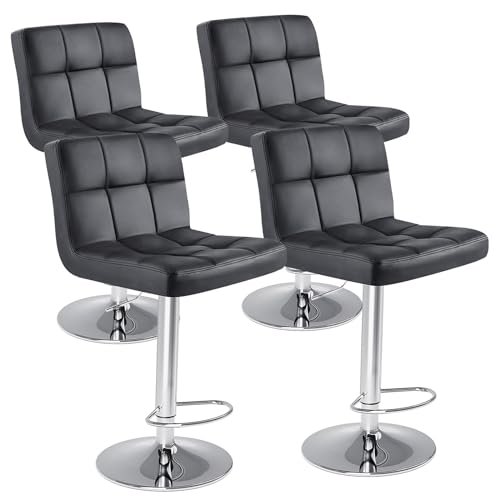
Selecting the right material for your kitchen bar stools is a critical decision that profoundly impacts both the aesthetic and functional appeal of your space. The ideal material strikes a balance between style, comfort, and long-term durability, ensuring your bar stools not only look good but also withstand the rigors of daily use. From plush fabrics to sleek leather and robust woods and metals, each material offers unique benefits and considerations that should align with your lifestyle and kitchen’s overall design.
Understanding the properties of different materials will empower you to make an informed choice. Whether you prioritize easy maintenance for a bustling family kitchen, a cozy feel for intimate gatherings, or a modern, industrial edge, there’s a perfect material out there. This guide delves into the most popular options, exploring their strengths, weaknesses, and best applications to help you find the perfect fusion of form and function for your home.
Understanding Bar Stool Materials: A Comprehensive Guide
When shopping for kitchen bar stools, you’ll encounter a variety of materials, each contributing a distinct character and set of practical qualities. The frame, the seat upholstery, and any accompanying accents all play a role in the stool’s durability, comfort, and maintenance requirements.
Upholstery Materials: Comfort and Aesthetics
The material covering the seat is often the most significant factor in a stool’s comfort and visual appeal.
Faux Leather & PU Leather
Often grouped together, PU (polyurethane) leather and other faux leathers offer a very popular, budget-friendly alternative to genuine leather. They are widely used for bar stools due to their attractive appearance and practical benefits.
- Durability and Maintenance: PU leather is known for its water resistance and ease of cleaning. Spills can typically be wiped away with a damp cloth, making it a highly practical choice for kitchens where accidental messes are common. In practice, many PU leather stools hold up well to typical daily wear. However, prolonged exposure to direct sunlight or extreme temperatures can lead to cracking or peeling over time.
- Style: Faux leather provides a sleek, modern, and sophisticated look that complements contemporary, minimalist, and even some transitional kitchen designs. It's available in a wide range of colors, though black, brown, and grey are perennial favorites for their versatility.
- Comfort: While often smooth and cool to the touch initially, PU leather can be less breathable than fabric, potentially feeling warmer during extended seating periods on hot days. The comfort level also depends heavily on the padding underneath.
- Considerations: Look for higher-quality PU leather that is thicker and less prone to tearing. A common mistake is assuming all PU leather is created equal; quality varies significantly.
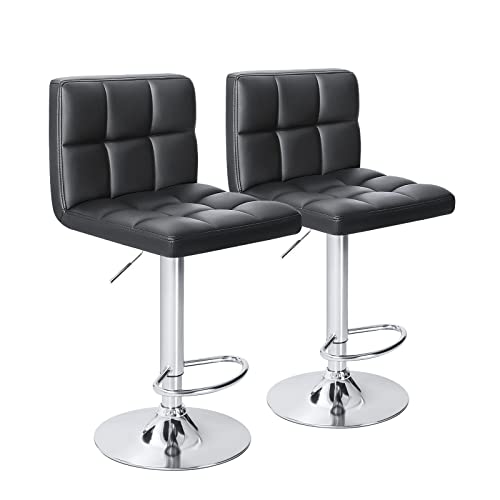 High-quality PU leather offers a sleek look and easy cleanup.
Genuine Leather
Genuine leather offers a premium feel and exceptional durability, often improving with age.
- Durability and Maintenance: True leather is incredibly durable and develops a unique patina over time, often referred to as a sign of character. It's naturally resistant to spills if wiped up quickly, but unlike PU, it’s porous and can absorb liquids if left untreated. Regular conditioning is recommended to prevent drying and cracking, especially in arid environments.
- Style: Leather exudes a sense of luxury and classic elegance. It suits traditional, rustic, industrial, and upscale modern kitchens beautifully.
- Comfort: Leather is breathable and can adapt to body temperature, often feeling more comfortable than faux alternatives during long sittings. Its softness can be a significant plus.
- Considerations: Genuine leather is a significant investment and requires more specific care than synthetic options. Not all 'leather' bar stools advertised are 100% genuine leather; some are bonded leather or a blend.
Fabric Upholstery (Linen, Cotton, Polyester Blends)
Fabric offers unparalleled softness and a warm, inviting feel, making it a favorite for comfort-focused seating.
- Durability and Maintenance: The durability of fabric varies greatly depending on the blend. Natural fibers like linen and cotton can be prone to staining, wrinkling, and wear in high-traffic areas. Polyester blends, or fabrics treated with stain-resistant finishes, offer better longevity and easier maintenance. Some fabrics are designed for durability and can be quite resilient, especially when paired with robust construction.
- Style: Fabric upholstery opens up a vast world of textures, colors, and patterns. From cozy linen to rich velvet, it can add warmth, color, and personality to any kitchen. It pairs well with traditional, farmhouse, bohemian, and eclectic styles. You can explore a spectrum of design choices beyond solid colors, making it a versatile option depending on your specific decorative goals.
- Comfort: Fabric is inherently breathable and soft, often offering superior comfort for extended periods compared to synthetic leathers. It simply feels more welcoming and plush.
- Considerations: For kitchen use, opt for performance fabrics or densely woven materials that resist stains and wear. Regular vacuuming and prompt spot cleaning are essential for maintaining fabric stools. Some fabric options, like those found in performance upholstery, are specifically engineered for heavy use and stain resistance, making them practical for busy households.
 Fabric provides a soft, inviting texture and a broad range of color options.
Frame and Base Materials: Stability and Style
The structure of the stool provides its support and dictates its style, from industrial-chic metal to warm, natural wood.
Metal (Steel, Iron, Aluminum): Metal frames, particularly steel and iron, are renowned for their exceptional durability and strength. They provide a robust foundation that can support significant weight and withstand the test of time. Metal is also highly versatile stylistically.
- Style: It forms the backbone of industrial, modern, and minimalist designs. Thin metal legs can create an airy feel, while thicker frames and wrought iron details lend themselves to more robust aesthetics. Powder-coated finishes offer excellent resistance to chipping and corrosion.
- Maintenance: Metal frames are generally low-maintenance, requiring only occasional dusting or wiping with a damp cloth to remove smudges.
- Considerations: While durable, metal can be cold to the touch. Ensure any metal components are well-finished to prevent rust or sharp edges.
Wood (Solid Hardwoods like Oak, Walnut, Maple; Engineered Wood): Wood brings a natural warmth and timeless appeal to bar stools. The type of wood and its finish significantly influence the stool's overall style and durability.
- Style: Solid wood is a cornerstone of traditional, rustic, farmhouse, and Scandinavian designs. Oak offers a classic, sturdy look, while walnut provides a richer, darker hue. Engineered wood or veneer can offer a more budget-friendly option, though solid wood generally offers superior longevity.
- Maintenance: Wood requires care. Spills should be wiped up immediately, and periodic cleaning with a wood-appropriate cleaner, followed by polishing, can maintain its luster. Avoid harsh chemicals. Solid wood, especially hardwoods, is more resistant to dents and scratches than softer woods.
- Considerations: Ensure the wood is properly sealed to protect against moisture and stains common in a kitchen environment. The grain and finish of the wood will significantly impact the stool's perceived quality and style.
 A combination of wood and metal frames offers a blend of warmth and industrial strength.
Other Material Considerations
- Backless vs. Backed: Backless stools tuck away neatly under counters, saving space and offering a minimalist look. Stools with backs provide crucial support for longer sitting periods, enhancing comfort.
- Footrests: Integrated footrests are a valuable feature, reducing leg strain and improving posture, especially on counter-height stools. Metal is ideal for footrests due to its durability.
- Saddle Seats: These ergonomically shaped seats contour to the body, offering comfort without a backrest. They are common in many modern and industrial designs.
Key Features to Prioritize for Kitchen Bar Stools
Beyond the primary material, certain features significantly enhance the practicality and comfort of kitchen bar stools.
Height and Adjustability
- Counter Height: Standard kitchen counters are typically around 36 inches high. Counter stools should ideally be between 23 and 26 inches tall, allowing about 10-12 inches of clearance between the seat and the countertop edge for comfortable legroom.
- Bar Height: Bar heights are usually around 40-42 inches, requiring stools around 28-30 inches tall.
- Adjustable Height: Stools with hydraulic lift mechanisms offer invaluable flexibility. This allows you to customize the height to perfectly match your specific counter or bar, accommodating different users and providing the ideal seating position. Adjustable stools are a smart investment for varying counter heights or if you plan to move the stools between different areas.
Swivel Functionality
A 360-degree swivel function significantly increases a stool's utility in a kitchen environment.
- Ease of Access: Swiveling chairs make it easier to get on and off the stool without needing to shuffle it back and forth.
- Conversation Flow: In open-plan living spaces, a swivel stool allows you to easily turn towards other areas of the room, facilitating conversation and interaction without having to physically move the stool.
- Practicality: It makes cleaning around the stools simpler and allows you to easily turn the stool to face the counter for a meal or away when not in use.
Ergonomics and Comfort Features
Consider how long you or your family will be sitting on these stools.
- Padding: Adequate seat padding is crucial for comfort. Look for dense foam that won't flatten quickly.
- Back Support: For longer periods of sitting, a supportive backrest can be a game-changer. It reduces fatigue and encourages better posture. Cantilevered or gently curved backs offer better lumbar support.
- Footrests: As mentioned, a sturdy footrest is essential for comfort and stability, especially for taller stools.
Popular Kitchen Bar Stool Material Combinations
Many of the best kitchen bar stools combine materials to leverage the advantages of each.
PU Leather with Metal Base
This is a ubiquitous combination for good reason. The sleek, easy-to-clean PU leather upholstery pairs perfectly with sturdy metal frames. It offers a modern aesthetic, excellent durability, and low maintenance. The contrast between the smooth faux leather and the industrial strength of metal creates a visually appealing and highly functional piece of furniture. Such a combination is ideal for busy households prioritizing both style and practicality.
Fabric Upholstery with Wood Base
For a warmer, more inviting look, fabric seats atop wooden bases are a classic choice. This pairing evokes a sense of natural comfort and traditional charm. While fabric requires more careful cleaning, a performance fabric can mitigate this concern. The wood base provides a solid foundation and adds to the rustic, farmhouse, or Scandinavian appeal. This option is perfect for creating a cozy gathering spot in the kitchen.
Bonded Leather with Metal Legs
Bonded leather is another cost-effective upholstery option that mimics the look of real leather. When paired with robust metal legs, it creates a durable and stylish stool at a more accessible price point. While not as durable as genuine leather, quality bonded leather can offer years of service, especially in a well-maintained kitchen.
Saddle Seat in PU Leather or Fabric with Metal Frame
Saddle seats, often found in PU leather or durable fabrics, paired with minimalist metal frames, offer a functional and space-saving design. This combination is prevalent in industrial and modern designs, prioritizing clean lines and ergonomic form. The saddle shape naturally supports the body, making it surprisingly comfortable for extended use.
Making Your Final Material Choice
When deciding on the best material for your kitchen bar stools, ask yourself these questions:
- Who will be using the stools and how often? For families with young children or high-traffic entertaining spaces, durability and ease of cleaning are paramount. Opt for PU leather or durable performance fabrics with sturdy metal or solid wood frames.
- What is your kitchen's existing style? A modern kitchen might call for sleek PU leather and metal, while a rustic kitchen could benefit from fabric and wood.
- What is your budget? Genuine leather and solid hardwoods are premium choices. Faux leather, fabric blends, and engineered wood offer more budget-friendly alternatives without necessarily sacrificing significant quality.
- How much maintenance are you willing to do? If you prefer minimal upkeep, PU leather and metal are excellent choices. If you don't mind occasional conditioning or special cleaning, genuine leather or certain fabrics can be rewarding.
- What level of comfort is important? For long sitting periods, prioritize padded seats, supportive backrests, and breathable upholstery like genuine leather or high-quality fabrics.
By carefully considering these factors and the specific properties of each material, you can select kitchen bar stools that not only enhance your décor but also provide lasting comfort and functionality for years to come. Exploring options that feature adjustable height and swivel mechanisms can further elevate the practicality of your chosen stools, making them a truly integrated and indispensable part of your kitchen experience. For further inspiration on kitchen upgrades or specific product types, check out our guides on kitchen faucet choices or explore different cookware options.
Frequently Asked Questions
What Is The Best Material For Kitchen Bar Stools?
The "best" material depends on your priorities. For durability and easy cleaning, PU leather with a metal frame is a highly practical choice. For comfort and a warmer aesthetic, fabric upholstery (especially performance fabrics) with a wood base is excellent. Genuine leather offers premium comfort and durability but requires more care.
Are Pu Leather Bar Stools Durable For Kitchen Use?
Yes, PU leather bar stools are generally durable for kitchen use. They are resistant to spills and easy to wipe clean, which is ideal for a high-traffic area like a kitchen. Higher quality PU leather is less prone to cracking and peeling than lower grades, ensuring good longevity.
How Do Fabric Bar Stools Compare To Leather Ones?
Fabric bar stools typically offer superior softness and breathability, making them more comfortable for extended sitting. They also come in a wider array of colors and textures, allowing for more decorative versatility. However, fabric can be more prone to staining and may require more frequent cleaning and maintenance than PU or genuine leather.
Why Choose Metal Bases For Kitchen Bar Stools?
Metal bases, usually steel or iron, provide exceptional stability, strength, and durability. They are capable of supporting heavy weights and resisting wear and tear, making them ideal for everyday use in busy kitchens. Metal frames also lend themselves well to modern, industrial, and minimalist design aesthetics.
Are Adjustable Swivel Bar Stools Practical For Kitchens?
Absolutely. Adjustable swivel bar stools offer significant practical advantages. The adjustable height allows them to fit perfectly with various counter heights, and the swivel function enhances accessibility and conversation flow in open-plan kitchens. They provide flexibility and convenience that static stools cannot match.
What Height Is Best For Kitchen Counter Stools?
For standard kitchen counters (approx. 36 inches high), counter stools should typically measure between 23 and 26 inches from the floor to the top of the seat. This provides about 10-12 inches of clearance, allowing comfortable legroom. Adjustable height stools offer the most versatility to ensure this ideal clearance regardless of your specific counter height.
Conclusion
The material you choose for your kitchen bar stools is a significant factor in their overall performance, comfort, and aesthetic contribution to your home. Leather-like materials, such as PU and genuine leather, excel in durability and ease of cleaning, making them ideal for busy households. Fabric upholstery, on the other hand, offers a softer, more inviting feel and a broader spectrum of design possibilities, though it may require more diligent care.
Metal and wood form the foundational structures, with metal providing industrial strength and modern appeal, while wood brings natural warmth and classic elegance. Often, the most successful bar stools creatively combine these materials, leveraging the strengths of each—like the sleekness of PU leather on a sturdy metal frame, or the comfort of fabric atop a solid wood base.
Prioritizing features such as adjustable height and swivel functionality can further enhance the practicality and user experience. Ultimately, the best material and design for your kitchen bar stools will be the one that best aligns with your lifestyle, kitchen's design, and your personal definition of comfort and durability. By carefully weighing these considerations, you can select stools that are not only stylish but also a functional and enduring addition to your home.
Your previous response was cut off mid-generation because it hit the output length limit. Continue EXACTLY where you left off, mid-sentence or mid-word if needed. Do NOT repeat anything you already wrote. Do NOT summarize what came before. Do NOT add any preamble, apology, or commentary (no "Continuing…", no "Here is the rest") — output ONLY the continuation text itself, keeping the same format, language, tone and structure. For reference, your response so far ends with: <<<END_OF_PARTIAL further enhance the practicality and user experience. Ultimately, the best material and design for your kitchen bar stools will be the one that best aligns with your lifestyle, kitchen's design, and your personal definition of comfort and durability. By carefully weighing these considerations, you can select stools that are not only stylish but also a functional and enduring addition to your home. END_OF_PARTIAL>>> Resume from that exact point.
Frequently Asked Questions
What Is The Best Material For Kitchen Bar Stools?
The "best" material depends on your priorities. For durability and easy cleaning, PU leather with a metal frame is a highly practical choice. For comfort and a warmer aesthetic, fabric upholstery (especially performance fabrics) with a wood base is excellent. Genuine leather offers premium comfort and durability but requires more care.
Are Pu Leather Bar Stools Durable For Kitchen Use?
Yes, PU leather bar stools are generally durable for kitchen use. They are resistant to spills and easy to wipe clean, which is ideal for a high-traffic area like a kitchen. Higher quality PU leather is less prone to cracking and peeling than lower grades, ensuring good longevity.
How Do Fabric Bar Stools Compare To Leather Ones?
Fabric bar stools typically offer superior softness and breathability, making them more comfortable for extended sitting. They also come in a wider array of colors and textures, allowing for more decorative versatility. However, fabric can be more prone to staining and may require more diligent care and maintenance than PU or genuine leather.
Why Choose Metal Bases For Kitchen Bar Stools?
Metal bases, usually steel or iron, provide exceptional stability, strength, and durability. They are capable of supporting heavy weights and resisting wear and tear, making them ideal for everyday use in busy kitchens. Metal frames also lend themselves well to modern, industrial, and minimalist design aesthetics.
Are Adjustable Swivel Bar Stools Practical For Kitchens?
Absolutely. Adjustable swivel bar stools offer significant practical advantages. The adjustable height allows them to fit perfectly with various counter heights, and the swivel function enhances accessibility and conversation flow in open-plan kitchens. They provide flexibility and convenience that static stools cannot match.
What Height Is Best For Kitchen Counter Stools?
For standard kitchen counters (approx. 36 inches high), counter stools should typically measure between 23 and 26 inches from the floor to the top of the seat. This provides about 10-12 inches of clearance, allowing comfortable legroom. Adjustable height stools offer the most versatility to ensure this ideal clearance regardless of your specific counter height.
Conclusion
The material you choose for your kitchen bar stools is a significant factor in their overall performance, comfort, and aesthetic contribution to your home. Leather-like materials, such as PU and genuine leather, excel in durability and ease of cleaning, making them ideal for busy households. Fabric upholstery, on the other hand, offers a softer, more inviting feel and a broader spectrum of design possibilities, though it may require more diligent care.
Metal and wood form the foundational structures, with metal providing industrial strength and modern appeal, while wood brings natural warmth and classic elegance. Often, the most successful bar stools creatively combine these materials, leveraging the strengths of each—like the sleekness of PU leather on a sturdy metal frame, or the comfort of fabric atop a solid wood base.
Prioritizing features such as adjustable height and swivel functionality can further enhance the practicality and user experience. Ultimately, the best material and design for your kitchen bar stools will be the one that best aligns with your lifestyle, kitchen's design, and your personal definition of comfort and durability. By carefully weighing these considerations, you can select stools that are not only stylish but also a functional and enduring addition to your home.
