
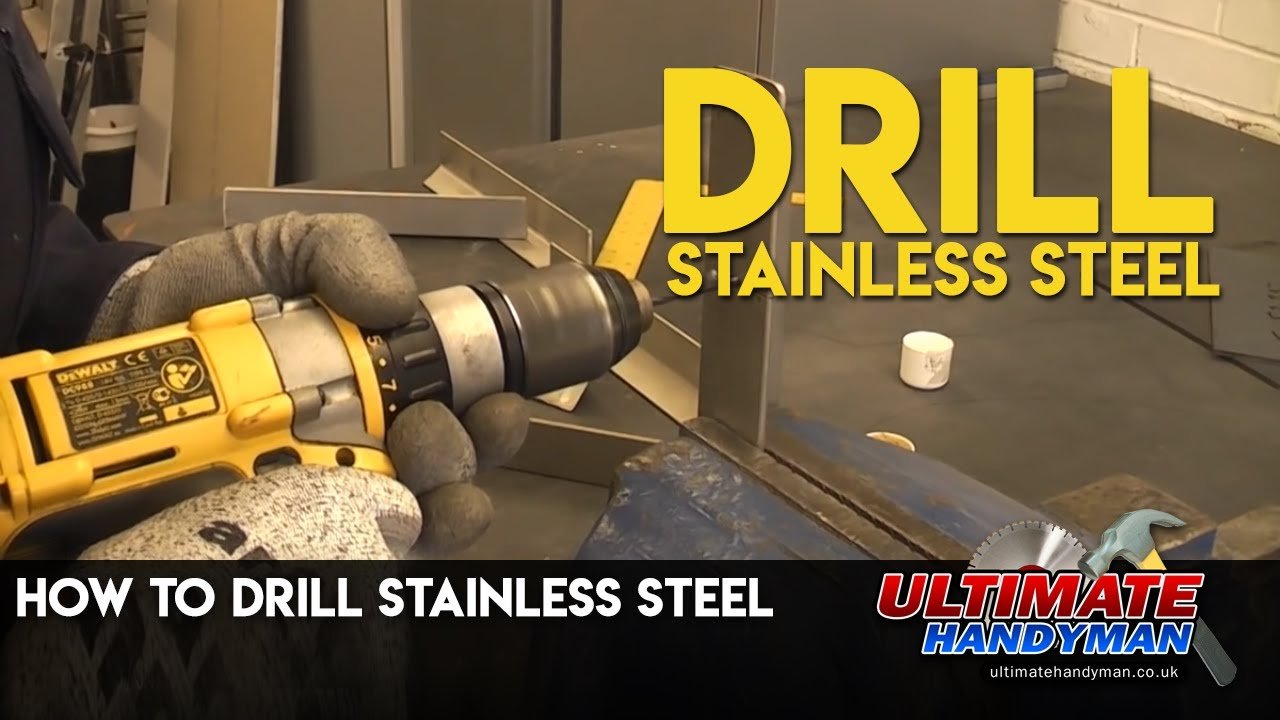
Drilling through stainless steel can feel like a daunting task, especially if you’re not armed with the right knowledge and tools. You’ve probably heard horror stories about ruined drill bits and frustrating hours spent without making much progress.
But what if there was a way to make this process smooth and efficient? Imagine having the confidence to drill through stainless steel like a pro, without the hassle or headache. In this guide, you’ll discover the best techniques, tools, and tips that will transform your approach, saving you time and energy.
Stay with us as we unravel the secrets to mastering stainless steel drilling, ensuring you’re equipped for success every time. Your next project might just become your easiest yet.
Choosing The Right Drill Bit
Selecting the right drill bit for stainless steel requires precision. High-speed steel bits work best for clean cuts. Applying steady pressure helps prevent overheating and damage.
When drilling through stainless steel, selecting the right drill bit is crucial. Without the correct tool, you risk damaging both your drill and the material. But with so many options available, how do you know which bit is right? Let’s dive into the key considerations to ensure you make the best choice.Material Considerations
Stainless steel is tough and resistant to wear. This makes it essential to choose a drill bit made from a material capable of withstanding high pressure and heat. High-speed steel (HSS) bits are a popular choice. They’re durable and can handle the demands of stainless steel. However, for even better performance, consider cobalt drill bits. These bits have a cobalt alloy which offers increased strength and heat resistance.Size And Type Options
The size and type of the drill bit matter just as much as the material. Are you drilling a small pilot hole or a larger one for a bolt? The size you choose will impact the precision and ease of your task. Twist drill bits are the most common type and suitable for most applications. However, step drill bits offer versatility, allowing you to drill different size holes with a single bit. Have you ever started drilling only to realize your bit isn’t suitable? It’s a common mistake that can be avoided with careful planning. Consider making a list of your project requirements before heading to the store. This ensures you pick the right bit the first time around.
Credit: www.metals4u.co.uk
Prepping The Stainless Steel Surface
Preparing the surface of stainless steel ensures a smooth drilling process. Clean the area to remove dirt and grease. Mark the spot with a center punch to guide the drill bit.
Drilling through stainless steel can seem daunting due to its hardness and durability. But, with the right preparation, the task becomes much more manageable. Prepping the surface is a crucial first step that sets the stage for a successful drilling process. It involves cleaning, marking, and measuring, ensuring precision and ease throughout the task.Cleaning Techniques
Before you begin drilling, make sure the stainless steel is clean. Dust, oil, or other residues can interfere with the process and affect the final result. Use a degreaser or mild detergent to wipe the surface. Rinse with water and dry thoroughly using a lint-free cloth. This guarantees that there are no particles that might cause the drill to slip or lead to inaccurate drilling.Marking And Measuring
Precision is key when drilling through stainless steel. Start by marking the exact spot where you want to drill using a marker or pencil. This ensures that you hit the right spot, minimizing errors. Utilize a ruler or measuring tape to confirm the exact placement. Double-checking your measurements can save time and prevent mistakes. Have you ever marked the wrong spot by mistake? It’s frustrating, right? Careful measuring and marking will prevent those annoying mishaps and ensure your project runs smoothly. Once your surface is prepped, you’re ready to move on to drilling with confidence and precision. Is your surface ready for drilling, or do you need to refine your prep techniques?Drilling Technique Essentials
Drilling through stainless steel requires precision and patience. It’s a tough material that demands specific techniques for successful drilling. Understanding the essentials can make the process smoother and more efficient. This section covers key aspects of drilling technique essentials.
Speed And Pressure Control
Controlling speed is crucial when drilling stainless steel. High speeds generate heat, which can damage the drill bit. Lower speeds help maintain control and prevent overheating. Pressure control is equally important. Too much pressure can cause the bit to slip or break. A steady, moderate pressure ensures the drill bit penetrates smoothly.
Cooling Methods
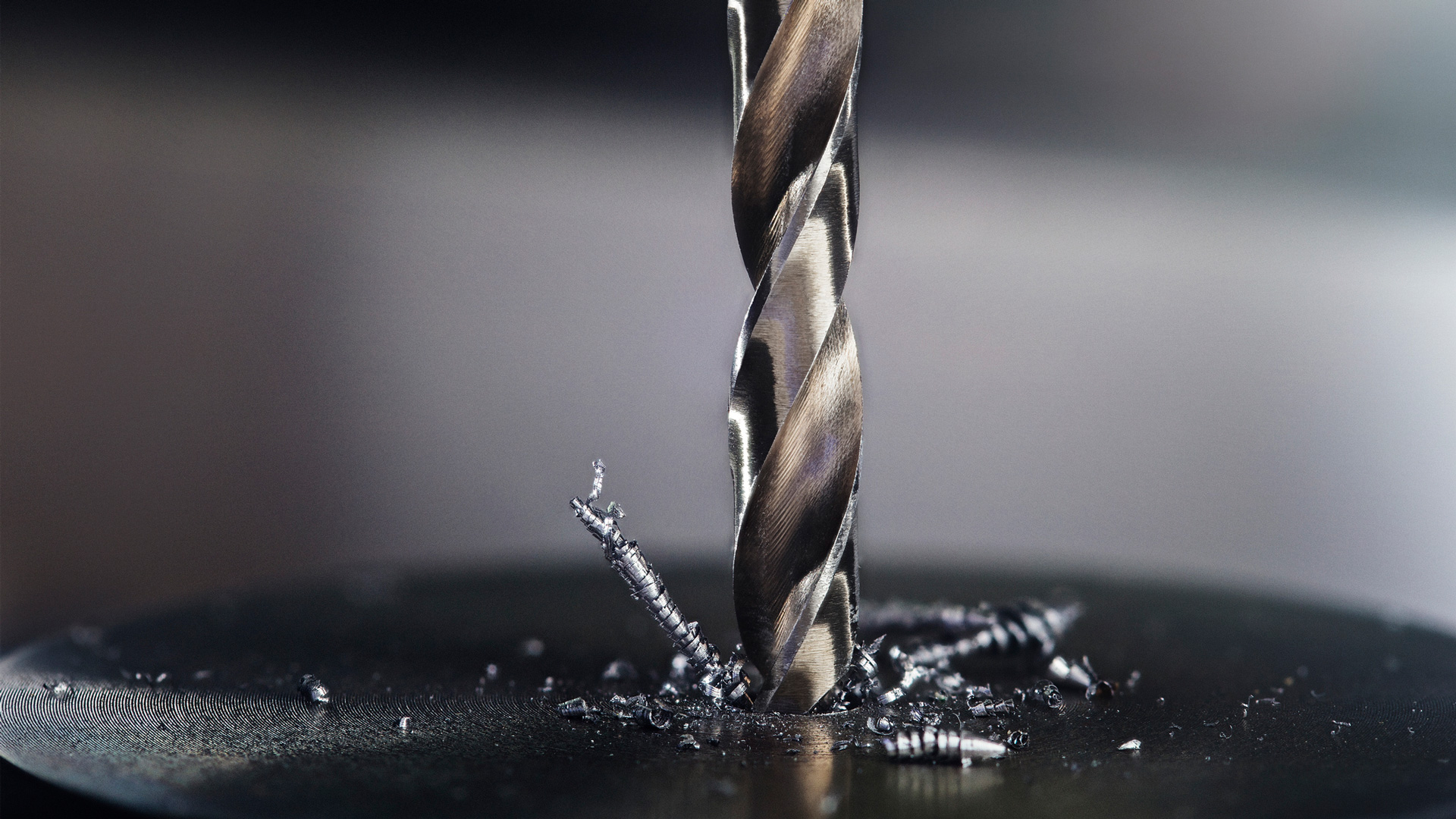
Cooling prevents overheating and extends the life of the drill bit. Using cutting fluid is an effective cooling method. It reduces friction and dissipates heat. Applying it directly to the drilling area keeps the temperature down. Regular pauses during drilling also help manage heat. This allows the bit to cool naturally and reduces wear.
Credit: rdbarrett.co.uk
Safety Measures
Drilling through stainless steel requires careful attention to safety measures. Stainless steel is tough and can be hazardous if not handled properly. Proper safety practices prevent accidents and ensure successful drilling. Here are key safety measures to consider.
Protective Gear
Wearing protective gear is essential. Goggles shield your eyes from flying debris. Steel can produce sharp, hot particles during drilling. Gloves protect your hands from cuts and burns. Ensure gloves fit well for better control. Ear protection is vital. Drilling can be noisy, risking hearing damage.
Work Area Setup
Setting up the work area correctly is crucial. Ensure the area is well-lit. Good lighting helps you see the drilling surface clearly. Secure the stainless steel piece firmly. A stable surface reduces movement and prevents errors. Keep the area clean and free of clutter. A tidy workspace reduces the risk of tripping or accidents.
Common Mistakes To Avoid
Drilling through stainless steel can be tricky. Using the wrong drill bit or speed can damage the material. Applying too much pressure or not using lubrication can cause overheating and dull the drill bit quickly.
Drilling through stainless steel can be a daunting task, especially if you’re not familiar with the challenges involved. It’s easy to make mistakes that can damage your tools, ruin your project, or even cause injury. Knowing what to avoid can save you time, money, and frustration. Let’s dive into some common mistakes and how you can steer clear of them for a smooth drilling experience.Bit Overheating
One of the most common mistakes when drilling through stainless steel is overheating the drill bit. Stainless steel is tough, and the friction can quickly heat up your bit. When bits get too hot, they become dull and ineffective, making your task harder and potentially damaging your workpiece. To prevent overheating, use a slower drill speed and apply steady pressure. This helps dissipate heat more effectively. Consider using a bit specifically designed for metal. They tend to be more resilient under the heat stress that comes from drilling stainless steel. Have you ever noticed your drill bit turning colors? That’s a sign of overheating. Keeping an eye on this can help you adjust your technique before it’s too late.Incorrect Lubrication
Lubrication is crucial when drilling stainless steel, but using the wrong type or amount is a common mistake. Proper lubrication reduces friction and heat, making your drilling smoother and prolonging the life of your drill bit. Use cutting oil, not household oils or sprays. Cutting oil is designed for metalwork and provides the necessary cooling and lubrication. Apply it generously to both the drill bit and the material you’re working on. This ensures that the bit can glide through the steel without unnecessary resistance. Have you ever tried drilling without lubrication and felt the drill bit seize? It’s a frustrating experience that can ruin your day. Proper lubrication is your best friend in avoiding this. Remember, drilling stainless steel is not just about brute force. It’s about understanding the material and working smarter, not harder. Are you ready to tackle your next project with these tips in mind?Maintaining Drill Bits
Drilling through stainless steel requires precision and the right tools. Use a sharp cobalt drill bit for best results. Apply steady pressure and keep the drill bit cool with cutting oil to prevent overheating.
Maintaining your drill bits when working with stainless steel is crucial for achieving clean and efficient results. If you’ve ever struggled with a dull drill bit, you know the importance of proper maintenance. Keeping your drill bits in top condition not only enhances their performance but also extends their lifespan. Let’s explore practical ways to ensure your drill bits are always ready for action.Cleaning And Storage
After each drilling session, clean your drill bits thoroughly. Tiny metal shavings can cling to the bits, causing them to dull faster. Use a soft brush or cloth to wipe off debris and dirt. Once cleaned, store your bits in a dry place. Moisture can lead to rust, which can ruin even the best drill bits. Consider using a tool organizer or dedicated drill bit case to keep them safe and organized.Sharpening Tips
Dull drill bits make drilling through stainless steel a nightmare. Regular sharpening is key. Invest in a quality drill bit sharpener or use a bench grinder if you have experience. Sharpening might seem daunting, but with practice, it becomes second nature. A sharp bit cuts cleaner and faster, reducing the effort needed and minimizing heat buildup. Have you noticed how a sharp bit glides through material like butter? Remember, maintaining your drill bits is not just about prolonging their life; it’s about making your work easier and more efficient. Proper care and maintenance save you time, energy, and frustration. Next time you finish drilling, take a moment to clean and store your bits correctly. Your future self will thank you!Expert Advice
Drilling through stainless steel can seem daunting. Yet, with the right tips, it’s manageable. Experts suggest using the proper tools and techniques. This ensures a smooth, efficient process. Mistakes can damage your tools or workpiece. Therefore, expert guidance is crucial for success.
Recommended Brands
Choosing the right brand is essential. Experts often recommend DeWalt for durability. Bosch is another popular choice. Both offer high-quality drill bits. They’re built to handle tough materials like stainless steel. Additionally, Irwin is noted for its precision. These brands offer reliable performance. They help achieve the best results.
Innovative Tools
Modern tools make drilling easier. Cobalt drill bits are favored for stainless steel. They can withstand high temperatures. Diamond-coated bits offer another option. They provide extra strength and longevity. Some prefer using a drill press. It offers better control and precision. Lubricants like cutting oil are also beneficial. They reduce friction and heat, enhancing tool life.

Credit: www.youtube.com
Frequently Asked Questions
What Type Of Drill Bit Is Best For Stainless Steel?
Cobalt drill bits are ideal for stainless steel. They resist heat and maintain sharpness, ensuring efficient drilling. Choose high-speed steel (HSS) drill bits with a cobalt blend for durability. Proper lubrication enhances performance and prevents overheating. Use slow speeds for precise drilling and longevity of the drill bit.
Is It Better To Drill Stainless Steel Fast Or Slow?
Drill stainless steel slowly for better control and precision. Use lower speed to prevent heat buildup and reduce tool wear. Applying steady pressure ensures clean cuts and prolongs drill bit life. Proper lubrication also aids the drilling process.
Do You Need A Special Drill Bit To Drill Into Stainless Steel?
Yes, you need a special drill bit for stainless steel. Use cobalt or titanium-coated bits. These are designed for hard metals, ensuring efficient drilling and durability. Regular bits might not penetrate effectively and can wear out quickly. Always use lubrication to reduce friction and heat during drilling.
Why Is It Hard To Drill Through Stainless Steel?
Stainless steel is hard to drill due to its toughness and high alloy content. It generates heat quickly, dulling drill bits. The material’s elasticity causes drill bits to slip, making precision challenging. Use slow speeds, sharp bits, and lubrication to ease drilling.
Conclusion
Drilling through stainless steel requires patience and precision. Start with a sharp drill bit. Use the right speed for the best results. Apply lubricant to reduce heat and friction. Maintain steady pressure without forcing the drill. Always wear safety gear to protect yourself.
With careful steps, you achieve clean, smooth holes. Practice and the right tools make the process easier. Remember, preparation is key for successful drilling. Stainless steel can be tough, but not impossible. Follow these tips, and your project will be a success.
