
You've tried the vinegar and baking soda trick. It fizzes impressively, then leaves you with a stovetop that's still greasy. Learning how to make degreaser at home that actually works means understanding why that bubbling reaction does nothing for kitchen grease.
The pH scale measures acidity and alkalinity from 0 to 14. Effective degreasers need a pH above 10 to break down grease through a process called saponification. Most common pantry ingredients fall well short of that threshold.
Let's look at what actually works and why.
The Problem: Why Most Homemade Degreasers Don't Work
The biggest offender is the vinegar and baking soda combo. When you mix an acid (vinegar, pH 2.5) with a weak base (baking soda, pH 8.5), they neutralize each other into water and salt. The fizzing looks active, but it's just carbon dioxide gas escaping.
The result is salty water with no cleaning power.
Dish soap alone is a better degreaser than that mixture. But it still struggles with baked-on grease on oven racks and stovetop grates. The problem is that most people reach for the wrong ingredients or use the right ones the wrong way.
Our research shows three common failures: using the wrong pH for the job, not letting the solution sit long enough, and skipping the rinse step. If you've ever sprayed a DIY cleaner on a greasy surface and watched it bead up rather than dissolve, you've experienced this firsthand.
The fix is simple. Match the alkalinity of your cleaner to the severity of the grease. And know which surfaces can handle strong alkaline cleaners.
Quick Answer: Which Degreaser Do You Need Right Now?
Mix dish soap with hot water for light grease. Use washing soda for heavy buildup. Apply baking soda paste for burnt-on spots.
Avoid vinegar and baking soda together. Match the recipe to your surface.
How the Chemistry Actually Works (and Why It Matters)
Grease is a fatty acid. To break it down, you need an alkaline substance that can saponify it, turning the fat into a water-soluble soap. This is the same reaction used to make traditional soap from lye and animal fat.
The pH scale ranges from 0 (highly acidic) to 14 (highly alkaline). Pure water sits at 7, neutral. Here's where common household ingredients land:
| Ingredient | pH Level | Type | Grease-Cutting Power |
|---|---|---|---|
| White vinegar | 2.5 | Acid | Poor (good for descaling, not grease) |
| Lemon juice | 2.0 | Acid | Poor |
| Baking soda | 8.5 | Weak base | Low |
| Dish soap | 8 to 9 | Weak base | Moderate |
| Borax | 9.5 | Base | Moderate |
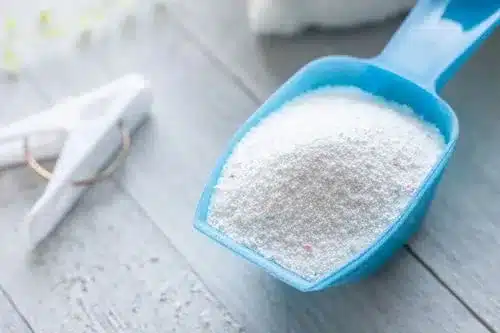
| Washing soda | 11 | Strong base | High |
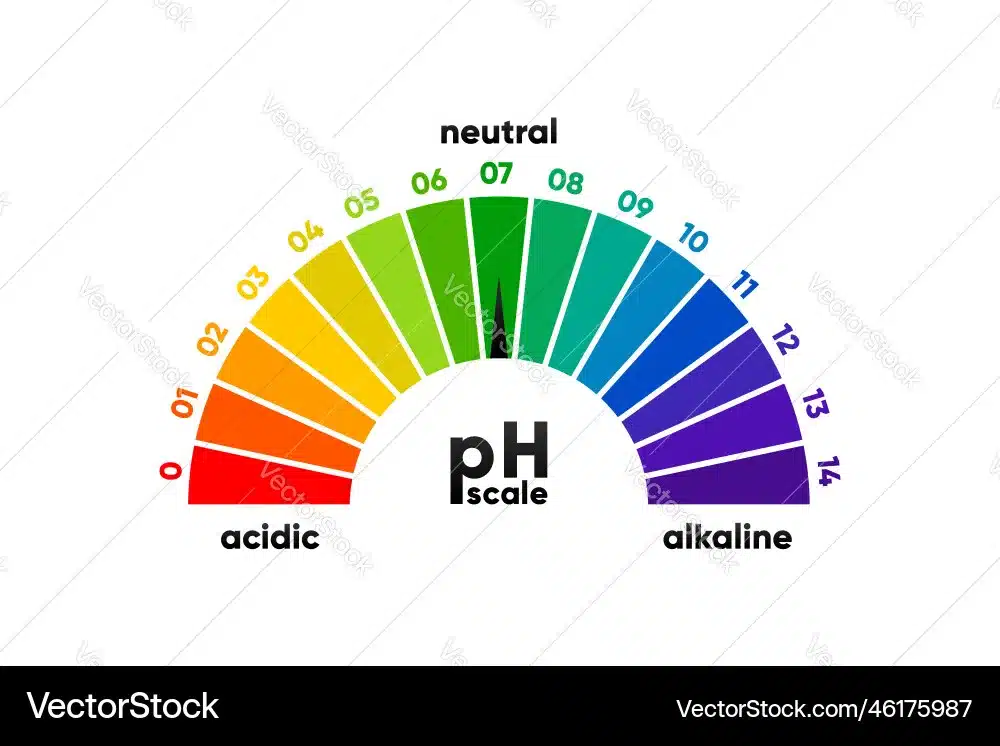
The key takeaway: grease requires a pH of 10 or higher to saponify effectively. That's why washing soda (pH 11) outperforms baking soda (pH 8.5) on heavy jobs. Vinegar, despite being a popular cleaning ingredient, is useless for cutting grease.
It is excellent for removing hard water deposits but won't touch greasy film.
The EPA's Safer Choice program recognizes that alkaline cleaners are effective for grease removal while being less toxic than solvent-based alternatives. This aligns with what we see in practice: alkaline solutions work without the harsh fumes of commercial degreasers.
The 3 Main Recipes: Ingredients, Ratios, and Prep
You only need three base recipes for 95 percent of kitchen grease situations. Each one targets a different level of grime.
The Mild All-Rounder: Dish Soap Spray
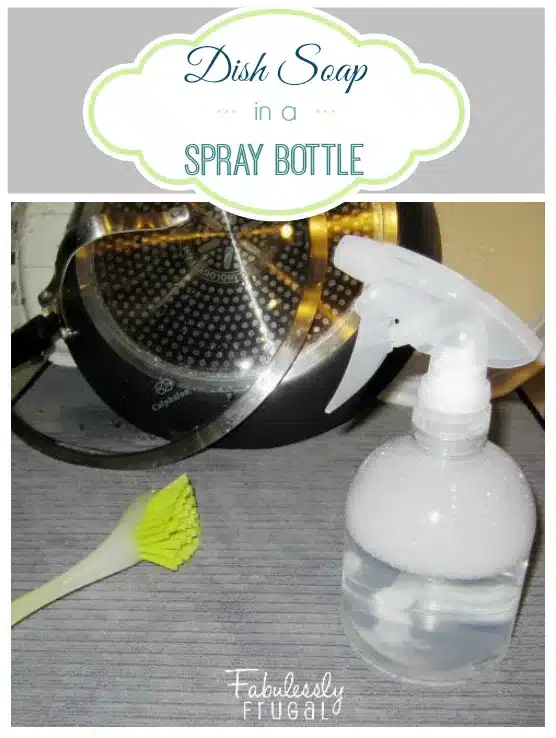
This is your daily driver. It's safe on almost every surface and costs pennies per batch.
Ingredients:
- 1.5 cups hot tap water
- 2 tablespoons plain dish soap
- 1 tablespoon rubbing alcohol or white vinegar (optional, helps drying)
Instructions:
- Add water to a clean spray bottle.
- Add dish soap. Swirl gently to mix without creating too much foam.
- Add alcohol or vinegar if using. Shake lightly.
- Label the bottle with contents and date.
Best for: Daily stovetop wipe-downs, painted cabinets, countertops, stainless steel, ceramic glass cooktops, and any surface where you can't risk damage.
Limitations: Won't cut through baked-on or oxidized grease. Needs more dwell time on heavy grime.
The Heavy Hitter: Washing Soda Blend
This is the closest you'll get to a commercial degreaser without synthetic chemicals. It strips months of buildup from oven racks and grill grates.
Ingredients:
- 2 cups hot water (as hot as your tap goes)
- 1/2 cup washing soda (sodium carbonate)
- 1/4 cup dish soap
Instructions:
- Dissolve washing soda in hot water first. Stir until fully dissolved.
- Add dish soap. Stir gently.
- Transfer to a spray bottle for surface cleaning, or pour into a container for soaking parts.
- Label clearly. This solution is strong and should not be mistaken for a mild cleaner.
Best for: Oven racks, stainless steel cooktop grates, grill grates, greasy stovetops, drip pans, and any heat-safe non-aluminum surface.
Warning: Wear gloves. This solution will strip the natural oils from your skin. Do not use on aluminum, painted surfaces, or self-cleaning oven liners.
The Spot Treater: Baking Soda Paste
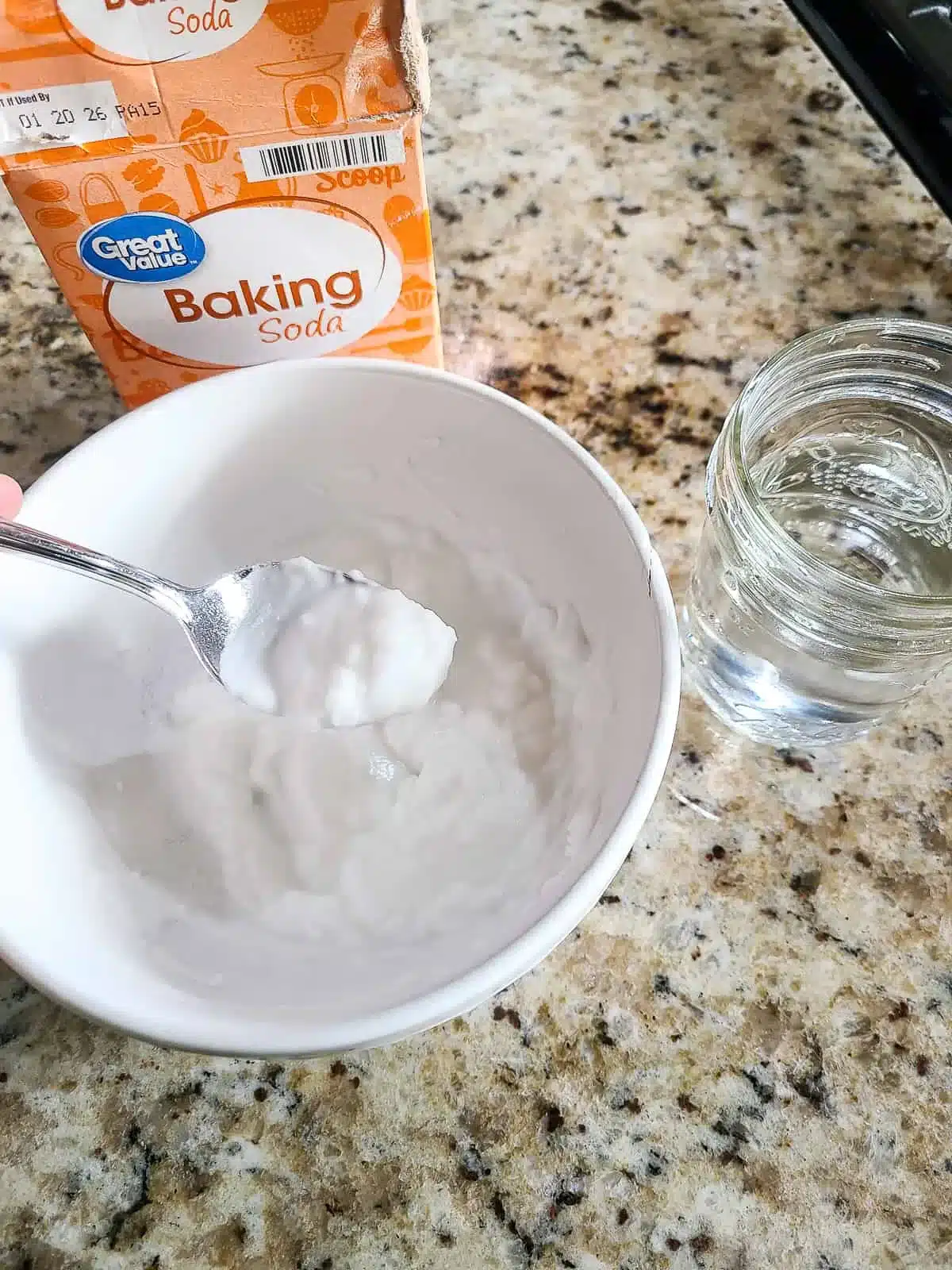
When you have a single spot of burnt-on food, a paste lets you target it directly.
Ingredients:
- 1/2 cup baking soda
- 2 tablespoons dish soap
- Warm water, added a teaspoon at a time
Instructions:
- Mix baking soda and dish soap in a small bowl.
- Add warm water slowly while stirring, until the mixture forms a thick paste (consistency of toothpaste).
- Apply to the affected area with a spatula or gloved finger.
- Let it sit for 15 to 30 minutes.
- Scrub with a non-scratch sponge or stiff brush. Rinse thoroughly.
Best for: Burnt-on food on enamel pans, greasy plastic lids, drip pans under stovetop burners, and crusty residue around the microwave cabinet.
Caution: Do not use on glass stovetops. Baking soda is abrasive enough to leave micro-scratches that will look cloudy over time. Use the dish soap spray on those surfaces.
The Decision Tree: Choose Your Recipe Based on 3 Questions
Answer these three questions to find your match.
Question 1: What Surface Are You Cleaning?
Aluminum? Use dish soap and water only. Do not use washing soda or strong alkaline mixes. They will react with aluminum and cause black pitting.
Glass or ceramic stovetop? Use dish soap spray. Do not use baking soda paste, which can scratch the surface. Do not use washing soda blend, which can leave a white film.
Painted cabinets or laminate countertops? Use dish soap spray. Washing soda will strip the paint or finish.
Stainless steel? Any of the three recipes work. For daily maintenance, use dish soap spray. For heavy buildup, use washing soda blend.
Rinse thoroughly to avoid water spots.
Cast iron? Dish soap and a stiff brush only. Washing soda can strip the seasoning. Baking soda paste is too abrasive.
Oven racks (bare metal)? Washing soda blend is the best choice. Soak the racks in a garbage bag with the solution overnight.
Question 2: How Heavy Is the Grease?
Light grease, daily maintenance. Use the dish soap spray. Spray on, let sit for 30 seconds, wipe off.
Medium grease, weekly cleanup. Use the dish soap spray with a longer dwell time (2 to 3 minutes) or use the washing soda blend for faster results.
Heavy baked-on grease, months of buildup. Use the washing soda blend with a longer soak time (4 to 12 hours). For burnt-on food spots, use the baking soda paste.
Question 3: What Do You Have on Hand?
Dish soap only. You can make the dish soap spray. It's adequate for daily maintenance. For heavier jobs, buy washing soda or baking soda.
Both cost under $5 per box and last for months.
Baking soda only. You can make the baking soda paste by mixing it with water and a small amount of dish soap if you have it. The paste works well for spot treatments.
Washing soda only. You can make the heavy-duty blend, but it works best with dish soap. The dish soap acts as a surfactant, helping the solution spread and lift grease.
Nothing but vinegar. You cannot make an effective degreaser with vinegar alone. Use it for descaling your coffee maker or removing hard water stains, but not for kitchen grease.
Surface-Specific Guide: What Works and What Ruins It
| Surface | Safe Recipe | Avoid |
|---|---|---|
| Stainless steel | Dish soap spray or washing soda blend | Abrasive pads, chlorine bleach |
| Aluminum | Dish soap only | Washing soda, baking soda paste, strong alkaline mixes |
| Glass stovetop | Dish soap spray | Baking soda paste, any abrasive scrub |
| Ceramic cooktop | Dish soap spray | Baking soda paste, scouring pads |
| Painted cabinets | Dish soap spray | Washing soda, vinegar (can strip finish) |
| Laminate countertops | Dish soap spray | Washing soda, vinegar |
| Cast iron | Dish soap and stiff brush | Washing soda, baking soda paste |
| Enamel cookware | Dish soap spray or baking soda paste | Washing soda, metal scrubbers |
| Oven racks (bare metal) | Washing soda blend | Self-cleaning oven cycle (can damage) |
| Self-cleaning oven liner | Dish soap spray only | Washing soda, oven cleaner, soaking |
If you have a glass stovetop, our detailed guide on how to clean a flat top stove covers the best techniques. For electric coil stoves, the same principles apply in our article on how to clean an electric stove top.
Washing soda is the most aggressive recipe here. It works wonders on stainless steel and bare metal, but it will damage aluminum, painted surfaces, and glass. When in doubt, start with the dish soap spray.
Real Scenarios: 15 Common Jobs Matched to the Right Recipe
| Job / Surface | Best Recipe | Why |
|---|---|---|
| Daily stovetop wipe-down | Dish soap spray | Gentle, safe, no residue |
| Greasy stainless steel cooktop | Dish soap spray or washing soda blend | Washing soda for heavy buildup |
| Oven racks, baked-on grease | Washing soda blend soak | Overnight soak saponifies grease |
| Oven interior walls | Washing soda blend spray | 15 minute dwell, then scrub |
| Aluminum pots and pans | Dish soap only | Strong alkalines cause pitting |
| Burnt-on food, enamel pans | Baking soda paste | Spot treatment, 15 minute dwell |
| Greasy plastic lids | Baking soda paste | Mild abrasive, won't scratch |
| Microwave interior | Dish soap spray | Safe, quick, no fumes |
| Painted kitchen cabinets | Dish soap spray | Washing soda strips paint |
| Laminate or granite countertops | Dish soap spray | Safe for all sealed surfaces |
| Grill grates, stainless steel | Washing soda blend soak | 4 to 6 hour soak, then scrub |
| Cast iron cookware | Dish soap and stiff brush | Avoid abrasive and high pH |
| Concrete garage floor, oil stains | Washing soda blend | Pour on, scrub, rinse |
| Stainless steel sink | Dish soap spray | Streak-free if wiped dry |
| Greasy exhaust fan filter | Washing soda blend soak | 30 minute soak, rinse well |
For a deeper clean on your dishwasher, our guide on how to clean a dishwasher filter walks you through the process step by step.
Mistakes That Will Ruin Your Cookware (or Your Time)
Mixing vinegar and baking soda. They neutralize each other. You get salt water and a fun fizz. You don't get a degreaser.
Using washing soda on aluminum. This causes an immediate chemical reaction. The aluminum darkens and pits. The damage is permanent.
Scrubbing glass stovetops with baking soda paste. Baking soda leaves micro-scratches. Over time, the surface becomes cloudy. Use the dish soap spray and a microfiber cloth instead.
Letting the solution dry on the surface. Alkaline cleaners leave a white film if they dry without rinsing. Always rinse with clean water after using the washing soda blend or baking soda paste.
Skipping the dwell time. Degreasers need time to work. Spraying and wiping immediately does nothing for baked-on grease. Let the solution sit for at least 5 minutes.
Using too much dish soap. More soap does not mean more cleaning power. Excess soap leaves a sticky residue that attracts more grease. Stick to the ratios in the recipes.
Pro Tips: Getting Better Results Without Scrubbing Harder
Heat the surface first. Warm grease is easier to remove than cold grease. If the surface is safe to heat, warm it slightly before applying the degreaser. Do not heat glass stovetops.
Use a garbage bag for oven racks. Place the racks in a heavy-duty trash bag. Pour in the washing soda blend. Tie the bag shut and let it sit overnight.
Rinse with a hose the next morning.
Pre-treat stubborn spots. For burnt-on food, apply the baking soda paste and cover it with plastic wrap. This keeps the paste from drying out. Let it sit for 30 minutes before scrubbing.
Rinse with diluted vinegar. A final rinse of 1 tablespoon vinegar per cup of water removes any alkaline residue. This leaves surfaces streak-free, especially on glass and stainless steel.
Keep a dedicated spray bottle. Label one bottle for the dish soap spray and keep it under the sink. Having it ready means you will reach for it instead of a store-bought cleaner. For the best results, pair it with other quality tools from our roundup of the best tools for cleaning kitchen.
Storage, Shelf Life, and When to Toss a Batch
| Recipe | Shelf Life | Storage Notes |
|---|---|---|
| Dish soap spray | 2 to 4 weeks | Room temperature, away from direct sunlight |
| Washing soda blend | 1 to 2 weeks | Refrigerate if storing longer; shake before use |
| Baking soda paste | 1 month in sealed container | Can dry out; add water to rehydrate |
Signs it's time to toss: cloudy appearance, mold growth, foul odor, or separation that doesn't remix. When in doubt, make a fresh batch. The ingredients cost pennies, so there is no reason to risk a bad batch.
Store all solutions in labeled bottles. Keep them out of reach of children and pets. Do not mix old batches with new ones.
Wash the spray bottle between batches.
Safety First: What You Need to Know About Alkaline Cleaners
Washing soda is a strong alkali. It can irritate your skin and eyes. Always wear rubber gloves when handling the washing soda blend.
Avoid inhaling the powder when mixing. Pour it slowly and keep your face away from the container. Work in a well-ventilated area.
Keep all homemade cleaners out of reach of children and pets. Label every bottle clearly with its contents. Never store them in unmarked containers or food bottles.
If you get the solution in your eyes, flush with clean water for at least 15 minutes. Seek medical attention if irritation persists.
The Bottom Line: Which Recipes to Keep in Your Kitchen
You only need two recipes for daily kitchen cleaning. Keep the dish soap spray under your sink for quick wipe-downs. Keep a box of washing soda in your pantry for deep cleaning sessions.
The baking soda paste is optional. It is useful for burnt-on food spots on enamel pans and plastic lids. But for most kitchens, the dish soap spray and the washing soda blend cover everything.
For routine maintenance, use the dish soap spray. For heavy grease on oven racks and grill grates, use the washing soda blend. For aluminum, stick to dish soap and water.
That simple system costs less than $10 and handles 95 percent of kitchen grease.
Frequently Asked Questions
Can I use vinegar to cut grease?
No. Vinegar is an acid with a pH of 2.5. It is excellent for removing hard water deposits but ineffective against grease.
Use an alkaline cleaner like washing soda or dish soap for grease.
Is baking soda and vinegar a good degreaser?
No. They neutralize each other into water and salt. The fizzing is carbon dioxide gas, not cleaning action.
You end up with a solution that has no degreasing power.
How long should I let the degreaser sit?
For light grease, 30 seconds is enough. For medium buildup, let it sit 2 to 5 minutes. For baked-on grease, 15 to 30 minutes or an overnight soak works best.
Can I use washing soda on aluminum?
No. Washing soda reacts with aluminum, causing dark pitting and permanent damage. Use dish soap and water for aluminum cookware and surfaces.
How do I store homemade degreaser?
Store in a labeled spray bottle at room temperature. Keep away from direct sunlight. Discard after 2 to 4 weeks or when the solution looks cloudy or smells off.
Is homemade degreaser as effective as store-bought?
For heavy grease, the washing soda blend matches commercial degreasers. The dish soap spray is better for daily maintenance because it is gentler on surfaces. Both cost significantly less than store-bought options.
