
If you want a quick fix for how to clean electric stove top, start by identifying the surface and the type of spill. That choice sets the tools, cleaners, and safety steps you must follow.
Manufacturer specifications indicate glass-ceramic top replacement costs range from $300 to $1,000 as of 2026, depending on model and labor. Aggregate owner manuals recommend avoiding harsh abrasives on glass surfaces. Below is a practical path to the right method for your exact cooktop and spill.
Quick Answer
How to clean electric stove top depends on cooktop type.
Coil ranges, remove elements and soak drip pans.
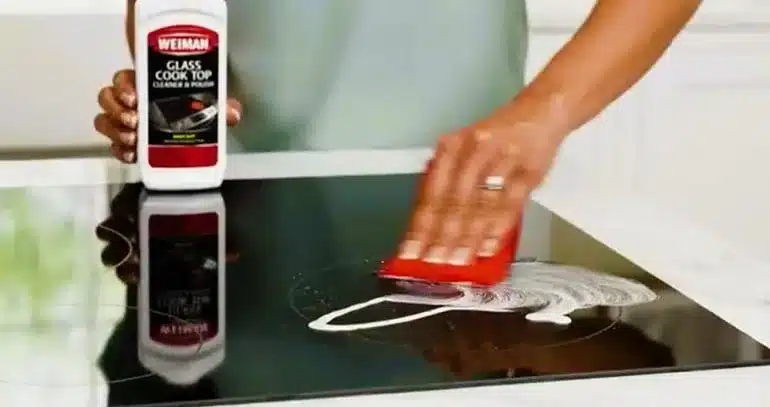
Glass-ceramic tops, use baking soda and a razor scraper.
Call a technician for sparking, cracks, or water in sockets.
Problem / Pain Points: common messes and risks (burnt sugar, melted plastic, rust, scratches)
People ask about two things, the mess and the risk. Common messes include boiled-over milk, spilled sugar, melted plastic, greasy splatters, and rusted drip pans. Each can become permanent if you use the wrong method.
Burnt sugar and melted plastic can pit or etch glass-ceramic when exposed to high heat. Manufacturer care instructions and repair data show those pits often require part replacement. Scratches from abrasive pads are another major complaint, because they collect grime and make future cleaning harder.
Watch for electrical risks when water reaches sockets or connectors. The Consumer Product Safety Commission lists appliance electrical hazards and steps for shutdown and reporting, consult their guidance at https://www.cpsc.gov. If you see sparks, stop and power off.
If grease extends to nearby cabinets, techniques for removing cabinet grease apply to surrounding finishes too. Use a targeted cabinet-cleaning method to avoid transferring residue back onto the cooktop: removing cabinet grease.
Identify your cooktop: coil vs smooth glass-ceramic vs sealed radiant vs induction
Match the method to the surface. If you pick the wrong path you can crack glass or short an element. Identify three things quickly.
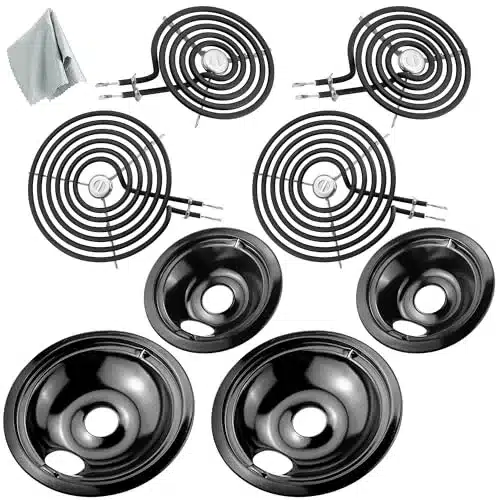
First, look at the surface. Removable coils show plug prongs and a separate drip pan. Smooth glass-ceramic and induction appear as a single glossy surface.
Sealed radiant has metal rings or a raised cover and does not lift out.
Second, check removability. If elements lift out with a gentle wiggle, they are removable. If nothing lifts and the element is behind a cover, treat it as sealed.
Third, test for induction with a refrigerator magnet on cold cookware. If the magnet sticks firmly, the pan is magnetic and the cooktop may be induction. Do not test on a hot surface.
The image below shows a typical coil and drip pan to help recognition.
If you find enamel or stainless trim, those areas tolerate stronger cleaners. Still treat any glass center gently. For tips on matching metals and trim, see guidance on stainless gauge for kitchen fixtures: stainless gauge guidance.
Stop and call for help if you see cracks, spiderweb fractures, or evidence of electrical arcing.
Decision flow: choose the safe cleaning path (cooldown, type, mess, action)
If the surface is hot, wait until it is fully cool. If you see smoke or flame, extinguish it and ventilate the room. Use this short decision flow while you work.
- Is the surface cool and controls OFF?
, If no, wait. Do not clean a hot surface.
, If yes, continue.
- Which cooktop type do you have?
, Removable coil with drip pans, follow the coil path.
, Smooth glass-ceramic or induction, follow the glass path.
, Sealed radiant, follow the sealed path.
- What is the mess?
, Fresh spill or light grease, do a quick clean.
, Baked-on food, caramel, or sugar, use a deep clean and scraping only where safe.
, Melted plastic, follow the melted plastic special steps.
- If you see electrical damage or water in sockets, stop and power off. Call a technician.
Common errors include scraping coil ranges with a razor, and flooding sealed wells with water. Razor scrapers are for glass-ceramic only. Sealed wells trap liquid and cause arcing.
When unsure, treat the element as sealed and use surface cleaners only.
Grease buildup increases fire risk. The National Fire Protection Association offers kitchen fire safety guidance at https://www.nfpa.org. If your range smokes repeatedly, stop using it and have it inspected.
Tools, cleaners, and what each is best for
Choose tools that match the surface. Wrong tools cause scratches, pits, and electrical trouble. Use the table below for quick choices.
| Tool or cleaner | Best for | Why use it |
|---|---|---|
| Microfiber cloth | Daily wipe, final buff | Non-scratch, lifts grease and streaks |
| Dish soap and hot water | Light grease, daily cleaning | Gentle degreasing |
| Baking soda paste | Baked-on food on glass or pans | Mild abrasive, non-toxic |
| White vinegar spray | Mineral spots and light grease | Degreases, rinses clear |
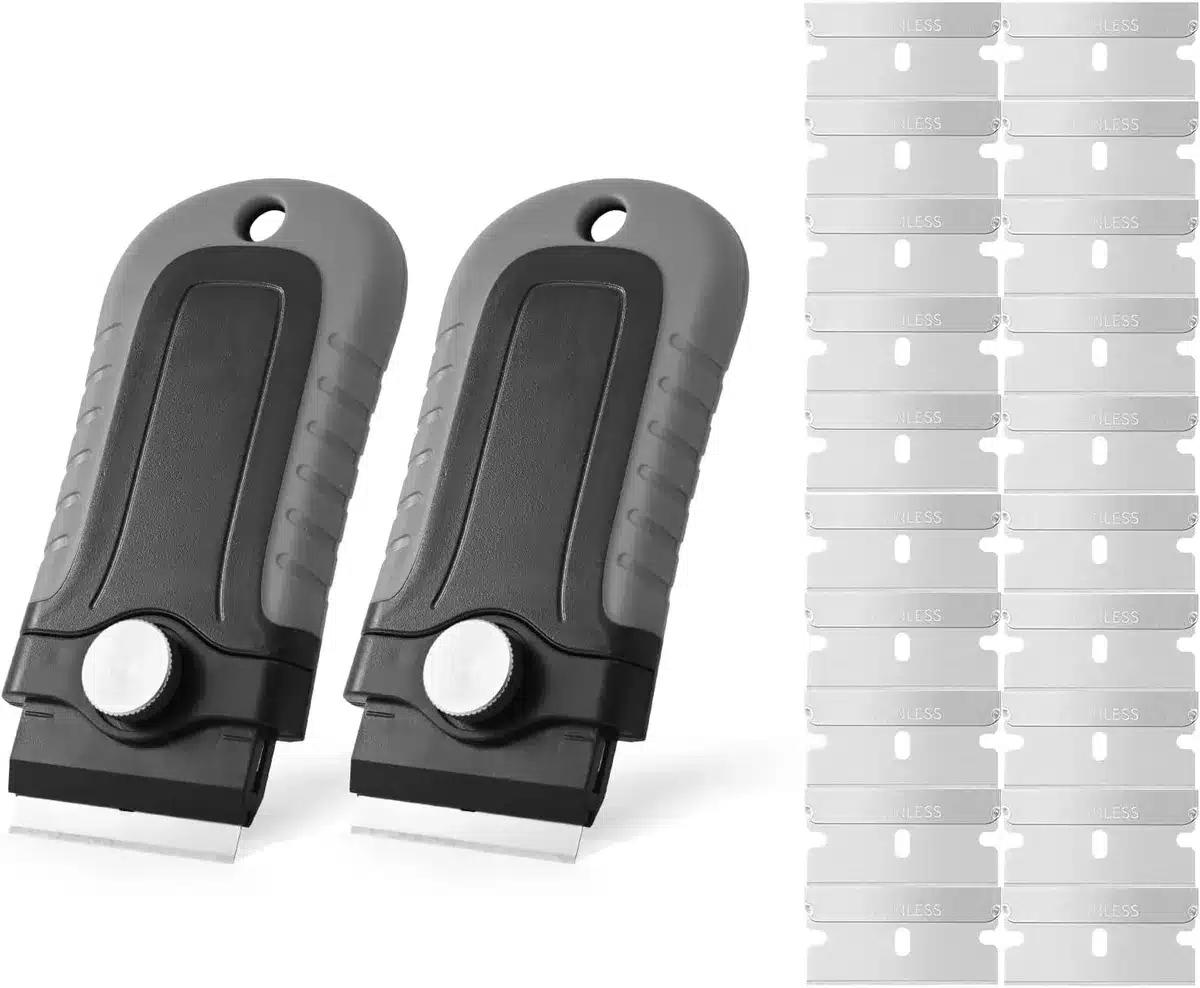
| Single-edge razor scraper | Glass-ceramic burnt-on deposits | Shaves hardened residue when flat |
| Nylon scrub pad | Drip pans, enamel, stainless | Removes grime without metal scratch |
| Rubber gloves | Protection | Chemical and heat protection |
| Isopropyl alcohol | Adhesive and grease spots | Evaporates quickly, leaves no film |
Place the razor scraper image here for technique reference.
Notes on cleaner compatibility
Do not use oven cleaner on glass-ceramic. It can haze or etch the surface. Avoid abrasive powders and metal scouring pads on glass and enamel.
Manufacturer care instructions override generic methods, so check your manual before aggressive cleaning.
Isopropyl alcohol works well for stickers on trim. Vinegar mixes of one part vinegar to one part water remove mineral film and rinse clear. Baking soda paste is three parts baking soda to one part water for persistent stains.
For cookware choices that reduce surface stress, flat-bottom pans help prevent hotspots on induction and glass tops: flat-bottom cookware guidance.
Step-by-step cleaning workflows by cooktop type
Coil burners and removable drip pans, quick clean
- Turn controls off and allow full cooldown.
- Lift each coil straight up and out, do not force or twist.
- Wipe element prongs with a barely damp microfiber cloth. Let prongs dry 24 hours or use low warm air.
- Wash drip pans with hot, soapy water, rinse, and dry before reinstalling.
Coil burners and removable drip pans, deep clean
- Remove coils and pans, then make a baking soda paste for the pans.
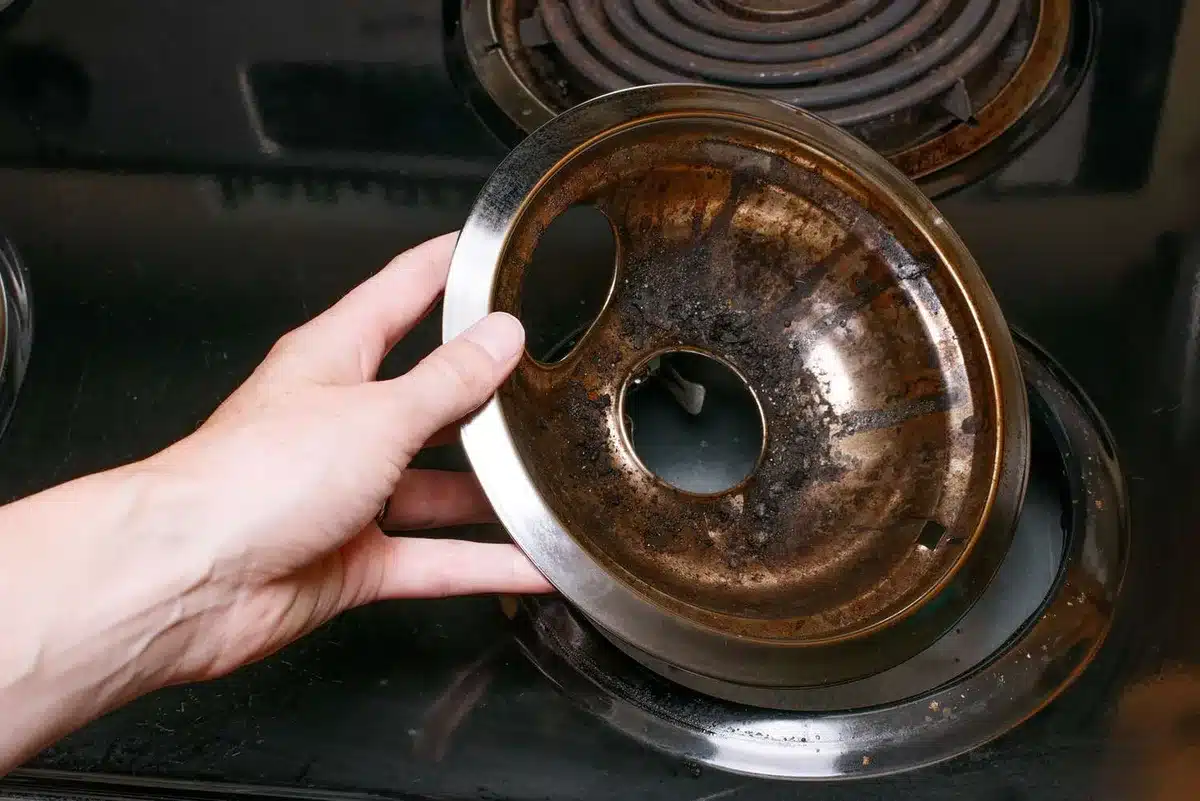
- Spread paste and let it sit 20 to 30 minutes, then scrub with a nylon pad. For stubborn grease, spray with vinegar and scrub again.
- Replace pans that are heavily corroded or warped.
- Re-seat coils only when pans and prongs are completely dry, then test on low power.
Smooth glass-ceramic and induction tops, daily care
- Wait until the surface is fully cool. Wiping while warm risks smearing residue.
- Wipe with a microfiber cloth and a few drops of dish soap, rinse with a damp cloth, then buff dry.
- Mist a 1:1 vinegar and water solution for mineral spots and dry immediately.
Smooth glass-ceramic and induction tops, baked-on residue
- Apply baking soda paste or sprinkle baking soda on the cool stain. Let sit 10 to 20 minutes.
- Use a non-scratch pad to work gently in circular motions.
- If residue resists, hold a single-edge razor blade at roughly 20 to 30 degrees and shave in short strokes.
- Remove residue, rinse well, and finish with a glass-ceramic polish.
Sealed radiant elements, safe surface cleaning
- Cool the cooktop fully, wipe the surface with mild detergent and water. Avoid puddling around sealed wells.
- Apply baking soda paste to stubborn spots around well perimeters only. Wipe without saturating the seal.
- Stop and schedule service if the seal is cracked or corroded.
Special-removal workflow, melted plastic and burnt sugar
- Cool the plastic until solid. Use a plastic scraper to lift chunks. A cold pack can harden softer spots first.
- Use a razor scraper only on glass-ceramic, shaving off plastic in thin layers. Work slowly and check for scratches.
- Caramelized sugar often needs mechanical removal. If pits remain after scraping, consult a repair technician because pits may be permanent.
Practical timing and safety
- Soak times: pans 20 to 30 minutes, heavy poultices up to several hours.
- Drying: allow 24 hours for element prongs after moisture exposure or use low warm air.
- If you see arcing after cleaning, switch off power and call an appliance technician.
Mistakes to avoid (that permanently damage cooktops)
Using metal scouring pads on glass or enamel scratches and dulls the finish. Those scratches trap grime and make future cleaning harder. Use only nylon pads on enamel and non-scratch pads on glass.
Scraping while the surface is hot risks thermal shock and glass cracking. Always let the surface cool fully. If residue is soft, chill it with ice until it hardens, then scrape.
Pouring cold water onto a hot glass top can fracture the glass. Manufacturer instructions warn against abrupt temperature changes. Wipe with a damp cloth after cooling instead.
Soaking sealed wells or flooding sockets risks electrical shorting. Never pour water into seams or sockets. If a spill reached inside a socket, cut power and have a technician inspect the appliance.
Using oven cleaner or strong acids on glass, enamel, or stainless trim creates hazes or removes protective coatings. Stick to mild detergents, baking soda, vinegar, or manufacturer-approved ceramic cleaners.
Replace parts if fit or function is compromised. Warped drip pans and bent elements reduce heat transfer and cause hotspots.
Safety checklist and when to isolate power or call a professional
When to isolate power
- Turn the range controls to off and unplug the appliance if accessible.
- If you cannot unplug, switch off the dedicated breaker in the panel.
- Wear rubber gloves and protect your eyes when using concentrated cleaners.
- Ventilate the kitchen when using vinegar or solvents.
Call a professional if you observe any of these
- Visible cracks or spiderweb fractures in the glass-ceramic surface.
- Electrical arcing, sparking, or persistent element failure after cleaning.
- Water pooled inside element sockets or under sealed wells.
- Corrosion at prongs or wiring that looks burnt or damaged.
Emergency quick steps
- If you see sparks or smell burning, turn off power at the breaker immediately.
- Do not touch the appliance until the power is off.
- If a fire occurs, call emergency services and use a Class B or multipurpose extinguisher only if it is safe.
Follow UL-listed replacement parts and use a certified appliance technician for electrical repairs. Manufacturer specs often require qualified personnel for internal wiring service.
Troubleshooting common post-clean problems
My glass top has white spots or etching, what now
White spots and etching occur when minerals or sugar chemically attack the glass. If cleaning cannot remove them, the marks are likely permanent. Contact the manufacturer or a repair provider for assessment.
An element won't heat after cleaning, what to check
Ensure the element prongs and socket are dry and free of debris. Re-seat the element and test on low power briefly. If it still fails, replace the element or have the socket inspected.
I see streaks after cleaning, how do I remove them
Wipe with a 1:1 vinegar and water solution, then buff with a dry microfiber cloth. For stubborn streaks, use isopropyl alcohol on a microfiber cloth, then rinse and dry.
Rust or persistent odors in drip pans, what helps
Soak pans in hot, soapy water and scrub with baking soda paste. If rust persists, replace pans that are corroded through. New pans restore correct seating and reduce odors.
Cooktop heats unevenly after cleaning, why
Loose or warped pans reduce heat transfer. Check that coils and pans sit flat and that drip pans are not warped. Replace warped pans or damaged elements.
Melted plastic left a rough patch, is replacement needed
If scraping removes plastic but leaves pits, the damage may be permanent. Pits change heat transfer and trap residue. For cosmetic or functional concerns, consult the manufacturer about replacement.
Maintenance schedule: daily, weekly, monthly tasks to prevent deep cleans
Daily, after each use
- Wipe the surface with a damp microfiber cloth and a few drops of dish soap. Dry immediately.
- Remove crumbs and visible splashes from around knobs and trim.
Weekly
- Clean drip pans or wipe their exterior. Reseat coils if needed.
- Use a vinegar mist and dry to remove light mineral film on glass and stainless trim.
Monthly
- Deep clean drip pans with baking soda paste and soak if needed. Inspect seals and element sockets visually.
- Polish glass-ceramic with a recommended cleaner to remove residue and reduce sticking.
Quarterly
- Inspect element prongs and receptacles for corrosion. Allow 24 hours for any moisture to dry before testing.
- Replace worn single-edge blades and warped pans.
Maintenance table
| Frequency | Task | Time estimate |
|---|---|---|
| Daily | Wipe surface | 3 to 5 minutes |
| Weekly | Clean pans, wipe trim | 10 to 15 minutes |
| Monthly | Deep clean, polish | 20 to 45 minutes plus soak |
| Quarterly | Inspect elements | 15 minutes |
Small habits that reduce deep-clean time include wiping spills while the surface is warm but not hot, using lids and splatter guards, and keeping a microfiber cloth and vinegar spray nearby for quick touch-ups. For rental properties, a simple maintenance sheet helps keep units guest-ready: kitchen upkeep guide.
Costs and replacement considerations
Replacement often beats aggressive restoration for badly damaged parts. Drip pans typically cost $10 to $40 each. Coil elements range from $15 to $60.
A full glass-ceramic top can run $300 to $1,000 plus labor.
| Part | Typical cost range | Notes |
|---|---|---|
| Drip pan | $10–$40 | Replace if corroded through |
| Coil element | $15–$60 | Match element size and prong type |
| Glass-ceramic top | $300–$1,000+ | Labor and model affect price |
Check manufacturer part numbers before buying replacements to avoid fit issues. If repair estimates approach replacement cost, choose replacement.
Expert tips and quick hacks pro cleaners use
Keep a microfiber cloth dedicated to the cooktop and never mix it with abrasive towels. Replace single-edge blades frequently. A dull blade gouges instead of shaving.
Use a cold pack to harden melted plastic before scraping. Sun-dry drip pans after washing to reduce odors and speed drying. For sticky adhesive, dab isopropyl alcohol, then rinse and buff.
Label knobs or photograph the control panel before removal for correct reassembly. Small steps save time and prevent mistakes.
Final recommendation / decision guide: replace, repair, or keep cleaning
If the surface cleans to smooth and shiny, keep regular cleaning and maintenance. If pits, deep etching, or spiderweb cracks remain after proper removal, replace the top. If elements spark, isolate power and call a certified technician.
Quick rules
- Surface scratches only, continue non-abrasive cleaning.
- Pits or structural cracks, replace the glass top.
- Electrical arcing or wet sockets, isolate power and call a pro.
Final checklist before you finish
- All parts are fully dry before reconnecting or powering on.
- Elements seat squarely and drip pans sit flat.
- No tools, blades, or rags are left on the cooktop.
- Restore power, then test each element briefly on low power.
Frequently Asked Questions
How do I remove melted plastic from a glass top?
Cool the plastic until solid, then use a plastic scraper to lift chunks. For residue, hold a single-edge razor at a low angle and shave thin layers. Work on a cool surface and stop if scratches appear.
Can I use vinegar on a stainless-trimmed cooktop?
Yes, a 1:1 vinegar and water spray removes mineral film and degreases stainless trim. Wipe and dry immediately. Avoid long dwell times on painted or enamel surfaces.
How long should coil prongs dry before testing?
Allow 24 hours of air drying for prongs after moisture exposure, or use low warm air to speed drying. Do not test if you see visible moisture in the socket.
When is a drip pan worth replacing instead of restoring?
Replace pans that are warped, corroded through, or that retain odors after cleaning. New pans restore correct seating, improve heat transfer, and reduce safety risks.
What should I do if my cooktop sparks after cleaning?
Switch off power at the breaker immediately and do not touch the appliance. Call a certified appliance technician to inspect sockets, wiring, and elements.
