
Loose stools are miserable, and when you're searching for foods to harden stool, you usually want relief fast. The right bland, low-residue foods can help firm things up during a short stomach bug or traveler's diarrhea. They won't fix every cause, though, and picking the wrong ones can backfire.
Our research points to plain white rice, bananas, peeled applesauce, and toast as common starting points. Per WHO guidance, oral rehydration comes before any binding diet. Most mild cases improve within two to five days.
Here's when food helps, what to eat, and when to call a doctor instead.
Foods That Harden Stool: What to Eat for Firmer Stools
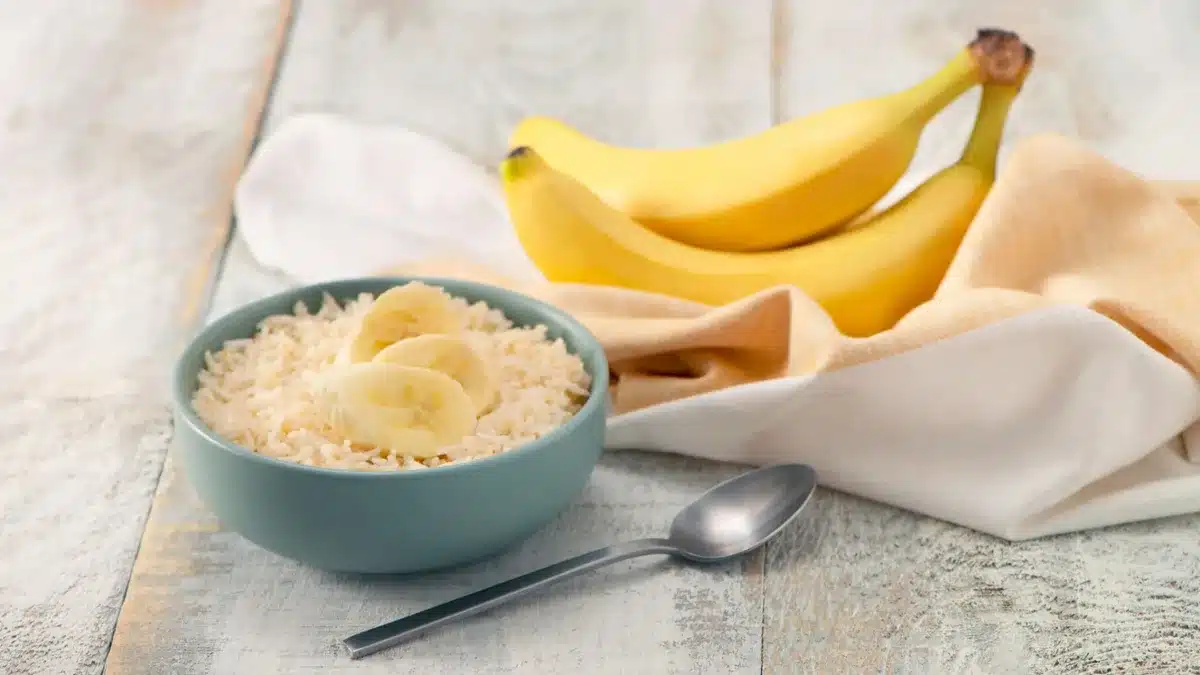
Image source: Web (Bing) / carolinarice.com (Web image (fair-use with source credit))
Quick Answer
Foods to harden stool include plain white rice, bananas, and peeled applesauce. Toast, oatmeal, and boiled potatoes work too. These foods contain soluble fiber and pectin.
They absorb water in your gut. That helps form firmer stools. Drink fluids first.
Use binding foods only for short, mild diarrhea.
When Binding Foods Help and When They Can Make Things Worse
Binding foods help when loose stools come from a short, mild cause. Think viral gastroenteritis, a brief stomach bug, or loose stools after antibiotics once you've rehydrated. In those cases, bland low-residue foods give your gut a short break while stool frequency settles down.
They can make things worse if you skip fluids first. Dehydration is the real danger in acute diarrhea, not a lack of rice. The CDC notes that replacing lost fluids and electrolytes should come before you worry about meal planning.
Binding foods are also the wrong first move when stools are bloody, black, or tarry. High fever, severe belly pain, or diarrhea lasting more than two days in adults need medical care, not more toast. The same goes for suspected C. difficile after antibiotics, inflammatory bowel disease flares, or chronic diarrhea that won't quit.
If you've been on clear liquids and symptoms are mild with no red flags, small plain meals are reasonable. If symptoms are worsening or you're dizzy and urinating less, stop tweaking your diet and get evaluated.
| Situation | Binding foods OK? | What to do first |
|---|---|---|
| Mild stomach bug, days 1 to 2 | Yes, after fluids | ORS or clear liquids, then small bland meals |
| Bloody or black stool | No | Seek medical care |
| Diarrhea over 2 days (adults) | No | Call your clinician |
| Antibiotic diarrhea, mild | Maybe, short term | Rehydrate. Call if severe or persistent |
| Chronic loose stools | No | Medical workup, not a BRAT diet |
Foods That Help Harden Stool
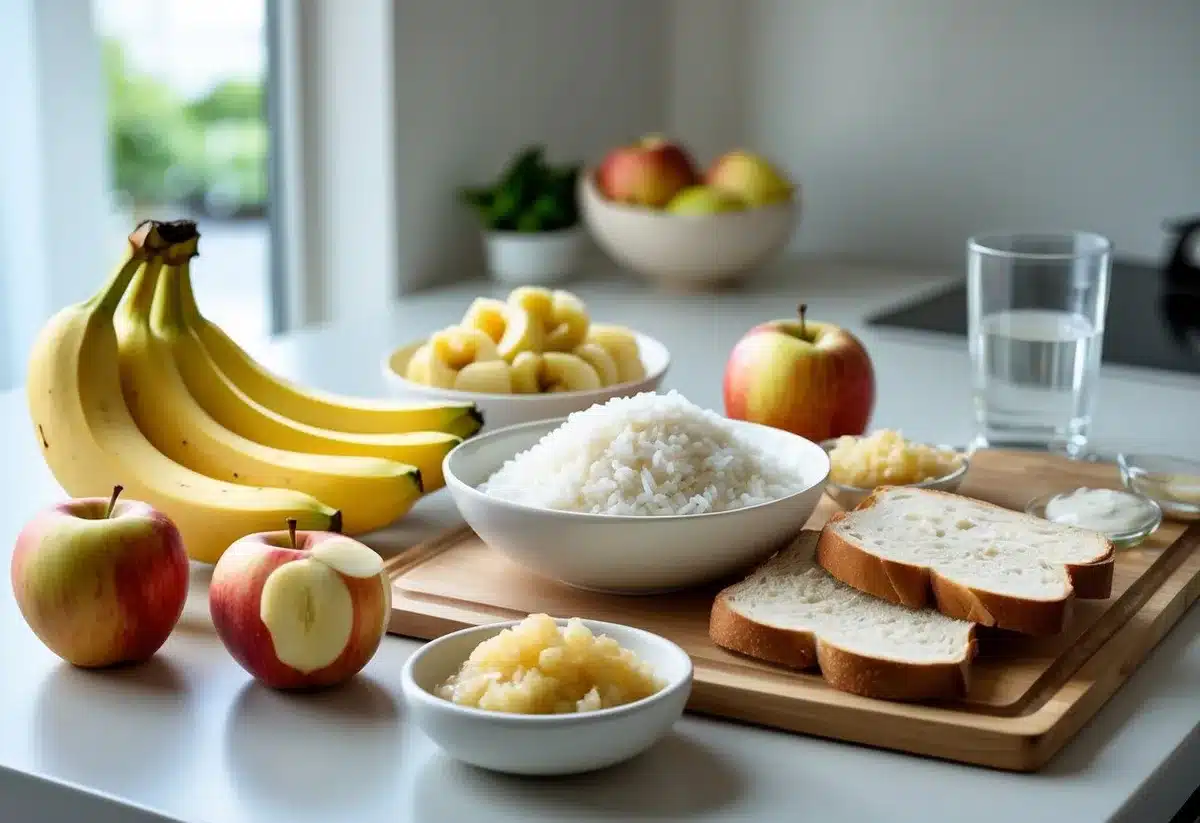
Image source: Web (Bing) / droolrecipes.com (Web image (fair-use with source credit))
These are the staples worth keeping on hand when you need to firm up loose stools for a day or two. Prep matters as much as the food itself. Peel, cook, and keep things plain.
BRAT Diet Staples and Modern Low-Residue Options
The classic BRAT diet covers bananas, rice, applesauce, and toast. Modern guidance still leans on those basics but adds a few gentle options so you're not stuck on four foods alone.
Best BRAT-style picks:
- White rice (plain, well cooked): low insoluble fiber, easy to digest
- Bananas: potassium helps replace losses. Slightly underripe ones offer more resistant starch
- Unsweetened applesauce (peeled apple): pectin supports gel formation in the gut
- Plain toast or saltines: white bread, no butter or jam at first
Broader low-residue options that work well:
- Boiled potatoes (peeled, no skin)
- Plain pasta or noodles
- Oatmeal (plain, cooked)
- Steamed carrots or well-cooked green beans
- Plain congee or rice porridge
- Plain yogurt (only if you tolerate dairy)
Skip brown rice, whole-grain bread, and raw produce during the acute phase. They bring insoluble fiber that can keep things moving.
Soluble-Fiber and Pectin-Rich Foods Worth Adding
Soluble fiber dissolves in water and forms a gel. That gel absorbs extra fluid in your intestines. Pectin, found in cooked peeled apples and bananas, works the same way.
Oatmeal gets its binding effect from beta-glucan, another soluble fiber type.
These foods firm stool without the harsh scrape of bran or raw vegetables. That's why applesauce beats a raw apple, and oatmeal beats a fiber cereal bar when you're recovering.
Add them in small portions. A half cup of rice or applesauce beats a heaping plate that overwhelms a sensitive gut.
Binding Supplements Like Psyllium (Use Carefully)
Psyllium husk is a concentrated soluble fiber supplement. Some clinicians suggest it for mild loose stools once the acute phase passes. It's not a substitute for oral rehydration during active diarrhea with dehydration risk.
Start with a small dose mixed in plenty of water. Too much too fast can cause bloating or make things worse. Skip psyllium if you have a bowel obstruction, severe abdominal pain, or haven't ruled out a serious infection.
When in doubt, whole-food soluble fiber from oatmeal or applesauce is the gentler call.
How Binding Foods Actually Firm Up Loose Stools
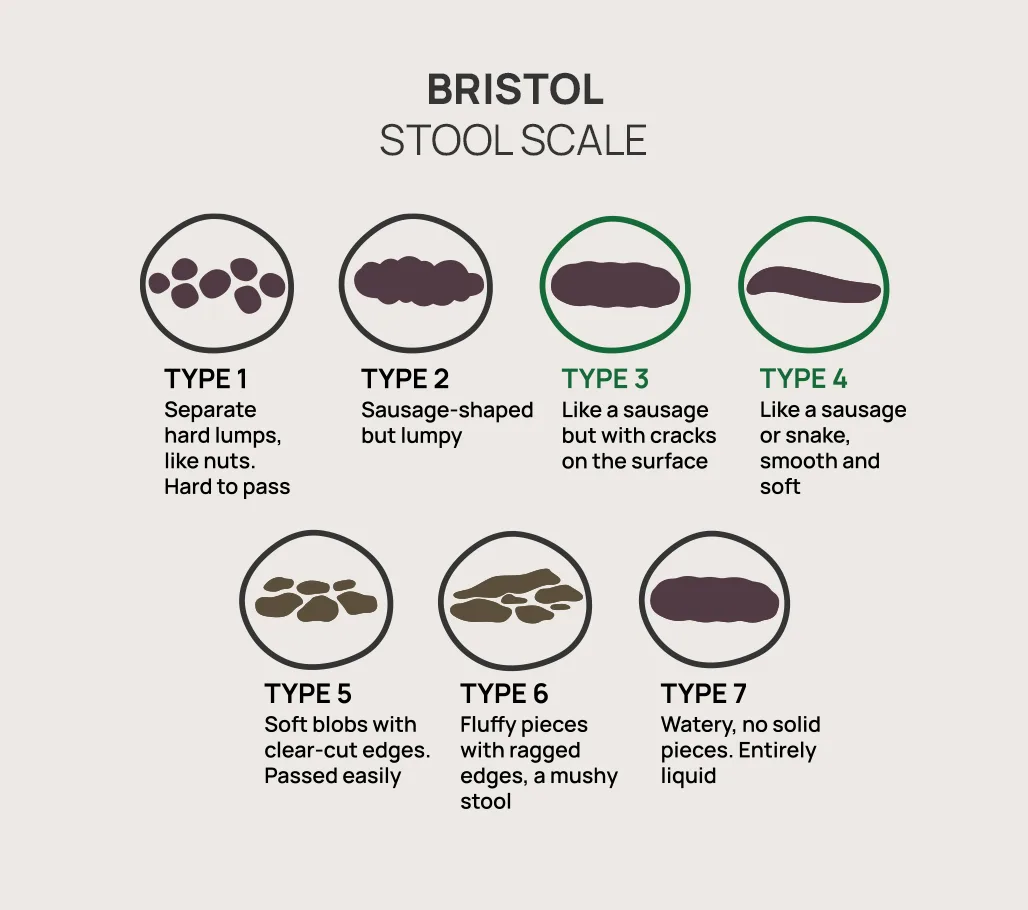
Image source: Web (Bing) / olonea.com (Web image (fair-use with source credit))
Loose stool usually means too much water is reaching your colon, or it's moving through too fast to absorb properly. Binding foods don't dry you out in a harmful way. They change how water behaves inside your gut.
Soluble fiber and pectin soak up liquid and form a soft gel. That gel adds structure to stool without the scratchy bulk of insoluble fiber from bran or raw veggies. On the Bristol Stool Chart, you're trying to move from Types 6 to 7 (mushy or watery) toward Types 3 to 4 (formed, soft logs).
Resistant starch in slightly green bananas feeds gut bacteria that produce short-chain fatty acids. Those acids help the colon reabsorb water. Well-cooked white rice and peeled potatoes offer easy-to-digest starch that doesn't irritate an inflamed gut lining.
Low-fat, low-spice prep matters because fat speeds transit and spice irritates tissue that's already sore. A plain baked chicken breast fits. Fried chicken does not.
Per USDA FoodData Central, a medium banana delivers roughly 422 mg of potassium. That's useful because diarrhea pulls electrolytes out with every loose bowel movement. Binding foods support stool form.
They don't replace sodium, potassium, and fluids you've lost.
A Safe 48-Hour Eating Plan: Fluids First, Then Small Plain Meals
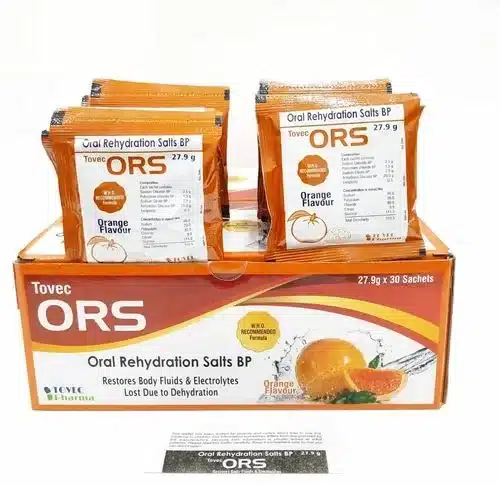
Image source: Web (Bing) / ar.inspiredpencil.com (Web image (fair-use with source credit))
Treat this as a short recovery window, not a long-term diet. As of 2026, clinical guidance still treats binding food plans as a bridge back to normal eating, usually within 24 to 48 hours.
Hours 0 to 12: Rehydrate
- Sip water, broth, or oral rehydration solution (ORS) steadily
- Take small, frequent sips rather than guzzling
- Watch for dehydration signs: dry mouth, dizziness, dark urine, weakness
- Skip alcohol, caffeine, and sugary drinks
Hours 12 to 24: Introduce bland solids
- Start with half portions: plain rice, toast, or applesauce
- Eat every 2 to 3 hours instead of three big meals
- Continue fluids between meals
- Avoid dairy if you're lactose sensitive
Hours 24 to 48: Expand gently
- Add peeled potato, plain pasta, oatmeal, or steamed carrots
- Introduce lean plain poultry if appetite returns
- Keep avoiding fried food, raw produce, and spicy sauces
- Begin reintroducing normal fiber gradually if stools are firming
After 48 hours:
- Move back toward balanced meals with fruits, vegetables, and whole grains
- Don't stay on a BRAT-style plan longer than needed. It's low in protein, fat, and key nutrients
If stool isn't firming after two days, or you're still running to the bathroom every hour, food tweaks alone aren't the answer. That's your signal to call a clinician.
Foods That Keep Stools Loose (What to Cut Out Temporarily)
Some foods pull water into the bowel or speed things up. They work against every binding food on your plate. Cut them out for 48 hours, then reintroduce one at a time.
High insoluble fiber (save for recovery):
- Raw vegetables and salads
- Bran cereal and whole-grain bread
- Berry skins, corn, and cruciferous veg like broccoli
Fat and grease:
- Fried foods, fast food, and heavy cream sauces
- Fatty cuts of meat and large amounts of butter or oil
Gut irritants and stimulants:
- Spicy peppers and hot sauce
- Caffeine (coffee, energy drinks)
- Alcohol
Sugars and sugar alcohols:
- Large amounts of fruit juice (osmotic effect pulls water in)
- Sugar-free gum and candies with sorbitol, xylitol, or mannitol
- Very sweet desserts and sodas
Dairy (if you're sensitive):
- Milk, ice cream, and soft cheese in lactose-intolerant folks
Artificial sweeteners in sugar-free products catch people off guard. Sorbitol in particular is a common hidden trigger for loose stools. Check labels on gum, mints, and protein bars.
The goal isn't to eat boring food forever. It's to stop working against your gut while it heals. Once stools hold shape for a day or two, bring normal foods back slowly and watch how you respond.
Red-Flag Symptoms That Need a Doctor, Not More Rice
More rice won't fix diarrhea that needs medical care. Some symptoms mean your gut is fighting something diet alone can't handle. Binding foods during those situations can delay the right treatment.
Call your clinician or seek urgent care if you notice:
- Bloody, maroon, or black tarry stools
- Fever over 101.3°F (38.5°C) with diarrhea
- Severe or worsening abdominal pain
- Signs of dehydration: very dark urine, dizziness, dry mouth, weakness, confusion
- Diarrhea lasting more than two days in healthy adults
- Diarrhea over 24 hours in infants, young children, or older adults at higher risk
- Recent antibiotic use plus watery stools 10 or more times daily (possible C. difficile)
- Unintentional weight loss or chronic loose stools lasting weeks
Pediatric dehydration moves fast. The American Academy of Pediatrics treats it as a serious concern. A child who stops urinating, cries without tears, or seems unusually sleepy needs evaluation now, not another bowl of applesauce.
Pregnancy changes the stakes too. Persistent diarrhea during pregnancy warrants a clinician call. Same for anyone with inflammatory bowel disease, celiac disease, or a weakened immune system.
OTC antidiarrheals like loperamide aren't safe for every cause. Bacterial infections with bloody stool or high fever can worsen if you trap pathogens inside. When red flags show up, stop self-treating with food tweaks and get assessed.
Frequently Asked Questions About Foods to Harden Stool
Do bananas harden stool or cause diarrhea?
Both, depending on ripeness and your gut. Slightly underripe bananas offer resistant starch that can help firm loose stools. Very ripe bananas have more sugar and may bother sensitive stomachs.
For mild acute diarrhea, a plain medium banana is a reasonable binding food after you've rehydrated.
Is the BRAT diet enough on its own?
No, not for long. BRAT foods (bananas, rice, applesauce, toast) work as a short bridge during recovery. They lack adequate protein, fat, and micronutrients for days on end.
Our research aligns with current guidance: use them 24 to 48 hours, then expand toward balanced meals as symptoms improve.
Can I eat oatmeal when I have diarrhea?
Yes, plain cooked oatmeal is often a good choice. It delivers soluble fiber (beta-glucan) that absorbs water and adds gentle bulk. Skip instant packets with added sugar or fiber mix-ins.
Keep portions small until your gut settles.
Does white rice work better than brown rice for loose stools?
White rice is the better pick during acute diarrhea. Brown rice carries more insoluble fiber and bran that can keep bowels moving. Plain well-cooked white rice is easier on an irritated gut.
Save brown rice for when you're back to normal.
How long should I eat binding foods before seeing improvement?
Most mild cases start firming within 24 to 48 hours once you're hydrated and avoiding irritants. If stools aren't improving after two days, or they're getting worse, food alone isn't the fix. That's when you need medical evaluation rather than another day of toast.
Are probiotics better than binding foods?
They solve different problems. Binding foods address stool form in the short term. Probiotics may help restore gut bacteria after antibiotics or gastroenteritis, but evidence varies by strain and cause.
Many people use both: rehydrate first, eat bland binding meals, then ask a clinician about probiotics if symptoms linger.
