
Loose, urgent stools wear you down fast. The right food to bulk up stool can help firm things up without jumping straight to medication. But not every high-fiber food does the job.
Some make diarrhea worse.
Soluble fiber is the type that gels with water and adds form. The Bristol Stool Scale runs Types 1 through 7, and loose stools usually sit at Types 6 or 7. Our research shows most people need gel-forming soluble fiber, not a random fiber list.
Here's what works, who it's safe for, and how to add it without making things worse.
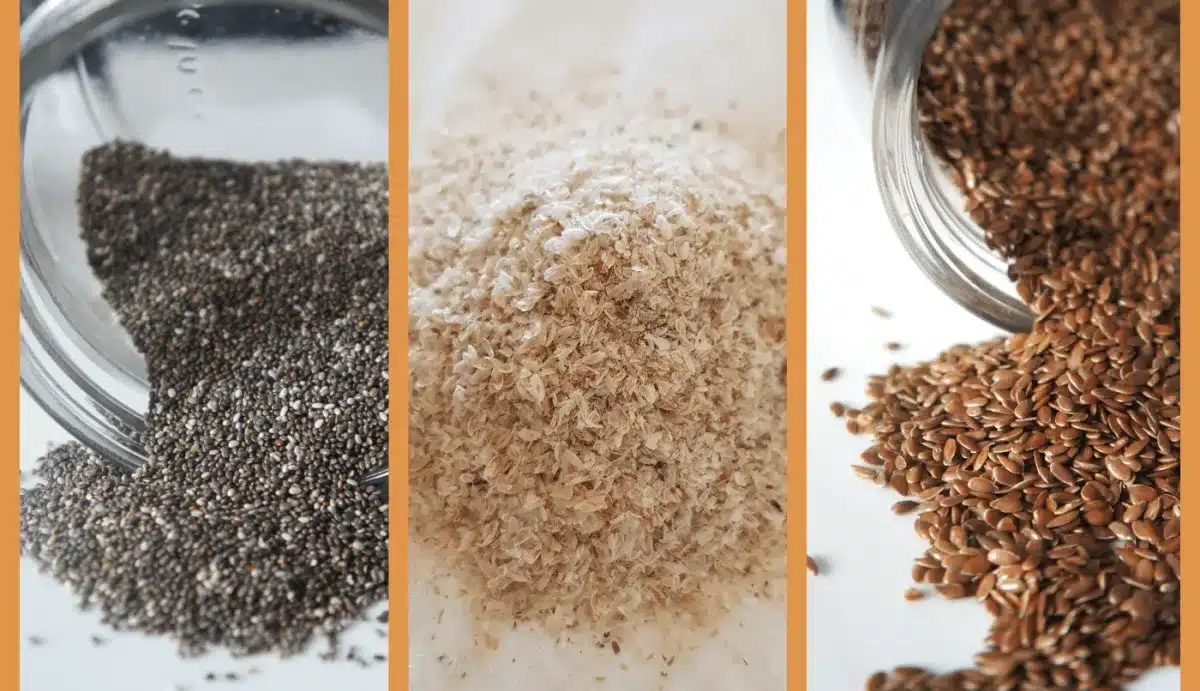
Image source: Bing (Web (fair-use with source credit))
Quick Answer
Food to bulk up stool means soluble, gel-forming fiber sources. Psyllium husk, oats, barley, and ground flaxseed work well. They absorb water and add form.
White rice and bananas help short-term recovery. Increase fiber slowly. Drink extra fluids daily.
Wrong fiber types can worsen loose stools.
Why "Bulk Up Stool" Advice Can Backfire If You Pick the Wrong Foods
Most people hear "eat more fiber" and grab raw vegetables, whole wheat, or a big salad. For loose stools, that plan often backfires.
Insoluble fiber adds rough bulk. It speeds things through the colon. That's useful for constipation.
It's often the wrong tool when your goal is firmer, slower stools.
Soluble fiber works differently. It dissolves in water and forms a gel. That gel holds fluid in the stool and gives it structure.
Per USDA FoodData Central, oats and barley carry meaningful soluble fiber per serving. Raw broccoli and wheat bran lean heavily insoluble.
Another common trap is the BRAT diet (bananas, rice, applesauce, toast). It can calm a short stomach bug. Stay on it too long and you miss protein, healthy fats, and key nutrients.
It's a bridge, not a long-term fix.
| Fiber type | Common foods | Effect on loose stools |
|---|---|---|
| Soluble (gel-forming) | Oats, psyllium, barley, apples | Usually helps firm stools |
| Insoluble (roughage) | Raw veggies, wheat bran, nuts | Can worsen urgency for some |
| Low-residue (short-term) | White rice, peeled potatoes | Calms the gut briefly |
If you've added fiber and felt worse within a day, the type probably didn't match your symptoms. Note your stool consistency on the Bristol scale before you change your diet. Track whether urgency, cramping, or frequency changed too.
Food alone won't fix every cause. Infection, IBD flares, celiac disease, and medication side effects need medical attention. Diet supports recovery.
It doesn't replace a proper diagnosis when symptoms stick around.
How Soluble Fiber Firms Loose Stools (and Why Not All Fiber Works the Same)
Soluble fiber's main job is water management. In the gut, it soaks up excess liquid and turns it into a soft, formed mass. That's the shift from watery to solid.
Image source: Bing (Web (fair-use with source credit))
Psyllium husk is the standout here. NIDDK guidance on diarrhea notes that soluble fiber supplements can help some adults with chronic loose stools. Manufacturer specs on psyllium products typically recommend starting with a partial dose and building up over several days.
Not all soluble fibers behave the same. Fermentable ones like inulin feed gut bacteria. That can help long-term gut health.
During active diarrhea, they may cause gas and bloating. Low-fermentability options like psyllium and methylcellulose tend to be gentler when you're trying to firm things up fast.
Ripeness matters too. A greener banana has more resistant starch. A riper banana offers more soluble pectin.
Both can help, but the effect differs person to person. Same with rice. White rice is easier on an irritated gut short-term.
Brown rice brings more fiber once you're stabilizing.
Hydration is non-negotiable. Soluble fiber pulls water into the stool. Skip the fluids and you risk constipation or even impaction.
Pair every fiber increase with extra water, broth, or electrolyte drinks if you've been losing fluid.
Best Foods to Bulk Up Stool: Soluble Fiber Picks That Actually Help
When you're picking food to bulk up stool, focus on gel-forming soluble sources first. Save insoluble roughage for later, once stools are consistently formed.
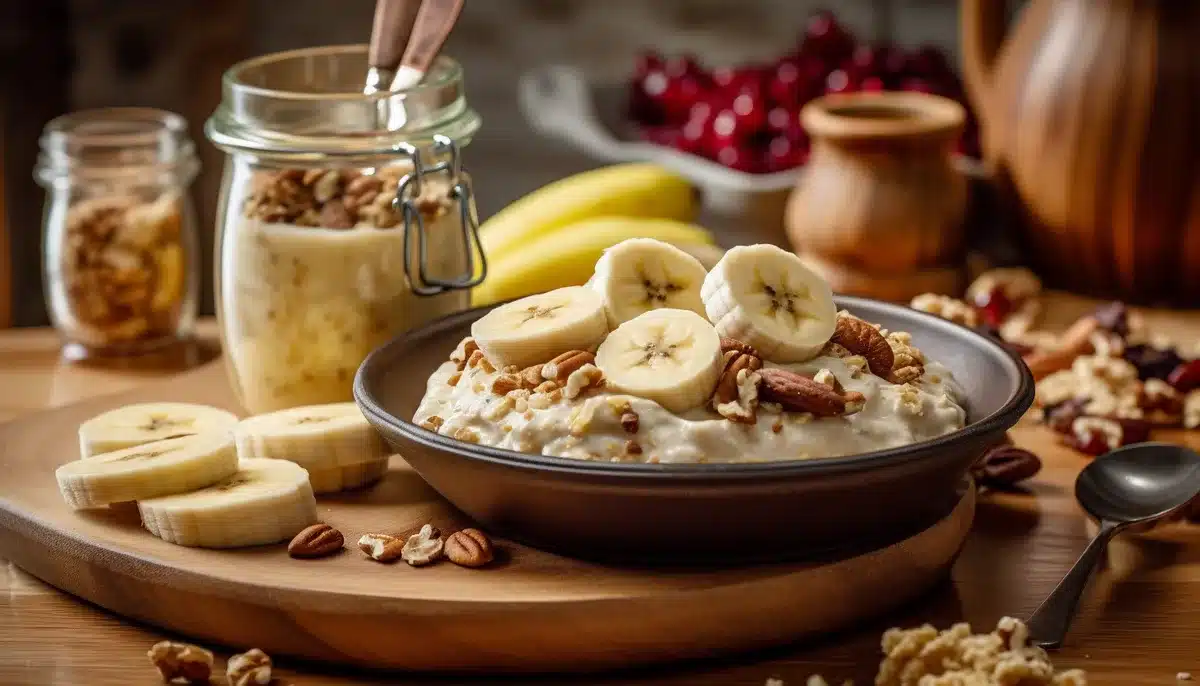
Image source: Web (Bing) / nerdymillennial.com (Web image (fair-use with source credit))
Top food picks:
- Psyllium husk (whole husks in water or mixed into oatmeal): strongest gel-forming effect among common options
- Oats and oat bran: easy to digest cooked; roughly 1.5 to 2 g soluble fiber per half-cup cooked serving
- Barley: high beta-glucan content; works well in soups during recovery
- Ground flaxseed (not whole seeds): 1 to 2 tablespoons daily, always with plenty of water
- Chia seeds (soaked): form a gel; start with 1 teaspoon and increase slowly
- Applesauce or cooked apples: pectin-rich; peel during acute phases if skin irritates you
- White rice and peeled potatoes: low-residue options for the first 24 to 48 hours of recovery
- Carrots (well-cooked): gentle soluble fiber without raw roughage
Cooking method counts. Well-cooked, peeled vegetables are easier on an inflamed gut than raw salads. A simmered oat porridge beats a cold fiber bar when your stomach is already unhappy.
If you're prepping grains regularly, a properly seasoned cast iron pan makes daily oatmeal or barley cooks less sticky and more consistent.
Food vs supplement: Food-first is smart for mild, short-term loose stools. Psyllium capsules or powder make sense when you need a measured dose or can't tolerate much food volume. Take supplements with a full glass of water.
Separate them from other medications by at least 1 to 2 hours unless your pharmacist says otherwise.
As of 2026, aggregate clinical reviews still rank psyllium among the best-studied soluble fibers for IBS-related diarrhea. Food sources give you nutrients alongside fiber. Supplements give you precision.
Many people use both during recovery, then shift mostly to food.
Who Bulking Foods Work For and Who Should Talk to a Doctor First
Bulking foods help most when loose stools have a clear, temporary trigger. Stomach bugs, traveler's diarrhea recovery, antibiotic-related looseness, and mild IBS-D flares often respond well to gradual soluble fiber.
Good candidates for a food-first approach:
- Adults with mild loose stools lasting less than 48 hours, no red flags
- Post-infectious recovery once vomiting has stopped
- Exercise-related runner's diarrhea (after acute symptoms pass)
- Medication-induced looseness (with prescriber awareness)
Talk to a doctor before relying on diet alone if you:
- See blood or black, tarry stool
- Run a fever above 101°F (38.3°C) with diarrhea
- Have severe abdominal pain, dehydration signs, or rapid weight loss
- Are pregnant, elderly, immunocompromised, or caring for an infant
- Have known IBD, celiac disease, or post-surgical bowel changes (including gallbladder removal)
- Notice diarrhea lasting more than 2 to 3 days without improvement
IBS-D needs a tailored plan. High-FODMAP foods like apples, onions, or garlic can worsen gas even when they're fiber-rich. A low-FODMAP soluble fiber approach (psyllium, oats in moderation, partially hydrolyzed guar gum) often works better than a generic high-fiber push.
Oncology patients and ostomy users should follow specialist diet advice. Standard bulking lists may not fit treatment-related restrictions. The CDC notes that individual fluid and fiber needs vary widely by age and health status.
What firms a healthy adult's stool can overwhelm a fragile gut.
If symptoms improve within 3 to 7 days of slow fiber titration, you're likely on the right track. If nothing changes, stop guessing and get evaluated. Loose stool is a symptom, not the whole diagnosis.
How to Add Bulking Foods Safely Without Gas, Cramping, or Blockage
The golden rule is start low, go slow. Your colon needs time to adjust. Doubling fiber overnight is the fastest route to bloating, cramps, and regret.
Step-by-step titration plan:
- Days 1 to 2: Add one small soluble fiber source (half a cup cooked oats, one ripe banana, or one-quarter psyllium dose). Increase fluids by 2 to 3 cups daily.
- Days 3 to 5: If gas stays mild and stools improve, add a second source or slightly increase the dose. Keep a simple food and symptom log.
- Days 6 to 14: Build toward your maintenance mix of foods. Most people assess full effect within 1 to 2 weeks.
- Ongoing: Reintroduce insoluble fiber (raw vegetables, whole grains) only after stools stay formed for several days.
Hydration pairing: Aim for pale yellow urine. Fiber without fluid is a blockage risk, especially with psyllium supplements. Warm broths and oral rehydration solutions help if you've been losing fluid.
Portion control helps during titration. Small, consistent servings beat large meals that overload a sensitive gut. Individual ramekin-sized portions of oatmeal or rice make it easier to track what your body tolerates each day.
When you're recovering from a stomach bug, keeping dishes clean matters too. A quick dishwasher filter rinse reduces cross-contamination risk while your gut is still fragile.
Common mistakes to skip:
- Jumping to a full daily fiber target (25 to 38 g) during active diarrhea
- Choosing whole seeds or nuts on an inflamed gut
- Using fiber supplements without water
- Ignoring new blood, fever, or worsening pain
- Treating steatorrhea (fatty, foul-smelling stools) with bulking foods alone (that pattern suggests malabsorption, not a simple fiber gap)
When you reintroduce normal meals, cook vegetables until tender. Peel skins during the first week back. Keep meals smaller and more frequent if large portions trigger urgency.
A quick wipe-down of your cooktop after simmering grains keeps prep stress low so you can focus on what you're eating, not cleanup.
Stop and seek care if you develop severe bloating with no gas passage, vomiting, or inability to keep fluids down. Those signs can point to obstruction or serious dehydration, not just fiber adjustment.
Red Flags: When Food Changes Aren't Enough and You Need Medical Care
Diet tweaks help mild, short-lived loose stools. They don't replace medical care when your body is waving a bigger flag. If you've added soluble fiber for a week and urgency, frequency, or consistency hasn't shifted, something beyond a simple fiber gap may be driving symptoms.
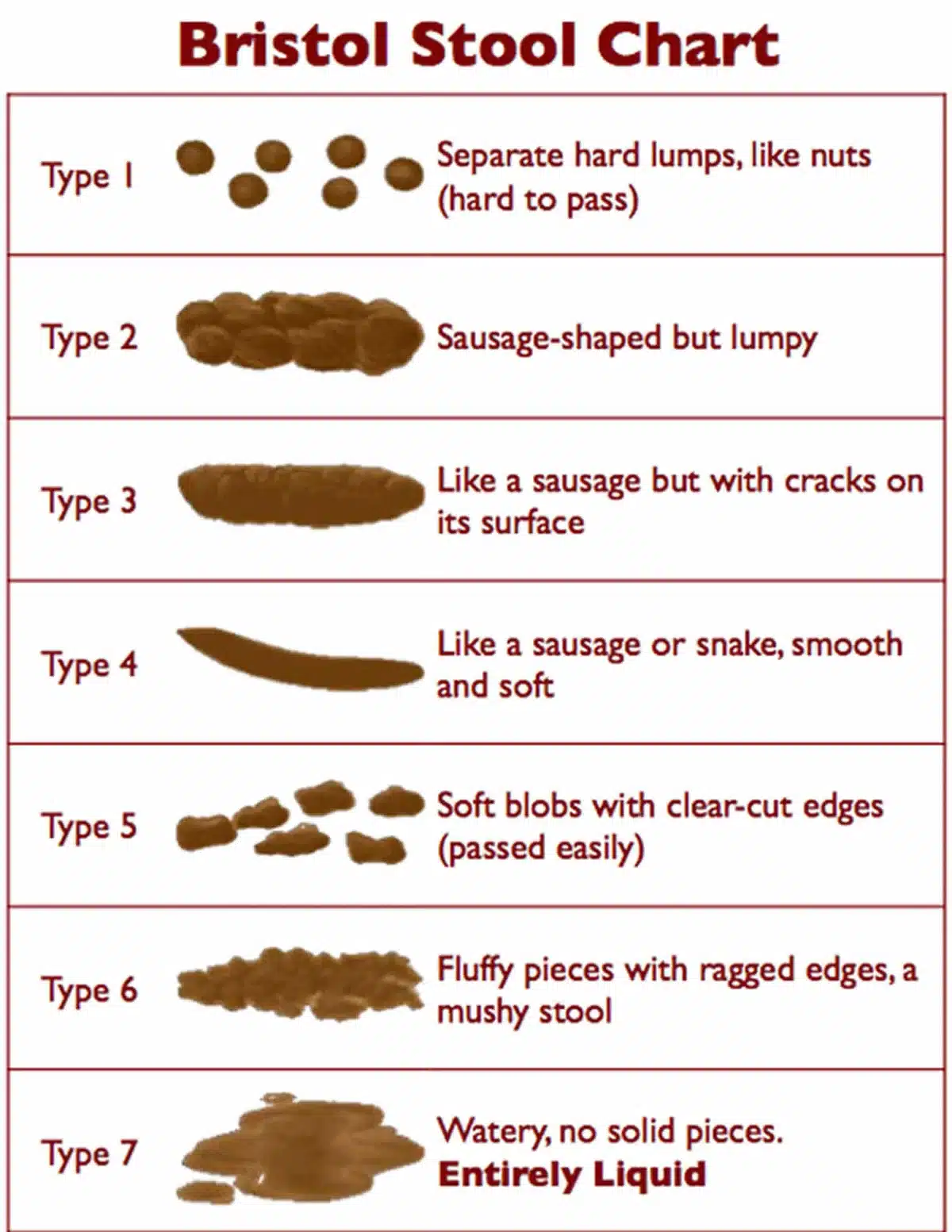
Image source: Web (Bing) / healthjade.net (Web image (fair-use with source credit))
The Bristol Stool Scale gives you a shared language with your doctor. Types 6 and 7 mean loose or watery. Types 1 and 2 point toward constipation.
Bulking foods target the middle range. If you're stuck at the loose end despite careful changes, note your type daily and bring that log to your appointment.
Seek urgent care now if you notice:
- Blood in stool, or black, tarry stools
- Fever above 101°F (38.3°C) with diarrhea
- Signs of dehydration: dizziness, dark urine, dry mouth, rapid heartbeat
- Severe or worsening abdominal pain
- Diarrhea lasting more than 48 to 72 hours in otherwise healthy adults
- Unexplained weight loss or night sweats with bowel changes
Some patterns don't respond to bulking foods because the cause isn't fiber-related. Steatorrhea (greasy, foul-smelling stools) suggests fat malabsorption. Bloody mucus can signal inflammatory bowel disease.
Sudden change after age 50 warrants prompt evaluation even without other symptoms.
Pregnant women, infants, elderly adults, and immunocompromised people should call a clinician sooner. A wait-and-see window that feels reasonable for a healthy adult may be too long for them. Our research aligns with CDC guidance: treat persistent diarrhea as a symptom to investigate, not a puzzle to solve with oatmeal alone.
Stop increasing fiber and get evaluated if pain spikes, you can't keep fluids down, or bloating becomes severe with no gas passage. Those signs can point to obstruction or serious infection, not a failed diet experiment.
FAQs About Using Food to Bulk Up Stool
Do bananas actually bulk up stool?
Yes, but ripeness changes the effect. Greener bananas carry more resistant starch. Riper ones offer soluble pectin that gels with water.
Both can help firm loose stools for many people. Start with one small banana daily and track whether gas or urgency increases.
Is white rice better than brown rice for loose stools?
White rice is usually gentler during the first 24 to 48 hours of acute diarrhea. It sits low on residue and is easy to digest. Brown rice brings more insoluble fiber.
Save it for reintroduction once stools stay formed for several days.
How quickly does psyllium firm loose stools?
Most people notice changes within 3 to 7 days of slow, consistent use. Manufacturer specs on psyllium products recommend partial doses at first. Jumping to a full dose day one often causes bloating before you see any firming benefit.
Can eating too much fiber make diarrhea worse?
Yes. Insoluble-heavy foods like raw vegetables, wheat bran, and whole nuts can speed transit when your gut is already irritated. Adding a large fiber load overnight also triggers gas and cramping.
Match fiber type to loose stools, not just fiber quantity.
Should I try food first or go straight to a fiber supplement?
Food-first makes sense for mild, short-term symptoms with no red flags. Supplements like psyllium help when you need a measured dose or can't tolerate much food volume. Either way, pair fiber with extra fluids and increase slowly.
If you're batch-cooking simple recovery meals, a routine dishwasher clean keeps your kitchen sanitary while energy is low.
