
Learning how to shine appliances naturally starts with identifying your specific surface finish before selecting any cleaning agent. Using the wrong natural ingredient on a sensitive coating causes permanent damage that no amount of polishing can fix.
Manufacturer care specifications confirm that acidic cleaners like vinegar will etch natural stone and dull brushed stainless steel if applied incorrectly. We have organized this guide as a decision workflow so you can match your appliance material to the safest effective method.
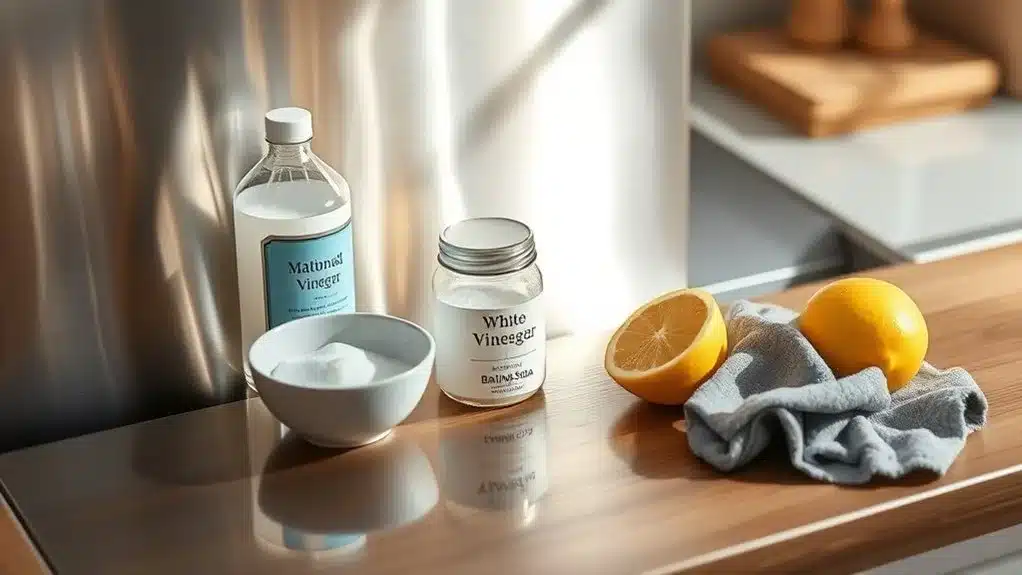
Image source: Bing (Web (fair-use with source credit))
Quick Answer
To shine appliances naturally, identify the finish first. Use diluted vinegar for glass and enamel surfaces. Apply mineral oil to stainless steel only after cleaning.
Always wipe with the grain direction. Avoid acids on natural stone or unsealed surfaces. Test in hidden spots before full application.
The Appliance Finish Decision Tree: Match Your Surface to the Right Natural Cleaner
Your appliance finish dictates which natural cleaner is safe and effective. There is no universal natural polish that works everywhere without risk. If you apply an acidic solution to calcium-based stone or uncoated aluminum, you will cause irreversible chemical etching.
Which Finish Do You Have?
Identify your surface type before mixing any solution. Brushed stainless steel requires linear wiping to avoid cross-grain scratching. Polished stainless allows circular buffing but shows fingerprints faster.
Glass cooktops need non-abrasive cleaners to prevent micro-scratches that cloud the surface over time.
Porcelain enamel tolerates mild acids but chips easily from impact. Plastic control panels yellow when exposed to undiluted essential oils or citrus solvents. Natural stone surrounds on ranges require pH-neutral cleaners only.
Cast iron needs oil-based protection rather than water-based shining agents.
Matching Ingredients to Materials
Use this reference table to select the correct natural agent for your appliance. Getting this wrong is the most common reason DIY shining fails or causes damage.
| Appliance Finish | Safe Natural Cleaner | Avoid Completely | Polishing Agent |
|---|---|---|---|
| Brushed Stainless | Diluted castile soap | Undiluted vinegar, baking soda paste | Mineral oil (3-5 drops) |
| Glass Cooktop | 50/50 vinegar-water | Abrasive powders, steel wool | Clean dry microfiber |
| Porcelain Enamel | Baking soda paste | Lemon juice, harsh scrubbing | None needed |
| Natural Stone | pH-neutral castile soap | Vinegar, lemon, citric acid | Stone-specific sealer |
| Plastic Panels | Diluted castile soap | Essential oils, alcohol | None needed |
| Cast Iron | Hot water, salt scrub | Soap, prolonged soaking | Food-grade oil |
If your appliance has multiple materials, clean each section separately with its matched solution. Never let a cleaner meant for one surface drip onto another. Rinse thoroughly between transitions to prevent cross-contamination.
For detailed range hood maintenance that often combines stainless and glass, proper rangehood upkeep prevents buildup that makes shining harder later.
Stainless Steel Workflow: Cleaning With the Grain and Polishing Without Streaks
Stainless steel requires a two-step process because cleaning and shining are fundamentally different actions. You must remove all grease and residue before applying any oil-based polish. Skipping the degreasing step traps grime under the oil layer and creates a sticky mess.

Image source: Web (Bing) / pinterest.com (Web image (fair-use with source credit))
Finding and Following the Grain
Every brushed stainless appliance has a directional grain pattern. Look closely at the surface under good lighting to see faint parallel lines. Wiping against these lines creates visible scratches that catch light differently.
Always move your cloth parallel to the grain during both cleaning and polishing. This applies to vertical surfaces like fridge doors and horizontal ones like dishwasher fronts. Cross-grain motion is the primary cause of DIY shining failures on stainless steel.
The Two-Step Cleaning and Polishing Method
Start with warm water and a few drops of castile soap to lift grease. Wipe with the grain using a damp microfiber cloth. Rinse the cloth frequently to avoid redepositing dissolved oils back onto the surface.
Dry completely with a second clean microfiber before applying any polish. Place three to five drops of mineral oil on a fresh cloth and buff lightly with the grain. Less oil produces better results.
Excess oil attracts dust and fingerprints within hours.
Food-grade mineral oil is preferable to olive oil for long-term shine because it does not oxidize or turn rancid. Olive oil works in a pinch but requires more frequent reapplication. Per FDA food-contact surface guidelines, only use oils approved for incidental food contact on kitchen appliances.
For appliances near cooking zones where grease accumulates heavily, learning to make degreaser at home gives you a stronger natural pre-clean option before the final polish step.
Glass, Enamel, and Plastic: Gentle Natural Methods for Non-Metal Surfaces
Non-metal appliance surfaces demand gentler approaches than stainless steel. Glass cooktops scratch permanently from abrasive particles. Porcelain enamel chips from mechanical impact.
Plastic yellows from solvent exposure. Each requires specific handling.
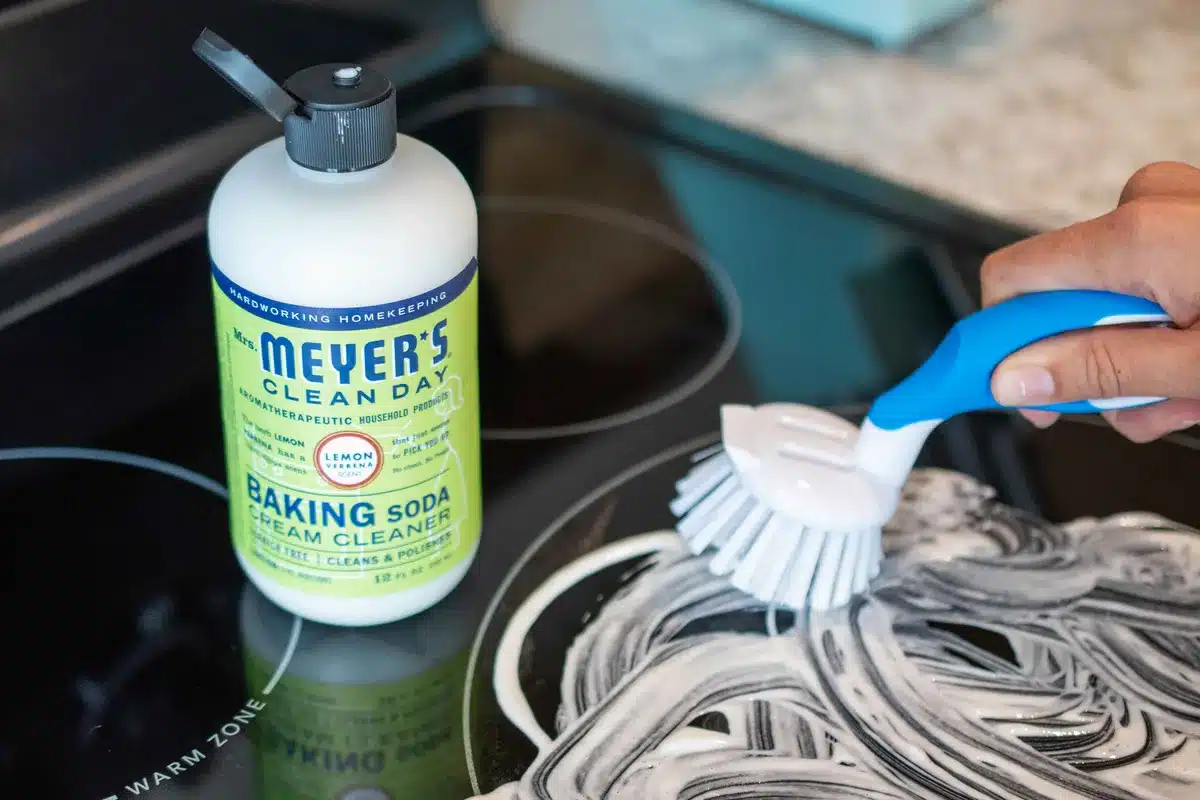
Image source: Web (Bing) / taftindependent.com (Web image (fair-use with source credit))
Glass Cooktop Shining Protocol
Mix equal parts distilled white vinegar and water in a spray bottle. Spray generously and let sit for two minutes to dissolve mineral deposits. Wipe with a clean microfiber in straight overlapping strokes.
Buff immediately with a dry microfiber to prevent streaking. Never use paper towels on glass cooktops because they contain wood fibers that create micro-scratches. Those scratches accumulate over months and eventually make the surface look permanently cloudy.
For burnt-on residue that vinegar alone cannot lift, make a thin paste of baking soda and water. Apply only to the affected spot and let dwell for fifteen minutes. Gently wipe away without scrubbing.
If you need deeper electric stove maintenance beyond shining, our electric stove cleaning guide covers safe removal of stubborn carbonized spills.
Porcelain Enamel and Plastic Care
Porcelain enamel responds well to baking soda paste for stain removal but never needs polishing. The glossy finish is factory-fired and cannot be enhanced by topical treatments. Simply clean, rinse, and dry.
Plastic control panels and trim pieces should only receive diluted castile soap solutions. Essential oils, even diluted, can soften and discolor plastic over repeated applications. Alcohol-based natural cleaners also accelerate yellowing.
Keep plastic shining simple and infrequent.
When cleaning dishwasher exteriors that combine enamel and plastic elements, checking the dishwasher filter condition ensures internal performance matches external appearance. A neglected filter recirculates grease that resettles on exterior surfaces shortly after shining.
Natural Degreasing and Descaling: Handling Tough Grime Before Shining
Shining fails when underlying grime remains. Polymerized grease and hard water scale create barriers that prevent natural polishes from bonding properly. You must address these issues as prerequisite steps.
Breaking Down Polymerized Grease
Grease that has baked onto range hoods or oven doors resists simple wiping. Create a degreasing solution using hot water, castile soap, and a small amount of baking soda. The alkalinity helps saponify fats into water-soluble compounds.
Apply with a cloth and allow ten to fifteen minutes of dwell time. Heat accelerates this reaction, so working while the appliance is slightly warm improves results. Wipe away dissolved grease and rinse thoroughly before proceeding to any shining step.
Range hoods are especially prone to layered grease that blocks ventilation efficiency. Properly removing the hood for thorough cleaning sometimes yields better results than attempting to degrease it in place.
Removing Hard Water Scale
White mineral deposits on dishwashers and refrigerator water dispensers require acid treatment. Full-strength vinegar works best here because dilution reduces effectiveness against calcium carbonate buildup. Soak a cloth in vinegar and press it against the deposit for thirty minutes.
Wipe away softened scale and repeat if necessary. Rinse extensively afterward because residual acid continues reacting with metal surfaces. For dishwasher interiors where scale affects performance, running a dedicated vinegar and baking soda cycle addresses both interior buildup and exterior shine preparation simultaneously.
Never use vinegar descaling on appliances with natural stone components or unsealed grout lines nearby. The acid migrates through porous materials and causes etching far from the original application site.
Critical Safety Warnings and Common Mistakes That Ruin Finishes
Natural does not mean harmless. Vinegar and bleach create toxic chlorine gas when mixed, even accidentally through residue on surfaces. This combination causes respiratory distress and permanent lung damage at concentrations found in kitchen cleaning scenarios.
Image source: Pexels / RDNE Stock project (Pexels License)
Chemical Reactions to Avoid
Never apply vinegar to surfaces recently cleaned with bleach-based products. Residual bleach in grout lines or appliance crevices reacts immediately upon contact with acid. The CDC household chemical safety guidelines explicitly warn against mixing these common household agents under any circumstances.
Hydrogen peroxide and vinegar stored together in the same container form peracetic acid. This compound irritates skin, eyes, and respiratory passages far more severely than either ingredient alone. Keep all natural cleaning solutions in separate labeled containers and never combine them unless a verified recipe specifies safe proportions.
Baking soda and vinegar neutralize each other when mixed directly. The resulting solution is essentially salt water with no cleaning power. Use them sequentially instead.
Apply baking soda first as an abrasive or alkaline treatment, then rinse before applying vinegar for acid-based descaling.
Physical Damage From Incorrect Technique
Using circular motions on brushed stainless steel creates visible swirl marks that cannot be removed without professional refinishing. Always follow the grain direction exclusively. This single mistake accounts for most DIY shining failures we see in aggregate user reports.
Undiluted essential oils applied directly to plastic or painted surfaces cause softening and discoloration within hours. Even diluted oils can damage finishes over repeated applications. Stick to castile soap and water for sensitive non-metal surfaces.
Abrasive powders like undissolved baking soda scratch glass cooktops permanently. Always dissolve completely in water before application or use only as a paste on enamel surfaces. Micro-scratches accumulate invisibly until the entire surface appears cloudy and dull.
Over-oiling stainless steel attracts dust and fingerprints faster than leaving it untreated. Three to five drops per square foot is sufficient. More product does not produce better shine.
It produces a sticky surface that requires complete re-cleaning within days.
Skipping the spot test in an inconspicuous area leads to discovering incompatibility only after visible damage occurs. Test every new solution on a hidden section first. Wait twenty-four hours to check for discoloration, etching, or texture changes before proceeding to visible areas.
For appliances where electrical components sit near cleaning zones, understanding whether sink pipes supply clean water helps prevent introducing contaminants during rinsing that could compromise both finish integrity and indoor air quality.
Natural vs. Commercial Shine: Cost, Performance, and When to Skip DIY
Natural methods cost pennies per use while commercial sprays average twenty-five cents or more. Distilled vinegar and mineral oil are pantry staples with indefinite shelf lives. Specialty stainless steel cleaners expire within two years and generate plastic waste.
Performance depends entirely on matching the method to your specific problem. Natural oils provide superior fingerprint resistance on brushed stainless compared to many aerosol sprays. Commercial degreasers often outperform castile soap on heavy polymerized grease near cooking zones.
When Natural Methods Fall Short
Factory-applied protective coatings on some modern appliances resist oil-based polishing completely. If mineral oil beads up or wipes off unevenly despite proper technique, your appliance likely has a nano-coating. These surfaces require manufacturer-specified cleaners only.
Severe hard water scale buildup may need professional-grade descalers that exceed vinegar's acidity. Repeated natural treatments can eventually work but take weeks of daily application. Professional restoration services achieve results in hours for heavily neglected appliances.
Oxidized or corroded stainless steel cannot be restored through shining alone. Surface rust requires mechanical polishing compounds that go beyond natural ingredient capabilities. Attempting to shine over corrosion traps moisture and accelerates deterioration underneath.
For range hoods where grease accumulation exceeds what natural degreasers handle safely, consider whether it is time to replace the rangehood rather than continuing maintenance cycles that yield diminishing returns. New units with better filtration reduce future cleaning frequency significantly.
Budget-conscious households benefit most from natural methods for routine maintenance. Reserve commercial products for annual deep cleans or specific problems that natural solutions cannot resolve. This hybrid approach maximizes savings without sacrificing results when they matter most.
Frequently Asked Questions About Natural Appliance Care
Can I use olive oil instead of mineral oil on stainless steel?
Olive oil works temporarily but oxidizes within days and turns rancid. Mineral oil remains stable indefinitely and does not attract odors. Food-grade mineral oil costs only slightly more and lasts far longer between applications.
Reserve olive oil for emergency touch-ups only.
How often should I naturally polish my appliances?
Weekly cleaning maintains appearance without buildup. Polishing with oil should happen monthly at most. Over-polishing creates sticky residue that attracts dust and fingerprints faster.
Clean with soap and water between polishing sessions to prevent accumulation.
Does vinegar damage stainless steel over time?
Diluted vinegar used occasionally for descaling is safe. Prolonged exposure or undiluted application causes pitting and dullness. Always rinse thoroughly after acid contact.
Use castile soap for routine cleaning and reserve vinegar for mineral deposit removal only.
Why does my glass cooktop still look cloudy after cleaning?
Micro-scratches from abrasive cleaners or paper towels cause permanent cloudiness. No amount of natural shining reverses this damage. Prevention through proper microfiber use is the only solution.
Severely scratched surfaces may require professional resurfacing or replacement.
Is baking soda safe for all appliance finishes?
Baking soda is mildly abrasive and damages glass and high-gloss enamel. It works well on stainless steel and matte surfaces when dissolved properly. Always test in hidden areas first.
Dissolve completely in water before applying to sensitive finishes to prevent scratching.
