
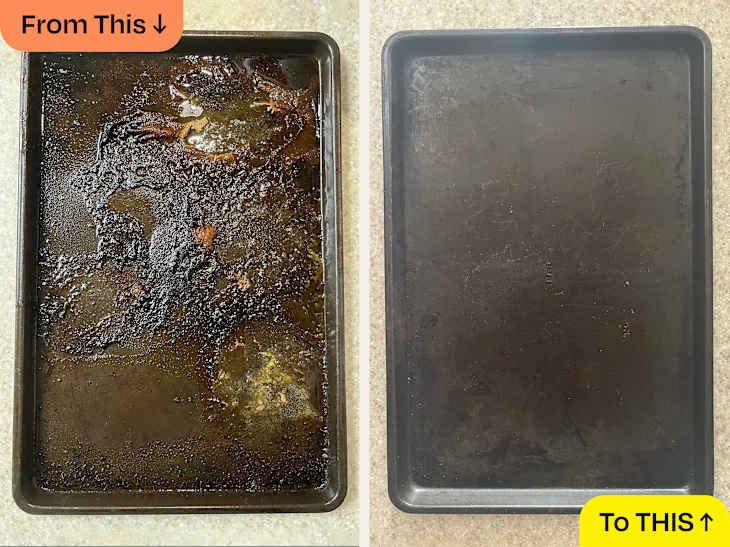
Have you ever looked at your cookie sheet and wondered how it got so grimy? You’re not alone.
Cookie sheets often bear the brunt of our baking adventures, ending up stained and sticky. But don’t worry—there’s hope for your trusty kitchen companion. Imagine pulling your favorite cookie sheet from the oven, gleaming and spotless, ready for the next batch of delicious treats.
Sounds satisfying, right? You might be surprised to learn that cleaning your cookie sheet can be quick, easy, and downright rewarding. We’ll reveal the best way to restore your cookie sheet’s shine without the hassle. Curious to find out how? Keep reading, because your path to a pristine cookie sheet starts here.
Choosing The Right Cleaning Method
Cleaning cookie sheets might seem straightforward, but choosing the right method can make a big difference in preserving their quality and effectiveness. Whether you’re dealing with stubborn stains or aiming to keep your baking gear in top shape, understanding your cookie sheet’s material and condition is crucial. You don’t want to damage your sheet by using the wrong cleaning approach. Let’s dive into how to select the best method for your needs.
Assessing Material Type
The first step is to identify what your cookie sheet is made of. Is it aluminum, stainless steel, or non-stick? Each material reacts differently to cleaning agents.
For example, aluminum is lightweight and conducts heat well, but it can be prone to discoloration if exposed to harsh chemicals. Stainless steel is more robust and can handle a bit more scrubbing, while non-stick sheets require a gentle touch to preserve their coating.
Knowing your sheet’s material helps you avoid common mistakes like using abrasive pads on non-stick surfaces. This small detail can save your sheet from unnecessary wear and tear.
Evaluating Sheet Condition
Take a closer look at your cookie sheet’s condition. Is it lightly stained, or are there baked-on residues that have been there for ages?
If your sheet is only lightly dirty, a mix of warm water and mild dish soap might do the trick. However, for those stubborn, baked-on messes, you might need something stronger like a paste of baking soda and water.
Consider how often you use your cookie sheet. If it’s a frequent player in your baking lineup, regular maintenance can prevent heavy build-up. This proactive approach makes cleaning much easier in the long run.
Have you ever found yourself scrubbing away at a cookie sheet with no end in sight? It might be time to reassess your cleaning method. Choosing wisely can lead to less frustration and better results.

Credit: www.youtube.com
Natural Cleaning Solutions
Keeping your cookie sheets clean can seem challenging. Many cleaning products have harsh chemicals. Natural cleaning solutions offer a safer, effective alternative. They are also easy to find and affordable. Let’s explore some natural options to clean cookie sheets.
Baking Soda And Vinegar
Baking soda and vinegar work well together. They create a powerful cleaning paste. First, sprinkle baking soda on the sheet. Cover the entire surface. Next, pour a small amount of vinegar over the baking soda. Let the mixture fizz and bubble. This reaction helps lift stubborn stains. Allow it to sit for 30 minutes. Then scrub the sheet with a sponge. Rinse with warm water. Your cookie sheet will look fresh and clean.
Lemon And Salt Mixture
Lemon and salt make a great cleaning team. The acid in lemon cuts grease. Salt acts as a gentle scrub. Start by cutting a lemon in half. Sprinkle salt on the cookie sheet. Use the lemon half to scrub the surface. Apply more salt if needed. Focus on tough spots and stains. Rinse with warm water. This method leaves your cookie sheet clean and smelling fresh.
Commercial Cleaning Products
Cleaning cookie sheets effectively requires the right products. Use commercial cleaning solutions to tackle tough stains and baked-on grease. Opt for non-toxic formulas to ensure safe kitchen use.
Cleaning cookie sheets can be a daunting task, especially when they’re covered with baked-on grease and stubborn stains. Commercial cleaning products offer a convenient and effective solution to restore your cookie sheets to their former glory. Whether you prefer powerful degreasers or eco-friendly alternatives, there’s a product out there to suit your needs. Let’s dive into some options that can make your cleaning routine a breeze.Degreasers And Stain Removers
Degreasers are your best friend when tackling those tough grease spots. These products are specially formulated to cut through stubborn grease and grime, leaving your cookie sheets spotless. A popular choice among home cooks is Dawn Powerwash. It’s easy to apply and works quickly. Simply spray, wait a few minutes, and wipe away the grease with a sponge or cloth. Another effective option is Goo Gone Kitchen Degreaser. Known for its grease-busting power, it also helps lift away stains that may have been lingering for months. Do you have a favorite degreaser you swear by, or are you constantly searching for the next best thing?Eco-friendly Options
If you’re environmentally conscious, you’ll be pleased to know there are eco-friendly products that clean effectively without harsh chemicals. These options are great for those who want to keep their kitchen green and clean. Seventh Generation Dish Liquid is a great choice for a gentle yet effective clean. It’s made from plant-based ingredients and free from synthetic fragrances. Better Life Natural Cleaning Spray is another fantastic alternative. It’s biodegradable and cuts through grease without harming the planet. Have you tried eco-friendly cleaners before? Did they meet your expectations, or were you left wanting more? Commercial cleaning products offer solutions for everyone, whether you need industrial strength or a gentle touch. What’s your go-to method for cleaning cookie sheets? Are you ready to try something new?Step-by-step Cleaning Process
Cleaning a cookie sheet can be a daunting task. Grease and burnt food leave stubborn stains. A step-by-step cleaning process can make it easier. Follow these simple steps to restore your cookie sheet’s shine.
Pre-soaking Techniques
Start by filling your sink with hot water. Add a few drops of dish soap. Let the cookie sheet soak for at least 30 minutes. This helps to loosen any baked-on residue. For tougher stains, add some baking soda to the water. Baking soda acts as a natural cleaner. It helps break down grease and grime.
Scrubbing And Rinsing
After soaking, it’s time to scrub. Use a non-abrasive scrubber to avoid scratches. Gently scrub the surface of the cookie sheet. Focus on areas with more grime. Rinse with warm water to remove soap and residue. Check for any remaining spots. If necessary, repeat the scrubbing process. Dry the cookie sheet with a clean towel. Ensure no water spots are left behind.
Avoiding Common Mistakes
Cleaning your cookie sheet can seem simple. Yet, many make common mistakes. These errors can damage your sheet or make cleaning harder. Learning to avoid them is key. It ensures your cookie sheet lasts longer and remains effective. Let’s explore how to steer clear of these pitfalls.
Using Abrasive Tools
Many people use abrasive tools to clean. Steel wool or harsh scrubbers are popular choices. They may seem effective at first. But they can scratch your cookie sheet. These scratches make food stick more. They also make cleaning tougher over time. Opt for gentle tools instead. Soft sponges or cloths work well. They clean without causing harm.
Ignoring Manufacturer Instructions
Each cookie sheet comes with instructions. Many overlook these important guidelines. Manufacturers know their products best. They provide specific cleaning advice. Ignoring these can lead to damage. Some sheets need special care. Others might be dishwasher safe. Always check the instructions first. Following them protects your cookie sheet.
Maintaining Cookie Sheet Condition
Keeping cookie sheets clean ensures they last longer. Use baking soda and vinegar to remove stains easily. Scrub gently with a soft sponge to avoid scratches, keeping the surface smooth for baking.
Maintaining your cookie sheet’s condition is crucial for ensuring your baking results are always top-notch. A well-kept cookie sheet not only looks good but also performs better, allowing your cookies to bake evenly and without sticking. When you invest time in keeping your baking sheets in pristine condition, you’re essentially investing in better-tasting treats. Let’s dive into how regular cleaning and proper storage can make a difference.Regular Cleaning Routine
Consistency is key to maintaining your cookie sheet. After each use, let it cool down before cleaning. This prevents warping and keeps the surface intact. Use warm water and mild dish soap to gently scrub the surface. A soft sponge is ideal to avoid scratches. Avoid using abrasive cleaners as they can damage the coating. Consider lining your cookie sheet with parchment paper when baking. This reduces residue buildup, making cleaning quicker and easier. Have you ever noticed how a quick rinse is sometimes all it takes when using parchment?Proper Storage Practices
Storing your cookie sheet correctly can prolong its life. Ensure it’s completely dry before putting it away to prevent rust or mold. Store it in a cool, dry place. This minimizes the risk of moisture damage. Try to keep it flat and avoid stacking heavy items on top to prevent bending. If space is tight, hang your cookie sheet on the wall. It not only saves space but also keeps it easily accessible. Have you ever wondered why some kitchens look cluttered? It’s often due to poor storage solutions.Expert Tips For Persistent Stains
Discover effective methods to tackle stubborn stains on cookie sheets. Baking soda mixed with vinegar creates a powerful paste. Scrub gently to remove grease and burnt bits, restoring your cookie sheet to its original shine.
Cleaning a cookie sheet might seem like a simple task, but persistent stains can turn it into a frustrating chore. No one wants their kitchen to look messy, especially when those burnt-on spots seem impossible to remove. The good news is that with a few expert tips, you can tackle those stubborn stains and make your cookie sheet look almost new again.Advanced Techniques
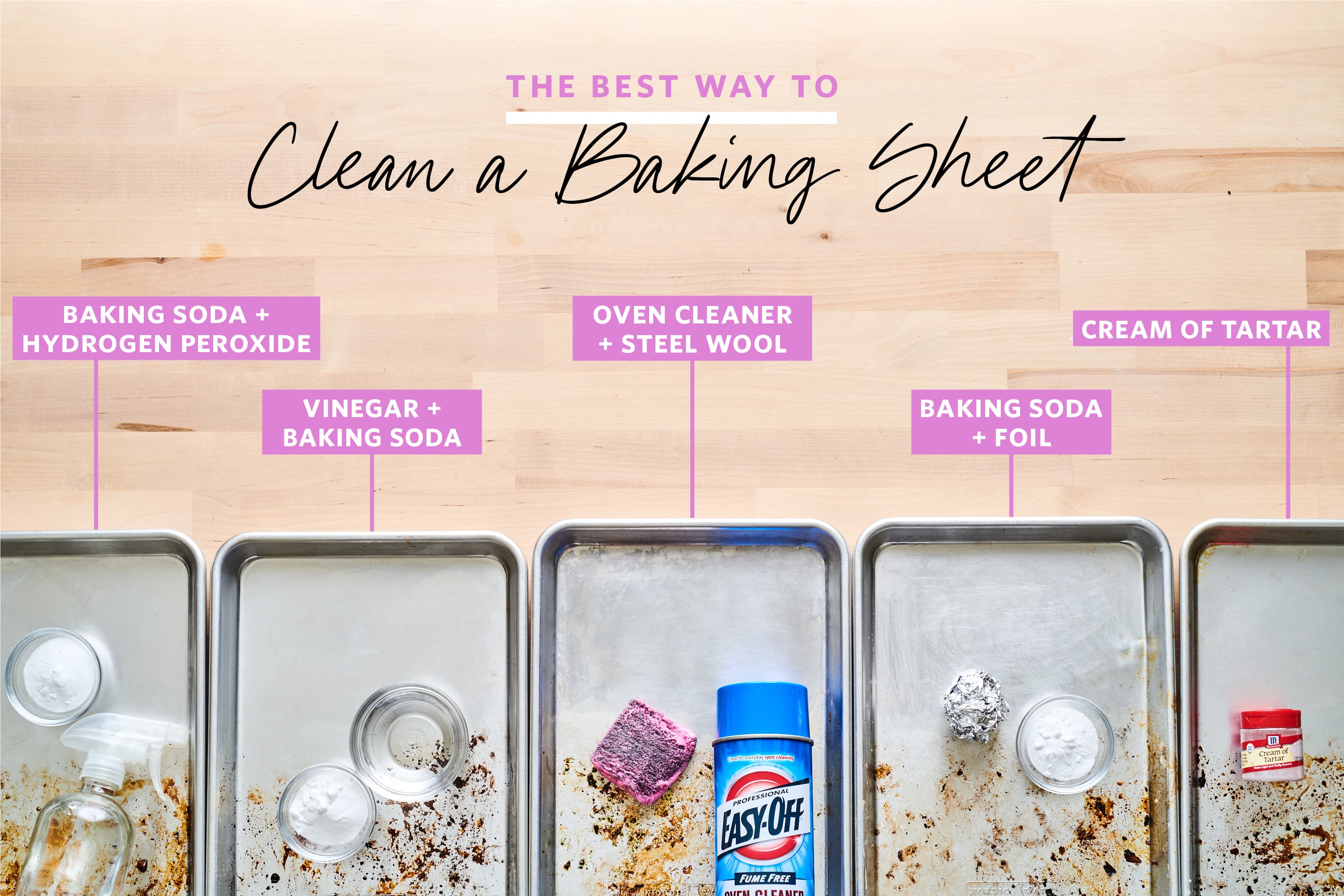
When simple soap and water don’t cut it, it’s time to try some advanced cleaning techniques. Baking soda and vinegar is a classic combination that works wonders. Sprinkle baking soda generously over the stained area, spray with vinegar, and let it fizz for a few minutes. Afterward, use a scrubber to gently scrub the stains away. This method works because the chemical reaction helps lift the grime off the surface. Another effective method is using hydrogen peroxide and baking soda. Create a paste and spread it on the stains, letting it sit for at least an hour. Scrub it off with a non-abrasive pad. This technique is particularly good for those tough spots that refuse to budge.When To Seek Professional Help
Sometimes, even the best techniques aren’t enough. If you’ve tried everything and the stains persist, it might be time to seek professional help. Professional cleaning services have tools and solutions that aren’t available to the average consumer. But when is it worth the cost? If your cookie sheet is expensive or holds sentimental value, investing in professional cleaning might save you from replacement costs. Have you ever thought about how much time you spend trying to clean a stubborn stain? Sometimes, outsourcing the problem can save you time and frustration. And if you frequently bake, a clean cookie sheet ensures even baking and better results, making it an investment in your culinary success. Remember, maintaining your kitchen tools extends their lifespan and keeps them in top condition, ensuring every baking session is as enjoyable as it should be.:strip_icc()/pouring-vinegar-baking-sheet-adabbf50-c379e36e2cc646db8fd120e905a03b8f.jpg)
Credit: www.bhg.com
Credit: www.cubbyathome.com
Frequently Asked Questions
How Do You Clean A Burnt Cookie Sheet?
To clean a burnt cookie sheet, sprinkle baking soda over the surface. Add a mixture of vinegar and water. Let it sit for 30 minutes. Scrub gently with a sponge or brush. Rinse thoroughly with warm water. This method effectively removes burnt-on residues.
Can I Use Vinegar On Cookie Sheets?
Yes, vinegar is safe for cleaning cookie sheets. Mix equal parts vinegar and water. Apply the solution to the surface. Let it sit for a few minutes. Wipe clean with a sponge or cloth. Rinse thoroughly to remove any residue.
Vinegar is great for cutting through grease.
What Is The Best Way To Clean Non-stick Sheets?
To clean non-stick sheets, use warm soapy water and a soft sponge. Avoid abrasive scrubbers that can damage the non-stick coating. Rinse thoroughly and dry with a clean towel. Regular cleaning helps maintain the sheet’s non-stick properties and extends its lifespan.
How Can I Remove Rust From Cookie Sheets?
To remove rust, make a paste using baking soda and water. Apply the paste to the rusty areas. Let it sit for 30 minutes. Scrub gently with a brush or sponge. Rinse thoroughly and dry completely. This method helps restore the sheet’s appearance.
Conclusion
Keeping your cookie sheets clean is easier than you think. Regular cleaning prevents build-up and extends their life. Use baking soda or vinegar for effective results. These methods are simple and cost-effective. Ensure your kitchen tools last longer. Avoid harsh chemicals; they may damage surfaces.
Try these simple steps today. Maintain your sheets with ease. Enjoy baking without the hassle of tough stains. A clean sheet means better baking outcomes. Spend less time cleaning, more time baking. Your cookie sheets will thank you. Happy baking!
