
Grease buildup leaves a filmy residue on your dishes and a sour smell in the tub. If you want to know how to remove grease buildup from a dishwasher, the fix starts with the filter and ends with a degreasing cycle. Most buildup comes from cooking oils and fatty food particles that survive a normal wash.
You can clear it with basic supplies and about an hour of your time.
Manufacturer specifications indicate that water should enter the machine at 120 degrees Fahrenheit or higher to cut through grease effectively. As of 2026, most dishwasher manuals still list that temperature as the minimum for detergent to work properly. When the water runs cooler, fat solidifies inside the drain sump and on the spray arms.
Let us start by looking at why the grease appears in the first place.
How to Remove Grease Buildup From a Dishwasher
Remove the filter and scrub it with hot soapy water. Wipe the door gasket and spray arms. Run an empty cycle with dishwasher cleaner.
Repeat every one to three months.
Why Grease Builds Up in Your Dishwasher
Grease buildup happens when cooking oils, butter, and fatty food residues do not fully wash away during a cycle. These particles cling to the filter, coat the drain sump, and form a film on the door gasket. Over time the layer thickens into grease sludge that blocks water flow and traps odors.
Dishwasher detergent works best when the incoming water is at least 120 degrees Fahrenheit. If your water heater is set lower, detergent cannot break down fat effectively. Hard water minerals can also trap grease against stainless steel or plastic surfaces, making the film harder to remove.
Using too little detergent or skipping the rinse aid leaves oily film behind. A self-cleaning filter handles some debris, but a manual filter traps grease until you remove it. Either way, the buildup returns unless you clean the machine on a schedule.
Households that regularly wash greasy cookware, such as baking sheets and frying pans, see buildup faster than those that mostly load glasses and silverware. Pre-rinsing dishes can reduce the amount of grease entering the machine, though modern dishwashers are designed to handle some food soil. Cloudy glasses and a sour smell are usually the first signs that the filter needs attention.
Powder, gel, and pods each handle grease differently. Powder often performs well in hard water, while pods offer convenience but may not dissolve fully in a short cycle. If you run mostly a short cycle, undiluted detergent can leave residue that mixes with grease.
Per ENERGY STAR appliance care guidance, routine filter care prevents the motor from working harder than necessary. You can also use the sanitize option on your machine to help break down oily residue during regular loads. High heat helps keep the drain path clear between deep cleans.
The drain hose carries dirty water out of the tub. If grease cools inside the hose, it can create a partial blockage that slows drainage. A slow drain lets dirty water sit in the sump, where more grease settles.
Checking the hose connection is part of a complete degreasing routine.
Garbage disposal connections can also trap grease where the dishwasher drain meets the disposal. Food ground in the disposal can wash back into the dishwasher hose if the loop is not installed correctly. An air gap prevents this backflow and keeps the drain line clear.
Check Your Filter Type Before You Start
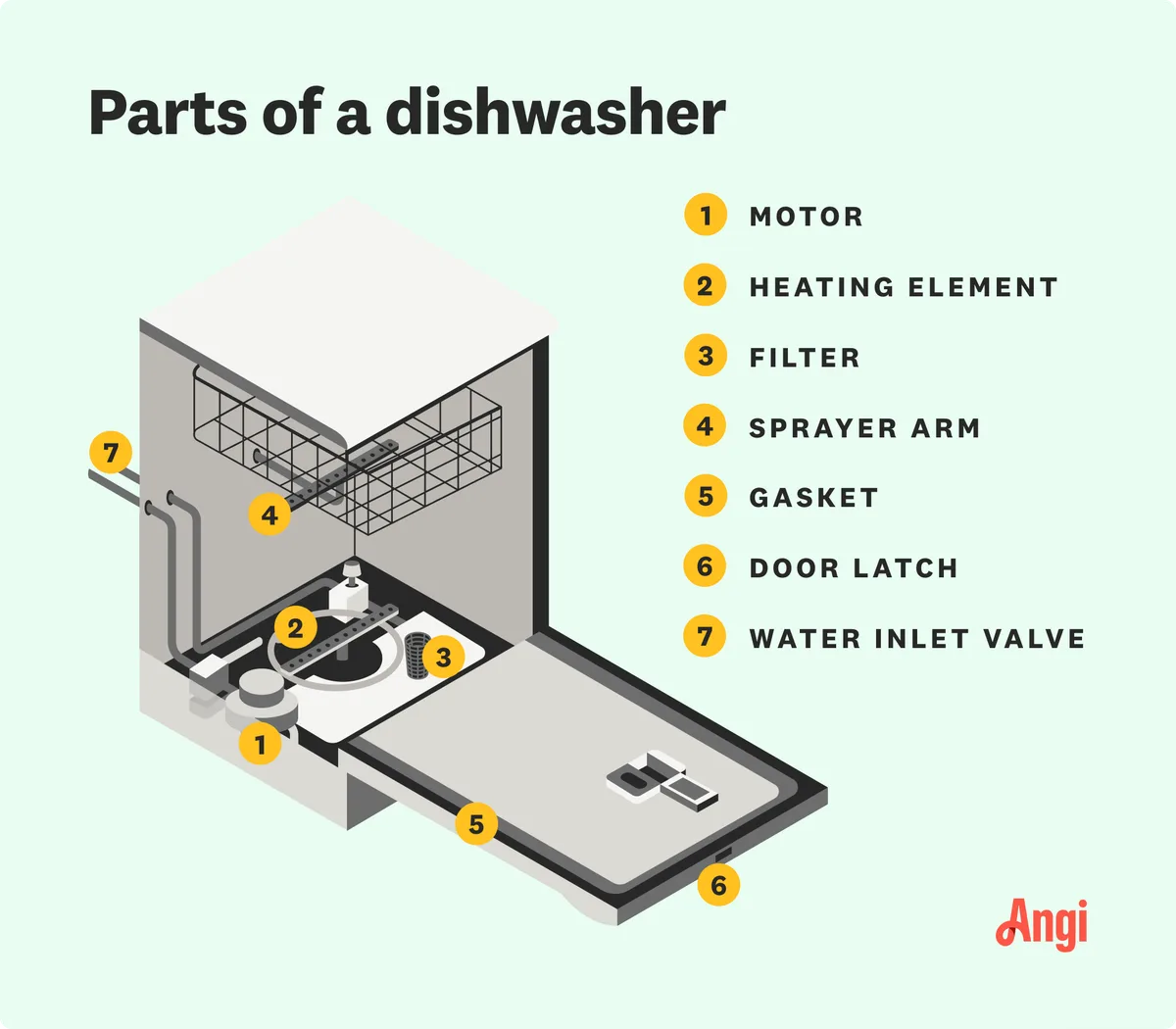
Before you scrub anything, identify which filter your dishwasher uses. The steps change based on whether you have a removable manual filter or a self-cleaning hard food disposer. Open the door and pull out the bottom rack to look at the tub floor.
A manual filter twists or lifts out by hand. It usually sits under the lower spray arm and has a fine mesh screen. If yours pulls out, you will need to soak and scrub it separately.
This type catches grease and food particles in a basket that fills up over time.
A self-cleaning filter stays in place and grinds food into small particles. It does not come out for cleaning, but the drain area still needs attention. Check your owner's manual to confirm which type you own.
Some models hide the filter behind a toe-kick panel or under a cover plate.
You only need a few common items. A flashlight helps you see under the spray arm. A soft brush or old toothbrush works for scrubbing.
Dish soap and hot water handle most grease. A microfiber cloth wipes the door gasket without scratching the tub.
| Filter Type | How to Clean | Frequency |
|---|---|---|
| Manual removable | Remove, soak, scrub | Monthly |
| Self-cleaning disposer | Run cleaner cycle | Every two to three months |
If you cannot find the filter, look for a cylindrical or rectangular piece near the spray arm base. Manufacturers place it where water exits the tub so it can catch debris before it reaches the drain pump. Knowing your filter type determines whether you need a screwdriver or just your hands.
Step-by-Step: Remove Grease by Filter Type
Manual Removable Filter
Empty the dishwasher and remove both racks. Take off the lower spray arm if it blocks the filter. Twist or lift the filter assembly out of the tub.
Soak the filter in hot water and dish soap for 15 to 30 minutes. Scrub both sides with a soft brush or old toothbrush. Pay special attention to the mesh screen where grease collects in layers.
Rinse well under running water and reinstall before running a cycle.
If the filter feels slimy even after scrubbing, soak it longer in a mix of hot water and white vinegar. Do not use steel wool or abrasive pads, which can damage the mesh and create spots where grease sticks more easily. Check for cracked plastic or broken tabs before you put the filter back.
Some manual filters have a secondary fine screen underneath the main basket. Remove that screen too if your model includes one. Rinse both pieces separately so no grease hides between layers.
Reassemble in the exact order you took them apart.
Self-Cleaning Filter (Hard Food Disposer)
Leave the filter in place. Clear visible debris from the drain area around it with a damp cloth. Run a degreasing cycle as described in the next section to break down internal buildup.
Check the drain hose and air gap if drainage seems slow. Weak water pressure can also leave grease behind on dishes after a wash. If the disposer makes unusual noises, food may be caught in the grinding chamber.
Some models have a chopper blade under the filter housing. If you are comfortable removing the lower panel, inspect that area for grease and glass fragments. Otherwise, rely on the degreasing cycle to keep the internal parts clear.
Clean the Spray Arms, Door Gasket, and Drain Area
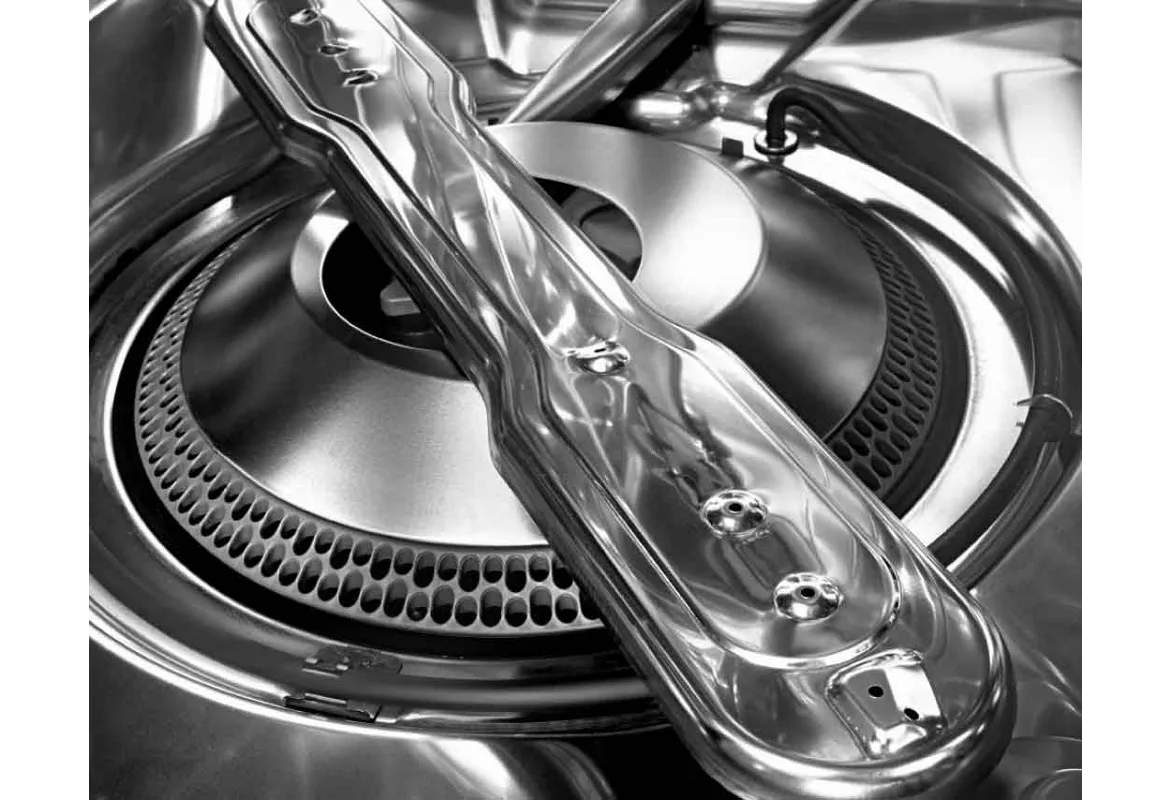
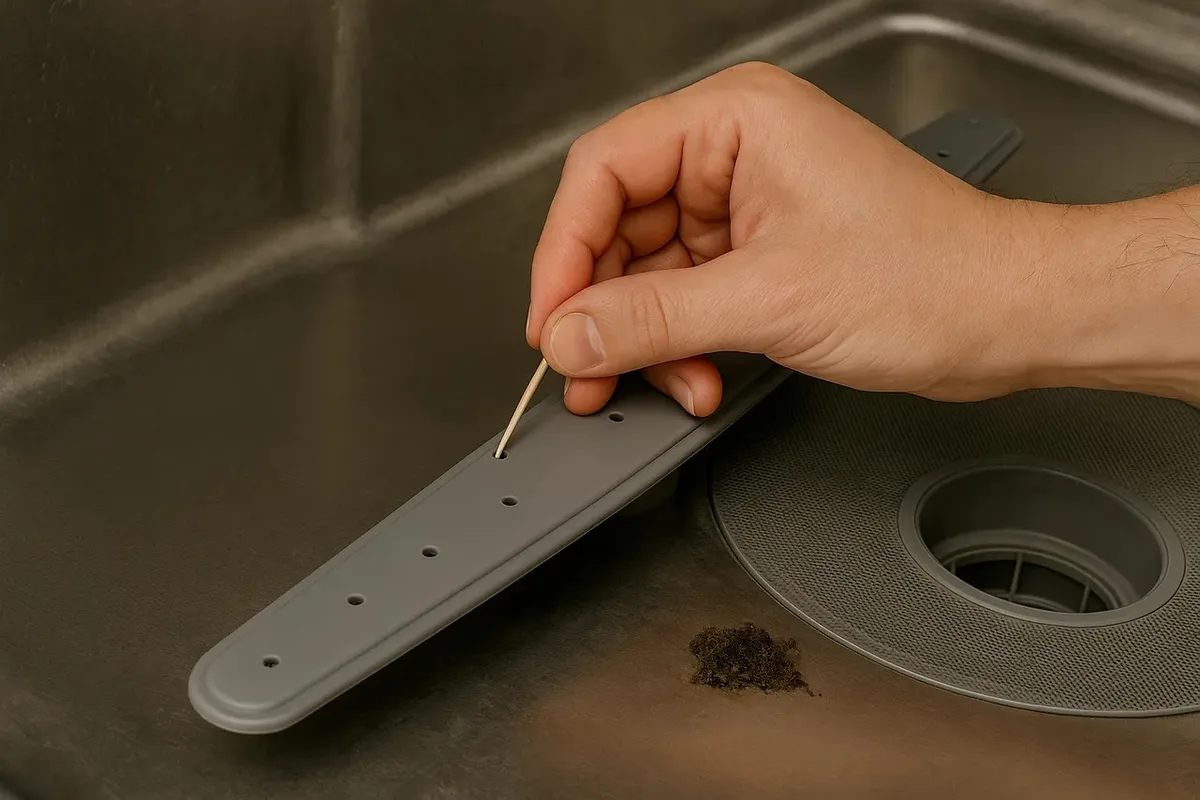
Spray arms spin on water pressure, so clogged holes reduce cleaning power. Grease and food particles plug the small nozzles along the upper and lower arms. Use a toothpick or stiff wire to push debris out of each hole.
Run water through the arms to confirm the spray pattern is even.
The door gasket traps grease along the front edge of the tub. Wipe it with a damp cloth and mild soap. Pay attention to the corners where grime hides.
A dirty gasket can also prevent the door from sealing tightly, which lets moisture escape and leaves dishes wet.
The drain sump sits at the bottom center and collects sludge. Scoop out visible grease and food bits before running a cleaning cycle. If your unit connects to a garbage disposal, check that the drain hose is not kinked.
A blocked air gap under the sink can also stop water from leaving the tub.
Some models have a removable sump cover you can lift out for cleaning. Others require you to reach through the drain opening. Wear rubber gloves because the sludge can smell and may contain sharp food fragments.
If water pools in the bottom after a cycle, the drain pump may be struggling. Confirm the air gap and hose route are clear. A clear drain path keeps grease from settling back into the tub.
Spray arm bearings can also collect grit. If an arm wobbles or does not spin freely, remove it and rinse the mounting area. A stuck arm leaves one side of the rack poorly washed.
Run a Degreasing Cycle: Cleaner, Vinegar, or Baking Soda
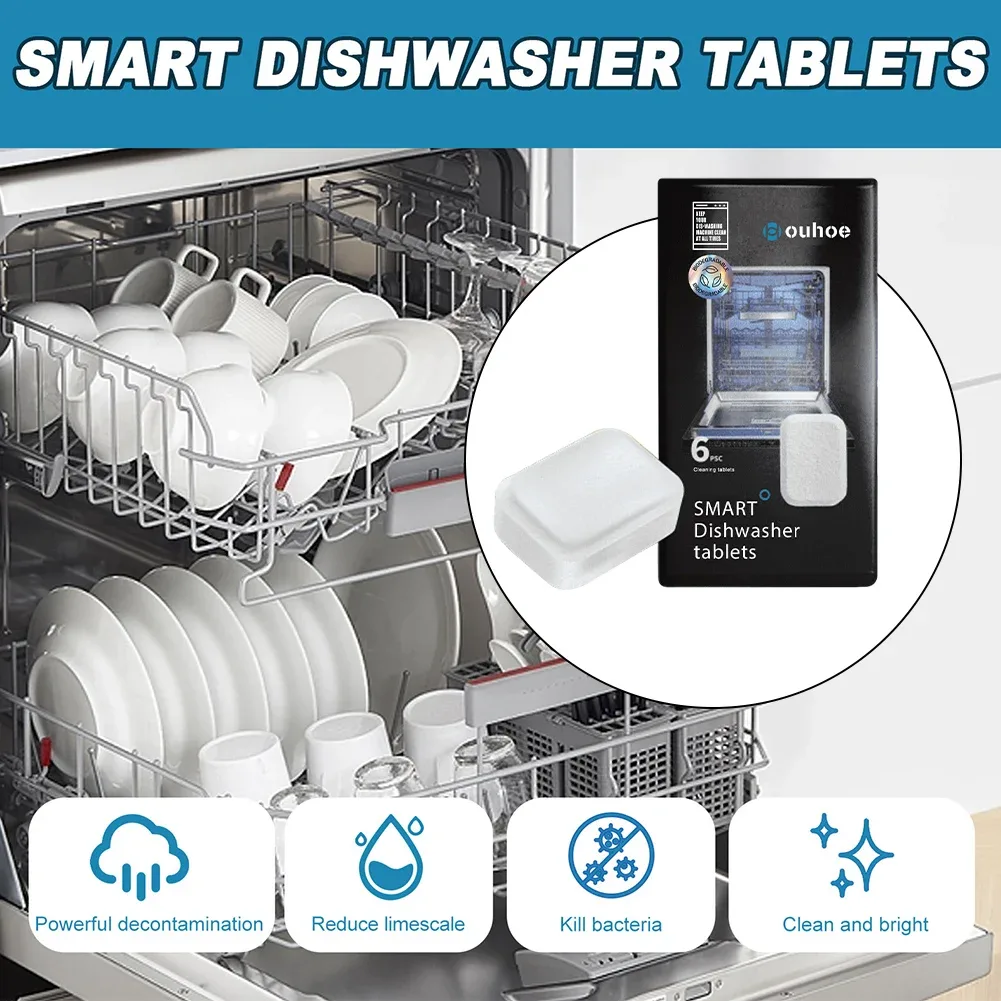
Run an empty cycle with a commercial dishwasher cleaner tablet placed in the detergent cup or tub bottom. Follow the package directions for water temperature and cycle length. This method handles heavy grease and mineral film in one pass.
White vinegar works as a mild degreaser, but some manufacturers warn against using it on rubber seals. Check your manual before pouring one cup into a dishwasher-safe bowl on the top rack. Run a normal hot cycle and let the machine finish completely.
Baking soda can freshen the tub but does not cut heavy grease on its own. Sprinkle one cup across the bottom and run a short hot cycle for light maintenance only. Never use chlorine bleach inside a stainless steel tub, as it can corrode the metal and damage rubber components.
| Method | Best For | Caution |
|---|---|---|
| Commercial cleaner | Heavy grease | Cost per use |
| White vinegar | Light film | Rubber seals |
| Baking soda | Odors | Weak degreaser |
Run the degreasing cycle once a month if you wash greasy pans often. Otherwise, every two to three months is enough for most households. After the cycle, leave the door ajar for a few minutes so the interior dries fully.
You can pair the cleaning cycle with a booster additive if your water is very hard. The booster additive helps the main detergent break down fat in cooler water. Citric acid is another option for mineral-heavy buildup, though it targets scale more than grease.
Mistakes That Make Grease Buildup Worse
Using regular dish soap instead of dishwasher detergent creates too many suds. The foam can leak onto your floor and leave a filmy residue inside the tub. Stick to detergent made for automatic dishwashers.
Overloading the racks blocks the spray arms. Water cannot reach every surface, so grease stays on plates and glasses. Load items with space between them so spray reaches all sides.
Skipping filter cleaning lets trapped grease harden. A caked filter reduces water flow and forces the pump to work harder. Remove and rinse the filter on schedule.
Running short or cool cycles leaves fat behind. Detergent needs hot water to break down grease. If your water heater is set too low, grease solidifies in the drain sump.
Poor water flow can also leave residue behind. If If you ignore slow drainage, dirty water sits in the bottom and redeposits grease onto clean dishes. Check the sink drain setup if water pools at the bottom of the tub.
Using too much detergent creates residue that mixes with grease. More soap does not mean cleaner dishes. Follow the fill line in the dispenser cup, or try a detergent booster if your water is hard.
Not scraping plates before loading adds food particles to the filter. Large bits clog the mesh and break down into sludge. Scrape excess food into the trash first.
How Often to Clean and Prevent Grease From Returning
Clean a removable filter every month or after about 30 wash cycles. A self-cleaning filter needs attention every two to three months. Mark your calendar so the task does not slip.
Run hot water at the kitchen sink before starting the dishwasher. This brings heated water into the tub right away. The [U.S.
Department of Energy](https://www.energy.gov) recommends setting your water heater to at least 120 degrees Fahrenheit for effective cleaning.
Scrape plates and bowls before loading them. You do not need to pre-wash, but removing large food chunks keeps the filter clear. Less food soil means less grease buildup over time.
Use the sanitize cycle occasionally for extra heat. High temperature helps break down oily film during normal loads. A quick wash cycle may not run long enough for heavy grease.
Leave the door ajar after a cycle so the interior dries. Moisture trapped inside can trap odors and encourage film. A dry tub stays cleaner between deep cleans.
Inspect spray arms every few months. Push a toothpick through the nozzles if spray looks uneven. Clear holes restore full water pressure.
Frequently Asked Questions
How do I know if my dishwasher has grease buildup?
Cloudy glassware, a sour smell, and slow drainage are common signs. You may also see a filmy residue on the door frame. Clean the filter and run a degreasing cycle if these appear.
Can I use vinegar to remove grease from my dishwasher?
Vinegar can help with light film, but some manufacturers warn against it on rubber seals. Check your owner's manual before using it. A commercial dishwasher cleaner is often safer for heavy grease.
Why does my dishwasher still smell after cleaning the filter?
Odors can come from the drain hose, air gap, or spray arms. Food particles trapped in the drain sump also cause smells. Wipe the gasket and run a cleaning cycle to clear it.
Can I run bleach through my dishwasher to degrease it?
Do not use bleach in a stainless steel tub. It can corrode the interior and damage rubber components. Use a dishwasher cleaner or citric acid instead.
How long does it take to clean a dishwasher filter?
Expect 15 to 30 minutes to soak and scrub the filter. Reinstallation takes only a few minutes. The full degreasing cycle adds another hour or two.
Will grease buildup damage my dishwasher?
Yes, it can strain the drain pump and reduce water pressure. Over time, buildup may lead to poor cleaning and mechanical wear. Regular filter care prevents expensive repairs.