
How to Use a Dishwasher Quick Wash Cycle is a common question when you have a small pile of dishes and limited time. The quick wash cycle is a shorter program that uses less water and energy than a normal wash. It works well for lightly soiled items, but it isn't a magic bullet for every type of grime.
Per Energy Star specifications, a quick wash uses about 3.5 gallons of water and runs for roughly 30 to 45 minutes. That's significantly less than the 10 to 15 gallons used in a normal cycle, making it an attractive option for small loads. The lower temperature and shorter time also mean you need to load the machine correctly and choose the right detergent.
In the sections below we'll explore the common problems, when to use it, and how to get the best results.
How to Use a Dishwasher Quick Wash Cycle Effectively
How to Use a Dishwasher Quick Wash Cycle
To use the dishwasher quick wash cycle, press the Quick Wash button. Load dishes with space between them for water to reach all surfaces. Add the recommended detergent amount before closing the door.
The cycle runs for about 30 to 45 minutes. It works best for lightly soiled dishes.
Common Problems with Quick Wash Cycles
Quick wash cycles can leave dishes dirty if you skip basic prep. The most common issues include leftover food, detergent residue, and spots.
- Overloading the rack blocks spray arms and prevents water from reaching dishes.
- Using too little detergent reduces cleaning power.
- Cold water intake can lower the wash temperature below the optimal 120°F.
- A clogged filter drains slowly and causes pooling water.
- Hard water leaves mineral spots on glassware.
If you notice detergent pods not dissolving, our guide on fixing detergent pod issues can help. For low water pressure that weakens spray, check the low water pressure troubleshooting page.
When to Use the Quick Wash Cycle
The quick wash shines when you have a small load of lightly soiled dishes. It's ideal for breakfast dishes, lunch containers, or a few plates after a casual meal.
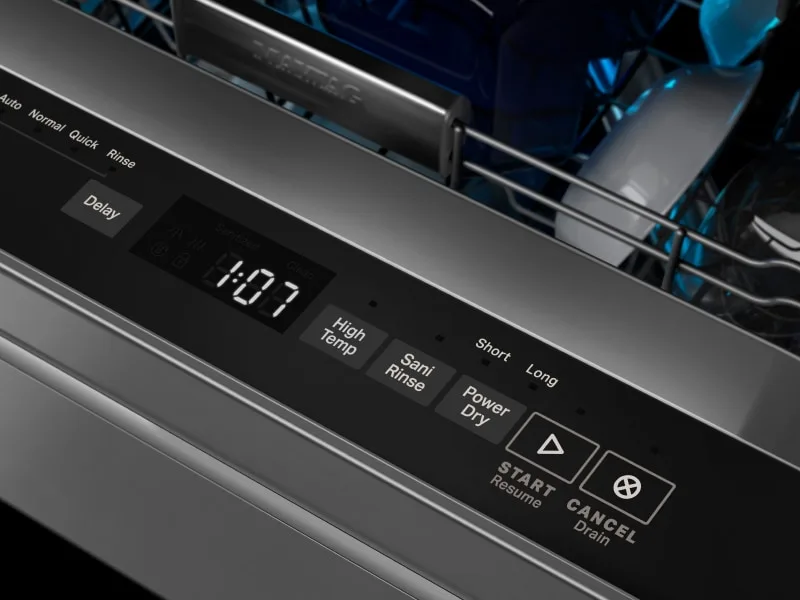
Image source: Bing (Web (fair-use with source credit))
Avoid using it for pots with baked‑on cheese or pans with burnt residue. Those need a longer cycle or pre‑soaking.
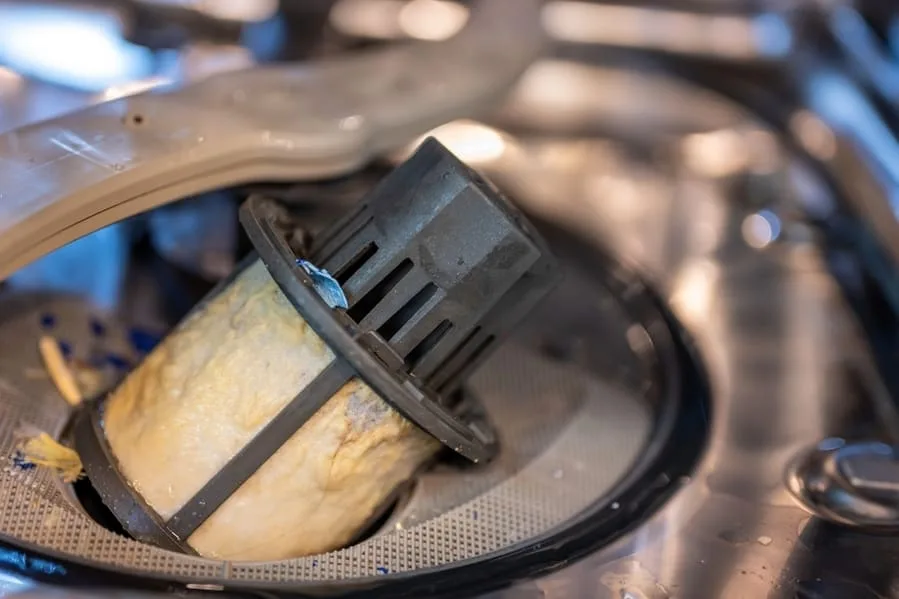
Image source: Bing (Web (fair-use with source credit))
A clogged filter can make even a quick wash ineffective, so keep the filter clean. For tips on loading for best results, see our rack layout guide.
How the Quick Wash Cycle Works
The cycle uses a shorter version of the standard wash. Water enters the tub and is heated to a lower temperature, typically between 120 and 130°F. Spray arms rotate to distribute water over the dishes.
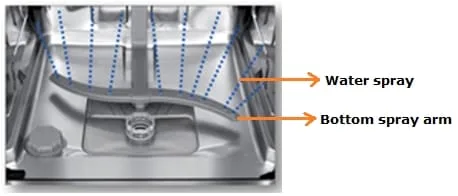
Image source: Bing (Web (fair-use with source credit))
The shorter duration means the cycle runs for 30 to 45 minutes, compared to 90 minutes for a normal wash. It also uses less water, around 3.5 gallons. The detergent must dissolve quickly, so avoid using pods in very cold water.
If your machine stops mid‑cycle, check out our cycle stopping issues article.
Key Features of the Quick Wash Cycle
| Feature | Typical Value | Note |
|---|---|---|
| Cycle duration | 30 to 45 minutes | Shorter than normal wash |
| Water consumption | 3.5 to 5 gallons | Lower than standard cycle |
| Water temperature | 120 to 130°F | May vary by model |
| Energy use | Reduced | Saves electricity |
| Soil sensor | Some models | Adjusts wash time |
These specs come from manufacturer data and Energy Star ratings as of 2026.
Pros and Cons of Using Quick Wash
Pros:
- Saves time when you need clean dishes fast.
- Uses less water and energy.
- Good for small households.
Cons:
- Not effective on heavy soil.
- May require pre‑scraping.
- Detergent must dissolve quickly.
You can read more about dishwasher rack layout to ensure proper loading.
Step-by-Step Guide to Using Quick Wash
Start by scraping plates. A quick rinse is fine but avoid soaking.
Load the dishwasher with space between items. Spray arms need room to spin.
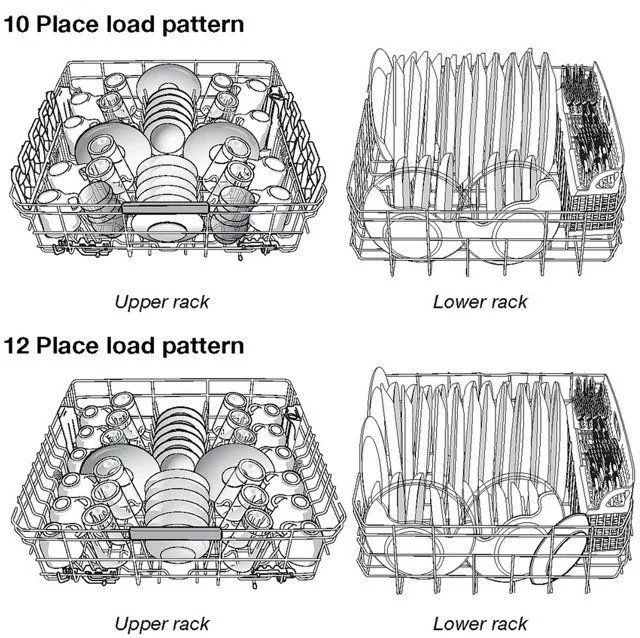
Image source: Bing (Web (fair-use with source credit))
Add detergent. Use the recommended amount for a small load. Powder or gel works well.
Pods may not dissolve in cold water.
Select the quick wash button. The control panel shows a clock icon or the words "quick wash".
Press it and close the door.
Start the cycle. The machine will fill with water and heat it to about 120°F.
The cycle runs for 30 to 45 minutes.
Unload promptly after the cycle ends. Dishes will be warm and dry.
If you wait, moisture may re‑condense.
For tips on loading for best results, see our rack layout guide.
Best Use Cases for Quick Wash
The quick wash shines with lightly soiled dishes. It is perfect for breakfast plates, coffee mugs, or a few utensils after a snack.
Small households benefit from the lower water use. If you live alone or with one other, the quick wash avoids running a full cycle for a few items.
Busy professionals can use it after work. A quick load of lunch containers or dinner dishes saves time.
It also works well in apartments where noise is a concern. The shorter cycle is quieter than a normal wash.
Avoid using it for pots with baked‑on cheese or pans with burnt residue. Those need a longer cycle or pre‑soaking.
For heavy soil, consider a dishwasher designed for heavy residue.
Mistakes to Avoid with Quick Wash
Overloading the rack blocks spray arms. Leave space between dishes for water to reach all surfaces.
Using too little detergent reduces cleaning power. Follow the manufacturer's dosage for a small load.
Ignoring the filter lets food debris clog drainage. Clean the filter monthly to keep the quick wash effective.
Running the cycle with cold water lowers the wash temperature. Most detergents need at least 120°F to dissolve.
Forgetting rinse aid can leave spots on glassware. Add rinse aid to the dispenser before starting.
If you notice detergent pods not dissolving, our guide on fixing detergent pod issues can help.
Quick Wash vs. Normal Wash: Which to Choose?
The quick wash runs for 30 to 45 minutes. The normal wash takes 90 minutes or more.
| Cycle | Duration | Water Use | Temperature | Best For |
|---|---|---|---|---|
| Quick Wash | 30–45 min | 3.5–5 gal | 120–130°F | Light soil, small loads |
| Normal Wash | 90+ min | 10–15 gal | 130–150°F | Heavy soil, full loads |
Use quick wash when you have a few dishes and time is short. Choose normal wash for pots, pans, or heavily soiled items.
If your machine stops mid‑cycle, check out our cycle stopping issues article.
Pro Tips for Better Quick Wash Results
Scrape plates thoroughly before loading. A quick rinse is fine but avoid soaking.
Use the right detergent. Powder or gel dissolves faster than pods in cooler water.
Add rinse aid to the dispenser. It prevents spots and helps drying.
Check the spray arms. Remove any debris that could block the jets.
Clean the filter monthly. A clogged filter reduces drainage and cleaning power.
Run a monthly maintenance cycle with a dishwasher cleaner. It removes buildup that can affect the quick wash.
For more on dishwasher maintenance, see our drying troubleshooting guide.
Maintaining Your Dishwasher for Optimal Quick Wash
Regular maintenance keeps the quick wash cycle working well. Clean the filter every month. Food debris clogs drainage and causes pooling water.
Check the spray arms for blockages. A blocked arm reduces cleaning power.
Run a monthly cleaning cycle with a dishwasher cleaner. It removes buildup that can affect performance.
Wipe the door seal with a damp cloth. A clean seal prevents leaks.
Frequently Asked Questions About Quick Wash
How long does a quick wash cycle take?
A quick wash cycle runs for about 30 to 45 minutes. The exact time depends on your model and soil level. Some newer models offer a 20‑minute express option.
Check your control panel for the estimated duration.
What temperature does the quick wash cycle use?
The quick wash cycle typically uses water between 120°F and 130°F. This is lower than a normal wash, which can reach 150°F. The cooler temperature still effectively cleans lightly soiled dishes.
Can I use detergent pods in a quick wash cycle?
You can use pods, but they may not dissolve fully in cooler water. Powder or gel detergent dissolves faster and is often more reliable. If you use pods, place them directly in the detergent cup.
Is the quick wash cycle safe for all dishes?
The quick wash cycle is safe for everyday dishes, glassware, and utensils. Avoid using it for pots with baked‑on food or heavily soiled items. Delicate items should be secured in the rack to prevent shifting.
Why are my dishes still dirty after a quick wash?
Common causes include overloading, insufficient detergent, or a clogged filter. Check that spray arms are unobstructed and that the filter is clean. Pre‑scrape plates to remove large food particles.
Final Decision Guide: Is Quick Wash Right for You?
Use the quick wash cycle when you have a small load of lightly soiled dishes. It saves time and energy.
Avoid it for heavy soil, such as pots with burnt residue. Those need a longer cycle or pre‑soaking.
If you live alone or with one other, the quick wash is often the most efficient choice.
If you have a large family or cook frequently, you may still need a normal wash for bigger loads.
Consider your water and energy costs. The quick wash uses less of both, which can lower your utility bill.
Per the U.S. Department of Energy, dishwashers are often more efficient than washing by hand.
For a dishwasher designed for heavy residue, see our buying guide.
