
How to Use a Dishwasher Leak Detector is a practical skill that can save you from costly water damage. A small sensor placed near the appliance can alert you the moment water escapes, often before it reaches the floor. Many homeowners overlook this simple safeguard until a puddle appears under the kitchen cabinet.
As of 2026, the U.S. Environmental Protection Agency estimates that household leaks waste more than 1 trillion gallons of water each year, underscoring why early detection matters. A leak detector can catch a slow drip that might otherwise go unnoticed for weeks.
The first step is understanding why dishwasher leaks are a hidden hazard.
How to Use a Dishwasher Leak Detector
Place the sensor on the floor near the dishwasher.
Connect it to power or insert the battery.
Run a test cycle to verify the alarm sounds.
Inspect the unit weekly for proper operation.
Replace the battery every six months for reliability.
Problem / Pain Point: Why Dishwasher Leaks Are a Hidden Hazard
Dishwasher leaks often start as a slow seep that you cannot see because the appliance sits in a dark cabinet. Water pools under the unit, hidden from view, until it warps the floor or damages the cabinet base. The first sign might be a musty odor or a soft spot on the toe kick.
Because the leak is concealed, it can grow into a major repair before you notice. A small drip can turn into a steady stream that soaks the subfloor within hours. This hidden nature makes early detection critical for any household.
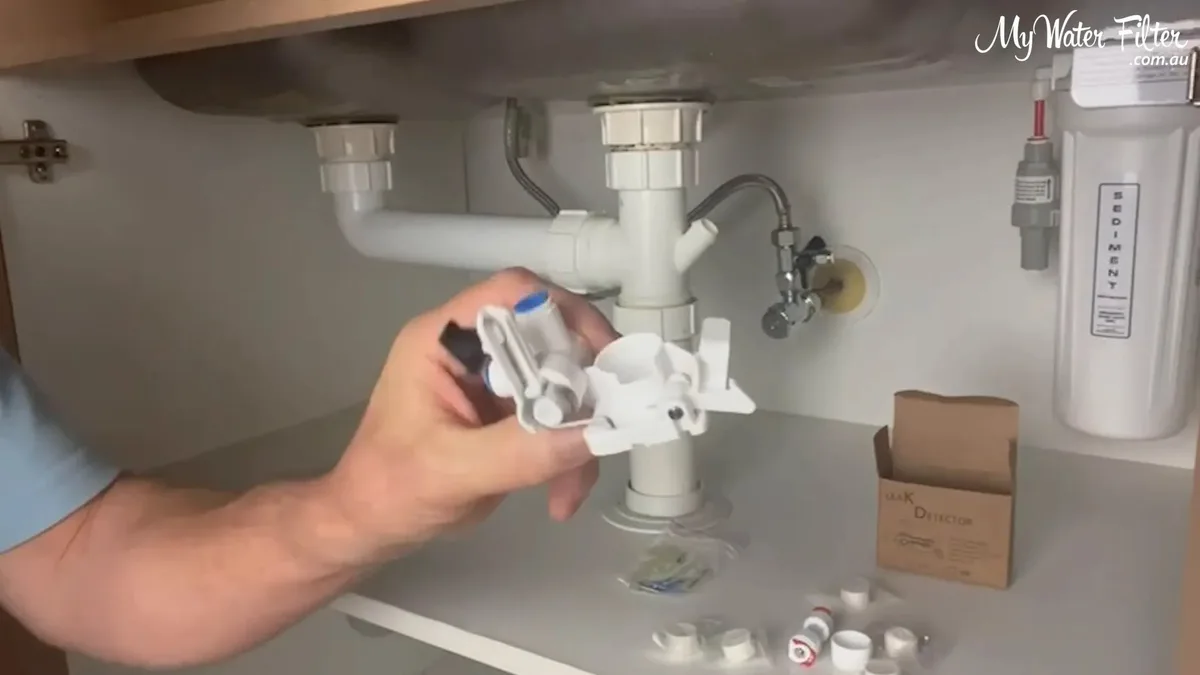
Understanding the plumbing layout under a typical sink can help you spot where a leak might start.
The U.S. Environmental EPA reports that leaks can waste thousands of gallons each year (EPA). The cost of ignoring a leak can exceed $1,000 in water damage and mold remediation.
Homeowners insurance may not cover gradual leaks, leaving you with the full bill. Protecting your kitchen is easier with a reliable detector.
Core Explanation / How It Works: What a Leak Detector Actually Does
A dishwasher leak detector is a small electronic device that senses moisture on the floor. Most models use a pair of conductive probes that complete a circuit when water bridges the gap. When the circuit closes, the unit sounds an alarm or sends a signal to your phone.
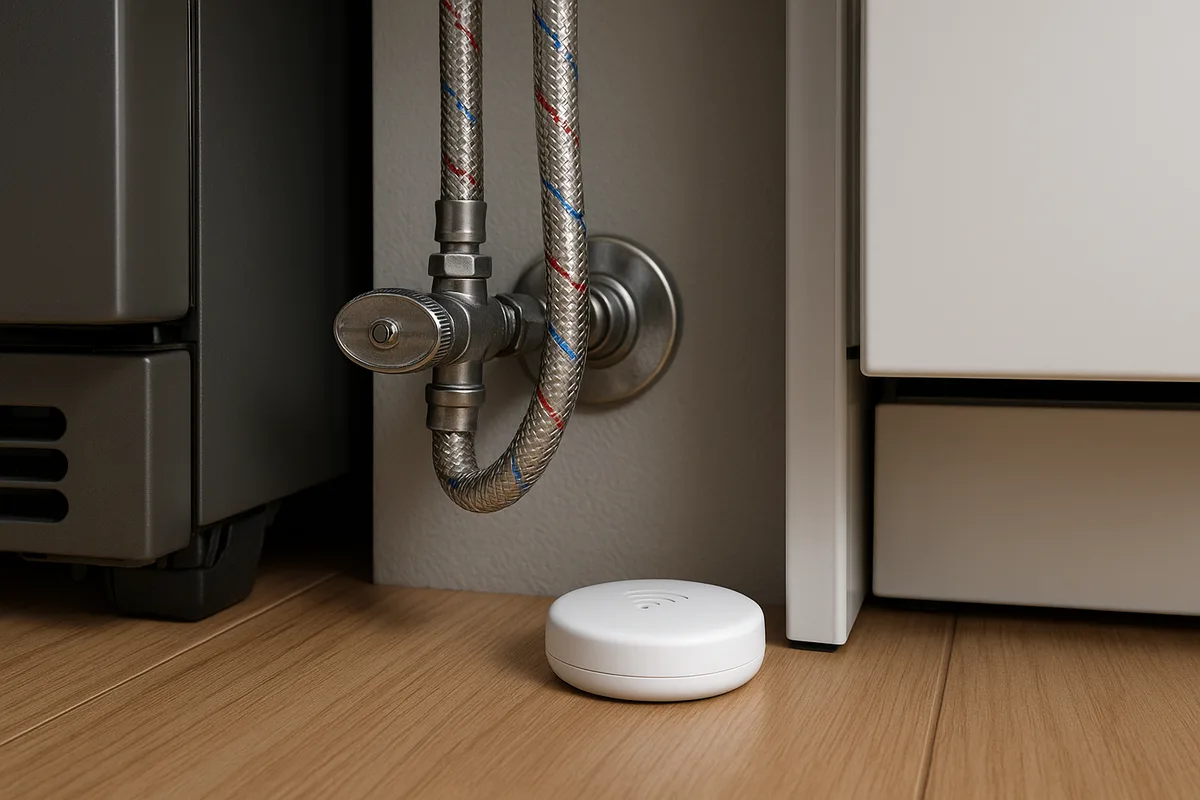
The sensor can be placed directly under the appliance or along the water supply line. Some detectors also include a float switch that triggers when water rises above a certain level. The trigger mechanism is simple, but the reliability depends on correct placement.
If you suspect a blockage, check for low water pressure issues that could precede a leak.
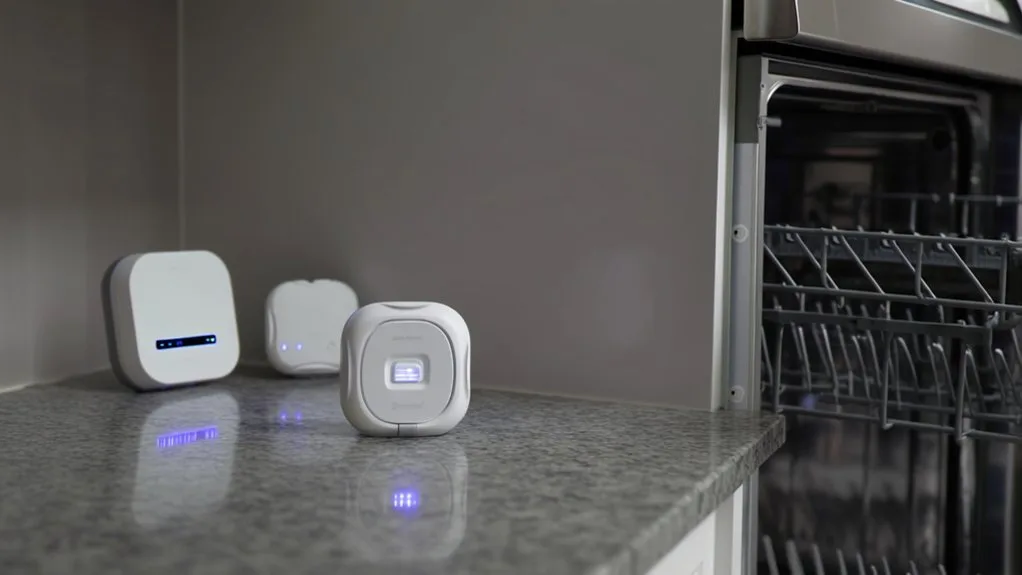
Modern smart detectors connect to your home Wi‑Fi and can integrate with voice assistants. They often provide a mobile app that shows real‑time status and historical alerts. This connectivity adds convenience but requires a stable network.
Features / Components / What's Inside: Key Traits to Look For
When you shop for a detector, focus on the sensor type, power source, and alert method. Capacitive sensors work without direct contact and are less prone to false alarms from condensation. Conductive probes are inexpensive but may corrode over time.
| Feature | Basic Model | Smart Model |
|---|---|---|
| Sensor type | Conductive probe | Capacitive or dual |
| Power | 1 AA battery | Rechargeable or hardwired |
| Alert | Buzzer | App notification + buzzer |
| Range | 3 ft radius | Whole floor via Wi‑Fi |
| Price | $15–$30 | $50–$100 |
A battery powered unit is easy to install, while a hardwired version offers constant power but may require an electrician. Look for an IP rating of at least IP65 if you plan to place it in a damp area. A self‑test button lets you verify the alarm without introducing water.
For homes that already have a dedicated circuit, pairing a hardwired detector with a replacing a hardwired dishwasher setup can simplify installation. The detector should be positioned where water would pool, not where condensation might drip.
Benefits & Drawbacks / Pros and Cons: Weighing the Value
The main benefit of a leak detector is early warning, which can prevent thousands of dollars in damage. It also gives peace of mind when you leave the house for extended periods. Many models are inexpensive and can be installed in under ten minutes.
On the downside, false alarms can occur from steam or condensation, especially in high‑efficiency dishwashers. Smart units depend on a reliable Wi‑Fi connection; if the network goes down, you lose remote alerts. Battery powered models need periodic replacement, which is easy to forget.
A leak can also cause the dishwasher stopping mid cycle, which is another sign of water intrusion. In some cases, water exposure can cause the dishwasher that wont turn off. Overall, the protection outweighs the minor hassles for most homeowners.
Choosing a model with a humidity filter can reduce false triggers. The small cost is justified by the risk reduction.
Comparison / Alternatives / Options: Basic vs. Smart vs. Manual Checks
You have three main ways to monitor for leaks: a basic detector, a smart detector, or manual inspection. A basic unit costs little and sounds a local alarm, making it suitable for renters or small spaces. A smart detector adds remote alerts and can shut off a water valve automatically.
Manual checks involve visually inspecting the floor and supply lines each week. This method is free but relies on you remembering to look and on being able to see the area. It is easy to miss a slow drip that starts behind the appliance.
For most families, a basic detector offers the best balance of price and protection. If you travel often or want integration with home automation, a smart model is worth the extra cost. Manual checks can serve as a backup but should not be the only safeguard.
Use Cases / Best For / Who It's Right For: Matching the Detector to Your Situation
A leak detector is not just for old dishwashers. It makes sense for anyone who wants to avoid a surprise flood. If you have a home with hardwood or laminate floors, the sensor can save you from a costly replacement.
Renters who cannot modify plumbing can still place a battery powered unit on the floor. Owners of vacation homes benefit from remote alerts that work while they are away. Families with small children also gain extra peace of mind because a leak can damage cabinets and create a slip hazard.
Homeowners with aging appliances often see slow drips that go unnoticed for weeks. A detector can catch these early, before the water warps the subfloor. If your dishwasher is more than ten years old, the risk of a failed door seal or loose hose increases.
In these cases, the sensor acts as an inexpensive insurance policy. The cost of a basic model is less than the price of a single repair call.
Renters appreciate that a battery powered detector requires no drilling or permanent wiring. You can stick it under the unit with adhesive tape and remove it when you move out. Landlords may even offer a discount on rent for tenants who install one, since it reduces the chance of a damage claim.
Some cities have rental safety ordinances that encourage smoke and water detectors.
Vacation home owners can check the app from anywhere. If a pipe bursts while you are on a plane, you get an alert before the house floods. This remote monitoring is especially valuable in cold climates where a power outage can cause pipes to freeze and leak.
A smart detector can also send a text message if the temperature drops below a threshold.
Families with small children benefit from the extra warning time. A leak can ruin a cabinet base and create a breeding ground for mold. The detector gives you a chance to shut off the water before the area becomes hazardous.
Children are more sensitive to mold spores, so early detection protects their health.
Commercial kitchens, such as those in small cafés or home bakeries, must meet health codes. A leak can contaminate food preparation areas and lead to fines. The device provides a simple way to monitor the appliance around the clock.
Some insurance providers offer lower premiums for businesses that install water leak detectors.
Elderly households benefit from the audible alarm. A loud beep can be heard even if the person is hard of hearing. Some models have a strobe light that flashes, which is helpful for those with hearing loss.
People with mobility issues may struggle to reach the main water shut‑off valve. A detector that sends a phone alert gives them time to call for help. In some smart systems, you can program the detector to close an automatic valve, removing the need to physically turn off the water.
Pet owners should also consider a detector. A curious dog might pull on a loose hose and cause a leak. The sensor will alert you before the pet can drink from the puddle and get sick.
- Homeowners with older dishwashers.
- Renters who cannot alter plumbing.
- Owners of second homes or rental properties.
- Families with young children.
- Small food service businesses.
- Elderly individuals or those with hearing loss.
- Pet owners.
If you live in a multi‑family building, a detector can alert you to a leak from an upstairs unit before it damages your ceiling. In this scenario, the sensor is part of a broader home safety plan that includes smoke alarms and carbon monoxide detectors. You can also link it to a smart home hub to receive alerts on your phone.
Step-by-Step Process / How to Guide: Setting Up and Using Your Detector
Setting up a leak detector is straightforward and takes about ten minutes. Follow these steps to get reliable protection.
- Unbox the unit and check for the sensor probe, mounting tape, and battery.
- Choose a spot on the floor directly under the dishwasher or next to the water supply.
- Clean the area with a dry cloth so the adhesive sticks well.
- Attach the sensor using the provided tape or screws.
- Insert the battery or plug in the power adapter.
- Press the test button to confirm the alarm sounds.
- Run a short dishwasher cycle to verify the detector stays quiet.
If you have a smart model, download the companion app and connect the device to your Wi‑Fi. The app will guide you through naming the sensor and setting alert preferences. For a hardwired version, turn off the breaker before connecting the wires, then restore power and test.
After installation, check the detector weekly by pressing the test button. A quick beep confirms the circuit is intact. If the alarm sounds during a normal cycle, move the sensor slightly away from the appliance to avoid false triggers from steam.
What to do if the alarm sounds while you are away. The first step is to locate the main water shut‑off valve. Most homes have a valve near the water heater or under the sink.
Turn it off, then call a plumber if you cannot stop the leak yourself. Some smart detectors can close an electronic valve automatically, but you should still verify the shut‑off works.
If the detector chirps intermittently, it may be a low‑battery warning. Replace the battery immediately. A weak alarm can be missed over a loud cycle.
For a hardwired unit, check the wire connections annually. Corrosion can break the circuit and cause a false quiet. Use a multimeter to test continuity if you suspect a fault.
If you have a dishwasher that keeps stopping mid cycle, a leak may be the cause. Inspect the door seal and the tub for cracks before you rely on the detector. A damaged seal can let water escape and trigger the alarm even when the floor is dry.
Troubleshooting Common Issues
If the alarm sounds when the dishwasher is not running, check for condensation. High‑efficiency models produce steam that can condense on the floor. Move the sensor a few inches away or use a model with a humidity filter.
If the test button does not produce a sound, the battery may be dead or the contacts may be dirty. Replace the battery and wipe the probes with a dry cloth.
If the smart app shows the device as offline, verify the Wi‑Fi signal. A weak signal can cause delayed alerts. Place the router closer or use a mesh extender.
Mistakes to Avoid / Common Errors
Even simple devices can be misused. One common mistake is placing the sensor too far from the appliance. Water flows toward the lowest point, so the detector must sit where pooling will occur.
Another error is ignoring the battery life. A dead unit gives no warning when a leak starts.
Some users forget to clean the sensor probes. Mineral buildup can insulate the contacts and prevent the circuit from closing. Others set off the alarm by placing the unit directly under the spray arm, where condensation drips constantly.
Move the sensor a few inches away if false alarms persist.
- Position the sensor under the lowest point of the tub.
- Replace the battery every six months.
- Keep the probes free of dust and soap film.
- Avoid placing the unit in direct line with the spray arm.
- Test the alarm after any dishwasher repair.
If you recently repaired a dishwasher that wont dissolve detergent pods, verify the seal before relying on the detector. A faulty door gasket can let water escape and trigger the alarm even when the floor is dry.
Another frequent error is using the detector as the only safeguard. Relying solely on the sensor without periodic visual checks can leave you vulnerable. A slow leak behind the unit may not reach the sensor quickly.
Combine the detector with a monthly inspection of the door seal and supply lines.
Some people install the unit on a shelf inside the cabinet. Water may drip down the side and miss the sensor entirely. Always place it on the floor where water will pool.
If you have a dishwasher rack that wont slide, be careful when pulling it out. A sudden movement can dislodge a loose hose and cause a leak. The detector will alert you, but you can prevent the issue by handling the rack gently.
Do not place the sensor on a rubber mat. Water can pool under the mat without touching the sensor. Do not use the detector as a substitute for a functioning drain hose.
A kinked hose can cause a leak that the sensor may not detect in time. Do not ignore the manufacturer's instructions. Some models require a specific orientation for the probes.
Safety / Legal / Compliance / Warnings
A leak detector is a low‑voltage device, but you should still observe basic safety rules. Look for a UL listing to confirm the unit meets electrical safety standards. Do not modify the power cord or use an extension cord unless the manufacturer approves it.
Install the detector away from direct water spray to prolong its life. If you are hardwiring the unit, turn off the circuit breaker at the panel before connecting wires. The National Fire Protection Association recommends keeping the area around the appliance clear of combustible materials (NFPA).
Some local building codes require a leak shutoff valve in new construction; check with your inspector before you begin.
Battery disposal is another consideration. Alkaline batteries should be recycled at a designated facility. Do not throw them in the trash, as they can leak and damage the environment.
If you live in an area with a high water table, consider a model with a built‑in float switch. This type triggers when water rises above a certain level, providing an extra layer of protection. In flood‑prone regions, you may need to comply with additional insurance requirements.
Contact your provider to see if installing a detector qualifies you for a discount.
Some states have regulations on water conservation that affect dishwasher operation. For example, California's Title 24 requires certain efficiency standards. A leak detector can help you meet these goals by preventing water waste.
Check your local energy efficiency program for specific guidelines.
Many homeowners insurance policies offer a small discount for installing water leak detectors. Check with your agent to see if your policy qualifies. Landlords may be required by state law to provide working smoke and carbon monoxide detectors, but water detectors are often recommended.
In some jurisdictions, a leak detector can reduce liability in a rental unit. If a tenant installs one and a leak occurs, the landlord may be able to prove that the tenant was notified promptly.
Maintenance / Long-Term Optimization
A detector that works today can fail tomorrow if you neglect it. Start with a monthly test: press the test button and confirm the alarm sounds. If the unit is smart, review the app log for any missed alerts.
Clean the sensor probes with a soft cloth dampened with white vinegar to remove mineral deposits.
Replace the battery on a schedule, not when the low‑battery warning appears. A good rule is to swap it out when you change your clocks for daylight saving time. For hardwired models, inspect the wire connections annually for signs of corrosion.
If you live in an area with hard water, consider a model with a humidity filter. This feature reduces false alarms caused by condensation. Some advanced units can integrate with a smart home automation system to trigger a water shutoff valve automatically.
That extra layer of protection can stop a leak before it reaches the floor.
Create a maintenance log to track battery changes and test results. A simple note on your phone or a calendar reminder works well. If you notice the alarm sounding more often, investigate the source.
Frequent alerts may indicate a persistent leak or a sensor that needs cleaning.
For homes with multiple appliances, consider a centralized system that monitors all water sources. These systems often include sensors for the washing machine, water heater, and dishwasher in one app. They provide a comprehensive view of your home's water safety.
If you have a dishwasher that wont dry dishes, excess moisture may be condensing on the floor. A detector with a humidity sensor can distinguish between a leak and normal condensation, reducing false alarms.
Before the winter season, test the detector and replace the battery before you leave for vacation. Frozen pipes can burst and cause a massive leak. A detector with a temperature sensor can alert you if the room drops below freezing.
After a long vacation, run a test cycle before you leave. This ensures the unit is functioning and gives you peace of mind.
Costs / Pricing / Data / Specs
A leak detector ranges from $15 to $100, depending on the features. Basic models cost $15 to $30 and include a conductive probe and a buzzer. Mid-range units cost $30 to $60 and may add a rechargeable battery or a larger detection radius.
Smart detectors cost $50 to $100 and provide app notifications, voice assistant integration, and sometimes a water shutoff valve.
| Tier | Price | Sensor Type | Power | Alert | Best For |
|---|---|---|---|---|---|
| Basic | $15–$30 | Conductive probe | 1 AA battery | Local buzzer | Renters, small spaces |
| Mid-Range | $30–$60 | Capacitive or dual | Rechargeable or hardwired | Buzzer + LED | Homeowners, vacation homes |
| Smart | $50–$100 | Capacitive or dual | Rechargeable or hardwired | App + buzzer + voice | Tech-savvy, frequent travelers |
Battery life typically spans 6 to 24 months, depending on the model and usage. Detection time averages 5 to 30 seconds after water touches the probes. Look for an IP rating of at least IP65 if you plan to place the unit in a damp area.
Some models include a self-test button that verifies the circuit without needing water.
If you are comparing prices, factor in the cost of replacement batteries. A basic unit may cost less upfront, but you will replace batteries more often. Smart models often include a rechargeable battery that lasts 2 to 3 years.
Hardwired units eliminate battery changes entirely but may require an electrician for installation, adding $50 to $100 to the total cost.
The average water damage claim exceeds $1,000, so even a $100 detector is a fraction of the potential repair cost. Many insurance providers offer a small discount for installing water leak detectors, which can offset the purchase price over time.
Expert Tips / Pro Advice
Seasoned users recommend placing the sensor under the lowest point of the dishwasher tub. This is where water will pool first. If your model has a removable lower rack, slide the sensor out from under the rack after each cycle to check for moisture.
Some experts suggest using a model with a delayed alert, which prevents false alarms from condensation during the drying phase.
For homes with hard water, choose a detector with a humidity filter. This feature reduces false triggers from steam. You can also wipe the probes with white vinegar every few months to prevent mineral buildup.
If you have a smart home system, integrate the detector with an automatic water shutoff valve. This setup can stop a leak before it reaches the floor.
During the winter season, test the detector and replace the battery before you leave for vacation. Frozen pipes can burst and cause a massive leak. A detector with a temperature sensor can alert you if the room drops below freezing.
If you have a dishwasher that wont dry dishes, excess moisture may be condensing on the floor. A detector with a humidity sensor can distinguish between a leak and normal condensation, reducing false alarms.
Another pro tip is to create a maintenance log. Note the date you installed the unit, the battery replacement schedule, and any test results. This log helps you track performance over time.
If you notice the alarm sounding more often, investigate the source. Frequent alerts may indicate a persistent leak or a sensor that needs cleaning.
For multi-unit buildings, consider a centralized system that monitors all water sources. These systems often include sensors for the washing machine, water heater, and dishwasher in one app. They provide a comprehensive view of your home's water safety.
Some models can send alerts to multiple phones, which is useful for shared housing.
If you have a dishwasher rack that wont slide, be careful when pulling it out. A sudden movement can dislodge a loose hose and cause a leak. The detector will alert you, but you can prevent the issue by handling the rack gently.
Regularly inspect the door seal and supply lines for signs of wear. A cracked gasket can let water escape and trigger the alarm even when the floor is dry.
Real Scenarios / Case Examples
A homeowner in Ohio installed a basic $25 detector under a ten-year-old dishwasher. Two months later, the alarm sounded at 2 a.m. The homeowner found a slow leak from the water inlet valve.
The detector caught the leak before it reached the hardwood floor, saving an estimated $800 in repairs. The insurance claim was denied because the leak was gradual, but the detector prevented further damage.
A family in Florida used a smart detector while on vacation. The app sent a notification when the dishwasher began leaking. The homeowner was able to call a neighbor to shut off the water.
The neighbor arrived within 30 minutes and stopped the leak. Without the remote alert, the house would have flooded for five days, causing an estimated $5,000 in damage.
A landlord in California installed a battery powered detector in each rental unit. Over a year, two units experienced leaks. The detector alerted the tenants, who called for repairs immediately.
The landlord avoided costly water damage claims and was able to negotiate a lower insurance premium. The total cost of the detectors was $120, which was less than one month's rent.
A small café in New York installed a hardwired detector with a shutoff valve. The detector triggered when a loose connection on the dishwasher's water line began to leak. The valve automatically closed, preventing water from reaching the floor.
The café remained open during the repair, avoiding a day of lost revenue. The detector paid for itself in the first month.
In a cold climate, a homeowner with a vacation home used a detector with a temperature sensor. The sensor alerted the homeowner when the temperature dropped below 40°F. The homeowner was able to shut off the water and drain the pipes before they froze.
Without the alert, the pipes would have burst, causing an estimated $3,000 in damage.
FAQs
How long does it take to install a leak detector?
Installation takes about ten minutes for a battery powered model. You simply place the sensor, insert the battery, and test the alarm. A smart model may take an additional five minutes to connect to your Wi‑Fi via the companion app.
Where exactly should I place the sensor?
Place the sensor on the floor directly under the dishwasher or next to the water supply line. Ensure it sits where water will pool, not where condensation might drip. Avoid placing it on a rubber mat or behind the appliance where water may not reach it.
How often should I test the detector?
Test the detector monthly by pressing the test button. A quick beep confirms the circuit is intact. If the unit is smart, review the app log for any missed alerts.
Replace the battery every six months or when the low‑battery warning appears.
Can a detector distinguish between a leak and condensation?
Basic models may trigger false alarms from steam or condensation. Smart detectors with humidity sensors can often differentiate between a leak and normal condensation, reducing false alarms. If you experience frequent false triggers, move the sensor a few inches away or choose a model with a humidity filter.
What should I do if the alarm sounds while I am away?
First, locate the main water shut‑off valve. Most homes have a valve near the water heater or under the sink. Turn it off, then call a plumber if you cannot stop the leak yourself.
Some smart detectors can close an electronic valve automatically, but you should still verify the shut‑off works.
Will my insurance premium decrease if I install a detector?
Many homeowners insurance policies offer a small discount for installing water leak detectors. Check with your agent to see if your policy qualifies. The discount is typically modest, but it can offset the purchase price over time.
Final Recommendation / Verdict / Decision Guide
If you are deciding whether to install a leak detector, start with your risk profile. If your dishwasher is more than ten years old, or you have hardwood floors, the risk justifies the investment. A basic $15 to $30 model provides adequate protection for most renters and small spaces.
If you travel frequently or want remote alerts, a smart $50 to $100 model is worth the extra cost.
For homeowners with a dedicated circuit, a hardwired unit offers constant power and eliminates battery changes. If you have a smart home system, integrate the detector with an automatic water shutoff valve for maximum protection. In flood‑prone regions, choose a model with a built‑in float switch.
The decision tree is simple: if you can afford the upfront cost, a smart detector with remote alerts and integration is the best choice. If you need a temporary solution, a battery powered basic model is effective and easy to install. In either case, combine the detector with monthly visual checks of the door seal and supply lines.
Do not rely on the detector as the only safeguard. A slow leak behind the unit may not reach the sensor quickly. Use the detector as part of a broader maintenance routine that includes checking the door gasket, cleaning the filter, and inspecting the hoses.
The bottom line: a leak detector is a low‑cost insurance policy against a high‑cost disaster. Choose the model that fits your budget and lifestyle, install it correctly, and maintain it regularly. The peace of mind is worth the small investment.
