
Many people see the sanitize button on their dishwasher and wonder if it actually makes a difference. How to Use a Dishwasher Sanitize Cycle is about understanding when and why to select that setting. The short answer is that it uses higher water temperature to reduce harmful bacteria on your dishes.
It is not just a longer wash, but a targeted hygiene step.
Per NSF International standards, the water must reach at least 120°F to achieve a 99.9% reduction in microbial load. This temperature is held for several minutes to ensure pathogens are killed. Knowing this helps you decide when the extra time and energy are worth it.
In the sections below, we break down the process, common mistakes, and best practices.
How to Use a Dishwasher Sanitize Cycle
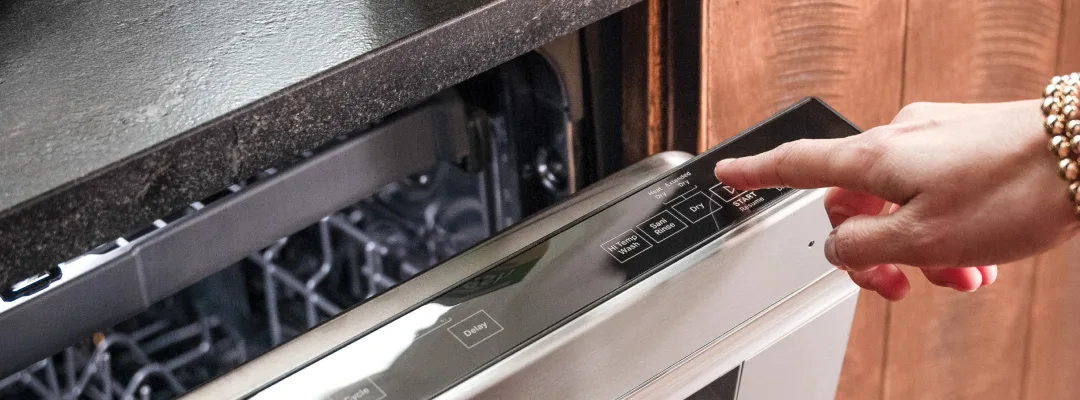
Press the sanitize button on your control panel. The dishwasher heats water to at least 120°F. The cycle lasts about 90 to 120 minutes.
It is ideal for baby bottles. Use it when someone is sick.
Problem / Pain Point
Spots and film on dishes are the most frequent complaint after a sanitize cycle. This usually means the water is not hot enough or the rinse aid is empty. Another problem is the cycle refusing to start because the door latch does not engage.
Users also report that detergent pods sometimes remain intact.
- Overloading the rack blocks spray arms and leaves dishes dirty.
- Using the wrong detergent can leave residue on glassware.
- A partially open door prevents the cycle from running.
If your water supply is cold, the heater must work harder to reach sanitizing temperature. Low water pressure can also reduce cleaning performance. For help with low pressure, see our guide on fixing low water pressure.
Core Explanation / How It Works
The sanitize cycle relies on three key elements: water temperature, time, and detergent. The dishwasher heats water to at least 120°F and holds that temperature for a preset period. This heat kills most common household bacteria and viruses.
The detergent helps break down food residue so hot water can reach every surface.
Per NSF International standards, the combination of heat and chemical action achieves a 99.9% reduction in microbial load. The cycle also includes a high‑heat drying phase that uses the hot water to evaporate moisture. This dual action ensures dishes are both clean and sanitized.
Features / Components / What's Inside
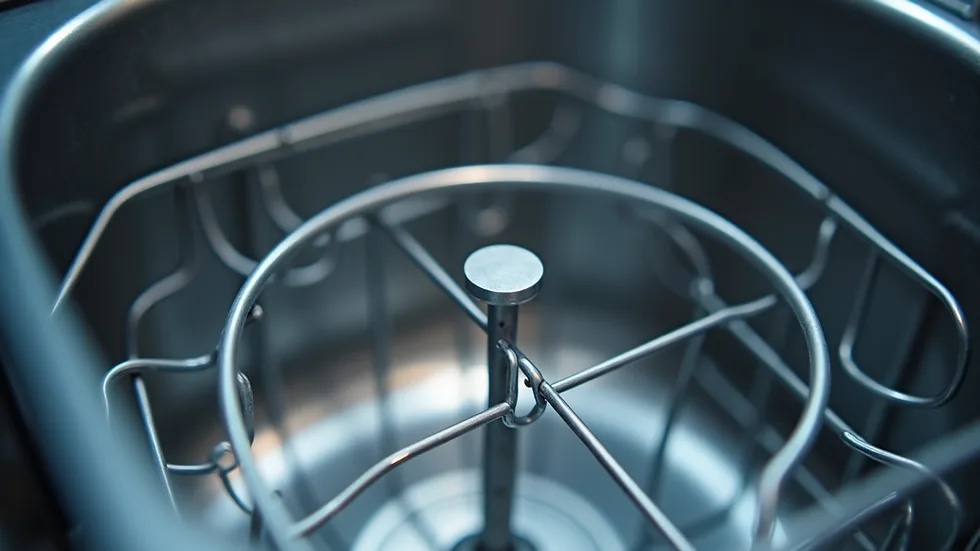
Modern dishwashers include several components that support the sanitize function. The heating element raises water temperature, while the circulation pump moves hot water through spray arms. A thermal fuse prevents overheating, and a door latch ensures the cycle only runs when closed.
| Component | Function | Typical Spec |
|---|---|---|
| Heating Element | Heats water to sanitizing temperature | 120°F–150°F |
| Circulation Pump | Moves water through spray arms | 1.5–2.5 GPM |
| Thermal Fuse | Stops heating if temperature exceeds safe limit | 200°F cutoff |
| Door Latch | Locks door during cycle | Interlock switch |
The control board manages cycle timing and temperature settings. Some models include a soil sensor that adjusts cycle length based on how dirty the load is. Others offer a “boost” button for extra hot water.
For models that handle heavy food residue without pre‑rinsing, our review of machines built for heavy soil highlights features that aid sanitization.
Benefits & Drawbacks / Pros and Cons
The main benefit of the sanitize cycle is reduced risk of foodborne illness. It is especially useful for households with infants, elderly, or immunocompromised members. The cycle also eliminates the need for separate sterilization for everyday items.
- Pros: kills 99.9% of bacteria, convenient, saves time vs hand washing.
- Cons: uses more energy, longer cycle time, may not be necessary for all loads.
For families with young children, the extra protection can be worth the longer runtime. If you frequently host gatherings, the sanitize setting ensures dishes are safe for guests. However, for lightly soiled loads, a regular wash may suffice.
Large families who run the dishwasher daily will appreciate models built for heavy use. Our guide to machines built for daily use covers durability and cycle options that include sanitization.
Step-by-Step Process / How to Guide
Using the sanitize cycle is a straightforward process, but a few details make a big difference. The key is to prepare the load so hot water can reach every surface.
- Scrape off large food scraps. Rinsing is optional. Modern detergents handle light soil.
- Load dishes with space between them. Bowls and cups should face downward.
- Add detergent to the dispenser. A rinse aid helps prevent spots.
- Press the cycle button until the sanitize icon lights up.
- Close the door and press start. The cycle will run for about two hours.
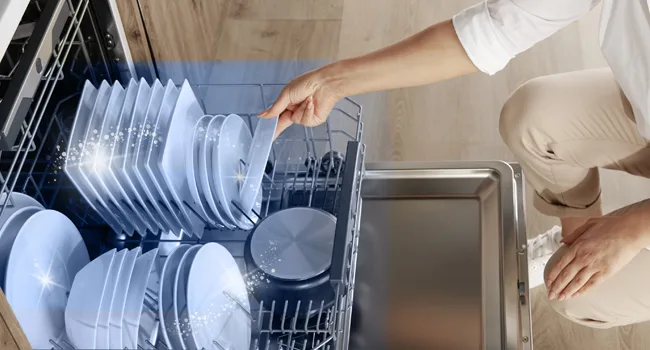
If your model has a delay start, you can set it to run overnight. For help with loading, see our guide on proper rack arrangement.
Check that the door latch clicks before you start. A loose door can stop the cycle.
Choosing the right detergent matters. Liquid and pods work well if the water is hot. Powder may clump if the water is too cool.
After the wash, the dishwasher enters a drying phase. High‑heat models use the hot water to evaporate moisture. Others may use a fan.
Comparison / Alternatives / Options
The sanitize cycle differs from a regular wash in three ways. It uses higher water temperature, runs longer, and often includes a high‑heat drying phase. A regular wash may use cooler water and finish in under an hour.
| Feature | Sanitize Cycle | Regular Wash |
|---|---|---|
| Water temperature | 120°F–150°F | 100°F–130°F |
| Cycle duration | 90–120 minutes | 45–75 minutes |
| Drying method | High‑heat evaporation | Condensation or fan |
| Energy use | 1.5–2.5 kWh | 0.8–1.5 kWh |
Hand washing gives you control over each item. You can soak pots in hot soapy water for several minutes. However, it takes more time and effort.
Boiling water is another method. It kills pathogens but requires a separate pot. It is not practical for large dishes.
Ultraviolet sanitizers use light to kill germs. They work on surfaces that are already clean. They do not remove food residue.
For models that handle heavy soil without pre‑rinsing, our review of machines built for heavy soil highlights features that aid sanitization.
Use Cases / Best For / Who It's Right For
The sanitize cycle is most valuable in homes with young children. It reduces the risk of illness from leftover bacteria. Elderly residents and people with weakened immune systems also benefit.

If you care for someone who is sick, the extra heat helps prevent spread. Small businesses that serve food at home, like bakers or meal prep services, can use the cycle to meet basic hygiene standards.
Pet bowls and children's toys can also be sanitized. Just make sure the items are dishwasher‑safe.
For families who run the dishwasher daily, machines built for daily use offer durability and cycle options that include sanitization.
Mistakes to Avoid / Common Errors
Overloading the rack is the most common mistake. It blocks spray arms and leaves dishes dirty. Another error is using the wrong detergent.
Pods may not dissolve fully in cool water.
- Always leave space between plates and cups.
- Use a rinse aid to prevent spots.
- Do not open the door during the cycle.
- Check the filter regularly for food debris.
If dishes come out with residue, the water may not be hot enough. Our guide on dishes that won't dry explains how to fix the problem.
A partially closed door can stop the cycle. Make sure the latch clicks before you start.
Costs / Pricing / Data / Specs
The sanitize cycle uses more energy than a regular wash. According to the U.S. Department of Energy, a typical cycle consumes 1.5 to 2.5 kilowatt‑hours.
Water use ranges from 5 to 10 gallons per cycle.
| Spec | Value |
|---|---|
| Minimum water temperature | 120°F |
| Maximum cycle time | 150 minutes |
| Average energy per cycle | 2 kWh |
| Average water per cycle | 7 gallons |
Running the sanitize cycle daily adds about $30 to $50 to an annual electric bill. The extra cost is small compared to the health benefit for vulnerable household members.
For homes with a hardwired dishwasher, hardwired models often include a sanitize option. Check the spec sheet before purchase.
Expert Tips / Pro Advice
Loading Tips
You can get better results with a few simple tricks. First, always use a rinse aid. It prevents spots and helps dishes dry faster.
Second, load dishes so that water can reach every surface. Bowls should face down, and cups should be angled.
- Leave space between plates. Stacking them blocks water flow.
- Place forks and spoons with the handles down. Knives should point up.
- Avoid nesting cups. They can trap water and leave marks.
If your dishwasher has a third rack, use it for flatware. It improves cleaning and drying. For help with loading, see our guide on proper rack arrangement.
Detergent and Rinse Aid
Use a detergent designed for dishwashers. Liquid and pods work well in hot water. Powder may clump if the water is too cool.
Avoid hand-washing detergents, which create suds and can damage the machine.
- Add detergent to the dispenser, not directly on dishes.
- Fill the rinse aid compartment. It releases during the rinse cycle.
- If you have hard water, use a rinse aid with built-in softener.
For models that struggle with pods, try liquid detergent. Our guide on detergent pods that won't dissolve explains the common causes.
Cleaning and Odor Control
Run a monthly clean cycle with white vinegar. Pour a cup into the detergent dispenser and run a hot wash. This removes buildup and odors.
- Check the filter weekly. Food debris can clog the drain.
- Wipe the door seal with a damp cloth. Trapped food can cause smells.
- If the smell persists, check the spray arms for clogs.
Some users report a rotten egg smell. This often comes from trapped food in the filter. A clean cycle usually fixes it.
If the smell continues, the heating element may be burning food particles.
Energy Saving Tips
Run the dishwasher only when full. This saves water and energy. Use the eco mode if available.
It reduces the water temperature and cycle time.
- Avoid pre-rinsing dishes. Modern detergents handle light soil.
- Load dishes efficiently. A full load uses the same energy as a half load.
- Use the delay start feature to run the cycle at night. Electricity is often cheaper after hours.
Troubleshooting Tips
If dishes are still dirty, check the detergent dispenser. Make sure it opens fully. If the dishwasher smells, run a clean cycle.
If the cycle stops, check the door latch.
- A clogged filter can cause poor cleaning. Clean it weekly.
- Misaligned spray arms can leave dishes unwashed. Inspect them monthly.
- A failing heating element will not heat water enough. Test it with a multimeter.
For models that keep stopping mid cycle, our guide on a dishwasher that keeps stopping covers common causes.
Safety / Legal / Compliance / Warnings
Hot Water Safety
The sanitize cycle uses water that can reach 150°F. You can get burns if you open the door during the cycle. Wait until the cycle finishes before unloading.
The steam that escapes is also hot.
- Never put your hand in the dishwasher while it is running.
- Keep children away from the open dishwasher.
- Let dishes cool before handling.
Electrical Safety
Dishwashers require a dedicated circuit. Overloading the breaker can cause a trip. Check that the outlet is grounded.
If you notice frayed cords, replace them immediately.
- Do not use an extension cord.
- Unplug the dishwasher before cleaning the interior.
- Ensure the door latch works. A door that won't close can stop the cycle.
For homes with a hardwired dishwasher, ensure the circuit is dedicated. Our review of hardwired models covers safety features to look for.
Chemical Safety
Use only dishwasher detergents. Hand-washing detergents create suds that can overflow onto the floor. This can create a slip hazard and damage the machine.
- Store detergents out of reach of children.
- Do not mix different detergent types.
- Rinse the detergent dispenser if you switch formulas.
Child and Pet Safety
The dishwasher contains hot water and sharp knives. Keep children and pets away while it is running.
- Load knives with the blades pointing down.
- Secure the door with a child lock if needed.
- Do not let children play with the dishwasher.
Standards and Compliance
Per NSF International standards, the water must reach 120°F to kill germs. Your dishwasher should meet this spec. If dishes come out cold, the heating element may be failing.
The U.S. Department of Energy sets efficiency standards for dishwashers. Look for the Energy Star label when buying a new model.
It indicates the dishwasher meets strict energy and water use guidelines.
Environmental Compliance
The dishwasher must meet EPA water use standards. Look for the WaterSense label. It indicates the dishwasher uses less water than the standard model.
- WaterSense models use no more than 3 gallons per cycle.
- They also use less energy than non-certified models.
- Choosing a WaterSense dishwasher can save you money on utility bills.
Maintenance / Long-Term Optimization
Filter Cleaning
Regular maintenance keeps the sanitize cycle working well. Clean the filter every week. Food debris can clog the drain and reduce water flow.
Rinse the filter under warm water and scrub it with a soft brush.
- Remove the filter by twisting it counterclockwise.
- Soak it in soapy water for 10 minutes.
- Rinse and reinstall.
If the filter is damaged, replace it. A clogged filter can cause dishes to come out dirty.
Spray Arm Inspection
Check the spray arms monthly. Look for clogs in the holes. Clear any debris with a toothpick or a small wire.
- Remove the spray arms by unscrewing the center nut.
- Soak them in vinegar to dissolve mineral buildup.
- Rinse and reinstall.
Misaligned spray arms can leave dishes unwashed. Ensure they spin freely.
Heating Element Care
The heating element can develop mineral buildup over time. Inspect it monthly. A white crust is normal.
Use a vinegar soak to remove it.
- Unplug the dishwasher before cleaning.
- Soak the element in a vinegar solution for 30 minutes.
- Rinse and dry before use.
If the element is damaged, replace it. A failing element will not heat water enough.
Descaling
If you have hard water, run a descaling cycle monthly. Use a commercial descaler or a vinegar solution.
- Pour two cups of vinegar into the dishwasher.
- Run a hot wash without detergent.
- Rinse with a clean water cycle.
Descaling removes mineral buildup that can reduce heating efficiency.
Door Gasket Maintenance
The door gasket seals in water and steam. Inspect it monthly for cracks or food debris.
- Wipe the gasket with a damp cloth.
- Use a mild cleaner if needed.
- Replace the gasket if it is damaged.
A bad gasket can cause leaks and energy loss.
Preventive Maintenance Schedule
| Task | Frequency |
|---|---|
| Clean filter | Weekly |
| Inspect spray arms | Monthly |
| Descaling | Monthly |
| Check door gasket | Monthly |
| Replace filter | Every 6 months |
| Replace spray arms | Every 2 years |
| Replace gasket | Every 3 years |
Diagnostic Tips
If your dishwasher uses a lot of energy, the heating element may be working overtime. Our article on dishes that won't dry explains how to diagnose the problem.
For models that are noisy, check the wash arms and ensure they are properly aligned. Our guide to noisy dishwashers covers common causes.
If detergent pods are not dissolving, the water may be too cool. Our guide on detergent pods that won't dissolve offers solutions.
Frequently Asked Questions
How long does the sanitize cycle take?
The cycle runs for about 90 to 120 minutes. The exact time depends on your model and how dirty the load is. Heavily soiled dishes may trigger a longer wash.
You can check the display for the remaining time.
Can I use the sanitize cycle every day?
You can, but it uses more energy than a regular wash. If you have infants or immunocompromised family members, daily use may be worth the extra cost. For average households, a few times a week is enough.
Monitor your energy bill to see the impact.
Why does my dishwasher not heat water enough?
Several issues can cause low water temperature. The heating element may be failing, or the thermal fuse could be blown. Low water pressure can also reduce heat.
Check the inlet filter and ensure the faucet is fully open. If the problem persists, call a technician.
Can I sanitize plastic items?
Only if they are labeled dishwasher-safe. High heat can warp some plastics. Place them on the top rack and use a lower temperature setting if available.
Avoid plastic containers with thin walls. Check the manufacturer's label for dishwasher safety.
What detergent should I use for the sanitize cycle?
Use a detergent designed for dishwashers. Liquid and pods work well. Powder may clump if the water is too cool.
Avoid hand-washing detergents, which create suds and can damage the machine. Add detergent to the dispenser, not directly on dishes.
How much water does the sanitize cycle use?
The cycle uses about 5 to 10 gallons of water. This is comparable to a regular wash. The extra time and heat do not significantly increase water use.
Check your model's spec sheet for exact numbers.
Why does my dishwasher smell after the sanitize cycle?
The smell can come from trapped food in the filter or door gasket. Run a clean cycle with vinegar. If the smell persists, check the spray arms for clogs.
A failing heating element can also cause odors.
Can I run the sanitize cycle with a half load?
Yes, but it uses the same energy as a full load. If you have a small load, use the regular wash cycle. The sanitize cycle is best reserved for full loads of dishes that need extra hygiene.
Final Recommendation / Verdict / Decision Guide
Use the sanitize cycle when you need extra hygiene. If you have infants, elderly, or sick household members, run it after every meal. For everyday loads, a regular wash is sufficient.
- If dishes are heavily soiled, use the sanitize cycle with a boost option.
- If you have a large family, choose a model with a sanitize setting and a large capacity.
- If you are concerned about energy use, run the sanitize cycle only a few times a week.
For hard water areas, always use a rinse aid. This prevents spots and improves drying. If your dishwasher has a delay start, set it to run overnight.
This saves electricity during peak hours.
If dishes come out spotted or wet, check the heating element and filter. Our guide on dishes that won't dry offers troubleshooting steps.
Decision Tree
- Do you have infants, elderly, or sick household members? Yes -> Use sanitize cycle daily.
- Are dishes heavily soiled? Yes -> Use sanitize cycle with boost.
- Are you concerned about energy use? Yes -> Use sanitize cycle 2-3 times per week.
- Do you have hard water? Yes -> Use rinse aid and descale monthly.
Scenario Guide
| Scenario | Recommended Cycle |
|---|---|
| Everyday meals | Regular wash |
| Baby bottles | Sanitize cycle |
| Holiday dinner | Sanitize cycle |
| Lightly soiled dishes | Regular wash |
| Pet bowls | Sanitize cycle |
| Children's toys | Sanitize cycle (if dishwasher-safe) |
In short, the sanitize cycle is a useful feature. Use it when you need it, and your dishes will be clean and safe.
