

Making the switch to homemade cleaners is one of the most practical steps you can take toward a healthier home and a lighter environmental footprint. Commercial cleaning products often contain synthetic fragrances, preservatives, and harsh chemicals that can irritate skin, trigger allergies, and leave residues on surfaces you touch every day. With a handful of pantry staples and a few simple recipes, you can replace most of the bottles under your sink with effective, non-toxic alternatives that cost pennies per use and work just as well — often better.
This guide covers everything you need to know: the core ingredients, proven recipes for every room, the tools that make DIY cleaning easy, and honest advice on when a homemade solution is the best choice and when it isn’t.
Why Switch to Homemade Cleaners?
The benefits go beyond peace of mind.
- Cost savings — A bottle of white vinegar costs about $1.50 and can replace a dozen specialty sprays. Baking soda costs less than a dollar per box. Over a year, making your own cleaners can cut your cleaning budget by 50–70%.
- Reduced chemical exposure — Many commercial cleaners contain compounds linked to respiratory irritation or hormone disruption. The EPA’s Safer Choice program notes that choosing products with simpler ingredients lowers indoor air pollution. Homemade cleaners let you control every ingredient.
- Less plastic waste — By reusing spray bottles and glass containers, you avoid the single‑use plastic that dominates store‑bought cleaners. One 16‑oz glass spray bottle can last for years.
- Customization — You can adjust the scent, strength, and abrasiveness to match your surfaces and preferences. No two homes are exactly alike.
Essential Ingredients for DIY Cleaners
You don’t need a long list. These seven ingredients form the backbone of nearly every effective homemade cleaner.
| Ingredient | Main Role | Where to Buy |
|---|---|---|
| White distilled vinegar | Cuts grease, dissolves mineral deposits, deodorizes | Grocery store (bulk or jugs) |
| Baking soda | Mild abrasive, absorbs odors, reacts with vinegar | Grocery store (large boxes) |
| Washing soda (sodium carbonate) | Boosts laundry detergent, removes tough grease | Laundry aisle or online |
| Liquid castile soap | Gentle surfactant, works on most surfaces | Health food stores, online |
| Essential oils (lemon, tea tree, lavender) | Antimicrobial properties, natural scent | Online, natural food stores |
| Hydrogen peroxide (3%) | Disinfects, whitens, removes stains | Drugstore or grocery |
| Rubbing alcohol (isopropyl, 70% or higher) | Evaporates quickly, disinfects glass and stainless steel | Drugstore |
 Sodium carbonate (washing soda) is a powerful grease cutter and laundry booster — a key ingredient for heavy-duty homemade cleaning.
Practical tip: Use distilled water for mixing to avoid mineral deposits in your spray bottles. Hard water can cause cloudy streaks on glass.
Basic Recipes for Every Room
These recipes rely on the ingredients above. Each makes enough for one standard 16‑oz spray bottle or a small batch for immediate use.
All-Purpose Surface Cleaner
Use on countertops, tables, sinks, and most sealed surfaces.
- 1 cup white vinegar
- 1 cup water
- 10–15 drops lemon essential oil (optional)
- Combine in a glass spray bottle, shake gently, and label.
Trade-off: Vinegar is acidic — avoid using it on natural stone (marble, granite) or unsealed grout. For stone, substitute water with a few drops of castile soap.
Glass & Mirror Cleaner
Streak-free alternative to blue spray.
- 1 cup water
- 1 cup rubbing alcohol (70%)
- 1 tablespoon white vinegar
- Mix in a spray bottle. Spray onto a microfiber cloth (not directly on the glass) and wipe.
Why it works: The alcohol evaporates quickly, leaving no streaks. The vinegar cuts through any greasy residue.
Bathroom Scrub
For sinks, tubs, and tile — not for use on acrylic or fiberglass (can scratch).
- ½ cup baking soda
- ¼ cup liquid castile soap
- 1 tablespoon hydrogen peroxide
- Mix into a paste. Apply with a sponge, let sit 5 minutes, scrub, and rinse.
Observation: This paste is gentle enough for daily use but tough on soap scum. For heavy mildew, add 10 drops of tea tree oil.
Kitchen Degreaser
For stovetops, range hoods, and greasy cabinet fronts.
- 1 cup water
- ¼ cup white vinegar
- 1 tablespoon dish soap (or castile soap)
- 10 drops lemon essential oil
- Shake well. Spray on greasy areas, let sit 30 seconds, then wipe with a damp cloth.
Pro tip: For caked‑on grease on a range hood, remove the filter first and soak it in hot water with a scoop of washing soda for 15 minutes. For more on that process, see the guide on routine upkeep for range hood filters.
Laundry Booster
For brighter whites and odor removal without bleach.
- ½ cup washing soda
- ½ cup baking soda
- Add directly to the drum or the detergent dispenser. Works with any detergent, especially in hard water.
Note: Washing soda can irritate sensitive skin — wear gloves when handling the dry powder. For a gentler alternative, use baking soda alone.
Tools You’ll Need
A well‑stocked DIY cleaning kit is simple.
- Glass spray bottles — They don’t degrade like plastic, they’re easy to clean, and you can see the contents. A 16‑oz bottle is the most versatile size.
- Microfiber cloths — Use different colors for different rooms to avoid cross‑contamination. Wash them at 60°C (140°F) to remove bacteria.
- Soft‑bristle brush — For scrubbing grout lines and around faucets.
- Squeegee — For glass shower doors and windows.
- Mason jars or labeled containers — For storing dry ingredients like baking soda or washing soda.
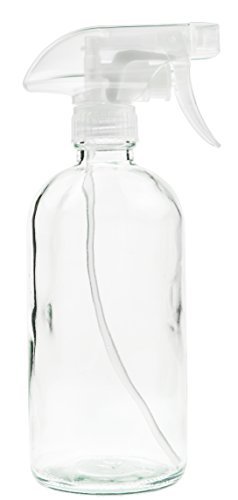 Glass spray bottles resist chemical reactions and are infinitely reusable — a smart investment for any DIY cleaner.
Frequently Asked Questions
Are homemade cleaners really as effective as commercial ones?
For most routine cleaning — grease, dirt, soap scum, and light stains — yes. The key is matching the recipe to the soil type. Vinegar dissolves mineral deposits; baking soda provides gentle abrasion; hydrogen peroxide disinfects. For heavy‑duty tasks like oven caked‑on grease or mold infestations, a commercial product or a stronger peroxide soak may be necessary. No single homemade cleaner outperforms all commercial ones in every scenario.
How long do homemade cleaners last?
Vinegar‑based sprays last 1–2 months stored in a cool, dark place. Hydrogen peroxide degrades quickly in light — store it in an opaque bottle and replace every two weeks. Baking soda pastes should be used immediately. Always label bottles with the date and ingredients.
Can I use essential oils for disinfecting?
Some essential oils (tea tree, lavender, oregano) have antimicrobial properties, but they are not regulated as disinfectants. For a truly sanitized surface (e.g., after raw chicken), use hydrogen peroxide or a diluted bleach solution (1 tablespoon bleach per gallon of water) — but never mix bleach with vinegar or ammonia. For everyday cleaning, soap and water are sufficient.
What about stainless steel appliances?
Vinegar can damage the protective coating on some stainless steel finishes. Instead, use a few drops of olive oil or mineral oil on a microfiber cloth to polish and remove fingerprints. For deeper cleaning, a dedicated stainless steel cleaner works best. For detailed tips, check out the guide on polishing your fridge surface.
Are homemade cleaners safe for pets?
Vinegar and baking soda are generally safe, but undiluted essential oils can be toxic to cats and dogs. Use only 1–2 drops per cup of water, and keep pets away from freshly sprayed surfaces until dry. Hydrogen peroxide can cause vomiting if ingested — store it out of reach.
Tips for Success
- Label everything — Use a permanent marker or a label maker. “All‑Purpose Cleaner” is easy to remember; “vinegar spray” you might confuse with a glass cleaner.
- Shake before use — Natural ingredients can separate, especially if you use essential oils. A quick shake re‑emulsifies them.
- Test on a hidden area — Even gentle cleaners can react with unsealed stone, painted surfaces, or certain plastics. Spot‑test before widespread use.
- Store out of sunlight — UV light degrades hydrogen peroxide and essential oils. Keep bottles in a cupboard or use amber glass.
- Don’t mix vinegar and bleach — This creates toxic chlorine gas. Never combine any homemade cleaner with a commercial bleach product.
Recommended Resources
If you want to dive deeper into homemade cleaning, these books offer hundreds of tested recipes. Each is written by someone with years of hands‑on experience in natural cleaning.
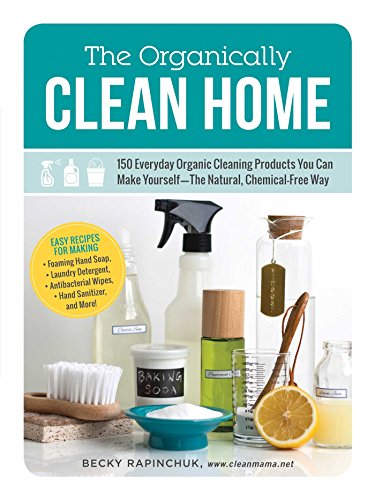 A comprehensive guide to making your own organic cleaners, from kitchen spray to laundry detergent.
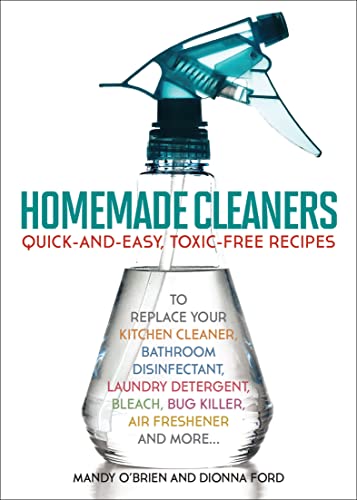 Focuses on replacing every single commercial cleaner — including bug killer and air freshener — with natural alternatives.
 A pocket‑sized guide with 136 pages of easy recipes, ideal for beginners.
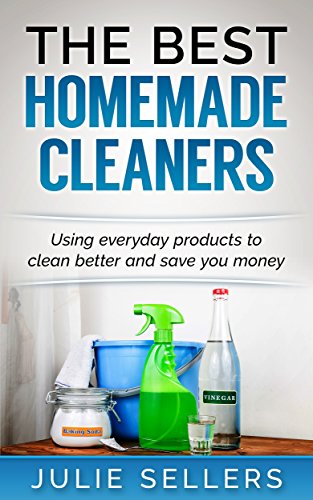 Short, actionable recipes that rely on pantry staples only — no exotic ingredients.
For those times when you prefer a ready‑made option, look for plant‑based products with simple ingredient lists. Mrs. Meyer’s Clean Day Baking Soda Cream Cleaner, for example, is a well‑formulated product that performs similarly to a homemade paste.
 A plant‑derived, scratch‑free cleaner that works well on greasy kitchen surfaces — a good commercial alternative to a DIY paste.
Conclusion
Homemade cleaners are a realistic, effective, and satisfying way to keep your home spotless without relying on harsh chemicals. By stocking a few core ingredients, learning a handful of adaptable recipes, and using the right tools, you can tackle every room in your house safely and affordably. The trade‑offs are minimal — a few minutes of mixing time, a little testing on unfamiliar surfaces — and the rewards are real: lower costs, less plastic waste, and a fresher indoor environment.
Start with one recipe that replaces a cleaner you use most often, perhaps the all‑purpose spray or the glass cleaner. Once you see how easy it is, you’ll likely find yourself replacing more and more. The first step is the simplest: grab a bottle of vinegar and a box of baking soda, and you’re already on your way.
