
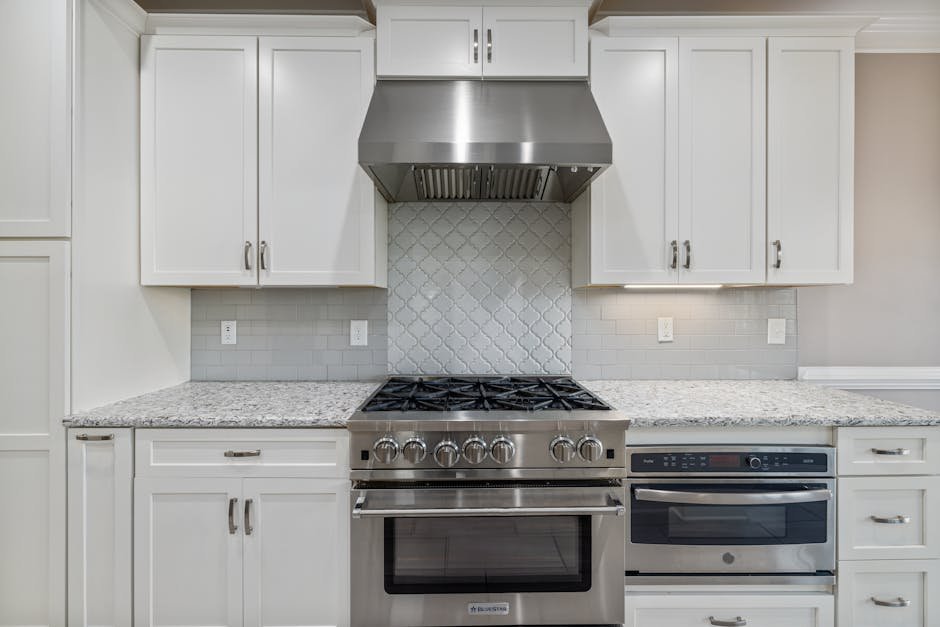
Understanding Range Hood Filter Types
Before you can effectively clean your range hood filter, it's essential to identify its type. Different filter materials have unique cleaning requirements and lifespans. Knowing which kind you have will help you choose the right cleaning method and understand when it's time for a replacement.
Mesh Filters
Mesh filters, often made of aluminum or stainless steel, are the most common type. Their design consists of multiple layers of fine mesh that physically trap grease particles from cooking vapors. Their open structure allows for good airflow but means they can clog relatively quickly with heavy use.
Baffle Filters
Baffle filters, typically constructed from stainless steel, are designed with angled baffles that force air to change direction. This redirection causes grease to condense and drip into a collection tray, making them highly efficient at grease capture. They are also more durable and can often withstand harsher cleaning methods, including dishwashers.
Charcoal Filters (Activated Carbon)
Charcoal filters are primarily used in ductless or recirculating range hoods. Unlike mesh or baffle filters that trap physical particles, charcoal filters are designed to absorb odors and smoke from the air. Because they absorb rather than trap, these filters cannot be cleaned; once their absorption capacity is reached, they must be replaced.
Essential Tools and Materials for Cleaning
Gathering the right supplies before you start will make the cleaning process smoother and more effective. Having everything on hand prevents interruptions and ensures you can tackle the task efficiently.
Cleaning Solutions
- Hot Water: The foundation for most cleaning solutions, hot water helps to loosen and dissolve grease.
- Dish Soap: A good degreasing dish soap is your primary weapon against kitchen grease. Look for formulas designed to cut through tough grime.
- White Vinegar: An excellent natural degreaser and deodorizer. Its acidity helps break down stubborn grease and neutralize odors.
- Baking Soda: A mild abrasive and a great odor absorber. It can be used as a paste for scrubbing or added to water for a soaking solution.
- Commercial Degreaser (Optional): For exceptionally stubborn, baked-on grease, a specialized kitchen degreaser might be necessary. Always use these in a well-ventilated area and follow product instructions carefully.
Scrubbing Implements
- Soft-Bristled Brush: Ideal for dislodging grease without scratching the filter surface. An old toothbrush can be useful for reaching tight corners.
- Non-abrasive Sponge: For general scrubbing and wiping.
- Microfiber Cloths: For drying and polishing the filter after cleaning.
Protective Gear
- Rubber Gloves: To protect your hands from grease, cleaning solutions, and hot water.
- Safety Glasses: Recommended, especially when using stronger degreasers or if there's a risk of splashing.
Step-by-Step Guide to Removing Your Range Hood Filter
Safety is paramount when working with kitchen appliances. Always follow these steps to ensure a secure and safe filter removal.
1. Prioritize Safety: Turn Off and Unplug
Before you do anything else, ensure the range hood is completely powered off. Locate the switch or buttons for your range hood and turn it off. For added safety against accidental activation, consider unplugging the unit from the wall outlet if it's easily accessible. This step is crucial to prevent any unexpected power surges or motor starts while you're working.
2. Locate the Filter Mechanism
Most range hood filters are located on the underside of the unit. Look for latches, clips, or handles that indicate how the filter is secured. In some models, you might need to slide the filter out, while others have a lever or button to release them. Refer to your range hood's user manual if you're unsure of the specific mechanism for your model.
- Tip: If your range hood has a light, it's usually positioned near the filters, so look in that general area.
3. Gently Detach the Filter
Once you've located the release mechanism, apply gentle pressure. This might involve pushing a latch inward, pulling a tab outward, or sliding the filter in a specific direction. Avoid forcing the filter; if it feels stuck, it may be due to accumulated grease. Try wiggling it slightly or re-examining the release mechanism. Once dislodged, carefully pull the filter away from the hood. Be prepared for grease or debris to fall, so having a towel or newspaper underneath can be helpful.
4. Inspect and Prepare for Cleaning
As you remove the filter, take a moment to observe the extent of grease and grime accumulation. This visual cue can help you understand how often you should be cleaning it and can inform your cleaning method. Lay the filter on a protected surface, such as an old towel or newspaper, in preparation for the cleaning process.
Expert Cleaning Methods for Each Filter Type
The best way to clean your range hood filter depends on its material. Here are the most effective methods:
For Mesh and Baffle Filters (Metal)
These durable filters can handle robust cleaning.
Method 1: The Soaking and Scrubbing Technique
- Prepare a Soaking Solution: Fill your sink or a large basin with hot water. Add a generous amount of degreasing dish soap (about 1/4 cup per gallon of water). For particularly greasy filters, you can add 1/2 cup of white vinegar to the solution.
- Soak the Filter: Submerge the metal filter in the hot, soapy water. Let it soak for at least 15-30 minutes to allow the heat and cleaning agents to break down the grease. For heavily soiled filters, you might need to soak them for an hour or more, or even overnight.
- Scrub Away Grime: Using a soft-bristled brush or a non-abrasive sponge, gently scrub both sides of the filter. Pay close attention to crevices and corners where grease tends to accumulate. You should see the grease start to lift away.
- Rinse Thoroughly: Once you've scrubbed away the grime, rinse the filter under hot running water. Ensure all soap residue and loosened grease are washed away. You can use your hands to feel for any remaining slippery spots.
- Repeat if Necessary: If stubborn grease remains, repeat the soaking and scrubbing process. A paste of baking soda and water can be applied to problem areas as a pre-scrub treatment.
Method 2: Dishwasher Cleaning (for Baffle and some Mesh Filters)
- Check Manufacturer Guidelines: Crucially, consult your range hood's manual first. Some mesh filters, especially those with finer aluminum components or coatings, can be damaged by the high heat and abrasive detergents in a dishwasher. Baffle filters are generally dishwasher-safe.
- Preparation: Remove any large food particles or loose debris from the filter before placing it in the dishwasher.
- Placement: Position the filter securely in the dishwasher, ideally on the bottom rack, ensuring it won't interfere with the spray arms.
- Detergent: Use your regular dishwasher detergent. For added degreasing power, you can add a tablespoon of white vinegar to the rinse aid dispenser, provided your dishwasher manufacturer allows it.
- Run Cycle: Use a hot water cycle.
- Inspect After Washing: After the cycle, inspect the filter for any remaining grease. If necessary, a quick scrub with a brush and a rinse under hot water should suffice.
For Charcoal Filters (Ductless Hoods)
Charcoal filters are designed for odor absorption and cannot be cleaned.
- Replacement is Key: When a charcoal filter is no longer effectively removing odors, it is time to replace it with a new one.
- Identify Filter Model: You will need to know the exact model number or dimensions of your range hood to purchase the correct replacement filters. Refer to your hood's manual or the filter itself for this information.
- Purchase Replacements: Charcoal filters are readily available from appliance parts stores, home improvement centers, or online retailers.
- Installation: Replacing them typically involves a simple removal of the old filter and insertion of the new one, often clipping or sliding into place.
Drying and Reinstallation: The Final Steps
Proper drying and reinstallation are just as important as cleaning to ensure your range hood functions optimally and safely.
Ensuring Complete Drying
- Air Dry: The safest and most recommended method for all filter types is to allow them to air dry completely. Place the clean filters on a drying rack in a well-ventilated area, preferably near a sunny window. Ensure both sides have ample air circulation.
- Avoid Direct Heat: Never use a hairdryer, oven, or microwave to speed up drying. Excessive heat can warp metal filters or damage the filter material, rendering them ineffective or even unsafe.
- Check for Moisture: Before reinstallation, run your hand over the filter to ensure there is no residual moisture. Any dampness can promote mold growth or lead to issues when the hood is turned on.
Reinstalling the Filter Securely
- Align Correctly: Carefully align the filter with its designated slot in the range hood. Ensure you are inserting it in the correct orientation, as indicated by any markings or the overall shape.
- Secure Latches: Gently push or slide the filter into place until it clicks or sits firmly. Re-engage any latches, clips, or handles that hold the filter in position.
- Confirm Fit: Give the filter a gentle tug to ensure it is securely fastened and does not wobble or feel loose. A properly installed filter will sit flush and be stable.
Essential Maintenance and Troubleshooting Tips
Regular care and attention to your range hood filter will extend its lifespan and keep your kitchen air clean and fresh.
Establish a Cleaning Schedule
- Frequency: For most households, cleaning metal range hood filters should be done monthly. If you are a heavy cook, use a lot of fried foods, or notice grease buildup quickly, consider cleaning every two weeks.
- Reminder System: Set a recurring reminder on your phone or calendar. Proactive cleaning prevents excessive grime buildup, making each cleaning session easier.
Inspect for Damage and Wear
- Visual Check: During your regular cleaning, inspect the filter for any signs of damage, such as bends, tears, holes, or significant rust.
- Degradation: Metal filters might start to thin or become excessively misshapen over time. Charcoal filters will lose their odor-absorbing capacity.
- Performance Indicators: If you notice persistent grease stains that won't come clean, diminished suction power from your range hood, or lingering cooking odors after cleaning, it's a sign the filter may need replacement.
When to Replace Filters
- Charcoal Filters: These have a finite lifespan and typically need replacement every 3-6 months, depending on usage. Check your manufacturer's recommendations.
- Metal Filters: While generally reusable, if a metal filter becomes heavily damaged, misshapen, or permanently discolored and inefficient, it's time for a new one. This could be every 1-3 years, or sooner if damage occurs.
- Cost-Effectiveness: Replacing filters is a relatively inexpensive maintenance task that has a significant impact on your kitchen's air quality and appliance performance.
Troubleshooting Common Issues
- Persistent Grease: Ensure you are using hot water and a strong degreasing soap. For very tough grease, try a baking soda paste or a commercial degreaser. Soaking time might need to be extended.
- Lingering Odors: For metal filters, try an extra soak with white vinegar. If odors persist, especially from a charcoal filter, replacement is the only solution.
- Rattling Noises: This often indicates the filter is not securely reinstalled. Remove it and reattach it, ensuring all clips and latches are engaged. If the noise continues, it might be an issue with the fan mechanism itself.
Frequently Asked Questions About Range Hood Filter Cleaning
Here are answers to common questions people have about keeping their range hood filters in top condition.
How Often Should I Clean My Range Hood Filter?
For optimal performance and air quality, it's recommended to clean metal grease filters monthly. If you cook frequently or use high-fat ingredients, consider cleaning them every two weeks. Charcoal filters, used in ductless hoods, cannot be cleaned and typically need replacement every 3-6 months.
Can I Use Any Cleaner on My Range Hood Filter?
While dish soap and hot water are effective for most grease, avoid abrasive cleaners like steel wool or harsh chemicals that can damage the filter material, especially on finer mesh filters. Always check your manufacturer's guidelines for recommended cleaning agents. For specific tough stains, try a baking soda paste or a diluted white vinegar solution.
Is it Safe to Clean My Range Hood Filter in the Dishwasher?
Many metal baffle filters and some robust mesh filters can be cleaned in the dishwasher. However, always consult your range hood's manual first. Delicate mesh filters, especially those made from aluminum, can be damaged by the high heat and strong detergents. If in doubt, handwashing is always the safer option.
My Range Hood Filter Still Smells After Cleaning. What Should I Do?
If you have a metal filter that still smells after a thorough cleaning, try soaking it in a solution of equal parts hot water and white vinegar for at least 30 minutes. For ductless hoods with charcoal filters, the smell indicates the filter is saturated and needs to be replaced.
How Do I Know When to Replace My Filter Instead of Cleaning It?
For metal filters, replace them if they are physically damaged (bent, torn, excessively corroded) or if they no longer effectively capture grease even after thorough cleaning. For charcoal filters, replacement is necessary when they stop absorbing odors, typically every 3-6 months.
Conclusion
Maintaining your range hood filter is a straightforward yet critical part of kitchen upkeep. By understanding your filter type and following these expert cleaning methods, you can ensure your range hood operates efficiently, keeps your air fresh, and contributes to a safer cooking environment. Regular cleaning not only prevents lingering odors and grease buildup on your appliances but also prolongs the life of your range hood. Make filter cleaning a consistent part of your routine, and enjoy a cleaner, healthier kitchen for years to come.
