
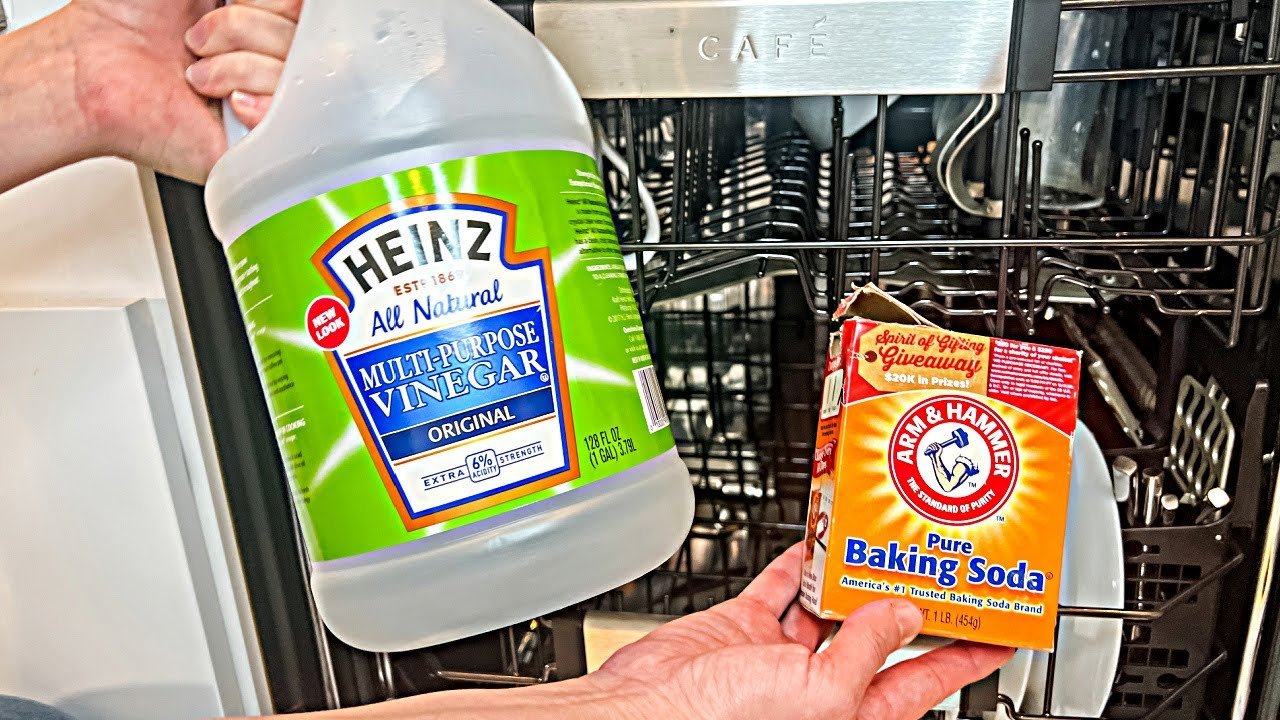
Is your dishwasher leaving behind stubborn spots, lingering odors, or simply not performing at its best? While many focus on what goes in the dishwasher, its own internal cleanliness is often overlooked. Don't let accumulated grease, food debris, and mineral buildup diminish your appliance's efficiency or your dishes' shine. Fortunately, you don't need harsh chemicals or expensive cleaners to restore your dishwasher to its optimal state. With just two common, affordable household staples – baking soda and white vinegar – you can achieve a remarkably clean, fresh, and efficient dishwasher.
This guide will walk you through a step-by-step process, backed by practical insights, to effectively clean your dishwasher using these natural powerhouses. Prepare to experience cleaner dishes and a more pleasant kitchen environment.
/how-to-clean-the-dishwasher-1900465_07-6452d6083d11478497770f43bfd83258.jpg) An impeccably clean dishwasher offers confidence in its performance.
An impeccably clean dishwasher offers confidence in its performance.
Why Dishwasher Cleaning is Non-Negotiable
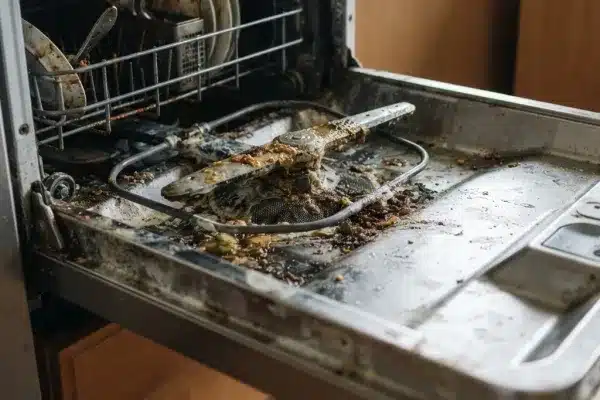
Your dishwasher works tirelessly to remove caked-on food and grease, but over time, this debris accumulates internally. This buildup can lead to a host of problems, from reduced cleaning power to unpleasant smells. Regular maintenance, including a deep clean, is crucial for several key reasons:
Enhanced Cleaning Performance
A dishwasher with clogged spray arms, filters, and residual buildup cannot effectively circulate water and detergent. This compromises its ability to properly clean your dishes, often resulting in food particles left behind or cloudy film. By removing these obstructions, your dishwasher can function at peak efficiency, ensuring your dishes emerge truly spotless every time. For guidance on maintaining your cookware for optimal results, explore our tips on best-rated toaster convection ovens.
Odor Elimination
Food particles trapped in filters, the door seal, or on the bottom of the tub can decay, producing foul odors that permeate your kitchen. Baking soda and vinegar are excellent natural deodorizers that neutralizethese unpleasant smells, leaving your appliance, and by extension your kitchen, smelling fresh and inviting.
Extended Appliance Lifespan
Just like any appliance, dishwashers require care to ensure longevity. Buildup of mineral deposits (hard water scale) and grease can stress internal components, leading to premature wear and tear. Regular deep cleaning helps prevent this, allowing your dishwasher to operate smoothly for many years, saving you the considerable expense of an early replacement. Understanding appliance care can also extend to other kitchen essentials; consider learning about maintaining your best cast iron skillet grill.
Cost Savings on Repairs and Replacements
Neglecting routine maintenance can turn minor issues into expensive problems. Clogs can damage pumps, and mineral buildup can affect heating elements. A proactive cleaning approach using inexpensive ingredients like baking soda and vinegar can prevent these malfunctions, saving you from costly professional repairs or the need to buy a new dishwasher sooner than necessary. For guidance on other kitchen tools that help manage costs, see our review of best price Breville toaster ovens.
Promotes Kitchen Hygiene
Your dishwasher is directly responsible for cleaning the items you use for eating and drinking. Ensuring it’s free from lingering food particles, mold, and bacteria is fundamental to maintaining good kitchen hygiene. A clean dishwasher contributes to a sanitary environment for your family. For broader kitchen tidiness, understand best practices for kitchen hygiene.
The Natural Power Duo: Baking Soda and Vinegar
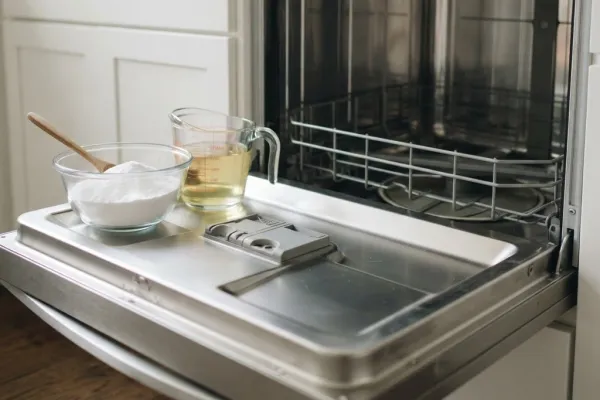
When it comes to cleaning dishwashers, baking soda and vinegar stand out as a dynamic, natural team. They work in synergy to tackle common dishwasher woes without the harsh fumes or environmental impact of commercial cleaners.
Cost-Effective and Accessible
Both baking soda and white vinegar are staples in most kitchens, meaning you likely already have them on hand. This makes them an exceptionally budget-friendly alternative to specialized dishwasher cleaners, which can be quite expensive.
Environmentally Friendly and Safe
Unlike many chemical-based cleaners that can harm aquatic life and contribute to indoor air pollution, baking soda and vinegar are biodegradable and non-toxic. This makes them an excellent choice for households prioritizing eco-friendly practices and the health of their families.
Powerful Cleaning Agents
- Baking Soda: This mild alkali acts as a gentle abrasive, effectively scrubbing away food residues and stubborn grime without scratching the dishwasher's interior surfaces. It's also a potent natural deodorizer, neutralizing acidic odors.
- White Vinegar: With its natural acidity, white vinegar excels at breaking down grease, soap scum, and hard water mineral deposits. It also possesses disinfectant properties and further enhances odor elimination.
Gentle on Appliances
The gentle nature of baking soda and vinegar ensures they clean effectively without damaging your dishwasher's components, including seals, racks, and plastic or stainless steel interiors. This contrasts sharply with harsher chemicals that can degrade materials over time. For tips on caring for stainless steel appliances, check out our guide on best cleaner for stainless steel appliances.
Simplicity of Use
The cleaning process itself is straightforward and requires no specialized knowledge. The methods outlined in this guide are easy to follow, making dishwasher maintenance an accessible task for everyone.
Gathering Your Essential Supplies

Before you begin, ensure you have the following items readily available for a smooth and effective cleaning process:
- White Vinegar: One to two cups. Ensure it's standard distilled white vinegar, not apple cider or other flavored varieties.
- Baking Soda: Approximately one cup.
- Dishwasher-Safe Bowl or Cup: For holding the vinegar during the cleaning cycle.
- Soft Cloth or Sponge: For wiping down accessible surfaces.
- Old Toothbrush or Small Scrub Brush: Ideal for cleaning tight corners, spray arms, and seals.
- Measuring Cup: For accurate measurements of vinegar.
- Optional: Essential Oil: A few drops (like lemon or lavender) can be added to the vinegar for a pleasant scent, though this is purely for fragrance preference.
Preparing Your Dishwasher for Cleaning
Proper preparation ensures the cleaning agents can work effectively and reach all necessary areas of your dishwasher.
Empty the Dishwasher Completely
Remove all dishes, cutlery, dish racks, and any other removable items from the dishwasher. This provides clear access to the entire interior, including the tub bottom, walls, and spray arms.
Clean the Filter and Spray Arms
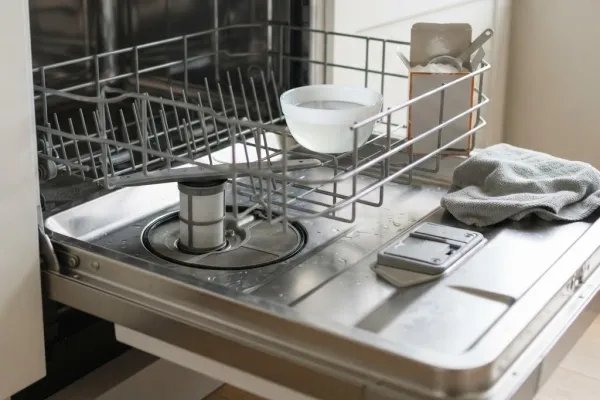
Locate your dishwasher’s filter, typically found at the bottom of the tub. Carefully remove it (consult your appliance manual if unsure) and rinse it under warm running water. Use a soft brush to dislodge any food particles or debrisclogging its mesh. This step is crucial as a dirty filter significantly hinders water flow and cleaning performance. While you're at it, inspect the spray arms. If they appear clogged, use a toothpick or the tip of your small brush to clear any food particles from the spray holes. This ensures water can be projected effectively to all corners of the dishwasher. If your dishwasher uses a more complex filtration system, it's worth checking guides like how to clean KitchenAid dishwasher filter for specific instructions.
Step 1: The Baking Soda Treatment
Baking soda is your first line of defense against odors and light grime.
Sprinkle Baking Soda on the Bottom
Generously sprinkle about one cup of baking soda across the bottom surface of the empty dishwasher tub. Ensure it's spread out evenly. This alkaline powder will start to absorb any lingering odors and gently loosen any stuck-on food particles.
 Blanketing the bottom with baking soda prepares it to absorb odors and grime.
Let It Sit (Optional Overnight)
For maximum effectiveness, especially if your dishwasher has persistent odors, allow the baking soda to sit for at least an hour, or ideally, overnight. This gives the baking soda ample time to neutralize odors and begin its gentle abrasive action on any residue.
Step 2: The Vinegar Rinse Cycle
Vinegar’s acidity is perfect for tackling tougher residue and hard water stains.
Place Vinegar in a Dishwasher-Safe Bowl
Pour one to two cups of white vinegar into a dishwasher-safe bowl or measuring cup. Place this bowl securely on the top rack of your dishwasher. Avoid pouring vinegar directly onto the dishwasher's bottom, as it can potentially mar certain finishes or rubber seals over extended exposure.
Run a Hot Water Cycle
Close the dishwasher door and run a complete wash cycle using the hottest water setting available. The heat will help activate the vinegar, allowing it to circulate throughout the dishwasher, breaking down grease, soap scum, and mineral deposits. The vinegar vapor and liquid will reach every surface, including the spray arms and tub walls.
 The hot cycle with vinegar helps dissolve buildup throughout the machine.
Step 3: The Final Rinse and Wipe Down
Once the vinegar cycle is complete, it’s time for a final refresh and polish.
Run a Final Rinse Cycle
After the vinegar cycle finishes, run a short, hot rinse cycle. This ensures any remaining vinegar and loosened debris are thoroughly washed away. This step is critical to prevent any residual vinegar smell or taste from transferring to your dishes.
Wipe Down Interior Surfaces
Open the dishwasher door after the rinse cycle. Use a clean, damp microfiber cloth to wipe down the interior surfaces. Pay special attention to the door seals, the area around the door edge, and the rack guides. Use your old toothbrush or small scrub brush to clean any nooks and crannies you missed.
Wiping down the interior ensures all loosened grime is removed.
Leave the Door Ajar to Dry
After cleaning, leave the dishwasher door slightly ajar. This allows the interior to dry completely, preventing moisture buildup that can lead to mildew and unpleasant odors.
Maintaining a Spotless Dishwasher: Ongoing Tips

A deep clean is effective, but regular maintenance will keep your dishwasher in top form between those more intensive sessions.
Establish a Regular Cleaning Schedule
Aim to deep clean your dishwasher with baking soda and vinegar at least once a month. For households that use their dishwasher daily or have very hard water, consider cleaning it every two to three weeks. This frequency helps prevent significant buildup. For more detailed appliance maintenance articles, explore the blog section of our site.
Address Spills and Debris Immediately
Wipe up any fresh spills inside the dishwasher promptly. After each load, quickly scan for and remove any large food debris that might have escaped the initial rinse.
Check and Clean the Filter Regularly
Make it a habit to check and clean your dishwasher filter weekly or bi-weekly. This is one of the most impactful steps you can take to ensure consistent cleaning performance and prevent odors. For specific models, refer to guides like how to clean filter on Samsung dishwasher.
Use High-Temperature Cycles
Whenever possible, opt for the hottest water setting on your dishwasher. High temperatures are more effective at breaking down grease and sanitizing. This also amplifies the cleaning power of natural agents like vinegar. For appliances that offer advanced water features, you might find our article on best refrigerator with hot water dispenser informative.
Troubleshooting Common Dishwasher Issues
Even with regular cleaning, you might encounter persistent problems. Here’s how baking soda and vinegar can help:
Lingering Odors After Cleaning
If odors persist after a vinegar and baking soda cycle, the smell might be deeply embedded. Try repeating the baking soda treatment by sprinkling it on the bottom and running another hot cycle. For particularly stubborn smells, consider a specialized dishwasher cleaner, but always prioritize natural methods first. Ensure the drain area is completely clear of debris.
Stubborn Stains and Buildup
For very tough hard water stains or baked-on residue, create a paste using baking soda and a small amount of water. Apply this paste directly to the stained areas, let it sit for 15-30 minutes, and then gently scrub with your brush before running a vinegar cycle. The combination of paste and vinegar provides a potent, yet safe, abrasive and dissolving action. For cookware that needs similar attention, consult our tips on how to clean baked-on grease on cookie sheet.
Poor Water Drainage
If your dishwasher isn't draining properly, it's usually due to a clogged filter or drain hose. Ensure the filter is crystal clear. If the problem persists, the drain hose might be kinked or blocked. This often requires more advanced troubleshooting; check your appliance manual or consult a professional if you suspect a hose issue. Never let a clogged drain persist, as it can lead to deeper problems.
Eco-Friendly Cleaning: A Sustainable Choice
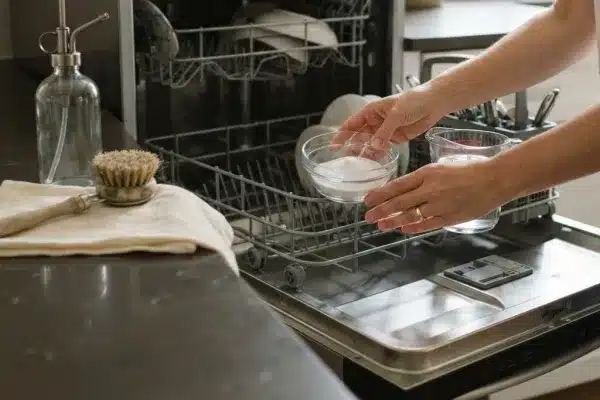
Embracing baking soda and vinegar for dishwasher cleaning isn't just about a cleaner appliance; it’s a step towards a more sustainable home. By reducing reliance on commercial chemical cleaners, you’re minimizing your environmental footprint and ensuring a healthier living space. This approach aligns with a broader movement towards mindful consumption and eco-conscious living. For more ways to integrate sustainable practices into your kitchen, explore our reviews of best non-toxic liquid dishwasher detergent.
Making the Switch for the Planet and Your Health
Opting for natural cleaning solutions like baking soda and vinegar significantly reduces the amount of harsh chemicals entering our waterways. For your household, it means fewer potentially irritating fumes and less exposure to residues on surfaces your food touches. It’s a win for both planetary health and personal well-being.
Frequently Asked Questions About Cleaning Dishwashers
Can I Use Baking Soda and Vinegar Together in a Single Cycle?
While baking soda and vinegar are a powerful cleaning duo, mixing them directly in a dishwasher during the same cycle is generally not recommended. Their chemical reaction produces a foamy mess that can reduce their individual effectiveness and potentially cause a buildup. It’s best to use them in separate stages: baking soda for initial deodorizing and gentle scrubbing, followed by vinegar for deeper cleaning and descaling.
How Much Baking Soda and Vinegar Should I Use?
For a standard-sized dishwasher, one cup of baking soda sprinkled on the bottom and one to two cups of white vinegar placed in a bowl on the top rack is typically sufficient for an effective cleaning. Adjusting slightly based on your dishwasher's size or the level of cleaning needed is acceptable.
Can I Use Baking Soda and Vinegar to Clean My Washing Machine?
Yes, baking soda and vinegar are also excellent for cleaning washing machines. For the wash cycle, add baking soda to boost detergent performance and deodorize. For the rinse cycle, add vinegar to act as a fabric softener and further clean the drum. Never mix them directly in the machine.
What's the Best Way to Deodorize and Clean My Dishwasher?
The most effective method involves a two-step process: First, sprinkle baking soda on the bottom and run a hot cycle to absorb odors and loosen grime. Second, place a bowl of vinegar on the top rack and run another hot cycle to break down stubborn buildup and disinfect. Regularly cleaning the filter is also paramount for preventing persistent odors.
Conclusion
Maintaining a clean dishwasher is more than just an aesthetic choice; it's a fundamental aspect of ensuring your appliance functions efficiently, lasts longer, and contributes to a hygienic kitchen environment. The simple, natural, and economical method of cleaning with baking soda and white vinegar offers a powerful solution to tackle odors, grease, and mineral buildup without resorting to harsh chemicals.
By following the steps outlined in this guide—from preparation and application to the final rinse and ongoing maintenance—you can consistently achieve sparkling clean dishes and a consistently fresh-smelling dishwasher. Embrace this easy, eco-friendly approach, and enjoy the benefits of a well-cared-for appliance that serves you reliably for years to come. Your kitchen, and your wallet, will thank you. If you're interested in other natural cleaning solutions for your kitchen, explore our guide on best ways to clean oven with lemon.
