
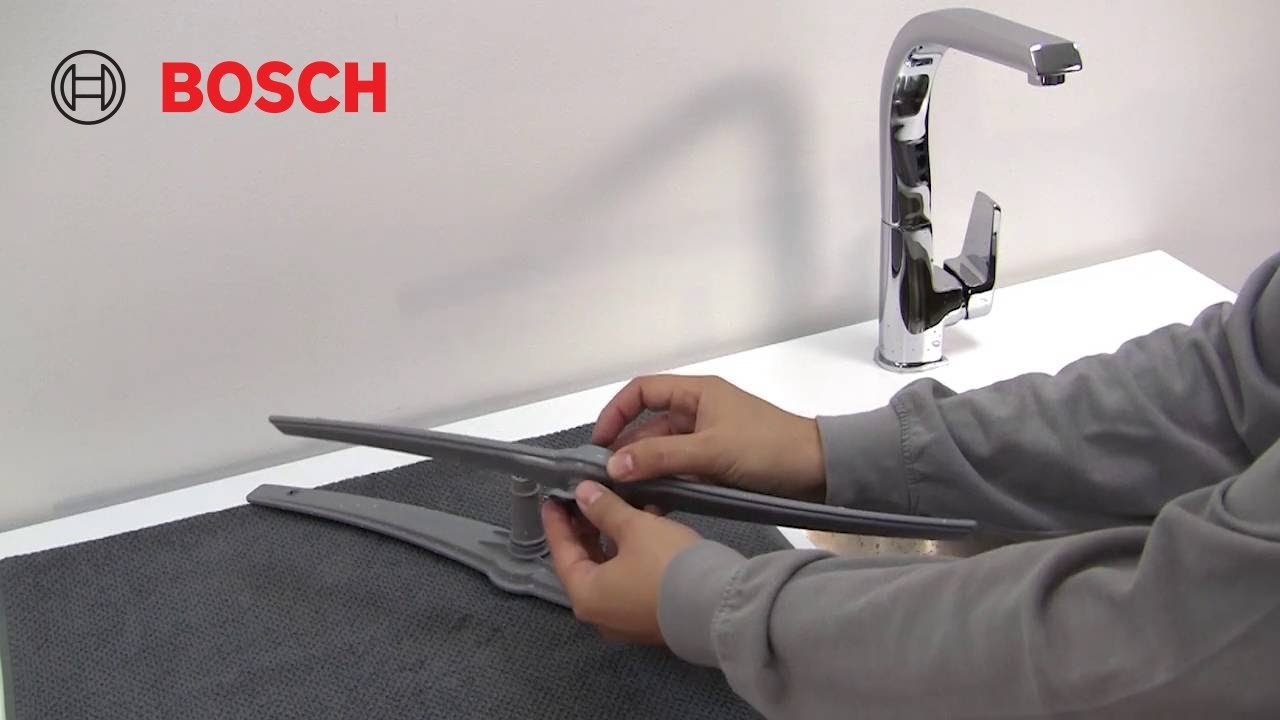
Is your dishwasher not cleaning your dishes as well as it used to? It might be time to give the spray arm some attention.
The spray arm plays a crucial role in ensuring your dishes come out sparkling clean, and when it’s clogged or dirty, it can’t do its job properly. Imagine the satisfaction of seeing your dishes come out spotless every single time, without the frustration of re-washing.
In this guide, you’ll discover simple, effective steps to clean your dishwasher’s spray arm, ensuring peak performance and extending the life of your appliance. Let’s dive into how you can easily tackle this task and enjoy the benefits of a fully functional dishwasher once again.

Credit: www.reddit.com
Importance Of Cleaning The Spray Arm
Cleaning the dishwasher spray arm ensures water flows freely for effective cleaning. Blockages can lead to poor dish results. Regular maintenance keeps your dishwasher running smoothly and efficiently.
Cleaning your dishwasher’s spray arm may not be high on your to-do list, but its importance cannot be overstated. A clean spray arm ensures your dishes come out sparkling every time. Neglecting it could lead to less effective cleaning cycles and even unpleasant odors. Have you ever noticed food particles stuck on your plates after a wash? This might be due to a clogged spray arm. The spray arm is responsible for distributing water throughout the dishwasher. If it’s blocked, water can’t reach all your dishes. This can leave you frustrated, especially when expecting clean dishes after a cycle.Ensuring Efficient Water Flow
A clean spray arm guarantees efficient water flow. If debris or food particles block the tiny holes, water pressure decreases. This results in inadequate cleaning. Regular maintenance keeps your dishwasher performing at its best.Preventing Unpleasant Odors
A clogged spray arm can lead to stagnant water, creating unwanted smells. These odors can cling to your dishes, making them unappetizing. By cleaning the spray arm, you prevent this buildup and keep your kitchen smelling fresh.Prolonging Dishwasher Lifespan
Consistently cleaning the spray arm helps extend your dishwasher’s life. Blockages can put extra strain on the machine. This might lead to costly repairs or replacements. Taking a few minutes to clean the spray arm can save you money and hassle in the long run.Ensuring Hygiene
You want your dishes to be hygienically clean, right? A dirty spray arm can harbor bacteria or mold. Cleaning it ensures your dishwasher remains a safe environment for your dishes. Consider this the next time you load your dishwasher.How Often Should You Clean?
How often do you clean your spray arm? Ideally, every few months. This frequency depends on how often you use your dishwasher. Frequent users might need to clean more often. Assess your usage and adjust your cleaning schedule accordingly. Cleaning your dishwasher spray arm is a simple task that delivers significant benefits. Next time you notice your dishwasher underperforming, consider checking the spray arm. You might be surprised at the difference a little cleaning can make.Signs Of A Clogged Spray Arm
Water pools in the dishwasher or dishes come out dirty? These are signs of a clogged spray arm. Cleaning it ensures efficient water flow and spotless dishes.
Is your dishwasher not cleaning as well as it used to? A clogged spray arm might be the culprit. Spotting the signs early can save you from a pile of dirty dishes and an expensive repair bill. In this section, we’ll explore the telltale signs that your dishwasher spray arm needs a good cleaning.Uneven Cleaning Results
When you open your dishwasher expecting spotless dishes, only to find food residue and water spots, your spray arm might be clogged. If one side of your dishwasher consistently has cleaner dishes than the other, it’s a clear sign. Uneven cleaning often means water isn’t reaching all areas effectively.Water Puddles In The Dishwasher
Notice standing water at the bottom of your dishwasher after a cycle? A clogged spray arm could be preventing water from draining properly. This can lead to unpleasant odors and might make you think your dishwasher is broken when it just needs a simple clean.Unusual Noises During Operation
Does your dishwasher make odd sounds that weren’t there before? A clogged spray arm might be struggling to spin properly. This can cause your dishwasher to work harder than necessary, potentially leading to further damage.Visible Debris On The Spray Arm
If you can see food particles or mineral build-up on the spray arm, it’s a sign that clogs are impacting performance. These visible signs often mean there are more blockages inside that need addressing. Regular inspection can help you catch these issues early.Low Water Pressure
Low water pressure can result from a clogged spray arm, preventing effective dishwashing. If you notice that the water jets are weaker than usual, it’s time to check your spray arm. Ensuring a free flow of water is crucial for a sparkling clean. Your dishwasher is a time-saving appliance, but it needs regular maintenance to function optimally. Have you noticed any of these signs? If so, taking action sooner rather than later can keep your dishwasher running smoothly and your dishes looking their best.Tools And Materials Needed
Cleaning the dishwasher spray arm is essential for efficient performance. Proper tools and materials ensure a smooth cleaning process. Gather everything beforehand to save time and effort. Below are the tools and materials needed for this task.
Tools Required
A screwdriver is essential for removing the spray arm. Ensure it matches the screws in your dishwasher model. A toothbrush or small brush helps scrub away dirt. Use a sponge for general cleaning of surfaces. A pair of gloves protects your hands during the process. These tools are vital for a thorough cleaning.
Materials Needed
White vinegar is excellent for dissolving mineral buildup. Baking soda helps eliminate odors and stains. Dish soap removes grease and grime effectively. Warm water aids in rinsing and washing away debris. These materials are commonly found in most households. Together, they ensure the spray arm is spotless.
Safety Gear
Safety goggles protect eyes from splashes. Ensure you wear them during cleaning. Gloves prevent skin irritation from cleaning solutions. They also offer better grip on slippery surfaces. Safety gear is crucial for a safe cleaning experience.
Preparation Area
A clean counter or table is ideal for working. Lay down a towel or mat to catch spills. Ensure the area is well-lit for visibility. This setup helps maintain order and cleanliness. A proper preparation area ensures a hassle-free cleaning process.
Preparation Steps
Begin by disconnecting the dishwasher and removing the lower dish rack. Check for debris or blockages in the spray arm holes. Use a toothbrush or pipe cleaner to gently remove any build-up, ensuring optimal water flow during wash cycles.
Cleaning your dishwasher spray arm might seem like a minor task, but it’s crucial for maintaining your appliance’s efficiency. If you’ve ever noticed that your dishes aren’t coming out as clean as they used to, a clogged spray arm might be the culprit. Before you dive into this cleaning task, it’s essential to prepare properly. This ensures that the process is smooth and safe, protecting both you and your dishwasher. Here’s how to get started with some simple preparation steps.Turning Off The Dishwasher
First things first, you need to ensure your safety by turning off the dishwasher. Unplugging it from the electrical outlet is the safest way to do this. If your dishwasher is hardwired, switch off the circuit breaker that powers it. This prevents any accidental starts while you’re working on it. You wouldn’t want a sudden rush of water to surprise you mid-cleaning!Removing The Dish Racks
Once the power is off, your next step is to remove the dish racks. Start with the bottom rack; simply slide it out and set it aside. This gives you easier access to the spray arm. Then, carefully take out the top rack. Some dishwashers have clips that need to be pushed or unscrewed—check your manual if you’re unsure. Removing these racks not only makes the spray arm more accessible but also prevents any accidental damage to your dishware. Taking these initial steps sets the stage for a thorough cleaning. It also helps you avoid common pitfalls that could turn a simple task into a more significant issue. Have you ever skipped a preparation step and regretted it later? Remember, spending a few extra minutes on preparation can save you hours of hassle down the road.Removing The Spray Arm
Regular cleaning of your dishwasher is essential. Over time, food particles and minerals can clog the spray arm. This leads to a decrease in cleaning efficiency. Removing the spray arm is a straightforward process. It can significantly improve dishwasher performance.
Top Spray Arm
First, open the dishwasher door. Locate the top spray arm beneath the upper rack. The arm is usually held in place with a nut or clip. Carefully remove the nut or clip using your fingers. If it’s tight, use a wrench or screwdriver. Gently lift the spray arm away from its position. Be cautious not to force it. Check for any obstructions or debris. Clean the spray holes with a toothpick or brush.
Bottom Spray Arm
Next, focus on the bottom spray arm. This arm is usually at the base of the dishwasher. Remove the lower rack to gain access. Locate the securing screw or bolt. Use a screwdriver to loosen it. Gently lift the spray arm from its socket. Inspect for any blockages. Use a brush to clean the spray holes. Rinse the spray arm under warm water. Ensure all debris is removed.

Credit: www.youtube.com
Cleaning Methods
Cleaning the dishwasher spray arm involves removing it gently and rinsing under warm water to clear blockages. A soft brush can help scrub away any stubborn debris. Regular cleaning ensures efficient water flow and spotless dishes.
Cleaning your dishwasher spray arm is an essential step in maintaining your appliance. It ensures your dishes come out sparkling and reduces the risk of breakdowns. Here, we dive into simple yet effective methods to clean your spray arm, ensuring your dishwasher runs smoothly.Soaking And Scrubbing
Sometimes, the old-fashioned way works best. Remove the spray arm from the dishwasher, if possible. Soak it in warm, soapy water for about 15-20 minutes. This loosens any gunk or mineral buildup. After soaking, use a soft brush or an old toothbrush to scrub away any remaining dirt. Pay special attention to the small holes and joints. This will help ensure water flows freely during the wash cycle.Using A Cleaning Solution
A cleaning solution can make this job even easier. Mix equal parts of water and vinegar to create a powerful cleaning agent. If vinegar isn’t available, lemon juice is a great alternative. Spray or pour this solution over the spray arm. Let it sit for a few minutes to break down stubborn deposits. Rinse thoroughly with clean water to remove any vinegar or lemon residue.Clearing Blocked Holes
Blocked holes are a common issue that can affect your dishwasher’s performance. Use a toothpick or a thin wire to gently clear out any debris. Be careful not to enlarge the holes or damage the plastic. It’s fascinating how such a small step can make such a big difference. You might be surprised at the improvement in your dishwasher’s cleaning power. Have you ever wondered why your dishes aren’t as clean as they could be? It might just be the spray arm needing a little TLC. By incorporating these methods into your cleaning routine, you’ll extend the life of your dishwasher and enjoy spotless dishes every time.Reattaching The Spray Arm
Reattaching the spray arm is crucial after cleaning. Ensure it snaps securely into place. Proper attachment guarantees efficient water distribution during dishwashing cycles.
Reattaching the spray arm in your dishwasher might seem like a daunting task. But with a little guidance, you can tackle it confidently. This step is crucial to ensure your dishwasher runs efficiently, so it’s worth getting it right.Understanding The Spray Arm Mechanism
Before you start, take a moment to understand how the spray arm fits into the dishwasher. It’s typically located at the bottom and is connected to a central hub. If you’re unsure, consult your dishwasher’s manual for a diagram.Gathering Necessary Tools
You won’t need much to reattach the spray arm—often just your hands. However, a screwdriver might be helpful if your model has screws securing the arm. Make sure you have a clean workspace to avoid losing any small parts.Aligning The Spray Arm
Carefully position the spray arm over its designated slot. Ensure it’s aligned properly, as forcing it can cause damage. If it doesn’t seem to fit, double-check the alignment and try again gently.Securing The Spray Arm
Once in place, secure the arm by turning it clockwise. If screws are involved, use your screwdriver to tighten them. Make sure the arm is snug but not overly tight, as this could impede its movement.Testing The Fit
After reattaching, give the spray arm a gentle spin. It should rotate freely without any wobble. If it feels stuck, you may need to readjust or check for any obstructions.Final Checks
Close the dishwasher and run a short cycle to ensure everything is working smoothly. Listen for any unusual noises that might indicate the spray arm isn’t properly seated. If everything sounds normal, you’re good to go! Taking the time to reattach the spray arm correctly can make a big difference. Have you ever noticed your dishes not getting clean enough? It might have been due to a misaligned spray arm. By ensuring it’s secured properly, you’re setting your dishwasher up for optimal performance.Testing The Dishwasher
Cleaning the dishwasher spray arm ensures efficient water flow. Remove the arm carefully and rinse it under warm water. Clear any blocked holes with a toothpick to improve performance.
Testing the dishwasher is a crucial step in ensuring that your spray arm cleaning efforts have paid off. After all the scrubbing and rinsing, you want to make sure your dishwasher is performing at its best. This process is not only about confirming cleanliness but also about understanding how well your appliance functions.Check For Proper Water Flow
Start by loading your dishwasher with a few dishes. This helps simulate a regular washing cycle. Run the dishwasher and listen for the sound of water hitting the dishes. If you hear consistent splashes, your spray arm is likely functioning well. If the sound is uneven or sparse, there might still be a blockage.Look For Residual Water
Once the cycle is complete, open the dishwasher and inspect the dishes. If you notice water pooling or spots on the dishes, it could indicate a problem with water distribution. Your spray arm might need further attention or adjustment.Inspect The Dishes For Cleanliness
Carefully examine the dishes for any leftover food particles. A clean spray arm should leave your dishes spotless. If you find residue, consider checking the spray arm holes again for any remaining debris. This can be a sign that the cleaning wasn’t thorough.Evaluate Drying Performance
Drying is as important as washing. If your dishes come out damp, it might suggest that the spray arm isn’t directing water efficiently, affecting the drying process. Ensure the spray arm spins freely and doesn’t bump into dishes during the cycle.Consider The Next Steps
What happens if your dishwasher isn’t performing as expected? It might be time to revisit the cleaning process or consult your manual for troubleshooting tips. Could it be that a simple adjustment could enhance the performance? Sometimes, repositioning the spray arm or checking for obstructions in other parts of the dishwasher can make a difference. Testing the dishwasher goes beyond checking cleanliness—it’s about ensuring optimal performance. Every time you clean the spray arm, you’re investing in your appliance’s efficiency and longevity. Wouldn’t it be great to enjoy perfectly clean dishes every time?Maintenance Tips
Cleaning the dishwasher spray arm ensures optimal performance. Remove the arm and rinse it under warm water. Use a toothpick to clear any blocked holes for better water flow. Regular maintenance helps avoid clogs and keeps dishes spotless.
Keeping your dishwasher in top shape ensures it runs smoothly and efficiently. A critical part of this is maintaining the spray arm, which plays a crucial role in cleaning your dishes. If you’ve ever noticed leftover food on your plates or glasses, it might be time to give your spray arm some attention. Below, you’ll find simple maintenance tips to keep your dishwasher working like a charm.Regular Cleaning Schedule
Consistency is key. Set a reminder to check your dishwasher’s spray arm monthly. Remove the spray arm and rinse it under running water. This helps to dislodge any trapped food particles or debris. My friend Sarah once told me how her dishwasher stopped cleaning effectively. She followed this routine, and it worked wonders!Using Dishwasher Cleaners
Consider using a dishwasher cleaner once every few months. These cleaners dissolve mineral buildup that could clog the spray arm. Choose a cleaner that suits your dishwasher model. Check the instructions and make sure you use the right amount. Have you ever wondered why your glasses aren’t as sparkling as they used to be? It might be time to add a cleaner to your routine. Remember, these maintenance tips can significantly extend the life of your dishwasher. What other simple routines could you implement to make your appliances last longer?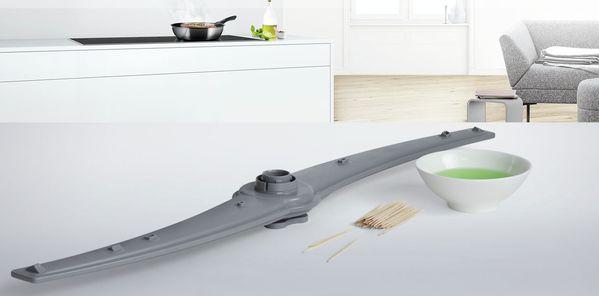
Credit: www.bosch-home.com
Frequently Asked Questions
Can You Take Apart A Dishwasher Spray Arm?
Yes, you can take apart a dishwasher spray arm. Remove it by unscrewing or unclipping from its base. Check your dishwasher’s manual for specific instructions. Clean any debris or blockages before reassembling. Regular maintenance ensures optimal performance and extends the appliance’s lifespan.
Why Do Dishwasher Spray Arms Get Clogged?
Dishwasher spray arms get clogged due to food particles, mineral deposits, and soap scum. Regular cleaning prevents this. Ensure filters are clean and use a dishwasher cleaner periodically to maintain efficiency. Proper maintenance extends the lifespan of your appliance and ensures optimal performance.
Can You Run Vinegar Through A Dishwasher To Clean It?
Yes, you can use vinegar to clean a dishwasher. Place a cup of white vinegar in a dishwasher-safe bowl on the top rack. Run a hot water cycle to eliminate odors and buildup. Vinegar’s acidity helps remove grime, leaving your dishwasher fresh and clean.
How Often Should I Clean My Dishwasher Arm?
Clean your dishwasher arm every 1-2 months for optimal performance. Regular cleaning prevents clogs and ensures efficient operation. Use a soft brush and warm water to remove debris. Check for any blockages in the spray holes. Maintaining this routine extends your dishwasher’s lifespan.
Conclusion
Cleaning your dishwasher spray arm keeps your appliance running smoothly. Regular maintenance prevents clogs and ensures dishes come out spotless. A clean spray arm improves water flow. This means better cleaning performance. So, remember to check it often for food bits and debris.
Simple steps make a big difference. You just need warm water and a soft brush. Take time to clean it every few months. This saves money and extends your dishwasher’s life. With a clean spray arm, enjoy sparkling dishes every time.
Keep your dishwasher at its best with these easy steps.
